Category: All

  • National Family Caregivers Month

    National Family Caregivers Month

    It is no coincidence that the month of November is not only Thanksgiving, but also National Family Caregivers Month.

    Having two very important events in one month, provides us the opportunity to give thanks together with family and friends for all that we are grateful for, as well as the time to honor and thankfamily, friends and colleagues who volunteer their energy to provide care for others.

    Volunteer caregivers contribute countless hours of companionship, support for personal needs, and other related services to help loved ones in need of assistance. Very often these humble volunteers never identify themselves as caregivers, and as a result never take advantage of services and support systems available to them to help support all that they do. Caregivers can find their role rewarding and fatiguing, heartwarming or discouraging, all at the same time.

    Do you know someone who is a tireless caregiver? If so, help celebrate their contributions and thank them for all that they do to help so many in need. Acknowledge that caregiving can be rewarding, but lonely and stressful as well. Let them know that there are people ready to support them as they navigate all of the highs and lows of helping others. Share with them the gift of these Ten Tips from the Caregiver Action Network (caregiveraction.org):

    1. Seek support from other caregivers. You are not alone.

    2. Take care of your own health, so you can be strong enough to take care of your loved one.

    3. Accept offers of help and suggest specific things people can do to help you.

    4. Learn how to communicate effectively with doctors.

    5. Caregiving is hard work so take respite breaks often.

    6. Watch out for signs of depression and don’t delay getting professional help when you need it.

    7. Be open to new technologies to help you care for your loved one.

    8. Organize medical information so it’s up to date and easy to find.

    9. Make sure legal documents are in order.

    10. Give yourself credit for doing the best you can in one of the toughest jobs there is!

    We, too, at CarePlus want to take this opportunity to thank all of the family caregivers for giving so much of themselves to care for others. We know this is not an easy job for you and we are here to help you in a variety of ways. Visit CarePlus Resources Here. Please do not hesitate to contact us for support, resources and services at 301-740-8870.

    At this time of year, all of us at CarePlus want to wish you and your family a very Happy Healthy Thanksgiving filled with joy, good health and fun!


  • Stroke Awareness Day

    Stroke Awareness Day

    World Stroke Day is October 29. This very important day gives us an opportunity to remind —and re-educate– ourselves, our family and our friends about factors that increase the risk of suffering a stroke. This day also provides an opportunity to learn the warning signs, treatments after stroke care and best practices for prevention.

    What is a stroke?

    A stroke occurs when blood vessels carrying oxygen to the brain are blocked. The lack of oxygen causes brain cells to die, affecting areas of the body controlled by those brain cells. (Nat’l Heart, Lung, Blood Institute, NIH).

    What is a silent stroke?

     A silent stroke interrupts the flow of blood in a part of the brain that does not control any vital functions. The damage, though significant, is too small to produce any symptoms, but can lead to increased cognitive impairment. Most people rarely know they have had one. Research seems to indicate that over 30% of adults over 70 have experienced a silent stroke. (Harvard Publishing, Harvard Medical School.)

    What can put you at risk?

    1. High Blood Pressure. Also, known as the “silent killer”, high blood pressure can be treated and managed –when detected early. Getting your blood pressure checked on a regular basis is a good health practice.
    2. Diabetes. Regular visits to your doctor include blood tests which will help determine your risk.
    3. Heart Disease.
    4. Smoking. The evidence is clear, smoking is a risk factor for, not only a stroke but for many other diseases as you age. If you are a smoker ask your doctor for a program to help you stop. New programs are proving quite successful.
    5. Age/Gender. The risk of a stroke increases as one ages, with men at a slightly higher risk. Women who suffer a stroke however, have a higher risk of dying.
    6. Family History. Your risk goes up if you have a close family member who has had a stroke or a TIA (mini stroke).
    7. High Cholesterol levels.

    What can you do to prevent a stroke?

    1. Maintain a healthy weight. Diet and good weight management can decrease your stroke risk. There are many new diet programs that fit your lifestyle and food preferences to help you find a weight loss program that will help you succeed.
    2. Exercise. Regular exercise has a variety of benefits, these include controlling blood sugar levels, helping circulation and decreasing stress. You can find a variety of exercise programs at your neighborhood recreation center, senior center, or local YMCA. And, don’t forget—exercise can be as easy as slipping on a good pair of exercise shoes and walking thirty minutes around the mall or your neighborhood. Don’t’ forget a steps counter to help you keep track of your progress.
    3. Stress Management. Research into mindfulness and meditation are showing favorable results when it comes to reducing stress and lowering blood pressure. Try a class, or download an app for your phone to experience the benefits.

            (Nat’l Heart, Lung, Blood Institute, NIH)

    What are the symptoms of a stroke?

    Sudden onset of any of these symptoms might indicate that someone is having a stroke: Difficulty speaking or comprehending, confusion, inability to raise both arms in the air, difficulty seeing–blurry or obstructed vision, sudden onset of a headache, dizziness, difficulty with balance. (Nat’l Heart, Lung, Blood Institute, NIH)

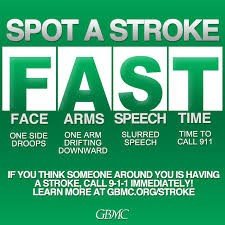
    A quick way to remember the symptoms is to remember FAST.

    FACE– is the face droopy, can the person smile?

    ARMS–can the person lift both arms in the air?

    SPEECH–Is speech clear, can the person understand what you are saying

    TIME–Time is critical so act quickly to get the person medical care.

    Call 911 immediately. A stroke is always an emergency requiring immediate treatment. (worldstrokecampaign.org)

    After Stroke Care

    Stroke survivors can find many changes to daily life, often requiring rehabilitation, daily activity assistance and supportive therapies to help rebuild lost skills.

    (Harvard Publishing Harvard Medical School)


    CarePlus has a Stroke Program- for more information click here.

  • Celebrate the Month of May!

    Celebrate the Month of May!

    Spring has finally arrived and with it a month full of Welcome Celebrations.

    On May 14, we join all our family and friends as we honor Mothers and thank them for their endless love, care and support. A Mother’s love has no limits and she is often our greatest fan. Thank you to Mother’s everywhere!

    We continue the celebration on May 15, as we begin our 23rd year proudly serving Mother’s (and loved ones) in the Washington, DC area. For these last 22 years, we have provided home care to support your family member to live independently if possible. The CarePlus mission is dedicated to assisting seniors, with maintaining their independence in the comfort and safety of their own homes, wherever home may be. We want to ensure that we help your mom get up in the morning, so you can sleep at night.

    We have always placed families first, and will always continue to do so as we grow and provide the services most needed by those in our community. Over the years the needs have changed, and wbvcxe have worked to provide services that meet those needs. More adults choose to age in place, or the community. Our home health care model helps increase successful aging in the home.

    With an experienced and caring staff, we are ready to provide support at tough times such as hospitalization, post discharge, rehabilitation and/or hospice care. We also provide personal care including meal preparation, bathing, medication reminders, safety assessments and assistance with daily living services.

    Our specialty care includes support for medical conditions related to Alzheimer’s and dementia, Amyotrophic Lateral Sclerosis (ALS); Cardiac Care; COPD/Pneumonia; Diabetes Management; Multiple Sclerosis and Parkinson’s disease.

    Our ongoing support services can help with Fall Prevention and our Skilled Nursing includes services for Medication Management, Wound Care, Ostomy Care Tube Feedings, Injections and Ventilator Care.

    We are here to provide that support for your Mother, you and your family when caring for a loved one.

    If you are experiencing a stressful situation or exploring future options for care, CarePlus is here to help, just call (301) 740-8870 to learn more.

  • Independent Living is not “Foolproof”

    Independent Living is not “Foolproof”

    Independent Living means freedom. The freedom to make choices and set one’s own schedule– prepare meals, shop at the grocery store, grab an ice cream cone, pay bills—truly get up and go anywhere at any time.

    While total independence is ideal, older adults may struggle keeping up with day to day tasks. When this happens, it is a good time to consider how additional elder care support can provide assistance for those forgotten chores. Additional support can provide the older adult an opportunity to continue to live independently with minimal and appropriate assistance. As health needs can change unpredictably, it is always a good idea to closely monitor the added care in the event additional services are needed. And, with the variety of support currently available, finding someone to help will extend the time one can live in a much beloved home and neighborhood.

    It would be ideal if everyone who needs support could ask for it, too many older adults feel uncomfortable acknowledging difficulties. Many fear that asking for help signals the loss of independence. In reality, adding support is a key component to extending independence. While it is quite clear that changes due to aging might complicate independent living, it does not have to end independent living.

    How can family and friends help?

    Family and friends are a big part of maintaining independence. The best way to help is to observe. Look for clues that loved ones would benefit from elder care assistance. Some are relatively small, but important: dishes in the sink long after a meal, stained clothing, clothing not appropriate for the weather, weight loss, change in telephone use, missed birthday greetings—changes to any behavior of daily life. Others are much more significant and could cause immediate harm: missed medications or medication mix-ups, missed bill payments, scorched pots and pans, and increasing confusion.

    Working together with family and friends is the best way to help older adults maintain a happy and healthy independent life.

  • “You Are What You Eat”

    “You Are What You Eat”

    Thank you to our guest blogger, Health Coach Kailee, for sharing some Nutrition Tips for National Nutrition Month.

    Did you know that 68% of all diseases in the United States are diet related? This famous phrase “You are what you eat” has caught the attention of many people and made us start taking a look at what we eat on a daily basis. Giving your body the right nutrients every day and maintaining a healthy weight can help you lead a healthier and happier life.

    Here are my top 4 tips for maintaining a healthy lifestyle:

    1. Eat a protein-packed breakfast within 30 minutes to 1 hour of waking up. By doing this it will help to wake up your metabolism first thing in the morning. Also by making sure there is a mixture of protein and healthy carbs in your breakfast you will start of your day by balancing your blood sugars, which keeps you from overeating later in the day.
    2. Eat often throughout the day! It is recommended to eat 5-6 mini meals about every 3 hours throughout the day instead of 3 large meals. By doing this it will help balance your blood sugars, which will reduce cravings. This method of eating also helps because you are not as hungry at the next meal so you tend to eat less.
    3. Make sure all of your meals and snacks have protein in them! It is important for all of our meals to have the proper amount of macronutrients (protein, carbs, fats); however, protein is one of the most important! When protein is absorbed into the body it sends a signal to your brain to decrease your hunger.
    4. Stay hydrated!! You should be drinking half of your body weight in ounces of water every day. And beware of the fruit juices and sodas…they are loaded with calories and sugar that we do not need. Drinking water on a daily basis will not only flush out toxins but it will also aid with digestion and constipation, improve your mood and increase your energy!

    CarePlus promotes healthy lifestyles for the aging population. Again, thank you to Health Coach Kailee for being our guest blogger for March, National Nutrition Month.  If you are interested in more information regarding nutrition and coaching services please contact Health Coach Kailee at 301-821-3116 or KaileeCMcClure@gmail.com.

  • Heart Health Month, Feel the Love…

    Heart Health Month, Feel the Love…

    Heart Health

    February is recognized nationwide as Heart Health month. An important reminder to continue, refresh or start healthy habits for a life time, habits that will contribute to our wellbeing and healthy aging.

    Good heart health starts with eating less saturated fat, less processed foods and less salty snacks. February is a great month to replace some of those choices with a variety of fresh fruits and vegetables.

    In addition to eating healthy, there are other habits that are recommended by the CDC:

    Preventing Heart Disease: Health Living Habits

    • Eat a well-balanced diet for good health
    • Increase your physical activity (varies with age), to help maintain a healthy weight
    • Avoid smoking, which may increase risk of heart disease
    • Moderate alcohol intake, excess consumption can worsen some heart conditions

    CarePlus Can Help

    There are many medical conditions that can impact your health. Having a heart condition can be very challenging as you age and may prevent living independently. Just to note, our in-home caregivers can provide friendly and helpful reminders for those taking medications and ensure proper adherence to prescribed medications. This is especially important for those with asymptomatic conditions like high blood pressure. Our attention to activities of daily living (ADL) is aimed at keeping everyone safe, healthy and active and includes: exercise classes, shopping trips, cooking tips and menu selections. We are committed to Heart Health, not just in February, but all year long.

    Happy Valentine’s Day!

    Nestled nearly in the middle of the month is the holiday of love…Valentine’s Day. An important reminder that the heart needs more than healthy food and exercise.  The healthy heart also needs love and emotional connection.  It is no coincidence that Valentine’s Day is a part of Heart Health month, another reminder to celebrate and nurture the emotional heart, as well as the physical heart.

  • August- Home Care for Wounded Veterans and Luke’s Wings

    August- Home Care for Wounded Veterans and Luke’s Wings

    We understand the difficulty that veterans and their families face when trying to manage disabilities caused by combat. Here at CarePlus, we Purple Heart medalvalue every one of our veteran clients and work hard to provide the level of home care that makes their lives and their loved one’s lives easier. With our customized home and nursing care, along with senior and independent living, we can assist veterans and purple heart recipients with top level home care that takes place in the comfort of their own home.


    How Home Care Can Help

    CarePlus is well known for their exceptional and professional home care throughout Bethesda, Rockville, Gaithersburg MD and beyond. Depending on the needs of the individual and their customized care plan, a CarePlus caregiver can assist the client in their daily activities.

    Customized Care Plans

    Our caregivers are trained to handle a variety of disabilities. With our professional care, you can rest easily knowing your loved one will be taken care of. Our customized care plans are based on specific needs of the client; however, most care plans include the following:

    • Medication and personal safety reminders
    • Transportation to medical appointments
    • Assistance with daily exercises and physical therapy activities prescribed by a doctor
    • Encouraging and planning social activities
    • Light housekeeping, running errands, scheduling events
    • Help with restroom use, bathing, dressing and grooming
    • Offering friendly conversation and emotional support
    • Preparing meals and assisting with feeding if needed
    • Transportation from wheelchair to bed, etc.

    Information & Resources

    If you or your loved one is a wounded veteran and needing home care assistance, contact CarePlus Home Health Care at 301-740-8870.

    Living as a wounded veteran can not only be physically demanding, but also emotionally demanding. We provide a level of care that understands the difficulty you or your loved one is going through. For more information about resources that can benefit wounded veterans, please visit the U.S. Department of Veterans Affairs at http://www.va.gov/.

    Luke’s Wings for Wounded Warriors & Veterans

    Additional resources for wounded veterans can be found at Luke’s Wings. Thousands of families have been positively impacted by the services they offer wounded warriors and veterans.

    “At Luke’s Wings, we salute our military! Initially started to provide complimentary transportation to recovering service members and their loved ones during recovery, Luke’s Wings recognized the on-going need for travel services for the loved ones of Veterans in Hospice Care. It is our mission to ensure that our service members, past and present, are surrounded by loved ones in their time of need. Through our Veterans in Hospice Care Transportation Assistance Program, we are able to fly families into Hospice Care facilities when a Veteran is ready to pass away. It is a service we hold very dear to our hearts, as we know we are providing a final salute to the greatest generation that ever lived. Please visit www.lukeswings.org to learn more about our program lines and see how you can make a difference in a service member’s life today.”

     – Dakota Bierly

    Coordinator, Corporate Sponsorships

    Luke’s Wings

  • July- Juvenile Arthritis Month

    July- Juvenile Arthritis Month

    Arthritis is not something only seniors deal with. Juvenile arthritis affects more than 300,000 children in the United States and can cause a Rheumatoid Arthritis ribbonseries of discomforts affecting the eyes, skin, muscles, joints, the musculoskeletal system and even the gastrointestinal tract. Juvenile arthritis is known as a pediatric rheumatic disease that describes various types of autoimmune and inflammatory conditions that can affect children under 16 years of age.
    The cause of juvenile arthritis is still undetermined, but thought to be related to a genetic predisposition that is triggered by other factors. Once a diagnosis is received, treatment can begin. “The National Institute of Arthritis and Musculoskeletal and Skin Diseases notes that JA often targets the knees and feet, creating a telltale limp in junior’s walk.” [1] Although there is no known cure, recognizing these early signs like limping and getting immediate treatment can result in remission. Most treatment plans involve physical activity, healthy eating, medication and eye care.

    Seniors can develop arthritis from general wear and tear of cartilage, autoimmune diseases, broken bones, or bacterial or viral infections. As with juvenile arthritis, there is no cure for arthritis in seniors. However, treatment can aim to reduce pain. Medication, surgery and making lifestyle changes are all ways to reduce pain and discomfort.

    How Home Care Can Help

    In cases were early detection was overlooked and arthritis has continued to progress, it can become extremely difficult to complete daily tasks. A CarePlus caregiver can provide assistance with daily activities, therapy and a variety of other daily tasks. This gives family members a sense of relief knowing someone is there to help their loved one.

    Customized Care Plans

    CarePlus creates a unique care plan that is customized to the specific needs of the individual suffering with arthritis. Depending on the treatment described by their doctors and daily activities that need to be completed, a CarePlus caregiver can assist the individual throughout the process. Below are some common care plans for individuals suffering with arthritis:

    • Assisting with daily physical and occupational therapy exercises
    • Transportation to therapy appointments and support groups
    • Preparing meals and assisting with feeding
    • Transferring from bed to wheelchair as needed
    • Help with restroom use, bathing, dressing and grooming
    • Medication and personal safety reminders
    • Light housekeeping, running errands and scheduling events
    • Offering friendly conversation and emotional support
    • Encouraging and planning social activities and exercises

    Information & Resources

    To request a free in-home assessment, contact CarePlus Home Health at 301-740-8870.

    For more information about the Arthritis Foundation please access their website at http://www.arthritis.org/  or call: 404.872.7100.

    [1] 6 Facts on Juvenile Arthritis for Awareness Month, “Active Beat.” http://www.activebeat.com/your-health/children/6-facts-on-juvenile-arthritis-for-awareness-month/

  • May- Stroke Awareness Month

    May- Stroke Awareness Month

    May is stroke awareness month. Every year around 800,000 people experience a stroke. This leads to someone dying every 4 minutes. “It is Spot a Stroke graphicthe No. 5 cause of death and a leading cause of disability in the United States.” [1] The sad thing about this statistic is that up to 80 percent of strokes can easily be prevented. How can you prevent this from happening to you or a loved one? Let us first take a look at what a stroke is.

    A stroke occurs when blood flow to a certain area in the brain is cut off. Since oxygen is cut off from brain cells, they begin to die and the ability to control muscles and memory is lost. Depending on where the stroke occurs in the brain determines the severity of the problems to follow. “Some people recover completely recover from strokes, but more than 2/3 of survivors with have some type of disability.” [2]

    So how can you prevent a stroke from happening to you or a loved one? Remaining at a healthy weight, having good blood pressure, not smoking, exercising, treating atrial fibrillation and taking good care of your body are all great ways to prevent a stroke. However, for some of us it is too late. When this is the case, homecare is a great resource to have when adjusting to life after a stroke.

    How Home Care Can Help

    A trained CarePlus caregiver is able to provide proper assistance with daily activities to people suffering from the effects of a stroke. Having home care helps these individuals live more comfortably and spend less time trying to adjust to everyday demands.

    Customized Care Plans

    Having home care assistance not only helps when completing daily tasks, but often times leads to an improvement in overall functionality of the individual. Since the probability of having another stroke increases more than 40% within 5 years of the first stroke, a CarePlus caregiver can create a customized plan for your loved one to address a variety of needs and monitor them should another stroke take place. Our care plans include, but are not limited to:

    • Transportation to medical appointments
    • Monitor for FAST (Facial drooping, Arm weakness, Speech difficulties and Time of stroke or reoccurring stroke)
    • Preparing nutritious meals and assisting with feeding
    • Transferring from bed to wheelchair to chair, as needed
    • Help with restroom use, bathing, dressing and grooming
    • Positioning to achieve proper alignment when on bed rest
    • Medication and personal safety reminders
    • Light housekeeping, running errands, and scheduling events
    • Offering friendly conversation and emotional support
    • Encouraging and planning social activities and exercise

    Information & Resources

    To request a free in-home assessment in Gaithersburg, Bethesda, Rockville, MD and beyond, contact CarePlus Home Health Care at 301-740-8870 or contact us here.

    Don’t let your loved one’s stroke control their life or yours. Help them enjoy daily living by taking small steps to reduce stress for everyone involved. For more information about the National Stroke Association, please access their website here or call 1-800-787-6537.

    [1] What is Stroke, “American Heart Association | American Stroke Association.” http://www.strokeassociation.org/STROKEORG/AboutStroke/About-Stroke_UCM_308529_SubHomePage.jsp

    [2] What is Stroke, “National Stroke Association.” http://www.stroke.org/understand-stroke/what-stroke

  • June- Alzheimer’s & Brain Awareness Month

    June- Alzheimer’s & Brain Awareness Month

    Alzheimer’s is the most common form of Dementia and “…accounts for 60 to 80 percent of dementia cases.” [1] Alzheimer’s is an irreversible Alzheimers Pledgeand progressive brain disorder that destroys memory and thinking skills which often leads to the inability to carry out daily tasks. Alzheimer’s disease can range from mild to severe and generally tends to worsen over time. To this day there is no known cure, but you can reduce your risk of cognitive decline by engaging in healthy lifestyle habits.

    What lifestyle habits are needed to prevent Alzheimer’s disease? Not smoking, stimulating your brain and continually learning, engaging in regular cardio exercise, maintaining a healthy weight and low blood pressure and eating healthy are all great ways to prevent Alzheimer’s disease. However, it may be too late to prevent the disease for your loved one. In this instance, home care assistance is a great asset to have, helping individuals suffering with this debilitating disease function safely on a day to day basis.

    How Home Care Can Help

    CarePlus is well known for their exceptional and professional home care assistance in Bethesda, Rockville, Gaithersburg, MD and beyond. With regular home and nursing care, individuals suffering with Alzheimer’s disease can function more efficiently when completing daily activities, ultimately reducing their risk of other injuries that result from memory loss.

    Customized Care Plans

    Having professional home health care from CarePlus can greatly impact everyday life of everyone involved with the suffering individual. Our caregivers are given educational resources that provide them with extra assistance and knowledge on dementia which ultimately helps the patient and the patient’s family. CarePlus can create a customized plan for your loved one that includes, but is not limited to:

    • Watching for elopement risks
    • Providing virtual dementia; onsite training and support for patient, caregiver and family
    • Transportation to medical appointments
    • Preparing nutritious meals and assisting with feeding if needed
    • Transferring from bed to wheelchair to chair, as needed
    • Help with restroom use, bathing, dressing and grooming
    • Medication and personal safety reminders
    • Light housekeeping, running errands, and scheduling events
    • Offering friendly conversation and emotional support
    • Encouraging and planning social activities and exercise

    Information & Resources

    To request a free in-home assessment, contact CarePlus Home Health at 301-740-8870 or contact us here.

    Living with Alzheimer’s disease can be very stressful for everyone involved. CarePlus can provide the needed assistance and put in place small steps to keep stress levels down. For more information about the Alzheimer’s Association, please access their website here or call 1-800-272-3900.

    [1] What is Alzheimer’s, “Alzheimer’s Association.” http://www.alz.org/alzheimers_disease_what_is_alzheimers.asp