Category: All

  • Fall Prevention

    Fall Prevention

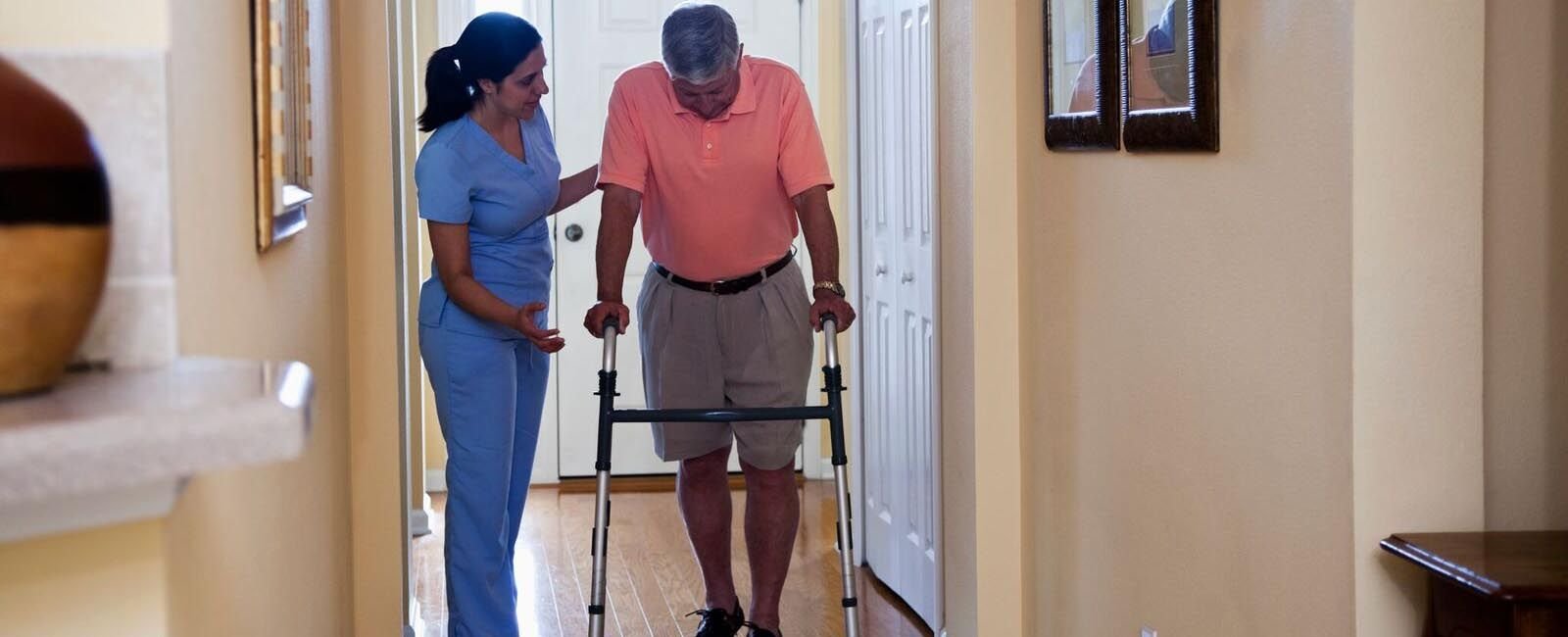
    Falling in the elderly is a serious health issue. In fact, it’s a growing health issue in our country as more adults age in place.  

    September 22, 2018, the first day of fall, is also “Falls Prevention Awareness Day.” Sponsored by the National Council on Aging (NCOA), this day alerts the public to the fact that falls are the leading cause of injury for older adults. Seniors, who have brittle bones, can sustain major injuries such as hip fractures, shoulder dislocations and even fatal head injuries.

    “Take a Stand to Prevent Falls” is this year’s theme. It is hoped that health care professionals, older adults, caregivers and family members will raise awareness and prevent falls in the aging population.

    Most falls occur at home. According to the CDC, One out of five falls causes a serious injury such as broken bones or a head injury,4,5 Each year, 3 million older people are treated in emergency departments for fall injuries. Over 800,000 patients a year are hospitalized because of a fall injury, most often because of a head injury or hip fracture.”

    Additionally, as a person gets older, their bones weaken, agility slows and stamina decreases. Sensory losses such as macular degeneration, hearing loss and balance disturbance make falls more prevalent.

    Injuries from falls reach beyond the hips, wrists, forearms, ankles and spine. Falls also cause emotional stress. When an older person falls, it is a traumatic experience. They are embarrassed and become fearful. In some cases, it may cause them to withdraw from activities, skip meals and forget to take medications.

    If you are interested in learning more about Safety Tips: In Home Safety, Community Safety & Online Safety. You’re Invited to attend an exciting event with speakers Tom Najjar & Officer Laurie Reyes on October 11 at 8:45 am at the Greater Bethesda Chamber of Commerce.

    They are teaming up to educate and empower:

    • Tips to avoid falls at home

    • Community safety tips from one of our own Montgomery County Police Officer

    • Trending online scams to avoid

    For more information click here.

    Since today is “Falls Prevention Day”, here are some tips to help prevent your elderly friend or loved one from falling:

    1. Do weight-bearing exercises

    2. Consult with your physician regarding Vitamin D and calcium levels and review your current and or new medications with your physician or pharmacist for higher risk of dizziness or motor difficulties

    3. Get your eyes checked and wear prescription glasses if needed

    4. Have regular osteoporosis screenings

    5. Utilize local food and medication delivery services

    6. Keep your home well-lit, clean and clutter-free

    7. Utilize transportations services for aging community

    8. Use walkers or devices that provide support with balance

    9. Wear comfortable shoes and avoid those without support

    10. Carry a cell phone and/or a medical alert device at all times

    Care Plus Inc. understands the risk of falls and preventing them. We help family members who need immediate attention by assessing the situation then providing guidance on the next steps. Our expert home health care team will support you in times of crisis and direct you in short term and long term planning. Contact our Gaithersburg, MD team at (301) 740-8870 or email at contact@careplus.com.   

     

  • 5 Tips to Find the Best Home Health Care Provider

    5 Tips to Find the Best Home Health Care Provider

    As the population ages, lives longer and the trend to “age in place” continues, the need for in home services are expected to grow. Finding the right fit for home health care can be challenging. As part of this thriving service industry, we have identified 5 areas that should be strong considerations when caring for your loved one.

    1. Qualified & Skilled

    Qualifications and a well-trained staff are essential to providing excellence in care. In addition, approaching the patient with empathy and understanding may impact a positive outcome for that family member. Make sure you interview and meet the team if possible before hiring.

    2. Flexible & Reliable

    Needs may change on a routine basis when aging and especially if there are medical conditions to consider. An illness, fall, surgery can disrupt the routine of daily living. So, make sure the provider can provide flexible and reliable services.

    3. Commitment & Dedication

    The aging population may require assistance during the day, evening or transitioning from hospital to home. It is a 24 hour, around the clock responsibility at times. Make sure the agency you select understands the needs of eldercare and will be committed to your family will provide the care when needed.

    4. Reputable & Community Focused

    Do your homework. Make sure the agency you select is a well- respected company, serves as providers to aging communities and leaders in the community for senior services.

    5. Specialized

    Make sure your home health care provider can manage many programs for your loved one, including: Assisted Daily Living, 24 Hour Program, Parkinson’s Program, Dementia Program, Stroke Program, 72 Hour Post Discharge Care, End of Life Support Program and Skilled Nursing Services.

    Professionals are aware of the need for change and flexibility when caring for aging seniors. The senior-care industry and home care services rely heavily on the individual caregivers.

    Caregivers should be responsive to the needs of their clients and customize their care strategy. Knowing your mom, dad or family member is safe, happy and receiving the best care to ensure positive and healthy outcomes is imperative.

    Choosing the best home health care provider for your loved one is a difficult task. Use these 5 tips to help guide your decision-making process to find the best home care health provider. Please contact CarePlus Health with any questions or concerns.

  • Home Health Care: A Celebration of Independence

    Home Health Care: A Celebration of Independence

    Summer fun in July continues… and as we reflect on how we kicked off the month celebrating America and independence. This also gives us a moment to remember our history and how important the 4th of July is to our nation and ourselves.

    Independence. The 4th of July celebrates the independence that those who live here enjoy –and protect. Living independently is a cherished part of that celebration. And, as we age, living independently can become a bit of a challenge. The desire to age in place safely has inspired not only many conversations in the community among family and friends, but a great deal of innovation as well. Anyone can age in place—but it takes a bit of forward thinking to age in place successfully

    How do you help increase the likelihood that staying in your home will provide a successful and safe experience? The National Institute on Aging (NIA), part of the National Institute of Health, identifies a key component:planning ahead

    According to the NIA thinking about future needs is a must. Will you be living alone? With a significant other? Close family or friends? Will you have health challenges? What kind of transportation will you need? The questions are endless.

    Consider both the big and little details—and then make a plan. According to the NIA here are a few things to consider:

    1. Daily Care: showering, dressing, general grooming.
    2. Home Maintenance: cleaning, laundry, yard maintenance, shoveling snow.
    3. Meals: shopping, preparing, food safety.
    4. Finances: bill paying, insurance, investments, banking, credit/debit cards.
    5. General Healthcare: doctor’s appointments, medication compliance, medical emergencies.
    6. Getting around: driving, public transportation, ride sharing.

    We recommend that Home Health Care be a consideration as well.

    Aging independently –and in your own home or in the community– is a wonderful way to continue your independence. Successful independence comes with thoughtful planning—planning  that keeps you connected with the community that you love, and safe in your home. There is no doubt that your needs will change as you age. Planning ahead for changing needs is the best gift you can give yourself, and your family. 

    Home Health Care may promote independent living for family member or loved one. We can help! Get started and request a “Care Package,” a quick assessment with tips and resources for your family. 


  • June is Alzheimer’s and Brain Awareness Month

    June is Alzheimer’s and Brain Awareness Month

    According to the Alzheimer’s Association, alz.org:

    Alzheimers’ disease affects approximately 5.7 million Americans today, 55 million of whom are over the age of 65.  It is the 6th leading cause of death (one in three adults will die from this disease) in the United States. 

    Here are a few more facts:

    • Ten percent of adults 65 or older have Alzheimer’s dementia.
    • Almost two-thirds of Americans with Alzheimer’s are women.
    • Older African-Americans are about twice as likely to have Alzheimer’s or other dementias as older whites.
    • Hispanics are about one and one-half times as likely to have Alzheimer’s or other dementias as older whites.
    • Every 65 seconds an adult in the United States is afflicted with the disease.

             For more information see alz.org

    We can expect that these numbers will grow as our country ages–in disproportionately large numbers—causing billions of dollars in healthcare costs and unpaid caregiver hours.

     At this time, Alzheimer’s disease is the only disease in the top ten list of diseases in the United States that cannot be treated or cured. This month has been designated as Alzheimer’s and Brain Awareness month to bring not only attention–but action–to fight this devastating and deadly disease.

    So, what can we do while we are waiting for a cure, vaccine or other medical intervention to prevent, stop or reverse this disease?

    According to Lisa Genova, neuroscientist and author of the book, Still Alice, the way we live influences our risk. In her April 2017 TED talk, Dr. Genova acknowledged that there is risk factors including: 50 years old or older, inherited genes, poor sleep habits and cardiovascular disease.

    She understands that while we cannot change our age or our genetic disposition, we can lower our risk through better sleep habits, exercising regularly and eating a heart healthy diet. 

    While we all know that exercise and a heart healthy diet are an important component for preventing almost all diseases, Dr. Genova adds yet another important component: strengthening neuroplasticity and cognitive reserve.  

    What is Neuroplasticity? It is the ability of the brain to develop and find multiple pathways to solve problems. Think of the brain as an intricate web of roads and streets. If one road is closed, or under construction, we need to take a different route to get to our destination. The brain will give us multiple routes if it is strong enough, it can give us resiliency when faced with a roadblock.  Dr. Genova presents a compelling look at how exercising the brain develops and maintains those multiple pathways.  Exercising the brain can strengthen our neuroplasticity and resiliency thus keeping our memories and cognitive awareness keen.  

    How do we strengthen our brain? We need to go beyond crossword puzzles and involve all our senses. Read a book, join a book club, make friends, learn to speak Italian, listen to educational seminars, take a class, do something enjoyable and unfamiliar. Learning new things rich in meaning and involving many of the senses is an ideal way to exercise the brain and have a positive impact on neuroplasticity and resiliency.

    So, go for it- try something new! Learn a new language, take up knitting, write a book, start a new hobby or take a cooking class. New experiences can keep you happy, healthy and exercise your brain.

    If you want to learn more, The Charles E Smith Life Communities, will be presenting an Evening with Lisa Genova on June 14- click here for more information.


  • May is National Stroke Awareness Month

    May is National Stroke Awareness Month

    We are fortunate to live in a time where medical discoveries are not only plentiful, but allow all of us to learn preventive strategies directly related to that research.  That is why during stroke awareness month we want to share recent information and best practices that could help minimize stroke risk, as well as address changes in lifestyle that may be helpful in decreasing your risk for a stroke.

    While we don’t have any vaccine to prevent a stroke, there are considerations we can explore to minimize the risk. The National Institute of Neurological Disorders and Stroke (part of the National Institutes of Health) provides important outreach campaigns to our communities– all focused on education and prevention. These campaigns are designed to help us all become aware of our ability to help minimize risks associated with diseases.

    Did you know that stroke and dementia could be related? And that high blood pressure increases the risk of stroke and dementia?

    Recent studies indicate a relationship between high blood pressure, some forms of dementia and stroke. Individuals at risk for stroke may suffer what is known as a “silent stroke” which may go unnoticed. These silent strokes can cause damage to the brain, and eventually impact brain function. NIH Mind Your Risk. In fact, as a result of recent studies identifying benefits from blood pressure control, the medical community is changing the norms for blood pressure intervention.

    We can minimize stroke risk by understanding our role in maintaining a healthy lifestyle. While we wait for new technologies and cutting edge research to provide new treatments, there are steps we can all take, and should take, to minimize our risk of stroke.

    These include:

    1. Control your blood pressure. Have your blood pressure checked regularly, and if your doctor prescribes medication be sure to take it exactly as prescribed.
    2. Make lifestyle changes part of your everyday routine. This includes regular exercise, healthy eating, maintaining an appropriate weight and losing weight if needed.
    3. Stop smoking. There are many cessation treatments available today to help you stop smoking, ask your doctor or your pharmacist for help.
    4. Check your cholesterol. Ask your doctor to check your numbers. Research indicates that lower cholesterol lowers your risk for a variety of health issues including stroke.
    5. Keep your diabetes under control. Diabetes is a risk factor for not only stroke, but other diseases as well.
    6. Watch your alcohol intake. It appears that an increase in alcohol also raises blood pressure, another risk factor for stroke.

    US Department of Health and Human Services/NIH/Mind Your Risks

    Start a prevention plan early and stick with it. We all have a responsibility as we age to take good care of ourselves.  

    And, remember, we are here to help. We can provide a variety of services for short or long term needs, including home health care. Learn more about our Stroke Care Program.

    Resource: US Department of Health and Human Services/NIH/Mind Your Risks

  • Staying Cognitively Active

    Staying Cognitively Active

    Can we help prevent cognitive change?

    We know that as we age, our body and brain change as well.   Every so often we might forget a name, word or birthday. While inconvenient, is it indicative of something else? Some forms of forgetting are expected, while some may signal a more significant change. Can any of these changes be prevented, or, can we slow down the changes? Research does seem to indicate that we can help slow down these changes.

    While there are quite a few risk factors for cognitive change beyond our control, there are activities that we can control that could help slow down these changes.  These activities include: eating healthy, regular exercise and consistent mental and social interactions. These lifestyle habits seem to comprise a promising strategy to prevent cognitive decline. Journal of Geriatric Medicine

    Given the continuing research into the aging brain, and the increase in our older population, we can expect more studies, research and helpful strategies to slow down these changes. So, let’s do our part and start engaging in these strategies.

    Let’s take a look at these three activities that may help a healthy brain.

    Eating Healthy

    In our March blog we discussed healthy eating and shared our tips for successful eating plans. Healthy eating is a good defense against many diseases and ailments–both physical and mental. The research continues to support the benefits of well-planned meals filled with fruits, vegetables, lean meats and fish. A Mediterranean style diet includes whole grains, legumes, fruits, vegetables, olive oil, nuts and fish. This diet continues to deliver health benefits that can: lower cholesterol, help with weight loss, improve rheumatoid arthritis, and reduce the risk for developing Alzheimer’s disease, diabetes, and various types of cancer. Harvard Medical School, Health Blog 2013.

    Regular Exercise

    After checking with your doctor, develop an exercise plan that works for you. Find a good pair of walking shoes and take that walk, attend an aerobic exercise class, enroll in a strength training program, try water aerobics or even ballroom dancing. When you get moving you find yourself feeling better, moving better and, yes, the research suggests thinking better.

    Mental and Social Interactions

    Staying Cognitively Active

    Keeping your brain active includes not only socializing with friends, but learning new skills as well. The National Institute on Aging (May 17, 2017) noted that: “engaging in meaningful activities, like volunteering or hobbies, help you feel happier and healthier.  Learning new skills may improve your thinking ability, too.” Research seems to indicate that adults who learn something new help improve their memory.  And, as it happens, April is National Volunteer month. This is a great month to offer your skills, time and expertise to help others—keep your brain active as well. And, remember there are other ways to exercise your brain: read a good book, teach a class, learn a new hobby, etc.

    So, while the evidence is still coming in, eat well, exercise often and keep your brain strong and ready with new activities and social connections –for your best future!

    And, if you need assistance, we are here to help you by providing fall prevention assistance, skilled nursing and palliative care, as well as caregivers for dementia care and other elder care needs.


  • Eat Well, Exercise Well

    Eat Well, Exercise Well

    March is National Nutrition month, sponsored by the Academy of Nutrition and Dietetics (the Academy). The Academy promotes the importance of healthy eating, and good physical habits, through education and information outreach. This year the theme is “Go Further with Food”.

    What does this mean and why is this important?

    The Academy supports what we all know– the food that you eat each day makes a difference in your health and wellbeing.  This includes thoughtful planning and shopping for food that encourages those healthy choices, while allowing the opportunity to have a more consistent healthy eating experience. 

    Did you know that shopping with healthy eating in mind, and useful leftovers for later, all contribute to a sound mind, body– and pocketbook. Eating healthy does not mean eating is more expensive. This year’s theme stresses the importance of that message.

    For 2018, the Academy has included these important points in their Go Further with Food Campaign, we have added a few tips of our own for you below:

    1. Include a variety of healthful foods from all the food groups on a regular basis.

    Our tip: March is a great time to watch the beginning of local fresh fruits and vegetables appear at farmer markets. Try adding spring seasonal produce to refresh your menus.

    2. Consider the foods you have on hand before buying more at the store.

    Our tip: If you have too much of any one type of food, or an item is going out of date soon, swap ingredients with a friend or check the Academy website for useful recipes.

    3. Buy only the amount that can be eaten or frozen within a few days, and plan ways to use leftovers later in the week.

    Our tip: If you like to take advantage of better prices, (think Costco), find a family or friend to split the quantities with you.

    4. Be mindful of portion size. Eat and drink the amount that is right for you.

     Our tip: Remember, just because a restaurant fills the plate that doesn’t mean that is your appropriate serving size.

    5. Continue to use good food safety practices.

    Our tip: Storage, cooking and keeping cooked food all require attention to best practices.

    6. Find activities that you enjoy and be physically active most days of the week.

    Our tip: Find a friend or relative to enjoy a walk and talk.

    7. Realize the benefits of healthy eating. Consult experts to help.

     Our tip: We have a variety of services to help support good nutrition – including meal preparation, grocery shopping and live in support.


    Eat & Enjoy! If you or a loved one needs support call us at (301) 740-8870 or learn more about our elder care and assisted living services.

  • Reliable Caregivers To Help Support You…

    Reliable Caregivers To Help Support You…

    There is no doubt about it, when you think of the coldest month of the year, February comes to mind.  But along with the bitter cold comes a blast of warmth and support.

    February is, after all, a month filed with care and focus on many health and wellness topics including American Heart Health Month, World Cancer Day, Random Acts of Kindness Day and National Caregivers Day.  Not to mention, for chocolate lovers and sweethearts infused in the middle, the celebration of Valentine’s Day.

    How extraordinary that all of these holidays are celebrated in the same month! There is a good reason– these holidays share a common thread—they all focus on individuals, groups and people caring for others– whether through awareness, education, outreach and/or research.

    The American Heart association and World Cancer Day remind us of the need to raise awareness for those struggling with cardiac conditions and/or battling cancer. Just around the corner is Random Acts of Kindness Day which will certainly remind us to look for opportunities to reach out and help others, just because.  Then on the 3rd Friday of the month, National Caregivers’ Day, we recognize and understand the importance of professional caregivers and honor their dedication.  

    And, if you need assistance, we are here to help you by providing fall prevention assistance, personal care, skilled nursing, as well as caregivers for dementia care and other elder care needs.

    National Caregivers Day reminds us of the importance of serving the community.

    Services Include:

    caregiver

    dementia care

    elder care

    fall prevention

    skilled nursing

    Let’s kick off February, Go Eagles, with some love and care, sorry Patriot fans!

  • Happy New Year 2018!

    Happy New Year 2018!

    Resolutions You Can Live With- Empowering Health and Wellness

    It is a New Year, and with it countless opportunities to renew, rethink and re-energize our commitments to take care of ourselves —and engage in wellness aging. After all, if you don’t do it, who will?

    In fact, The International Council on Active Aging (ICAA) provides an opportunity to rethink elder care, health, and wellness. Rather than focus on the management of disease and disorders, the concept focuses on empowering prevention and proactive strategies. The council identifies seven areas of wellness: emotional, intellectual/cognitive, physical, professional, environmental, spiritual and social.

    These seven pillars provide a strong support system for active aging. Any one, or all of them, can help you enhance your wellbeing and wellness aging. The more you try, the better!

    1. Emotional Wellbeing 

    The NIH notes that psychological wellbeing and health are closely linked as we age. Finding joy, happiness, coping with sadness/stress, and a sense of purpose provide a strong wellness component. When challenges are too great, the ability to reach out for support–with family and friends, or professionals, strengthen emotional wellness and wellbeing.

    2. Intellectual/Cognitive Engagement 

    Keeping your brain active can be fun and healthy! Try taking a class at your local senior center or community college, join a choir, learn something new, read a book, play board games (scrabble anyone?)  work on puzzles, or learn a new language. Your brain will not only appreciate the challenge, but the change of routine as well.

    3. Physical

     Check with your doctor first, and then find something that suits your style–walking, swimming, dancing, and weight bearing activities all help maintain good physical health. But wait–there’s more! Good eating habits, adequate sleep and healthy lifestyle choices support a sense of wellbeing and prolonged independence. And quite frankly, you just feel better. If you are unsure where to start–try your local YMCA, senior center or a community fitness center focused on intergenerational classes. 

    4. Professional

    Working? Volunteering? Stay engaged as long as you feel you can. Retirement is the perfect time to try new skills. Paid and unpaid work can provide a sense of accomplishment, socialization, and a wonderful contribution to the community.  The expertise and knowledge you share can be invaluable — and even life changing– to others. 

    5. Environmental

    Connecting with the environment–taking a walk, growing a garden, enjoying a walk in the park, recycling and respecting the planet all contribute to a sense of a connected wellbeing and purposeful sense of stewardship.

    6. Spiritual

    Whether it is personal, group, mindfulness, mediation or any form of connecting and strengthening your personal moral compass, research suggests a strong wellness benefit connection leads to better health.

    7. Social

    Social interactions are a key component to better health and wellness. Engaging in enjoyable activities with others—family, friends, volunteering and working support good emotional and physical health. The National Institute on Aging points to research that supports a “strong correlation between social interaction and health and well-being”.  Find time each day to connect with others to increase better health and wellness.

    So—welcome 2018 with the resolution to try some, or better yet all, of the above Seven Wellness Pillars. We know we will!

    Blog Sources: The National Institute of Health, National Institute on Aging, and the International Council on Active Aging.

  • Older Driver Safety Week

    Older Driver Safety Week

    The American Occupational Therapy Association has designated the week of December 4-8 as Older Driver Safety Awareness Week. 

    Why have a week dedicated to specifically to older drivers? Because adults over the age of 65 represent 40.1 million licensed drivers (National Highway Safety Administration).  According to the Center for Disease Control and Prevention, more than 6,800 older adults were killed in traffic accidents, while over 260,000 older adults were sent to emergency rooms for treatment. As the number of older adults continues to grow, so will these numbers.

    That’s why this week—older driver safety week– is so important. We all know people of different ages who should not be driving, but that is very different from asking someone who just turned 65 to turn in their drivers’ license.  

     Driving is not always about age—it is also about ability. What does that mean? It means that determining whether one should be driving depends on an assessment of health issues and medications. (Senior Driving, American Automobile Association).  Physical and mental health issues, as well as medications will impact not only the driver, but the safety of everyone else on the road. All drivers are responsible for maintaining good physical and mental health for the safety of others, and if they want to help extend their driving years.

    What can you do? The AAA recommends:

    1.     Keep yourself physically and mentally challenged. Take exercise classes, walk with friends, stay socially active, and keep your brain engaged.

    2.     Sign up for older adult driver classes. There are a variety of classes available in the community that offer driving courses specifically for seniors. These classes provide the opportunity to keep driving skills fresh, learn about the implications of medications and driving, review safe driving tips, implement comfort tips behind the wheel, and understand which physical changes affect driving.

    3.     Make sure your car is in good condition, and has the latest safety features. New features can help you parallel park, alert you when a car is close by, and provide backup cameras for greater visual awareness.

    4.     Know your options when it is time to drive less often, or stop driving entirely. There are many transportation choices to help keep you socially active and engaged. Learn what they are before you need them.

    And–watch out for self-driving cars! Probably the most exciting innovation we will see within five years will be driverless cars, expanding choice and independence for everyone.

    Remember, keeping our roads safe is everyone’s responsibility. We all have a responsibility to be safe drivers, and use other transportation options when our abilities change.

    Stay safe out there!