Author: Tom Najjar

  • Elder Care, Assisted Daily Living, and Aging in Place

    Elder Care, Assisted Daily Living, and Aging in Place

    You may have begun to wonder if your older loved one needs professional elder care. They often don’t answer the phone, even when you’re certain they’re home, and when they do, they seem confused. They miss medications and doctor’s appointments. They don’t seem to cook much anymore, and they leave dishes in the sink too long.

    If you work or you don’t live with your loved one, you may not feel that it’s safe for them to spend too much time alone. And if you’re there most of the time, there may be limits to what you can do yourself. What will it be like to have people outside of the family inside your loved one’s home? How can you prepare?

    There’s a lot you can do to make daily life safer and healthier for your loved one while you research elder care options. Spring is a great time to start house cleaning and home renovations that will make it safe for your loved one to move around the house.

    1. Clear the way for your loved one to move. Ensure that there’s a 36-inch passage through all parts of the house. Both outside and inside doors should open all the way. Talk to your loved one about decluttering and discuss respectfully anything you think is ready to go.
    2. Help prevent falls. Secure rugs with non-slip pads or double-sided rug tape. Make sure all entryways, passages, rooms, and the garage are properly lighted. Make sure that all handrails are secure, and have second railings installed on the stairways. Have grab bars professionally installed near the toilet and in the shower or tub, install non-slip strips, and remove soap build-up frequently. Check out agencies in your area to see if there’s a fall prevention class, and talk to your loved one about taking them to it so that they can be more independent about ensuring their own safety. The Mayo Clinic provides simple tips to prevent falls as well.
    3. If cluttering has turned to hoarding, get professional help (also available at CarePlus). Hoarding is an illness that is not helped by throwing everything away.
    4. Prepare for emergencies. Place a lamp and a telephone near the bed. At least one window, as well as the door, in every room, should be easily reachable in case of fire.
    5. Do a reality check about driving. If your loved one still drives and you’re doubtful, talk about changes in their driving skills. Are they reluctant to drive at night or on the highway? Are they no longer comfortable making left turns? If a discussion or a doctor’s visit suggests that it’s getting time for them to give up driving, help them plan ahead. What transportation is available and which do they prefer? How will they get to each place they need to go?

    Once you’ve done all you can, professional home care providers can help with daily chores. Consider home care. It allows your loved one to continue living the life they want in their own home and provides an additional source of emotional support.

    1. For an older loved one who is still ambulatory, a home care provider will make the meals, wash the dishes, tidy the house—removing obstacles and reducing the risks of falling—do laundry and other light house cleanings, remind your loved one when it’s time to take medications and drive them to appointments, grocery stores, and social activities.
    2. Some care providers can help your loved one with strength, stamina, and range of motion exercises that will help them stay stronger, longer.

    Your loved one may need more advanced assisted living services and physical support to remain at home.

    1. Home care can include helping your loved one eat, as well as preparing the meal, helping them in and out of bed or lifting them to change position in bed, bathing and dressing them, and assisting with difficult issues like incontinence.
    2. Agencies like CarePlus, Inc. can expand all these services into 24-hour assistance. Staying overnight in your loved one’s home allows caregivers to respond to sundowning episodes and track changes in thinking or behavior.

    Turning this work over to professionals actually gives your older loved one more dignity and clears the way for you and your loved one to focus on the personal relationship rather than practicalities.

    CarePlus, Inc. has been providing excellent home-based elder care services to Montgomery County and the surrounding area for the past 20 years. We take pride in the highly trained, trustworthy and compassionate caregivers who work with us. Contact us for more information!
  • Putting Families First: Parkinson’s Care Program

    Putting Families First: Parkinson’s Care Program

    Your loved one has been living with Parkinson’s or Parkinson’s + Dementia, CarePlus can help.

    Our client Roxanne J. shares about the assistance Tom provided in managing her life before Parkinson’s. In addition, she shares her gratitude for the caregivers at CarePlus Home Health in helping manage her activities of daily living after her onset of Parkinson’s.


    Roxxane J: “Tom, I think the most value that you have brought to me was that I worked with your personal trainer. I was able to lose 30 pounds and 30 points off my diastolic numbers in just about a year and a few months. That was the best thing that happened for me. But you’ve been very friendly and made me feel welcome in your office. And I have appreciated all that you’ve done in making sure that I was safe. Now, I’ve had an illness which requires quite a bit of help. I’ve had people like, Ummi, and others come into my apartment and help me do laundry, changing of sheets. And also, now you are bringing me my medications two times a day. And that has made me very healthy again. I am very happy with what has happened with my progress in such a short time and it is all because of CarePlus’ attention.”

    At CarePlus Home Health Inc., home care is our passion.  At CarePlus we recognize all our clients and value the importance of the service we provide. It is imperative to make the right fit for your family.  For the past 20 years, we have provided our clients in Montgomery County, MD and the surrounding areas with excellence, compassion and understanding. Our mission, to provide professional, compassionate care to individuals, while maintaining their independence and quality of life, in their home or community settings.

    If you are interested in learning more about our home care services including:  assisted daily living services,  bathing, companionship, dressing, exercises, grocery shopping, housekeeping/laundry and live-in support – please contact us at (301) 740-8870 or info@careplusinc.com.

  • Putting Families First: Dementia Care Program

    Putting Families First: Dementia Care Program

    Our Dementia Care Program offers a wide range of care services for loved ones who have forgetfulness and who are confused and tend to wander. 

    Sandra H., shares about the many ways the different caregivers at Care Plus Home Health have been extremely helpful in assisting with all of her activities of daily living.

    “I’ve had multiple caregivers and right now Jane is my last one, and she’s been very good to me. I had somebody else but I can’t even remember what her name is because like I said, I’m very forgetful. She remembers. She cooks. She does some cleaning for me. She keeps me honest.”

    At CarePlus Home Health Inc., home care is our passion.  At CarePlus we recognize all our clients and value the importance of the service we provide. It is imperative to make the right fit for your family.  For the past 20 years, we have provided our clients in Montgomery County, MD and the surrounding areas with excellence, compassion and understanding. Our mission, to provide professional, compassionate care to individuals, while maintaining their independence and quality of life, in their home or community settings.

    If you are interested in learning more about our home care services including:  assisted daily living services,  bathing, companionship, dressing, exercises, grocery shopping, housekeeping/laundry and live-in support – please contact us at (301) 740-8870 or info@careplusinc.com.

  • Putting Families First: 24 Hour Programs for Montgomery County Seniors

    Putting Families First: 24 Hour Programs for Montgomery County Seniors

    Who’s going to care for your loved one around the clock? CarePlus is here to help.

    Our 24 Hour Care Program provides care for individuals who need around the clock care.

    Guy B. shares his experience at CarePlus Home Health:

    “I’m living here and my wife is here with me. She’s ill and she’s being taken care of by CarePlus, which I’m very happy about. They have done such an outstanding job for me since I was here.

     I’ve had my wife in two or three different places, to be taken care of and they never took care of her like you folks do. So I’m just excited about the fact that she’s happy and she seems to be getting along. This disease she has, mental disease, is not curable but she seems to be happy in her whereabouts and so that makes me happy.

    My life has changed ever since I came into your care, with CarePlus. It’s made me realize that there are decent people around who can take care of sick people and do a fantastic job like you do.”

    At CarePlus Home Health Inc., home care is our passion.  At CarePlus we recognize all our clients and value the importance of the service we provide. It is imperative to make the right fit for your family.  For the past 20 years, we have provided our clients in Montgomery County, MD and the surrounding areas with excellence, compassion and understanding. Our mission, to provide professional, compassionate care to individuals, while maintaining their independence and quality of life, in their home or community settings.

    If you are interested in learning more about our home care services including:  assisted daily living services,  bathing, companionship, dressing, exercises, grocery shopping, housekeeping/laundry and live-in support – please contact us at (301) 740-8870 or info@careplusinc.com.


  • Putting Families First: Home Care Assisted Daily Living for Gaithersburg Seniors

    Putting Families First: Home Care Assisted Daily Living for Gaithersburg Seniors

    Home care services may include assisted daily living, advanced care and special programs for families who have a family in need. The trend in care for independent living and aging in place, is to provide compassionate, responsive and dependable care for seniors in their home. 

    The U.S. Centers for Disease Control and Prevention defines aging in place as “the ability to live in one’s own home and community safely, independently, and comfortably, regardless of age, income, or ability level. It is the trend as many seniors prefer staying in their home where it is safe, familiar and comfortable.”    

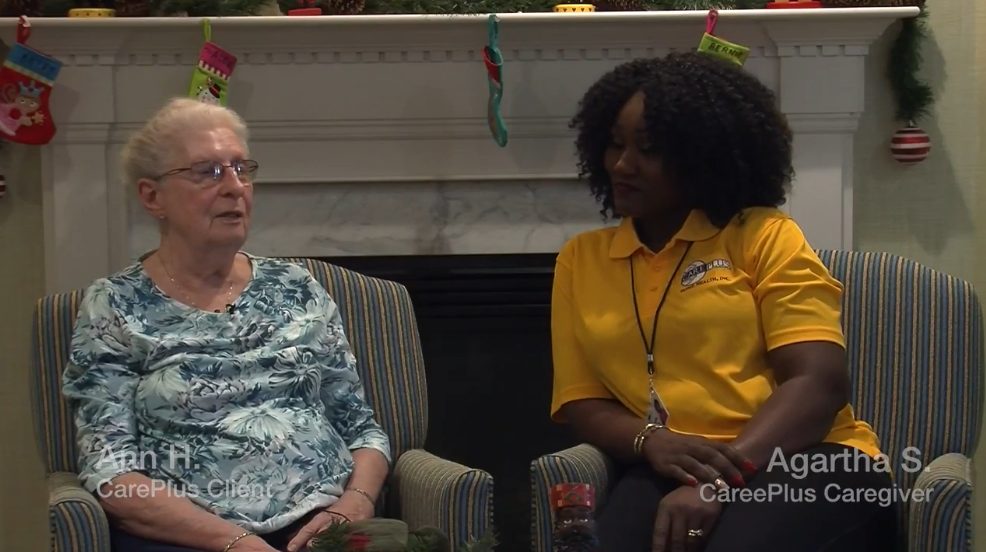
    Our own home care resident, Ann Hill, shares her feedback.

    “My name is Ann Hill. Agartha is my aide, and she is very, very helpful. I really like working with her. She’s pleasant, and helpful, and does many things for me such as: give me a shower, do the laundry, clean up the bathroom.”

    At CarePlus Home Health Inc., home care is our passion.  At CarePlus we recognize all our clients and value the importance of the service we provide. It is imperative to make the right fit for your family.  For the past 20 years, we have provided our clients in Montgomery County, MD and the surrounding areas with excellence, compassion and understanding. Our mission, to provide professional, compassionate care to individuals, while maintaining their independence and quality of life, in their home or community settings.

    If you are interested in learning more about our home care services including:  assisted daily living services,  bathing, companionship, dressing, exercises, grocery shopping, housekeeping/laundry and live-in support – please contact us at (301) 740-8870 or info@careplusinc.com.


  • Alzheimer’s and Dementia Care

    Alzheimer’s and Dementia Care

    In 1983 President Ronald Reagan established November as Alzheimer’s Awareness month. At that time, there were approximately two million people suffering from the disease. Today that number is over five million and growing. It was hoped that by devoting awareness to this devastating disease there would be an increase in research, education, collection of data and valuable information for those who suffer from the disease, treat the disease and care for those with the disease. While much has been looked at, there is still much to be done. 

    The Alzheimer’s Association (Alz.org) provides the following compelling facts and figures about the magnitude and impact of this disease:

    1. Alzheimer’s disease is the 6th leading cause of death in the United States.
    2. 16.1 million people provide unpaid care for people with Alzheimer’s or other dementias.
    3. 18.4 billion hours of care are provided by unpaid caregivers. 
    4. Between 2000 and 2015 there was a 123% increase in those with Alzheimer’s disease. 
    5. If Alzheimer’s could be diagnosed accurately and early enough, medical and care cost savings could total up to 7.9 billion dollars. 

    While the cost to society is great and continues to grow rapidly, those with the disease –and their families and caregivers —will continue to fight the disease each and every day. They are joined in their fight by researchers, medical professionals and ever changing technology. For more information:

     https://www.nia.nih.gov/about/advances-alzheimers-disease-related-dementias-research 

    While waiting for research and a cure, education and early intervention remain crucial.

    Learning the signs of Alzheimer’s can increase and improve better outcomes.

    The National Institute on Aging/National Institute of Health notes that a person, while healthy may have more difficulty navigating a complex world and has several symptoms that should be not be overlooked. Some of the symptoms may include:

    1. Memory Loss that impacts day to day activities
    2. Poor Judgement leading to inappropriate decisions
    3. Loss of spontaneity and sense of initiative
    4. Repeating Questions
    5. Difficulty handling financial affairs
    6. Losing a sense of direction, getting lost, trouble with time
    7. Losing or misplacing items
    8. Mood and personality changes, changes in social activities
    9. An increase in anxiety and aggression

    Consult a medical professional if you, or your loved one might be experiencing some of the above symptoms. 

    Are there opportunities to reduce the risk of Alzheimer’s disease? According to the Mayo Clinic, while there is no conclusive evidence, there are indicators of several things that can be done to reduce the risk of developing the disease.

     Improve overall health. While research has not confirmed these strategies will prevent Alzheimer’s, the Mayo Clinic suggests these good health practices:

    1. Avoid smoking.
    2. Control vascular risk factors–including high blood pressure, high cholesterol and diabetes.
    3. Eat a well-balanced diet (consider the Mediterranean diet as mentioned above), including plenty of vegetables, fruits, lean protein and protein that includes omega-3 fatty acids.
    4. Stay physically and socially active. Start an exercise program (check with your doctor first) if you are not already exercising regularly.
    5. Practice good mental health. Engage in reading, socializing, take courses, practice stress reduction, etc.
    6. Use thinking (cognitive) skills such as memory skills.

    https://www.mayoclinic.org/diseases-conditions/alzheimers-disease/expert-answers/alzheimers-prevention/faq-20058140

    Alzheimer’s is one of the most challenging diseases of our time. It can not only affect your loved one, but the entire family and those who provide care. During the month of November reach out for more information and awareness about Alzheimer’s disease. CarePlus is here to help—with support groups, experienced caregivers, expert advice and our caring professionals are here to help you each step of the way. Learn more about our Dementia Program here. We look forward to hearing from you. 

  • Home Health Care: High Standards and Quality of Care

    Home Health Care: High Standards and Quality of Care

    The famous “Baby Boom” that began in 1946 and ended in 1964, brought to the country a generation of citizens who led the way in technology, medicine, manufacturing, civil rights, culture and the arts. This generation made historic progress that has benefited the world. Now, millions of these same citizens are senior citizens. After a lifetime of work and raising a family, they are a generation that is living longer and aging in place.

    That has brought another boom: A trend in home health care.

    According to www.seniorliving.org, there are 78 million baby boomers who now need some form of basic home health care. They want to age in place but may require some assistance. Ninety percent, “90% of seniors want to stay in their homes as long as possible”. There is comfort in aging in place and having routines as well as the emotional security. However, physical limitations and some accommodations need to be made to safely age in place. There are many resources in the community, training programs and associations that provide support for agencies and families. The Home Care Association of America (HCAOA) whose mission, “enhances the strength and professionalism of private duty home care providers through education and best practices.”. Tom Najjar, Founder of CarePlus had the opportunity to experience and be part of the Home Care Association of America Congressional Lobby Day visiting our local Senators and Congressmen to raise awareness regarding senior issues. By working collaboratively, we can educate, motivate and provide excellence in care to the aging community.

    Other great resources worth mentioning are the Family Caregiver Alliance (FCA), a National Center on Caregiving. There are also local organizations such as GROWS , a Grass Roots Organization for the Well-being of Seniors. Montgomery County also provides resources on their senior site. Check it out- we are on page 59.  There are so many wonderful resources out there providing support for families and caregivers.

    The baby boomer generation contributed greatly to our society and we now have the opportunity to give back by providing the highest quality care as they age in place.

    Quality home health care is an essential component for an elder care agency.  Other attributes including patience, compassion, flexibility, and trust will make a difference as well.

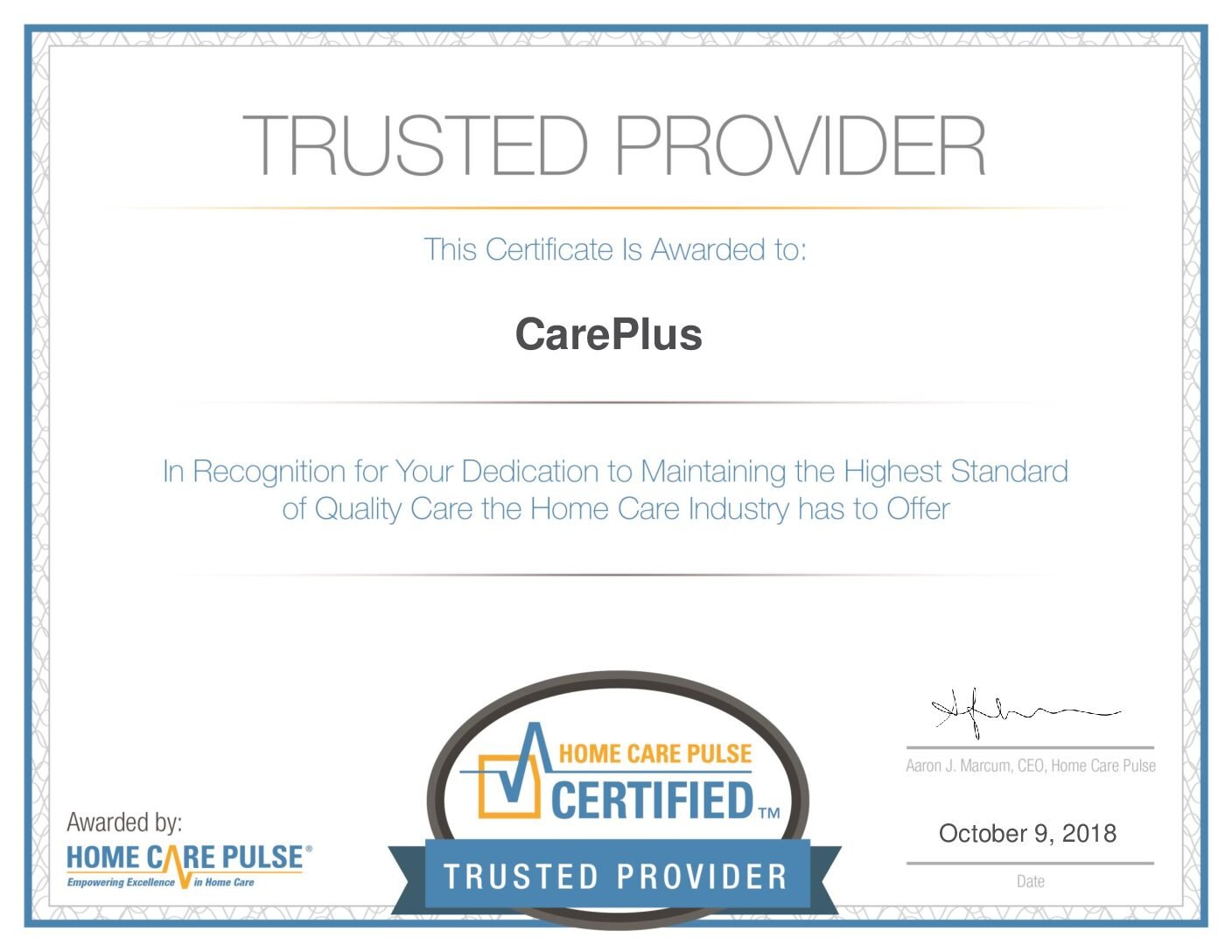
    We are proud to announce that Care Plus Home Health, Inc. is the recipient of the “Trusted Provider Award” from Home Care Pulse, in October 2018. This award is in recognition of our “dedication to maintaining the highest standard of quality care the home care industry has to offer.” We are proud to receive this prestigious award in the home health care industry.

    Care Plus, Inc. has an experienced and licensed home health care team that provides compassionate, efficient, patient-centered services. Please contact our professional support team for more information or a consultation. Our Gaithersburg, MD team can be reached at (301) 740-8870 or info@careplusinc.com.

  • Fall Prevention

    Fall Prevention

    Falling in the elderly is a serious health issue. In fact, it’s a growing health issue in our country as more adults age in place.  

    September 22, 2018, the first day of fall, is also “Falls Prevention Awareness Day.” Sponsored by the National Council on Aging (NCOA), this day alerts the public to the fact that falls are the leading cause of injury for older adults. Seniors, who have brittle bones, can sustain major injuries such as hip fractures, shoulder dislocations and even fatal head injuries.

    “Take a Stand to Prevent Falls” is this year’s theme. It is hoped that health care professionals, older adults, caregivers and family members will raise awareness and prevent falls in the aging population.

    Most falls occur at home. According to the CDC, One out of five falls causes a serious injury such as broken bones or a head injury,4,5 Each year, 3 million older people are treated in emergency departments for fall injuries. Over 800,000 patients a year are hospitalized because of a fall injury, most often because of a head injury or hip fracture.”

    Additionally, as a person gets older, their bones weaken, agility slows and stamina decreases. Sensory losses such as macular degeneration, hearing loss and balance disturbance make falls more prevalent.

    Injuries from falls reach beyond the hips, wrists, forearms, ankles and spine. Falls also cause emotional stress. When an older person falls, it is a traumatic experience. They are embarrassed and become fearful. In some cases, it may cause them to withdraw from activities, skip meals and forget to take medications.

    If you are interested in learning more about Safety Tips: In Home Safety, Community Safety & Online Safety. You’re Invited to attend an exciting event with speakers Tom Najjar & Officer Laurie Reyes on October 11 at 8:45 am at the Greater Bethesda Chamber of Commerce.

    They are teaming up to educate and empower:

    • Tips to avoid falls at home

    • Community safety tips from one of our own Montgomery County Police Officer

    • Trending online scams to avoid

    For more information click here.

    Since today is “Falls Prevention Day”, here are some tips to help prevent your elderly friend or loved one from falling:

    1. Do weight-bearing exercises

    2. Consult with your physician regarding Vitamin D and calcium levels and review your current and or new medications with your physician or pharmacist for higher risk of dizziness or motor difficulties

    3. Get your eyes checked and wear prescription glasses if needed

    4. Have regular osteoporosis screenings

    5. Utilize local food and medication delivery services

    6. Keep your home well-lit, clean and clutter-free

    7. Utilize transportations services for aging community

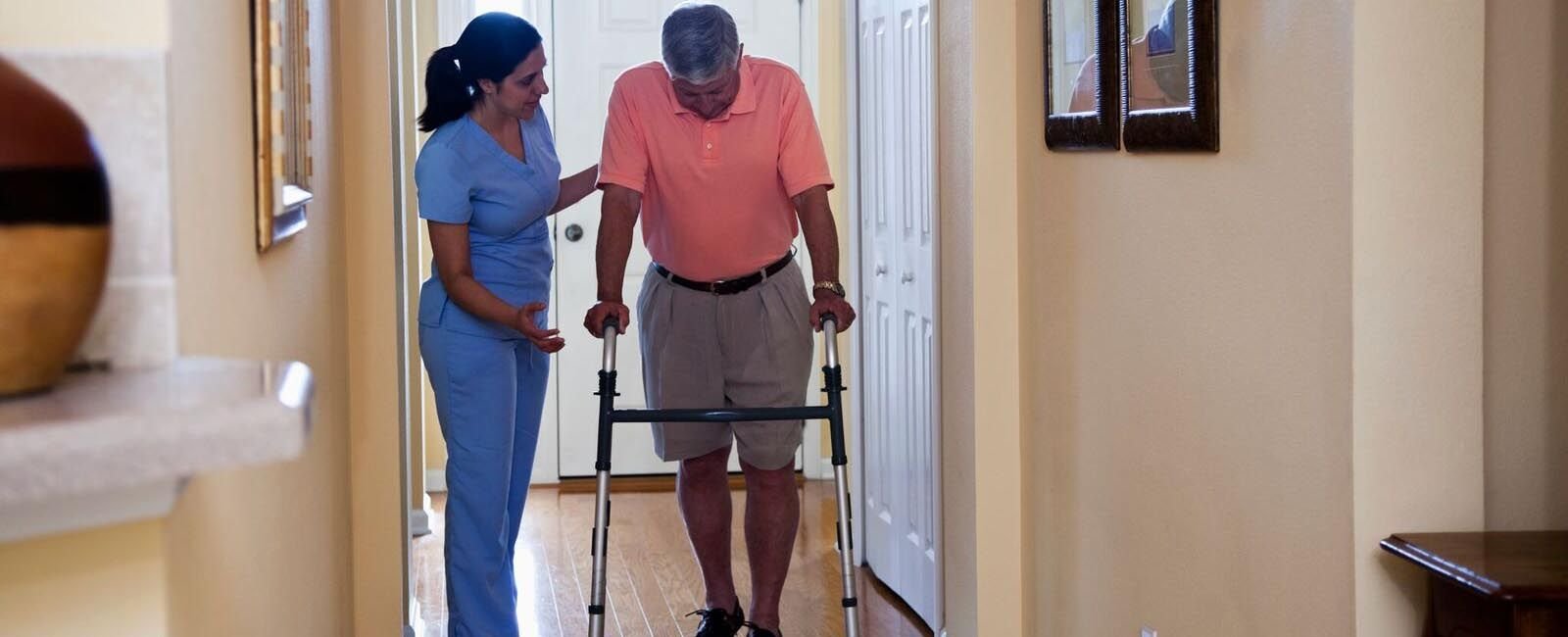
    8. Use walkers or devices that provide support with balance

    9. Wear comfortable shoes and avoid those without support

    10. Carry a cell phone and/or a medical alert device at all times

    Care Plus Inc. understands the risk of falls and preventing them. We help family members who need immediate attention by assessing the situation then providing guidance on the next steps. Our expert home health care team will support you in times of crisis and direct you in short term and long term planning. Contact our Gaithersburg, MD team at (301) 740-8870 or email at contact@careplus.com.   


  • 5 Tips to Find the Best Home Health Care Provider

    5 Tips to Find the Best Home Health Care Provider

    As the population ages, lives longer and the trend to “age in place” continues, the need for in home services are expected to grow. Finding the right fit for home health care can be challenging. As part of this thriving service industry, we have identified 5 areas that should be strong considerations when caring for your loved one.

    1. Qualified & Skilled

    Qualifications and a well-trained staff are essential to providing excellence in care. In addition, approaching the patient with empathy and understanding may impact a positive outcome for that family member. Make sure you interview and meet the team if possible before hiring.

    2. Flexible & Reliable

    Needs may change on a routine basis when aging and especially if there are medical conditions to consider. An illness, fall, surgery can disrupt the routine of daily living. So, make sure the provider can provide flexible and reliable services.

    3. Commitment & Dedication

    The aging population may require assistance during the day, evening or transitioning from hospital to home. It is a 24 hour, around the clock responsibility at times. Make sure the agency you select understands the needs of eldercare and will be committed to your family will provide the care when needed.

    4. Reputable & Community Focused

    Do your homework. Make sure the agency you select is a well- respected company, serves as providers to aging communities and leaders in the community for senior services.

    5. Specialized

    Make sure your home health care provider can manage many programs for your loved one, including: Assisted Daily Living, 24 Hour Program, Parkinson’s Program, Dementia Program, Stroke Program, 72 Hour Post Discharge Care, End of Life Support Program and Skilled Nursing Services.

    Professionals are aware of the need for change and flexibility when caring for aging seniors. The senior-care industry and home care services rely heavily on the individual caregivers.

    Caregivers should be responsive to the needs of their clients and customize their care strategy. Knowing your mom, dad or family member is safe, happy and receiving the best care to ensure positive and healthy outcomes is imperative.

    Choosing the best home health care provider for your loved one is a difficult task. Use these 5 tips to help guide your decision-making process to find the best home care health provider. Please contact CarePlus Health with any questions or concerns.

  • Home Health Care: A Celebration of Independence

    Home Health Care: A Celebration of Independence

    Summer fun in July continues… and as we reflect on how we kicked off the month celebrating America and independence. This also gives us a moment to remember our history and how important the 4th of July is to our nation and ourselves.

    Independence. The 4th of July celebrates the independence that those who live here enjoy –and protect. Living independently is a cherished part of that celebration. And, as we age, living independently can become a bit of a challenge. The desire to age in place safely has inspired not only many conversations in the community among family and friends, but a great deal of innovation as well. Anyone can age in place—but it takes a bit of forward thinking to age in place successfully

    How do you help increase the likelihood that staying in your home will provide a successful and safe experience? The National Institute on Aging (NIA), part of the National Institute of Health, identifies a key component:planning ahead

    According to the NIA thinking about future needs is a must. Will you be living alone? With a significant other? Close family or friends? Will you have health challenges? What kind of transportation will you need? The questions are endless.

    Consider both the big and little details—and then make a plan. According to the NIA here are a few things to consider:

    1. Daily Care: showering, dressing, general grooming.
    2. Home Maintenance: cleaning, laundry, yard maintenance, shoveling snow.
    3. Meals: shopping, preparing, food safety.
    4. Finances: bill paying, insurance, investments, banking, credit/debit cards.
    5. General Healthcare: doctor’s appointments, medication compliance, medical emergencies.
    6. Getting around: driving, public transportation, ride sharing.

    We recommend that Home Health Care be a consideration as well.

    Aging independently –and in your own home or in the community– is a wonderful way to continue your independence. Successful independence comes with thoughtful planning—planning  that keeps you connected with the community that you love, and safe in your home. There is no doubt that your needs will change as you age. Planning ahead for changing needs is the best gift you can give yourself, and your family. 

    Home Health Care may promote independent living for family member or loved one. We can help! Get started and request a “Care Package,” a quick assessment with tips and resources for your family.