Author: Tom Najjar

  • How In-Home Care Supports Senior Nutrition and Healthy Aging

    How In-Home Care Supports Senior Nutrition and Healthy Aging

    March is National Nutrition Month, a perfect time to focus on the importance of healthy eating for older adults. As we age, nutrition plays a key role in maintaining energy, preventing illness, and supporting overall quality of life. But eating well isn’t always easy. That’s where in-home care steps in.

    The Challenges of Eating Well as We Age

    Older adults often face challenges that make it harder to eat healthy meals consistently. These can include:

    • Limited mobility or physical strength to cook or shop
    • Changes in taste, appetite, or dental health
    • Chronic conditions or medications that affect digestion or energy
    • Feelings of loneliness that reduce interest in meals

    Even with the best intentions, seniors may skip meals or rely on convenience foods that lack key nutrients like calcium, vitamin D, and protein.

    How CarePlus Helps Seniors Eat Well at Home

    For over 30 years, CarePlus has provided compassionate home care in Montgomery County and surrounding areas. Our trained caregivers help older adults enjoy nutritious meals and maintain independence right at home.

    Meal Prep & Grocery Support

    Our caregivers can assist with:

    • Grocery shopping for nutrient-rich foods
    • Meal planning and preparation
    • Encouraging hydration throughout the day
    • Ensuring regular, balanced meals
    • Helping with safe food storage and kitchen cleanup

    This daily support helps seniors get the nutrients they need without the stress.

    Nutrition as a Part of Total Wellness

    CarePlus caregivers are part of a broader wellness approach. Through our Flex Care Program, we support independent living with tailored services, including meal prep, medication reminders, and companionship during meals.

    Supporting Health, One Meal at a Time

    Eating well fuels healthy aging. It supports strong muscles, better immunity, and a happier, more energized life. If you or a loved one needs support with nutrition at home, CarePlus is here to help, whether it’s a few hours a week or round-the-clock care.

    For more tips on senior nutrition, visit the National Institute on Aging.

  • The Key to Aging In Place is Awareness

    The Key to Aging In Place is Awareness

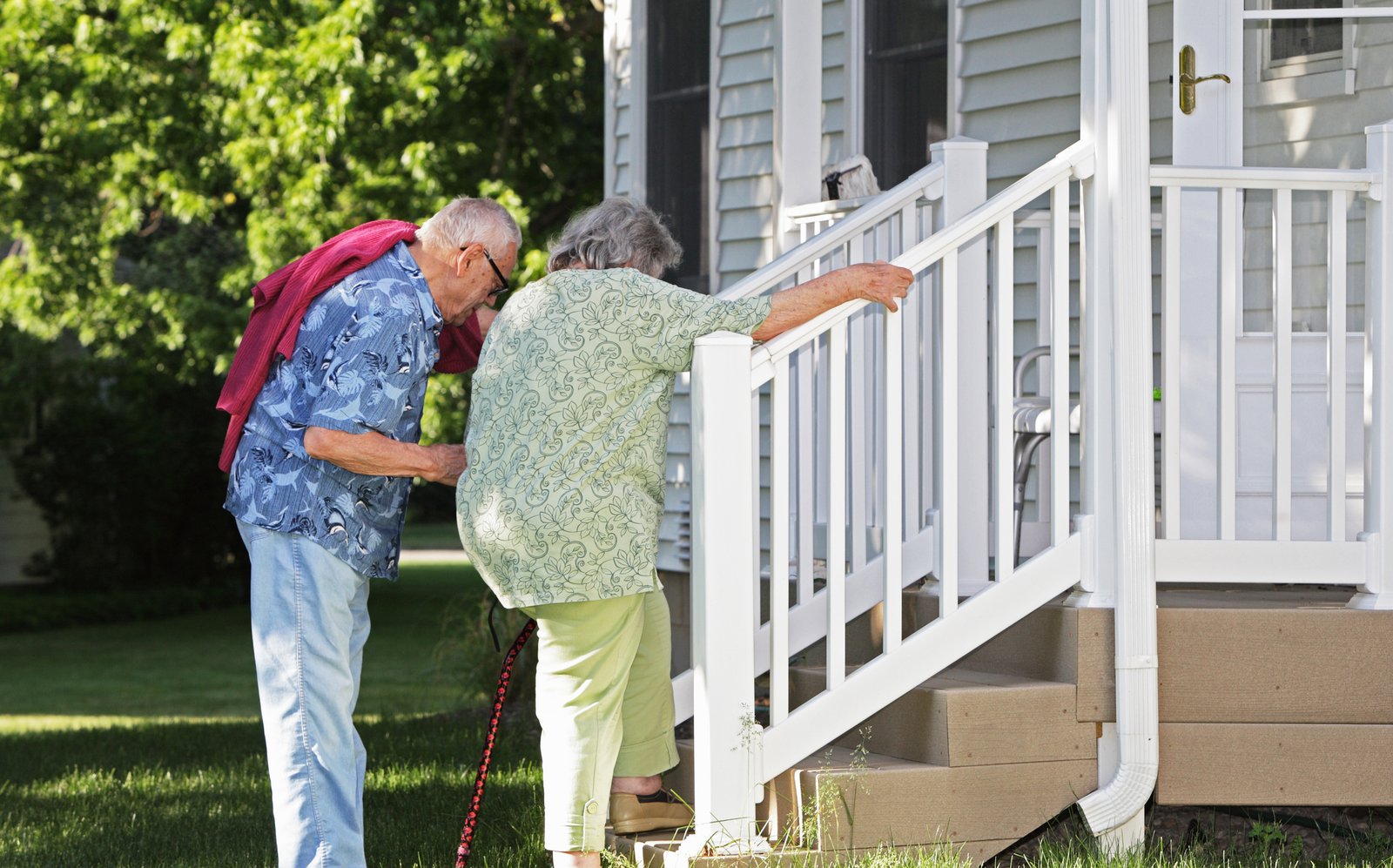
    A lifetime of memories builds up in a home, and people often prefer growing old where they raised their children and hope to spend time with the next generation. This rosy vision doesn’t always pan out when the challenges of aging arise, prompting older adults and their children to consider key factors such as home layout, health, and help available. These concerns could mean the difference between staying in the family home or making a late-in-life move.

    Look at the Layout

    Those doorframes with height lines are not the only legacy aspects of a family home. Most of the house was organized when young, strong adults moved in, and rearrangements were probably made to accommodate growing children. Aging in place requires a different design approach, including:

    • Cupboards need to be reorganized to make regularly used items more accessible. For example, cabinets that require a long reach or a stepladder should be avoided.
    • Furniture should be situated to allow easy circulation.
    • Clutter reduction can help make it easier to maintain cleanliness, which is safer for both balance and health.
    • Accessibility may include some minor remodeling (e.g., grab bar installation).

    The key is to identify safety, needs, access, and comfort for an older person with some infirmities. Additional reorganization may be needed for those with memory issues or other specific conditions.

    Healthy at Home

    Day-to-day living is a challenge for people with health concerns. Weakened physiques from heart conditions, arthritis, or osteoporosis may make it more difficult to manage household upkeep. Chores like cleaning, tidying, and grocery shopping require strength. An inability to keep up with these activities can lead to an unhealthy living environment, exacerbating the problem.

    Living in the family home has potential health impacts that increase over time.

    • Medications add up, and older adults often have a pharmacopeia to manage, and arthritis or memory issues can prevent the regular dosage most medicines require.
    • Appointments for medical visits can be difficult to get to when older eyes and reflexes should avoid driving, yet they are even more critical to attend.
    • Isolation becomes increasingly dangerous as people age, since mental health is impacted by loneliness, and minor accidents can be fatal.
    • Activity as simple as going for a walk requires more effort for a person impaired by health issues, but regular exercise, fresh air, and sunlight can promote well-being.
    • Daily Living becomes progressively harder with age, necessitating assistance with tasks such as dressing, hygiene, and cooking.

    Help is Available

    Despite the challenges, knowledge is power. Whether it’s a family member or home healthcare service, having support can make aging in place more feasible. Being strategic and proactive can allow an older person to live a safe and happy life in their home. CarePlus Home Health has been providing a comprehensive range of services customized to meet the needs of its clients in Montgomery County for 30 years. For its contributions to the community, CarePlus is the recipient of the Large Business of the Year award with the Greater Rockville Chamber of Commerce for 2024. Contact us today by calling 301-740-8870.

  • Stroke Awareness-Stay Safe

    According to the National Institutes of Health, “Each year in the United States, there are more than 800,000 strokes.”

    Strokes are the fifth leading cause of death in the United States, according the Centers for Disease Control. More than any other disease a stroke can cause serious, long-term disabilities. The American Heart Association Stroke Council (ASC) says that stroke victims are vulnerable to repeat strokes.

    CarePlus Home Health would like to offer you a few tips on how to recognize stroke-like symptoms and the necessary steps to take to reduce the risk of having a stroke.

    What is a Stroke?

    When a major blood vessel in the brain is either blocked by a clot or bursts, a portion of the brain cannot get the blood it needs, causing brain cells to die.

    This is a stroke.

    What Causes a Stroke?  

    The two-most common types of strokes are hemorrhagic and ischemic.

    • A hemorrhagic stroke occurs when a weakened blood vessel in the brain ruptures. High blood pressure is the most common cause of a hemorrhagic stroke.
    • An Ischemic stroke occurs when a blood vessel supplying blood to the brain is obstructed. According to the ASC, ischemic strokes account for 87% of all strokes.

    When a person has a stroke, depending on where in the brain the stroke occurs, the part of the body controlled by that part of the brain cannot function. Short of death, strokes can cause paralysis, loss of vision, memory loss as well as other possible outcomes – some of which are irreversible.

    Remember to ACT FAST!

    Medical intervention is needed as quickly as possible when experiencing stroke symptoms.

    According to the Mayo Clinic, an ischemic stroke requires specific pharmaceuticals to break up the clot in the brain; medication should be administered “within 4.5 hours from when symptoms first started if given intravenously.

    The sooner a stroke patient is treated with medication, the better. Quick medical treatment may not only improve a stroke victim’s chances of survival, additional medical complication may be avoided.

    According to the Centers for Disease Control, the acronym F-A-S-T can help you remember stroke symptoms.

    F = Face drooping: Ask the person to smile. Does one side droop?

    A = Arm weakness: Ask the person to raise both arms. Does one arm drift downward?

    S = Speech difficulty: Ask the person to repeat a simple sentence. Are their words slurred?

    T = Time to call 9-1-1: If the person shows any of these signs, call 9-1-1 immediately. Stroke treatment can begin in the ambulance.

    Additional stroke symptoms include dizziness; loss of balance or coordination; trouble walking; problems seeing out of one or both eyes; severe headache; numbness of the face; and sudden confusion or trouble understanding others.

    Keeping in mind the FAST signs (see above), it is imperative contact emergency services as soon as possible if you or someone else displays any stroke symptoms.

    Do NOT Let COVID-19 Prevent You From Seeking Treatment

    Millions of Americans are rightfully following the CDC’s social distancing guidelines with respect to COVID-19; however, these social distancing measures should not prevent you from getting emergency medical attention should you experience stroke-like symptoms.  

    Call 911!

    Emergency medical technicians (EMTs) are trained to assess your condition and take immediate steps to hospitalize someone having a stroke. The risks associated with not obtaining treatment for a stroke far outweigh the potential exposure to COVID-19, particularly when healthcare professionals involved – from the EMT to the treating doctors and nurses – are made aware of any underlying health concerns (e.g., a compromised immune system).

    Take Care of Yourself!

    The CDC offers the following stroke prevention guidelines:

    • Eat a healthy, low-sodium diet; include plenty of fruits and vegetables;
    • Maintain a healthy weight;
    • Be physically active.
    • Do not smoke;
    • Avoid secondhand smoke;
    • Limit your alcohol use;
    • Prevent or manage your other health conditions, especially high blood pressure, high cholesterol, diabetes, and obesity.

    Some contributing strokes factors – age, race and gender, for example – are outside of your control. Living a healthy lifestyle, however, can help prevent you or your loved one from having a stroke.


  • Understanding Bone and Joint Challenges

    Understanding Bone and Joint Challenges

    Our bones and joints become a source of potential serious injury as we age, and because last week was Bone and Joint National Action Week, everyone should be thinking about ways to care for these important body parts. Of course, a diet high in calcium and vitamin D are great for growing kids, but older adults need to continue to take these issues seriously. Here are some facts and tips to consider. 

    Bone and Joint Injury and Disease Facts

    According to the National Bone and Joint Initiative half of adult Americans suffer from musculoskeletal complications and many of these people require medical intervention for care. The National Institute on Aging (NIA), part of the National Institutes of health, identifies Osteoarthritis, falls and fractures, and Osteoporosis are among the most important health topics related to aging. Currently, there are some basic treatments for bone and joint injury and disease, but these conditions are often cumulative and degenerative, and the best that can be done is treatment of the pain and other symptoms.

    Prevention

    In addition to diet and supplements, the most significant way to prevent and alleviate bone and joint conditions is through a healthy lifestyle. Regular exercise strengthens muscles, which eases the strain on bones and joints. Luckily, it’s never too late to start, but if exercise hasn’t been a part of daily activities, it is important to consult with a physician before starting a new program. 

    Treatment and Care

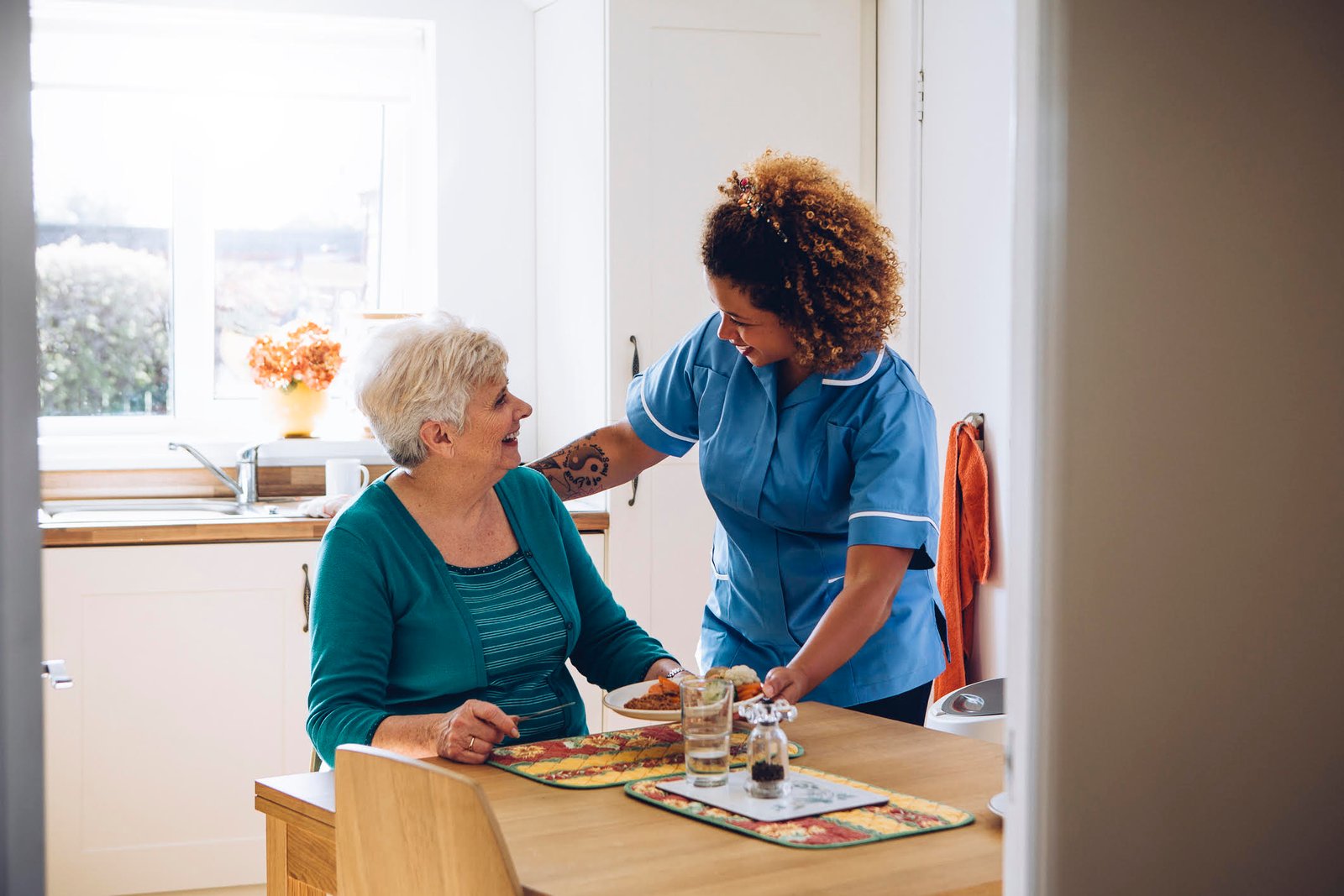
    Individuals with debilitating bone and joint problems, including severe pain, can find their lives impacted in many ways. Simple tasks like laundry, cooking and cleaning can become major hurdles. In order to maximize independence and minimize pain, it is important to follow doctor’s orders about medication and treatment like physical therapy. Where an extra pair of hands can help with things that require dexterity like folding laundry or dicing vegetables, home health care can make a huge difference in continued life enjoyment. 

    At CarePlus Home Health, we work with clients to help them feel able to stay in their homes as long as possible. We do this by assessing their needs and providing trained, professional assistance to round out their lives in the ways that make the most meaningful impact. For clients with bone and joint challenges like arthritis, we can assist with meal preparation, laundry and other household activities that may be impacted. For more information about how we can help, contact us today for a free assessment. 

  • Living At Home With Alzheimer’s

    Living At Home With Alzheimer’s

    For adults with memory impairment like Alzheimer’s, change can be difficult, so it is no surprise that the prospect of moving out of the home and into a care facility is met with resistance. According to research published in the Journal of American Geriatrics, there has been an increased trend for people with dementia to prefer staying at home for as long as possible. However, staying at home presents some significant challenges, particularly for people who live alone. With some awareness and forethought, it is possible to stay at home. Here are some important considerations.

    Managing Activities of Daily Living

    As dementia progresses, many activities of daily living (ADL) become increasingly difficult. From grocery shopping to cleaning, household chores become confusing, and often they are neglected. In addition, personal care like bathing, dressing, and grooming can be forgotten or avoided. As dementia progresses, individuals require increasing assistance with ADLs, which may be beyond the capacity of family, especially if they don’t live together. It’s important to regularly assess the status of ADL abilities and make adjustments to meet increased needs. 

    Assuring Safety

    Individuals with Alzheimer’s suffer from progressive cognitive decline, which impacts many aspects of their safety. Something as simple as remembering to turn off a stove can be a major hazard for someone with memory and focus impairment. Since Alzheimer’s affects older adults, there can be physical challenges that are exacerbated by dementia, such as an inability to problem solve in the event of a medical emergency like a fall or a kitchen accident. Also, dementia can lead to “wandering” – where a person gets lost in their own neighborhood because they simply can’t remember where they live. With care and planning, each of these and many other safety elements can be addressed, and measures can be taken to adapt to increasing impairment as the disease progresses.

    Avoiding Isolation

    Loneliness and isolation are a problem for all people who live alone, but for people living with Alzheimer’s the consequences can have a real, negative impact on their continued ability to live in their own home. A recent Washington Post article identified a significant increase in individuals with Alzheimer’s who experienced isolation due to the COVID-19 protocols. Since dementia can make even simpler technologies difficult to manage, in-person contact is critical to the continued health and well being of people with Alzheimer’s. 

    In order to take care of these and other issues that impact people with Alzheimer’s living at home, we recommend beginning with a thorough assessment by a specialist in geriatric and memory-care concerns. The assessment should look at all of the factors in the home that might pose a difficulty or even a threat. Once the assessment is complete, there are a number of ways to address the findings. In-home care offered by trained specialists like our team at CarePlus Home Health can be an important part of the solution. Located in Montgomery County, our team is highly trained in the care, dignity and safety of our clients with Alzheimer’s. We offer in-home assessments as well as a wide range of customized services to best address the needs of each individual. Contact us to find out how we can help.

  • 3 Qualities to Achieve Excellence in Home Health Care

    3 Qualities to Achieve Excellence in Home Health Care

    More and more adults are choosing to stay in their homes, so they can age in place without the disruption of relocation. Health and safety challenges make this course of action impossible without help, and many people prefer to work with seasoned, trustworthy professionals to make sure their care is appropriate. When selecting home health care, an important balance of factors needs to be considered to make sure the experience is truly supportive. At CarePlus, we believe that quality home health care is made up of multiple factors, and we believe these three are essential.

    Expertise

    In the area of home health care, two types of experience are critical: health and hospitality. Geriatric health is a particular concentration in the medical field, and you want to make sure your caretakers know this area well. It also takes an extra level of compassion, care, and quality to go into a home and seamlessly become a part of daily living for an aging adult. Understanding how to make a home hospitable for an aging homeowner is a key to a successful relationship in home health care. Based on his years of experience in the hospitality industry, CarePlus Founder, Tom Najjar, recognizes the importance of a high level of quality care combined with customer service.

    Dignity

    As people age, their health may gradually decline, or in some instances, experience rapid changes in their health. Adapting to these changes with the help of home health care allows adults to maintain a sense of independence within their limits. With the ability to continue to make lifestyle choices and flexibility with support, as needs increase, adults can feel empowered to live their best lives. CarePlus recognizes these situations and is respectful and fully prepared to provide needed support.

    Comfort

    Whether it’s medication, groceries, a doctor visit or another service, a key to quality home health care is the comfort of the client as well as family and friends, who are concerned about the client’s well-being. Comfort comes in many forms. It can be a knowledgeable, experienced caretaker’s ability to help with medication and the activities of daily living. In addition, it may be the compassionate attitude of a caretaker who truly cares. Being a resource to the family, may also add peace of mind.

    At CarePlus Home Health we stand by our mission to deliver better care for a better life. We understand the trust being placed in our hands when our clients allow us to help them with their needs as they age. We look forward to the opportunity to bring Expertise, Dignity and Comfort to your home or the home of a loved one. For more information about our services, please contact us today.

  • Enhanced Senior Living Community Services

    Enhanced Senior Living Community Services

    At CarePlus, we are experts in home care services for older adults. When “home” is an independent living community, we offer individualized services to residents as well as community-wide programs that round out the experience of living in a safe, supported environment. By establishing a presence within a community, we are better able to meet needs by a customized approach to our clients and their families. 

    Independent Living 

    For seniors who want to maintain an active, independent lifestyle as long as possible, independent living communities are an excellent option. Catering exclusively to older adults, everything from the design of individual residences to a range of additional amenities like leisure activities, meal programs and healthcare facilities assure a healthy lifestyle in a supportive environment. According to SeniorHomes.com, there are 45 independent living communities in Montgomery County. 

    Where CarePlus Fits In

    As people age, their ability to manage some activities and tasks becomes more of a challenge. CarePlus supports independent living communities with a variety of offerings:

    Flex Care Services: We provide flexible care hours to residents at senior living communities. We can help with sheets/laundry, food prep, grocery shopping and housekeeping so residents can live independently and securely. We can be there for the small tasks. Residents can schedule as little as 30 minutes of assistance that can happen daily, weekly or occasionally. Whatever the need — we will be there.

    Wellness Center Program: CarePlus can set up a permanent wellness center on the premises or an “on the go” wellness pop up center according to need. We can do Blood Pressure checks, Zoom Lunch & Learns, Zoom health activities and much more. We also are able to support residents in crisis management, transitioning from hospital to home and supporting independent living.

    CarePlus tabling at a senior living community event

    Care Coordination Program

    We offer an onsite CarePlus coordinator to help support logistical needs of residents living in communities. In addition, we provide services for out of town families including transitions from hospital to home, rehabilitation and other logistical needs. 

    Personal Assistant Services/CarePlus Concierge: CarePlus offers specialty services to clients who need additional oversight and services. Groceries, supplies and other shopping needs can be done by our team independently or assisting a resident. We can schedule and attend doctor’s appointments, coordinate with multiple providers, and assist with insurance matters. 

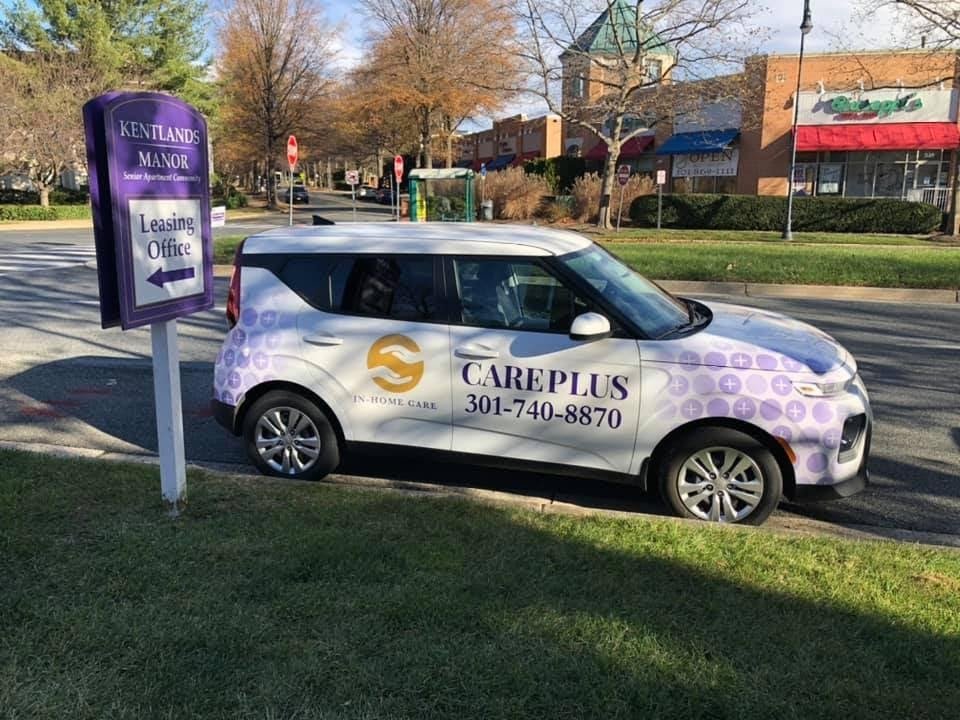
    a CarePlus vehicle outside a senior living facility

    Create Your Own Independent Living Community

    Through our Care Share program, we can help people to age in place in their neighborhood. By working with neighbors, older people can obtain some of the services we offer to independent living communities without having to move. These can include pop-up clinics, lunch and learn programs, and other activities that benefit a group. 

    CarePlus is committed to being a partner in aging in safety and dignity. We strive to bring the most customized and useful range of services to our clients and communities. To learn more about our Flex Care options email info@CarePlusInc.com.

  • Alzheimer’s & Brain Awareness Month

    Alzheimer’s & Brain Awareness Month

    June is National Alzheimer’s & Brain Awareness Month. This month CarePlus Home Health took part in programming that helped us raise awareness and support for Alzheimer’s Disease. 

    Alzheimer’s Disease is a progressive disease that damages memory and other important mental functions. Memory loss and difficulty thinking are common symptoms and contribute to mental decline. Some other symptoms are:

    • Problems with language, visualizing and spatial relationships 

    • Difficulty performing familiar tasks 

    • Disorientation with time and place

    • Poor judgment 

    • Attention issues

    • Changes in mood, behavior or personality  

    • Loss of desire or initiative

    Better Care, Better Health – Alzheimer’s Association National Capital Area Chapter


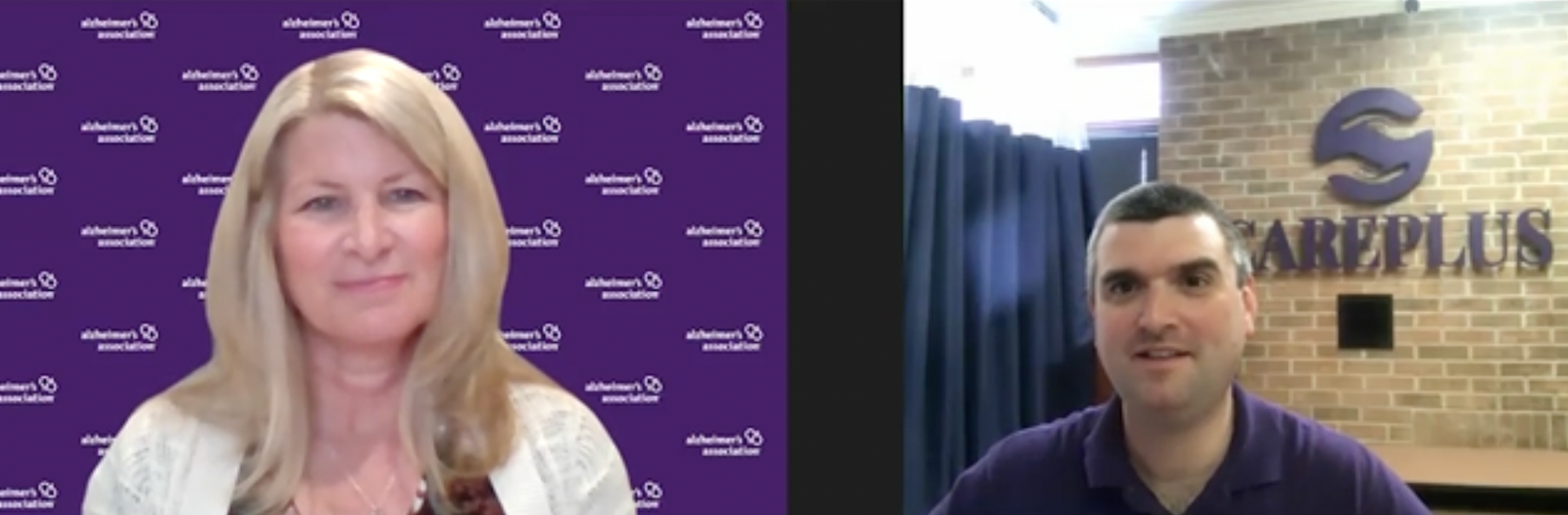
    Our CarePlus Executive Director, Andrew Ryan, sat down with Sheila Griffith, Program Manager for the National Capital Area Chapter of the Alzheimer’s Association. They discussed all of the exciting programs coming up for the Alzheimer’s Association including the Longest Day and the Alzheimer’s Walk!


    The Alzheimer’s Association National Capital Area Chapter offers many different resources to support you and your loved one in all stages of the disease. From support groups to educational programs, there is something to guide everyone through this difficult time. 

    CarePlus is here for you!

    Our services are adjusted to meet your needs. Whether you need us for a few hours a day, or 24/7, we can support you and your loved one. Our caregivers can help with memory care, lifestyle strategies, nutrition and daily living, physical stability, mobility and exercise, and fall prevention. 


    Let’s Get Started. Call us today at (301) 740-8870 or email us at info@careplusinc.com to discuss your needs. We are here 24/7 to help you.

  • Depression in Older Adults

    Depression in Older Adults

    It’s Not Just “Getting Old” – Depression in Older Adults

    May is Mental Health Awareness month, and the National Institute on Aging, a part of the National Institutes of Health cautions that, “Depression is a common problem among older adults, but it is NOT a normal part of aging.” This year, the theme is “you are not alone,” and friends, family and caretakers of older adults can support them by learning more about the issue. Understanding the symptoms, some potential causes, side effects of medication, and beneficial treatments are critical to supporting our loved ones who may be suffering needlessly.

    Hiding in Plain Sight – Disguised Symptoms

    As people age, their energy, sleep, attention span, appetite and other factors evolve. This may be a natural progression, or they may be key indicators that someone is suffering from a mental health challenge. According to the National Institutes of Mental Health, physical symptoms include “chronic joint pain, limb pain, back pain, gastrointestinal problems, tiredness, sleep disturbances, psychomotor activity changes, and appetite changes.” The Harvard Health Blog also notes that “depression can … impair your attention and memory, as well as your information processing and decision-making skills.” If an older person is showing these symptoms, they should have their mental health evaluated for possible treatment.

    Potential Causes

    Depression is a complicated condition, and it has a variety of causes. According to the Mayo Clinic, depression can be a chemical imbalance in the brain brought on by situations, genetics, hormones, other medications and a variety of additional factors. Older adults are particularly at risk for some situational causes such as grief, isolation, and physical pain. Aging itself can be a difficult transition for some people to accept. If an older adult is going through a potential trigger for depression, it’s important to monitor their mental health for signs of depression.

    Side effects of Medication

    Medications seem to be an inevitable part of the aging process. Whether it’s treatment for another condition that has been known to cause depression (e.g. beta-blockers and Parkinson’s medication), or side effects of anti-depressant medications themselves (e.g. sedation), an older adult taking medication should be confirming the potential side effects of their prescriptions, and advising their provider of all medications being taken. Today’s Geriatric Medicine notes that older adults have diminished function of some organs and their immune system, so they need to be particularly cautious about medication.

    Beneficial Treatment

    In addition to medication, there are excellent therapies that can treat depression. Individual and group counseling can have a significant effect on depression as well as introduce an additional trained professional to monitor the situation. Exercise, sunlight, and vitamin D have been shown to help alleviate depression as well. For serious cases, Transcranial Magnetic Stimulation, Electroconvulsive Therapy and hospitalization are options. If a person is suffering from depression, they should confer with their medical provider about options and referrals for treatment.

    At CarePlus, our staff are trained to recognize the symptoms of depression, and to support aging adults with medication reminders, meals, exercise, and their healthcare appointments. To get started, call us today at 301-740-8870 or email us at info@careplusinc.com to discuss your needs.

  • Parkinson’s Awareness Month

    Parkinson’s Awareness Month

    April 2021 is National Parkinson’s Awareness Month. At CarePlus Home Health, we have a particular focus on the care and wellbeing of people living with Parkinson’s Disease. In honor of the month, and as part of our Better Care – Better Health Series, CarePlus has undertaken some exciting activities to raise awareness and deepen our own understanding of Parkinson’s.

    #KnowMorePD

    Parkinson’s disease is a chronic, progressive, neurological disease that is estimated to affect approximately one million people in the United States. According to the Centers for Disease Control, Parkinson’s is the 14th leading cause of death in the United States. The Parkinson’s Foundation theme for 2021 Parkinson’s Awareness Month is #KnowMorePD. “The goal of the campaign is to raise awareness about Parkinson’s disease, the Parkinson’s Foundation and all of our available resources that help make lives better for people with Parkinson’s.” 

    A Conversation about Speech and Swallowing


    Andrew Ryan, Executive Director of CarePlus, had a conversation with Susan I. Wranik, a board-certified speech language pathologist and LSVT LOUD Certified Clinician, specializing in the treatment of neurogenic speech, language/memory, and swallowing issues in adults with Parkinson’s. Together, they had a wide-ranging discussion that provided some important information, guidance and resources. In particular, they discussed the LSVT LOUD treatment protocol, which was designed to help people with Parkinson’s to speak in a normal tone of voice. 

    Accessing Local Resources and Education


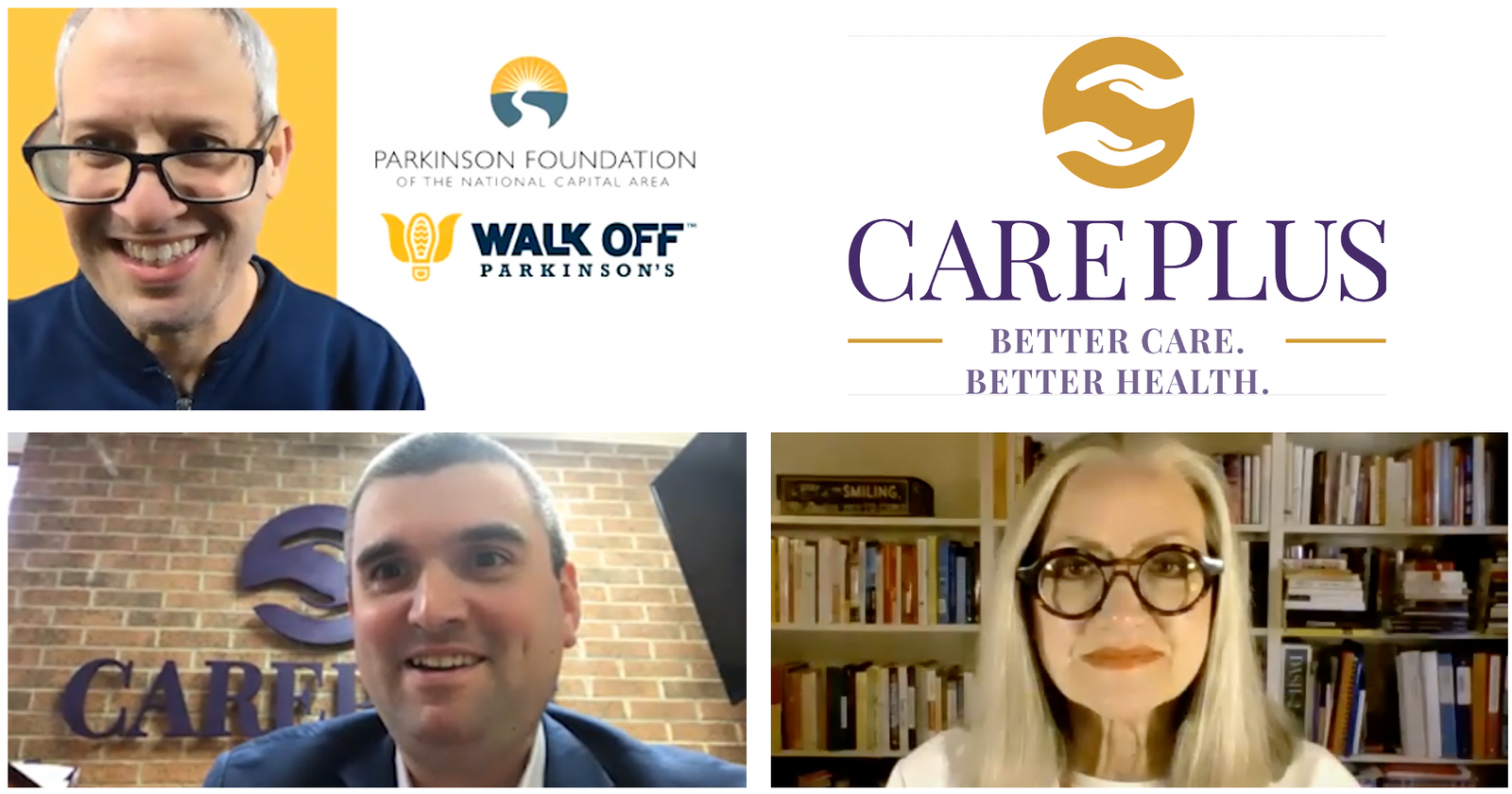
    Another important conversation occurred between Andrew Ryan and Jared D. Cohen, MBA, President & CEO of the Parkinson Foundation of the National Capital Area (PFNCA). Located in Montgomery County, PFNCA is a wonderful resource for people suffering from Parkinson’s as well as their families. They provide many programs, including virtual wellness activities and dozens of local support groups. The PFNCA Medical Advisory Board has organized the 2021 PFNCA Symposium, featuring over 40 sessions by 37 physicians, and some question-and-answer sessions. In their discussion, Andrew and Jared went into detail about the Symposium and the many educational topics being addressed by experts. 


    CarePlus Provides

    Our Parkinson’s team begins with a nurse assessment who helps put together a customized plan based on individual needs. We then step in to provide a range of assistance that can be medically related (doctor’s appointments, medication reminders), activities of daily living, self-care or other support like walking and meal prep. No person is alike, and our care plans are unique and capable of evolving as the needs of the individual change with the onset of the disease. 

    To get started, call us today at 301-740-8870 or email us at info@careplusinc.com to discuss your needs.