Author: Tom Najjar

  • May is National Stroke Awareness Month

    May is National Stroke Awareness Month

    According to the National Institutes of Health, “Each year in the United States, there are more than 800,000 strokes.”

    Strokes are the fifth leading cause of death in the United States, according the Centers for Disease Control. More than any other disease a stroke can cause serious, long-term disabilities. The American Heart Association Stroke Council (ASC) says that stroke victims are vulnerable to repeat strokes.

    CarePlus Home Health would like to offer you a few tips on how to recognize stoke-like symptoms and the necessary steps to take to reduce the risk of having a stroke.

    What is a Stroke?

    When a major blood vessel in the brain is either blocked by a clot or bursts, a portion of the brain cannot get the blood it needs, causing brain cells to die.

    This is a stroke.

    What Causes a Stroke?  

    The two-most common types of strokes are hemorrhagic and ischemic.

    • A hemorrhagic stroke occurs when a weakened blood vessel in the brain ruptures. High blood pressure is the most common cause of a hemorrhagic stroke.
    • An Ischemic stroke occurs when a blood vessel supplying blood to the brain is obstructed. According to the ASC, ischemic strokes account for 87% of all strokes.

    When a person has a stroke, depending on where in the brain the stroke occurs, the part of the body controlled by that part of the brain cannot function. Short of death, strokes can cause paralysis, loss of vision, memory loss as well as other possible outcomes – some of which are irreversible.

    Remember to ACT FAST!

    Medical intervention is needed as quickly as possible when experiencing stroke symptoms.

    According to the Mayo Clinic, an ischemic stroke requires specific pharmaceuticals to break up the clot in the brain; medication should be administered “within 4.5 hours from when symptoms first started if given intravenously.

    The sooner a stroke patient is treated with medication, the better. Quick medical treatment may not only improve a stroke victim’s chances of survival, additional medical complications may be avoided.

    According to the Centers for Disease Control, the acronym F-A-S-T can help you remember stroke symptoms. 

    F = Face drooping: Ask the person to smile. Does one side droop?

    A = Arm weakness: Ask the person to raise both arms. Does one arm drift downward?

    S = Speech difficulty: Ask the person to repeat a simple sentence. Are their words slurred?

    T = Time to call 9-1-1: If the person shows any of these signs, call 9-1-1 immediately. Stroke treatment can begin in the ambulance.

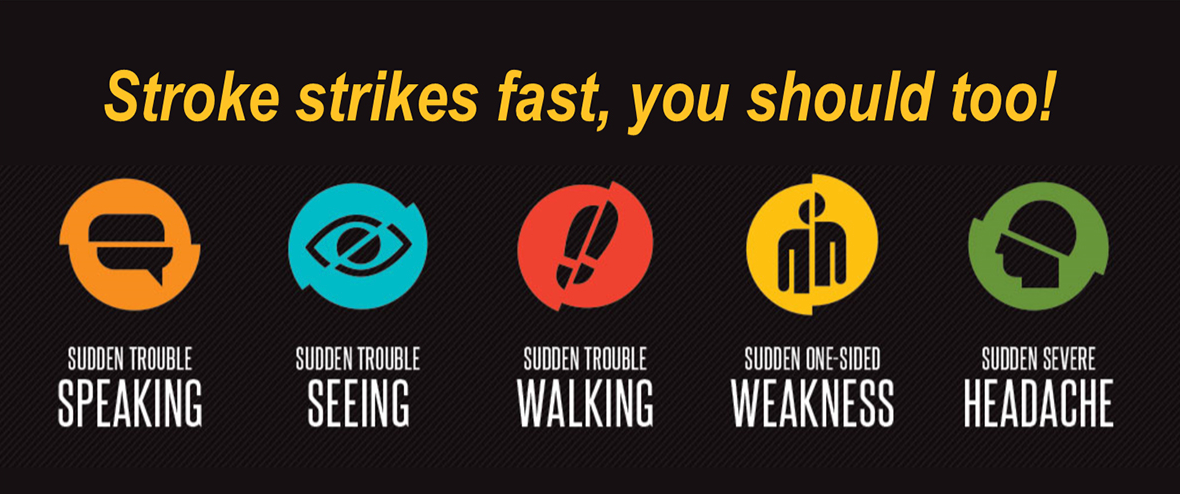
    Additional stroke symptoms include dizziness; loss of balance or coordination; trouble walking; problems seeing out of one or both eyes; severe headache; numbness of the face; and sudden confusion or trouble understanding others.

    Keeping in mind the FAST signs (see above), it is imperative to contact emergency services as soon as possible if you or someone else displays any stroke symptoms.

    Do NOT Let COVID-19 Prevent You From Seeking Treatment

    Millions of Americans are rightfully following the CDC’s social distancing guidelines with respect to COVID-19; however, these social distancing measures should not prevent you from getting emergency medical attention should you experience stroke-like symptoms.  

    Call 911!

    Emergency medical technicians (EMTs) are trained to assess your condition and take immediate steps to hospitalize someone having a stroke. The risks associated with not obtaining treatment for a stroke far outweigh the potential exposure to COVID-19, particularly when healthcare professionals involved – from the EMT to the treating doctors and nurses – are made aware of any underlying health concerns (e.g., a compromised immune system).

    Take Care of Yourself!

    The CDC offers the following stroke prevention guidelines:

    • Eat a healthy, low-sodium diet; include plenty of fruits and vegetables;
    • Maintain a healthy weight;
    • Be physically active.
    • Do not smoke;
    • Avoid secondhand smoke;
    • Limit your alcohol use;
    • Prevent or manage your other health conditions, especially high blood pressure, high cholesterol, diabetes, and obesity.

    Some contributing strokes factors – age, race and gender, for example – are outside of your control. Living a healthy lifestyle, however, can help prevent you or your loved one from having a stroke.




  • Caregiving & Staying Connected: During COVID-19

    Caregiving & Staying Connected: During COVID-19

    There are many resources in our community during COVID-19. Our list is comprised of the “Care” industry, testing sites and updates, supporting our local small businesses and staying connected to loved ones.

    In-Home Care

    CarePlus Home Health, Inc. is open and available to support you for care, medication reminders, doctors’ appointments, cooking meals, laundry and housekeeping. If you need anything, we are here to help. We will be following the CDC guidelines and taking precautions to keep both our families and caregivers safe. For additional information visit our COVID-19 Resource Page.

    Local COVID-19 Resources

    Local Testing Sites in Montgomery County, Maryland

    You still need an appointment and provider order to get a test at a VEIP location. Here is what is recommended.

    Location: White Oak VEIP (Montgomery County) 2121 Industrial Parkway Silver Spring, MD

    Needed:

    1. Call your health care provider or the local health department if you do not have a provider. If you qualify for a test, your provider will order a test online through CRISP, the regional HIE, which serves Maryland and the District of Columbia.
    2. Once your provider submits your order, you will receive an email with your Order Confirmation Code and a link to the self-scheduling site. The number of appointment slots at each location is dependent on the number of supplies available.

    Other testing sites are listed below.

    Kaiser Permanente has testing sites for its members in Gaithersburg.

    Adventist HealthCare Shady Grove Medical Center has coronavirus testing only for critically ill patients who are likely to need hospitalization. 

    Some MedStar Health Centers, with multiple locations in the region, are testing for the virus. Patients are asked to call the clinic or hospital first. 

    Holy Cross Hospitals, in Silver Spring and Germantown, have tents to triage patients with influenza-like illnesses, including the novel coronavirus. 

    Please note, this information is constantly changing so here are links to check for updates.

    Maryland Department of Health Testing Information

    Maryland Department of Health: Frequently Asked Questions: Maryland Vehicle Emissions Inspection Program (VEIP) COVID-19 Testing Sites Updated April 23, 2020

    National Resources

    CDC

    NIH

    AARP

    Online Groceries, Food & Household Needs

    Here are a few companies to get you started but there may be delays so give yourself some time in advance. As always, we are here if you need us.

    Instacart: offers groceries from many chain stores and markets

    Whole Foods: offers delivery and pick-up

    Peapod: offers delivery and pick-up from Giant

    Shipt: offers delivery and pick up from a variety of stores groceries and household needs

    There are local delivery services that deliver food from restaurants: Grub Hub, UberEats and others local restaurants that are doing their own deliveries.

    Need Assistance with Food

    The Montgomery County Food Council has important information on available food assistance resources, as well as opportunities for individuals and organizations to support community needs. 

    Many organizations, including Manna Food Center, the Capital Area Food Bank and  Meals on Wheels also have information about food assistance programs.  

    Staying Connected

    There are ways to stay connected with friends and family during these uncertain times.If you have an iPhone or iPad you can use FaceTime.

    Here are some tips:

    Make sure FaceTime is set up properly

    Dial the person you want to call (or use contact menu) and push the video FaceTime button below. Remember, the other person needs to have an “apple product” or it will not work.

    You find FaceTime on the main menu, middle button on the 2nd row.

     Here is a link to Apple Support if needed.

    Other technology options to connect for video conferencing are: 

    Skype

    Zoom

    Google Hangouts

    WhatsApp

    Try a few and see what works easiest for you. If you need help there is some support online, Generations on Line has a free app Easy Tablet Help for Seniors that may be helpful.

    CarePlus Home Health, Inc is here to help. If you have trouble getting groceries, medication delivered or any other needs, call us at 301-740-8870.

  • Home Care and Nursing: Planning Together for After the Hospital

    Home Care and Nursing: Planning Together for After the Hospital

    One of the most important parts of an older adult’s hospital stay is the discharge plan. During the hospital stay, friends, family, and hospital staff are focused on what is happening in the hospital during treatment. Often the plan for what happens afterward is made just a few hours before the person goes home. If you are one of that person’s caregivers, you can get ahead of the curve by planning transportation and home care and nursing well before the discharge time.

    Without a plan, people coming out of the hospital are likely to suffer from medication errors, contract an infection, relapse with an illness, or have a fall. The result for almost 20 percent is re-hospitalization within thirty days of release.

    Until recently, hospitals gave very little guidance on organizing post-discharge care. They saw their job as acute care: administering medication, monitoring the effects of medication or surgery on the patient, gauging the patient’s progress and recovery.

    In addition, some Federal regulations put them at risk of being accused of conflict of interest if they recommended a facility they owned or had a close partnership with. Family and friends might be handed a list of nursing homes, skilled nursing facilities, or home care services in the same pile as the medication schedule and the post-hospital care instructions, but with very little comment on how to choose.

    But a new rule by the Centers for Medicare and Medicaid Services is changing that. Under the rule, hospitals must provide information about local providers and their performance in post-acute care and discuss the trade-offs between different kinds of care. They must facilitate a smooth exchange of information about the patient between the hospital and the next team of caregivers and ensure that a patient’s information follows them after discharge. And they must conduct a discharge planning process that focuses on the person’s health goals and treatment preferences.

    The provides a simple but complete guide to making a discharge plan that includes home care and nursing. A good discharge plan treats the friends, family, and any regular caregiver as part of the team, as well as medical professionals and the person’s regular doctor. If your loved one has memory problems caused by Alzheimer’s disease, stroke, or another problem, you will need to be a part of all discharge discussions. You may need to remind hospital staff about special care and communication techniques your loved one needs. Even without memory problems, older adults often have hearing or vision problems or are disoriented when they are in the hospital. A close friend or family member can make these conversations easier.

    The discharge plan should include information about medications and diet, what activities the person might need help with, what extra equipment might be needed, such as a wheelchair, commode, or oxygen, who will handle meal preparation, transportation and chores, and referral to home care services needed.

    The Family Caregiver Alliance lists simple measures that will keep an older adult safe and assured of getting better.

    1. Make sure a follow-up appointment has been arranged before your loved one leaves the hospital.

    2. List all the medications the person is taking and make sure that all the doctors involved have compared the medications taken before hospitalization with those prescribed afterward to prevent duplications, omissions, or harmful combinations.

    3. Have a telephone number accessible 24 hours a day, including weekends, for care information.

    Home care agencies can help create and carry out the post-discharge plan. At CarePlus Home Health, for example, the provides prescription pick-up and medication reminders, range of motion exercises, transportation to medical appointments, grocery shopping, meal preparation, assistance with eating and getting in and out of bed, laundry, light housekeeping, and general assistance with carrying out the discharge instructions.

    If the person coming out of the hospital needs special care like wound dressings, rehabilitation services, tube feedings, or catheter care, are also available at home.

    Get all the support you need. Talk to the doctor, nurse, or hospital social worker or case manager about a discharge plan. If the older adult in your life prefers to go home and this is medically feasible, feel free to call on CarePlus Home Health, Inc. We provide home care and nursing to Montgomery County, MD and throughout the state. We offer a 72-hour post-discharge program and will be glad to help you and the medical staff set up a discharge plan. Just call us at 301-740-8870 or use our contact form.

    We look forward to talking with you and your loved one.

  • Skilled Nursing: Available in Your Home

    Skilled Nursing: Available in Your Home

    When a person is recovering from an injury, surgery, or illness or stroke, there is often a period when they are ready to leave the hospital, but not ready to leave medical care. This gap is filled with skilled nursing.

    In many cases, skilled care can be provided in the person’s own home and can actually be a better option. Utilizing a home health care provider enables an older person coming out of the hospital to receive highly effective medical treatment while being as independent as possible in the comfort of their own home.

    Skilled nursing is medical care provided by a Registered Nurse (RN) or a Licensed Practical Nurse (LPN). A person who has been hospitalized transitions to nursing care when they no longer need to see a doctor every day or use sophisticated medical equipment, but do need more specialized care than an aide can provide. An RN or LPN can respond to rapidly changing health conditions and can perform complex wound dressings, rehabilitation services, tube feedings, and other highly skilled procedures. 

    The CarePlus Home Health, Inc. skilled nursing team includes a Registered Nurse, a Licensed Practical Nurse, a Certified Nursing Assistant, and a Geriatric Nursing Assistant plus specialists in particular diseases: COPD, pneumonia, and other respiratory conditions, cardiac conditions, diabetes, Alzheimer’s Disease, Amyotrophic Lateral Sclerosis (ALS), Multiple Sclerosis, and Parkinson’s Disease.

    In-home nursing can be especially good for an older person who has ongoing difficulties with memory or mobility or for someone who is already receiving Assisted Daily Living at home. It allows the nurse to coordinate more closely with the home care service provider, who is on the spot and not attending to a group of other patients. The nurse and the caregiver can update each other more efficiently on the person’s health status and keep instructions current for diet, medication, and exercise more easily. And in-home skilled care can provide the person with the sense of security that comes from familiar surroundings.

    A wide range of services can be provided in the person’s home, including wound care, catheter care, ostomy care, ventilator care, injections, medication management, and tube feedings. Specialists, physical therapists, and occupational therapists can also visit the home.

    When prescribed by a doctor, these services may be covered on a short-term basis by Medicare, some private health insurance policies, veterans’ benefits, and long-term care insurance policies, whether they are provided in a facility or at home.

    Check with Medicare to find out about your loved one’s particular situation. In some cases, Medicare can cover physical or occupational therapy, speech-language pathology services, social services, medications, and medical equipment and supplies used. It may even cover ambulance transportation to a medical center that provides these services in the event they can’t be provided at home.

    If your older loved one is facing a hospitalization, ask their doctor if skilled care at home will work for them. Use these criteria for in-home health care to choose a provider. And feel free to contact CarePlus, Inc. for more information by calling 301-740-8870 or by using our contact form.

  • Stroke Care Is Essential to Full Recovery

    Stroke Care Is Essential to Full Recovery

    The effects of a stroke are usually visible and often very dramatic. It can be difficult for the person who had the stroke to face the long effort of recovery. But just as friends and family need to act quickly when they think an older loved one is having a stroke, everyone needs to keep working after the person has come out of the hospital. The good news is that at some point after hospital treatment, it may be possible for a person who has had a stroke to continue rehabilitation and receive stroke care at home.

    There are several distinct signs that an older loved one is having a stroke. Always be alert to stroke if your older loved one experiences any of these symptoms quite suddenly: sudden loss of balance, sudden severe headache without a known cause, sudden trouble seeing from one or both eyes, slurred or difficult-to-understand speech, numbness, weakness, or drooping in the face, arm, or leg, especially on one side of the body, or sudden confusion.

    In the hospital, the person’s doctor will determine whether the symptoms have actually been caused by a stroke or by some other condition such as a brain tumor or a drug reaction, what kind of stroke it was, and what emergency treatments will be most effective. The Mayo Clinic describes a wide array of these emergency procedures very clearly on their stroke diagnosis and treatment page.

    What Happens After a Stroke

    A stroke affects movement and sensation on the opposite side of the body from the side of the brain that was affected. If the right side of the brain was affected, the left side of the body may show it; if the left side of the brain, the right side of the body. In addition, damage on the left side of the brain may cause difficulty with speech or language.

    A stroke survivor will probably experience fatigue, weakness on one side of the body, pain, and sleep disruption. Foot drop, difficulty picking up the front of the foot, is also common. A stroke can also cause problems with balance, vision, swallowing, spastic movements and continence.

    A person who has had a stroke may experience fear, anxiety, frustration, anger, sadness and a sense of loss. These are natural emotional responses to stroke. It can take time to adjust to all that has happened. Other emotional and personality changes can occur because of the physical effects of brain damage caused by the stroke.

    A stroke may also cause cognitive changes. Easy, familiar tasks may become difficult. The person may develop memory problems or have difficulty communicating.

    Stroke Care Promotes Rehabilitation

    With so many potential changes to contend with, a stroke survivor can expect to undergo a rigorous rehabilitation program. It may begin before the person leaves the hospital and continue in a rehabilitation unit of the same hospital, another rehabilitation unit or skilled nursing facility, an outpatient unit, or at home with the support of professional caregivers. (CarePlus provides a 72-hour post-discharge program to help stroke survivors and others transition from a hospitalization.) The goal is to help the person rebuild as much of their life and independence as possible.

    However rigorous, a rehabilitation program will take into account the person’s age, overall health, lifestyle, personal priorities, the extent of the disability caused by the stroke, and the availability of loved ones and professional caregivers to help carry out the program.

    Depending on the effects, a stroke treatment team may include a neurologist, a doctor trained in brain conditions, a rehabilitation doctor, a nurse, a dietitian, a physical therapist, an occupational therapist, a recreational therapist, a speech pathologist, a social worker, a case manager to coordinate all of the caregivers. It may also include a psychologist or psychiatrist to help with emotional difficulties and personality changes.

    Stroke Care Continues at Home

    A stroke survivor and their loved ones will need to evaluate the person’s way of living to ensure physical safety and progress. Some common changes are eating calcium-rich foods and taking calcium supplements to increase bone strength, wearing flat, wide-toed shoes, walking around the house using assistive devices prescribed by a physical therapist instead of using the furniture, recognizing that certain medicines cause drowsiness and taking precautions, and not walking at all when the person feels distracted. These changes all require family and professional support.

    The house may need some rearrangement like clearing paths to the kitchen, bedroom and bathroom and removing loose carpets and runners in hallways and stairwells or fastening them with nonskid tape to improve traction. It may be necessary to install assistive devices like a raised toilet seat, a bench in the tub or shower, a hand-held showerhead, and plastic strips that adhere to the floor of a tub or shower and to buy things like long-handled brushes and washing mitts with pockets for soap and electric toothbrushes and razors.

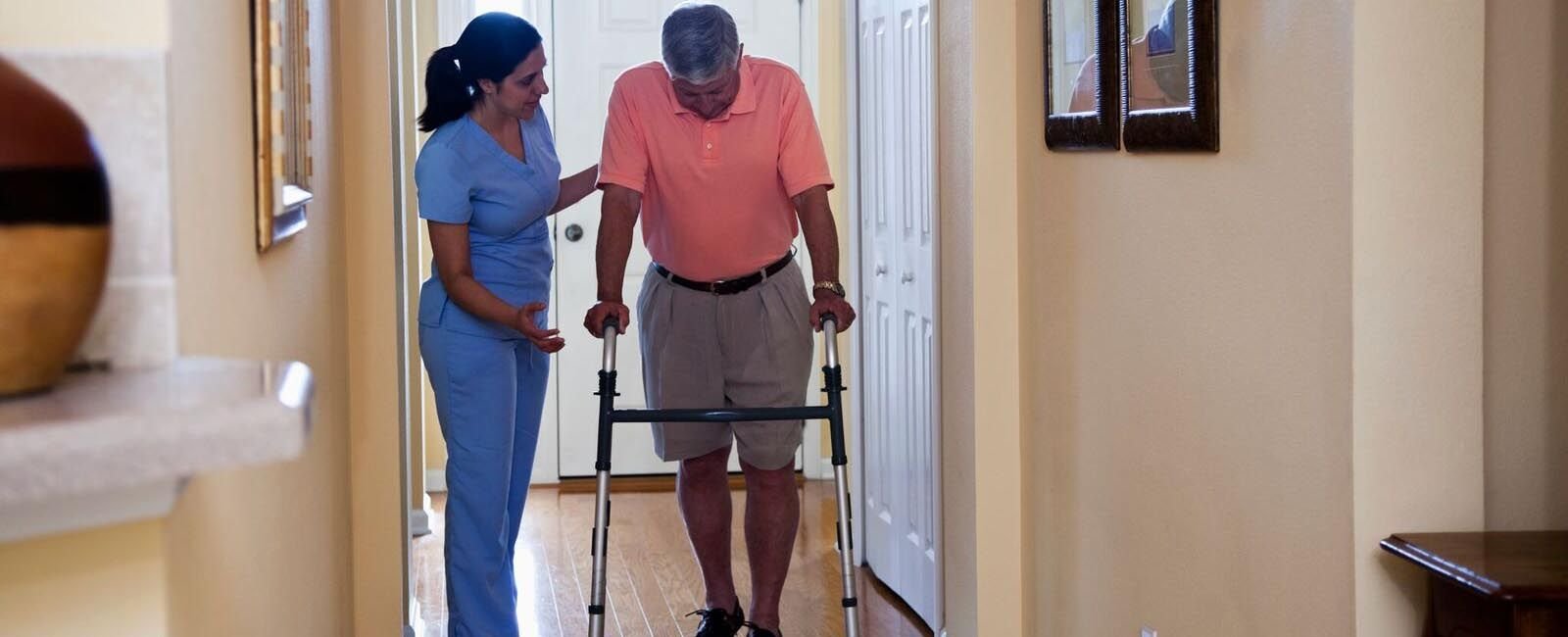
    During and after physical therapy, a person who has had a stroke will need to continue with exercise that strengthens leg muscles and restores balance; it may be helpful to have a physical therapist come to the house. An occupational therapist can help the person organize their daily activities and inspect the home before hospital discharge to help arrange it to the loved one’s new needs.

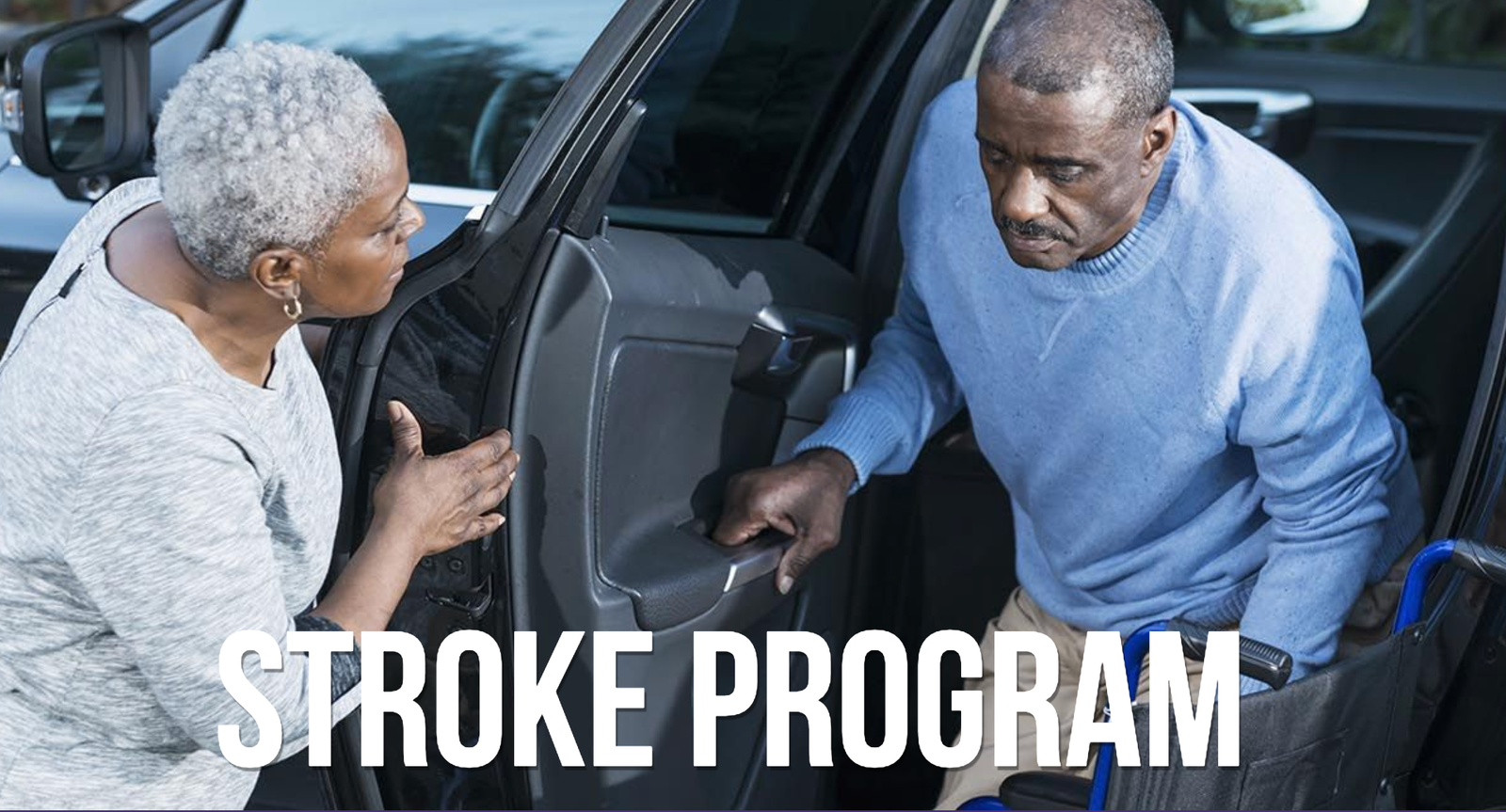
    A home caregiver can assist with all of these changes, do things for the stroke survivor that they can’t yet do themselves, help the survivor relearn may activities, and support them in the disciplines that aid recovery, like diet and exercise. Home caregivers can prepare nutritious meals consistent with a doctor’s advice and even help the person eat while they need help, transfer the person from bed to a wheelchair, chair, or bathroom, help them bathe and dress, remind them about medication times and personal safety habits, assist with prescribed motion and strength exercises, monitor for signs of another stroke, provide transportation to medical appointments, do light housekeeping and run errands, help plan and carry out social activities, and just as importantly, offer companionship and emotional support when friends and family can’t be there. (See more about the stroke care services CarePlus Home Health offers here.)

    To learn more about home stroke care services available in Montgomery County, MD from CarePlus, call us at 301-740-8870 or use our contact form. We’d be glad to talk with you about your loved one’s situation and develop an individualized plan together.

  • Yes, Home Care Agencies Do Provide 24 Hour Care

    Yes, Home Care Agencies Do Provide 24 Hour Care

    Most people assume that when they or an older loved one reaches the point of needing 24-hour care, they will have to move to an assisted living center or a nursing home. But America’s largest generation, the Baby Boomers, are changing this approach and set a new trend. An increasing number of older adults are remaining at home while the personal care and health care they need comes to them. Home care agencies make this possible, and many agencies in Montgomery County, MD offer this service. CarePlus Home Health is one of them.

    How do you know your loved one needs 24-hour care?

    24-hour care is standard when a person has recently been hospitalized or has stayed in a rehabilitation facility after a bone fracture, stroke, or heart attack.

    When changes come more gradually, many signs help family and friends realize that an older adult needs 24-hour care. Here are some of the indicators:

    • Frequent falls
    • Dehydration and fainting
    • Difficulty eating or drinking without help
    • Wandering from home, by foot or in a vehicle, and getting lost or confused
    • Becoming confused or anxious by short absences of family, friends, or caregivers
    • Confusing nighttime with daytime, frequent waking in the middle of the night, or becoming agitated in the dark
    • New or increased bathroom accidents

    One of the most common and painful indicators is that family or friends are afraid to leave the older person alone at night or are not getting regular sleep because of tending to the older person’s needs at night.

    A professional home caregiver can change all this. All are trained to assist with Activities of Daily Living. Caregivers who specialize in memory care are also trained to calm older people who are becoming agitated because they have lost their sense of time and place, to help the person avoid kitchen or bathing accidents, dehydration and fainting, and falls, and to reduce infections through a 24-hour care regimen.

    How does 24-hour care work?

    24-hour care is a little different from live-in care. A live-in caregiver stays in the home for 24 hours a day for a maximum of four days before another caregiver takes over. They usually receive a flat rate per day, a 4-hour break during the day, and an 8-hour sleeping break at night.

    The 24-hour care available from home care agencies like CarePlus involves two caregivers who work a 12-hour shift each or three caregivers who work an 8-hour shift each. This arrangement guarantees that someone is alert and awake in the house and focused on the older adult around the clock. They are paid by the hour, which may cost a little more than live-in care, but considerably less than assisted living.

    24-hour care includes help with bathing, dressing, feeding, and grooming the older adult, transferring them in and out of bed or a wheelchair, and helping them use the bathroom. It can also include meal preparation, laundry, light housekeeping, shopping, transportation to appointments and social activities, heart rate and blood pressure monitoring, medication management, and money management.

    With this degree of engagement and intimacy, many people prefer to choose a licensed, bonded agency to coordinate the older person’s care. That way, they know that the caregivers are trained and vetted and that coverage will be consistent when a caregiver falls ill or needs time off.

    The personal care team can be augmented to include nurse’s aides, skilled nurses, or therapists who can care for wounds from injury or surgery, manage IVs and catheters, provide physical and cognitive therapies, and educate the older adult and the other caregivers about any conditions the person may have and how their needs are changing.

    Why provide 24-hour care at home?

    According to Senior Living, an online clearinghouse for eldercare agencies, 90% of seniors want to stay in their homes as long as possible. With in-home care, an older adult is able to live as independently as they are capable of. If a person moves away from home to an assisted living community or nursing home, they are starting over. But home is comfortable and familiar, full of beloved objects and precious memories. These can help an older person feel emotionally secure and physically safe and can help a person with memory problems stay oriented.

    Familiar surroundings and personal associations also improve health. According to Senior Living, one study found that people who received in-home care visited the doctor 25% fewer times than those who didn’t receive in-home care. Clients with Alzheimer’s or other dementia diseases made almost 50% fewer trips to the doctor.

    Home recovery under the supervision of a nurse after hospitalization is associated with longer life and a lower risk of re-hospitalization, according to a study in the Journal of the American Geriatrics Society. The same study found that because re-hospitalization was less likely with home care, total medical bills for heart failure patients were about 35% lower with home care.

    How do you pay for 24-hour care at home?

    Medicare pays for 24-hour care only after hospitalization of at least three days; the limit for care is 100 days. Medicaid may pay for 24-hour care if a doctor recommends it and the person’s income falls below a set maximum. Most health insurance plans are similar to Medicare; they are designed to cover short-term acute care, not long term needs.

    A better option is to deposit a lump sum in an annuity that will go on earning money while money is paid out to cover care, according to the U.S. Department of Health and Human Services. Many insurance companies are also offering Long-Term Care insurance policies that cover 24 hour home care or packages that combine Long-Term Care insurance with life insurance. Talk to a financial advisor or insurance agent about these options.

    CarePlus Home Health is one of Montgomery County, and Maryland’s, most experienced home care agencies, providing assisted daily living, skilled nursing, 24-hour care, and stroke, dementia, and Alzheimer’s care. Our mission is to give professional and compassionate care to individuals, while helping them maintain their independence and quality of life, either in their home or in community settings. Please feel welcome to call us at 301-740-8870 or use our contact form to discuss your home care needs or those of an older loved one.

  • In Home Care, Part of the Parkinson’s Care Plan

    In Home Care, Part of the Parkinson’s Care Plan

    If your older loved one has Parkinson’s Disease, their need for practical and emotional support will increase over the years. You may be devoting much of your time to caring for them now, or both of you may be wondering about how realistic it is to try to keep them at home. But with the right preparation and planning, home care can be a strong alternative to a group or institutional setting; many people with Parkinson’s remain healthier and safer at home.

    Parkinson’s disease is a progressive neurological disease caused by the destruction of brain cells that produce dopamine, a chemical the brain uses to direct physical movement. Without these cells, the body can’t produce dopamine; without dopamine, the brain can’t tell the body how to move. This eventually leads to tremors, stiffness, slow movement, and impaired balance. It can also cause skin problems, sleep disruption, difficulty chewing or swallowing, and depression.

    The symptoms vary widely from person to person, and there is no specific test to diagnose Parkinson’s disease directly. A diagnosis of Parkinson’s is based on the symptoms above, the person’s medical history, and a neurological and physical examination. Many of the lab tests and imaging scans that doctors perform when looking for Parkinson’s actually eliminate other possible causes of the symptoms, narrowing the diagnosis down to Parkinson’s.

    A doctor may even prescribe one of the medications used to treat Parkinson’s, carbidopa-levodopa, as one step toward determining if the person has the disease. If the person’s symptoms are consistent with Parkinson’s and tests eliminate other diseases, and if the person improves while taking carbidopa-levodopa, then a doctor will confirm a diagnosis of Parkinson’s.

    There is no cure for Parkinson’s, but medications and other therapies can ease symptoms radically and restore the quality of life to a very great degree for many years. Levodopa converts to dopamine if it is introduced directly into the system; carbidopa prevents it from converting too soon. Other medications do not convert, but mimic the effects of dopamine or slow the breakdown of dopamine. Still, others address symptoms like tremors directly. The Mayo Clinic explains the causes, symptoms, and treatments of Parkinson’s Disease very simply and clearly on their website.

    The longer a person has the disease, the more pronounced the symptoms become and the harder they are to control. Therefore, the older a person is, the more difficulty their Parkinson’s may cause. When the disease is advanced, the support the person needs can put a lot of pressure on the family and badly tax family caregivers. This is where home care services come in.

    Home care services cover such a range of tasks that they are easily adjusted to the level of need of the care recipient. At first, a caregiver can simply run errands, shop for groceries, tidy up the house, and drive the person who has Parkinson’s to doctor appointments and physical and occupational therapy. They can keep an eye on home safety and help the person get around the house. Once a Parkinson’s plan is initiated, a caregiver can help with walking, stretching, and other prescribed exercises and remind the person when to take medications, as well as plan and prepare healthy meals that strengthen muscles and bones.

    When mobility becomes more limited, a home caregiver can help with routine daily activities like bathing, dressing, eating, and using the bathroom. A skilled caregiver is sensitive to the way that Parkinson’s and other diseases can slow a person’s pace and can help with essentials while respecting privacy and the need for a normal routine. At any level of severity in symptoms, a professional home caregiver can relieve overtaxed family caregivers who need a break or free time to pursue their own self-care.

    In-home care is often a better alternative than assisted living or a skilled nursing facility. First of all, it is home, a familiar and emotionally secure environment. Your loved one’s home may need some minor alterations to make it physically safe for them, such as non-slip pads or double-sided rug tape under the rugs, generous lighting in all entryways, passages, and rooms, secure handrails and second rails on stairways, and grab bars near the toilet and in the shower or tub. But these are routine precautions for many older adults who stay at home and usually are not difficult to adjust. In exchange, your older loved one will be surrounded by the people and things that mean most.

    While assisted living and skilled nursing facilities have multiple medical personnel available around the clock, a home care provider may actually be more focused on your older loved one. With only one, or perhaps two, people to care for, a professional home caregiver is less likely to mix up medications, give the wrong dose, miss a dose, or be called away to an emergency before completing a task. A caregiver with one person to focus on is more likely to notice changes in the way medications are affecting an older adult or how long they are lasting. Best of all, a professional home caregiver is easily located and more available to talk with family members about changes in symptoms and emotions that the family notices. The family doesn’t have to leave multiple messages or look around the facility to locate the care provider.

    Finally, a professional caregiver, however much they like and respect the older person in their care, can be more objective exactly because they are professional and because they have not known the person all their lives. A good home caregiver can be a good sounding board for the family’s concerns and anxieties and provide a steadying influence while the family and the older adult adjust to changes and new limitations.

    CarePlus provides comprehensive in-home services for assisted daily living and offers a specialized program for older adults with Parkinson’s disease. Our caregivers can help with lifestyle strategies, nutrition and daily living, physical stability, mobility and exercise, and fall prevention, as well as building confidence and perspective and connecting the older adult with others in their situation and with community programs.

    Helping older adults remain at home is our passion. For the past 25 years, we have taken pride in helping our clients in Montgomery County and the surrounding area age in place with excellent services provided by highly trained, trustworthy and compassionate caregivers. Call us today at 301-740-8870 or email us at info@careplusinc.com to discuss your needs.

  • CarePlus: Simply the Best of Home Care Agencies

    CarePlus: Simply the Best of Home Care Agencies

    Earlier this year, CarePlus won the Best of Home Care Provider of Choice award. We were one of only 18 sites in Maryland to make the list. The award was made by a professional evaluation firm that we engaged to collect monthly feedback from our clients and give us suggestions for improvement.

    One important reason that people hire home care agencies rather than hiring individual providers on their own is that agencies screen, interview, and test caregivers, check their references, and run a background check. The family of an older person does not have to do this work to feel that their loved one is in safe hands, and in most cases the agencies have already had positive experiences with the caregiver. (See the CarePlus qualifications and guidelines for prospective employees.)

    In the same way, people deserve to know that the home care agencies they are considering have been vetted, tested, and reviewed. To meet this need, agencies like CarePlus engage outside evaluators to tell them how they can improve and to tell the public how they compare with other agencies. These evaluators speak with older people in the agency’s care or their families, report to the agency with feedback and suggestions for improvement, and share their ratings with the public, especially those looking for home care services of their own.

    To ensure that we’re giving the best service possible, CarePlus has engaged Home Care Pulse, the home care field’s leading firm in satisfaction research, to poll our clients and let us—and prospective clients—know how we’re doing. Every month, Home Care Pulse speaks with a percentage of clients we serve and asks them about the quality of service provided by our caregivers, communications with our office staff, the impact of our services on their daily lives, and other issues. Every month, they provide us with a report and post the results on their website, Best of Home Care.com. This year, they designated CarePlus a Provider of Choice.

    To win this rating, CarePlus had to qualify as a Home Care Pulse Certified Trusted Provider™ for at least six months and receive higher ratings than others in the field during that time. We agree on the percentage of our clients or their families to be contacted by Home Care Pulse, but we cannot specify which clients will be interviewed. Conversely, clients and their families cannot provide a spontaneous review, whether positive or critical; respondents are selected randomly by Home Care Pulse.

    Those we serve say that our caregivers are thoughtful, compassionate, flexible, and good at following instructions. They appreciate our office staff for their consistent communication, their efficiency, their help with solving new problems, and their connections to outside resources.

    CarePlus is also ranked on Family Assets as 2 out of 9 total home care home care agencies in the city of Gaithersburg, 18 out of 158 home care providers within a 20-mile radius, and 16 out of 177 home care providers within the state of Maryland.

    Starting August 14 through September 13, the Readers’ Poll for Best of Bethesda will be open. There are quite a few categories that support our aging community in Bethesda and the surrounding areas. You will have the opportunity to vote CarePlus as the best In-Home Care Provider. We hope to raise awareness and share our expertise to support families in our community.

    Vote CarePlus best In-Home Care in the Best of Bethesda Readers’ Poll for 2020. Click here to vote.

    Home care is our passion and for nearly almost 25 years, we have taken pride in providing our clients in Montgomery County and the surrounding area with excellent home care services by highly trained, trustworthy and compassionate caregivers. See assisted daily living at home and our other services.

  • Getting Help With Alzheimer’s:  Is It Time for Dementia Care?

    Getting Help With Alzheimer’s:  Is It Time for Dementia Care?

    Alzheimer’s disease is a type of dementia that causes problems with memory, thinking, and behavior. It is irreversible and progressive; over time it erodes memory and thinking skills and the ability to perform simple functions. Alzheimer’s disease proceeds through several stages, and each stage requires a different type of care and support. When a person has been diagnosed with Alzheimer’s, they probably have two to four years before they will need dementia care. That is why the early stage is the ideal time for the family to make a care plan for the future. It allows the person with the disease to participate in the planning.

    The three stages of Alzheimer’s—preclinical, mild to moderate, and severe—are marked by different symptoms and different needs. A person in the preclinical stage may show few or no signs of having the disease. There may be minor memory lapses, like forgetting where things are kept, which most people experience with age or even stress. At this stage, testing may not show any indication of Alzheimer’s. The person may need minimal assistance, like help with remembering medications and paying the bills, but very often, they function well.

    In the mild to moderate stage, the person’s difficulty, not only with memory, but also with concentration becomes more noticeable. They may not be able to perform tasks or plan and organize projects. They may forget recent events or parts of their personal history, lose valuable objects, or show poor judgment with money or health habits.

    These symptoms increase over the next few years, during which friends and family may begin to see personality changes as well. The person may become moody or withdrawn, particularly when surrounded by people. A doctor’s examination at this stage will detect clear symptoms and render a diagnosis. At this point, a person with Alzheimer’s will need dementia care from trained caregivers.

    Families have a number of options for caregiving and support at this point. Adult day centers provide a safe environment during the day while family members are at work, as well as structure, mental and sensory stimulation, and the opportunity to socialize with other seniors. Many also provide meals and transportation. Home care services are another option that gives family caregivers much-needed breaks by providing supervision, meal preparation, medication reminders, and vital companionship in the person’s own home.

    As the disease progresses, more advanced home care will be called for. Home care allows a person with Alzheimer’s to remain at home among familiar surroundings, even when they need help dressing, eating, and bathing. (See Home care services  at CarePlus, Inc.)

    Dementia home care is geared specifically towards those with Alzheimer’s disease and related dementias. Dementia care offers the same assistance as regular home care, but in addition dementia, caregivers are familiar with the stages of the disease, what to expect from the person who has it, strategies to deal with behaviors that cause problems and safety issues related to these changes. A dementia care plan can be tailored specifically to the likes, dislikes, and personal needs of the person with Alzheimer’s and can also help them engage in activities that stimulate memory and interaction. (CarePlus, Inc. offers a specialized program for Alzheimer’s and dementia care.)

    A dementia caregiver can also help the family understand what is happening, how to respond, and how to head off interactions that tend to distress or agitate a person with Alzheimer’s. For example, it is helpful to provide a calm and orderly physical environment, to structure a day according to an older person’s energy levels and make the schedule consistent, and to provide and encourage sensory experiences like listening to music. It is not helpful to argue about facts or carry on a conversation with the television on. A dementia caregiver can help family and friends adjust to their loved one’s new needs.

    An assisted living community may be another option for an older person with Alzheimer’s. Assisted living allows an older person to live in a private apartment in a center or community with other seniors while being able to check in with round-the-clock staff and receiving on-site services such as dining, housekeeping, laundry, recreational and social activities, and transportation.

    Memory care units are also helpful for people with Alzheimer’s or dementia. A memory care unit is a floor or wing of a larger care residence with staff who have received specialized training in care for the special needs of people with Alzheimer’s and other memory problems and includes safety measures like secured exits.

    During the severe stage, a person with Alzheimer’s proceeds from memory loss to an inability to communicate or to sequence the steps for physical action or personal care. They may recognize faces, but not remember names or what their relationship to the person is. Personality and behavior changes may be compounded by delusions and paranoia. In the severe stage, patients can also wander and lose weight.

    If a person with Alzheimer’s is not already receiving 24-hour care at this stage, they will need to move to residential care or a nursing home. Nursing homes provide room and board, skilled nursing care, (see skilled nursing care available from CarePlus) and round-the-clock supervision.

    Almost 6 million people in the United States live with Alzheimer’s and other dementias. Alzheimer’s alone is the sixth-leading cause of death in the country. There is currently no way to prevent it or cure it, but there are changes that people can make to better live with Alzheimer’s, and there are medications that help slow the progress of the disease and ameliorate symptoms.

    June is Alzheimer’s and Brain Awareness Month. Individuals and organizations across the world are organizing activities and fundraisers to promote research and treatment for Alzheimer’s and training for caregivers and family members. These activities culminate in The Longest Day on June 21st—the summer solstice—organized by the Alzheimer’s Association to connect thousands of participants taking the action of their choice to fight Alzheimer’s disease. If you are planning an event or would like to, check in with the Alzheimer’s Association’s website at The Longest Day.

  • Living. Independence. Arthritis.  We Got This!

    Living. Independence. Arthritis. We Got This!

    The natural progression of aging often results in slowing down in speed, limiting the range of motion, lessening flexibility, and more challenges with everyday tasks. A diagnosis of arthritis may complicate the aging process due to its impact of pain and inflammation. An in-home caregiver may be the solution to the burden of simple everyday tasks, medication management, quality of life, and living independently.

    With arthritis, it may hurt to stand, to walk, to reach for dishes, clean pots, and even open the fridge door. Pain presents difficulties for self-care, including meal prep, bathing, driving, or laundry. In some cases, extra support may be needed for those diagnosed with arthritis to maintain aging in place and living independently. Living independently with arthritis may look a little different, but with the right caregiver and the proper level of support, individuals can maintain their independence and promote their health and wellness.

    Arthritis is an inflammation of the joints. It can be caused by wear and tear of cartilage, which normally acts as a shock absorber as we walk, run, and otherwise move through our daily lives, but it can also be triggered by an autoimmune disease or infection.

    According to the Arthritis Foundation, there are more than 100 different kinds of arthritis1. The types most likely to affect the older person in your life are Osteoarthritis, or degenerative joint disease, a chronic condition in which the cartilage that usually prevents joint bones from rubbing together breaks down, and Rheumatoid Arthritis, an inflammation of the lining of the joints. Both of these types cause stiffness, loss of movement, and pain which can lead to disability.

    There is no cure for arthritis at this time, but there are ways to manage the inflammation and pain. According to the Mayo Clinic, there are some Do’s & Don’ts for better management2. By taking a multifaceted approach to management including drug therapy, physical therapy, exercise, a healthy diet, and proper sleep habits, there is a greater likelihood of reducing pain, improving mobility, and preventing further joint damage.

    According to the Arthritis Foundation, the key to living with arthritis is self-management. The people who are most successful eat a balanced diet with an emphasis on particular foods, engage regularly in low-impact and range-of-motion exercise, practice healthy sleep habits, and manage their pain, not only with medication, but also with non-medical techniques and natural therapies like heat, ice, water, and massage therapies.

    All of these disciplines become more difficult as we age. For those older people contending with memory issues, therapy can be more challenging. Home care service agencies can help set up a program for an older loved one and provide a trained caregiver to ease confronting each and every day.

    People with arthritis need to increase the proportion of fruits and vegetables in their diet, eat more fish and less red meat, and eat more foods with omega-3 fatty acids. Your home care service provider can buy the foods known to reduce inflammation, avoid the foods that increase it, and prepare regular, healthy arthritis-friendly meals that won’t aggravate your loved one’s pain.

    Exercise relieves stiffness, reduces pain and the fatigue it causes, and increases muscle and bone strength. Appropriate exercises may include low-impact aerobics, strength training, and range-of-motion exercises. If surgery like a knee replacement or hip replacement is recommended, a home care provider can be available to assist with housekeeping tasks during pre-surgery preparation or a transition from the hospital, and help with simple exercises that support an older person to recover and regain mobility.

    Sleep is also important for joint health and pain management. A home care provider can help make and maintain small changes that support sleep like keeping the bedroom dark, cool, and quiet, helping an older person avoid evening exertion that might keep them awake, or helping an arthritis sufferer into a warm bath before bedtime.

    Home care services include many other ordinary tasks that remain too painful for an older person with severe arthritis to do. These include:

    • Bathing
    • Dressing
    • Personal Hygiene
    • Housekeeping and laundry
    • Transportation and escorts to appointments
    • Coordination with various providers and agencies

    In addition, a home care service provider introduces a new source of companionship and emotional support, not only for the older person with arthritis, but also for their family.

    Also, as one ages, the risk of falling increases. According to the CDC, each year over 300,000 older people—those 65 and older—are hospitalized for hip fractures3. Thus, taking extra precautions around the home to avoid falls is essential. A caregiver can help to remove fall risks for families including clutter, rugs, clearing walkways, especially to the bathroom for evenings, tripping over cords and assess proper shoes. 

    We want to make our clients more comfortable physically and provide fall prevention.

    If you have questions about home care for an older loved one with arthritis or if you are looking for a home caregiver in Montgomery County, feel free to contact us at (301) 740-8870. Or use the contact form on this web site.

    References:

    https://www.arthritis.org/living-with-arthritis/pain-management/understanding/types-of-pain.php

    https://www.mayoclinic.org/diseases-conditions/arthritis/in-depth/arthritis/art-20046440

    https://www.cdc.gov/HomeandRecreationalSafety/Falls/adulthipfx.html