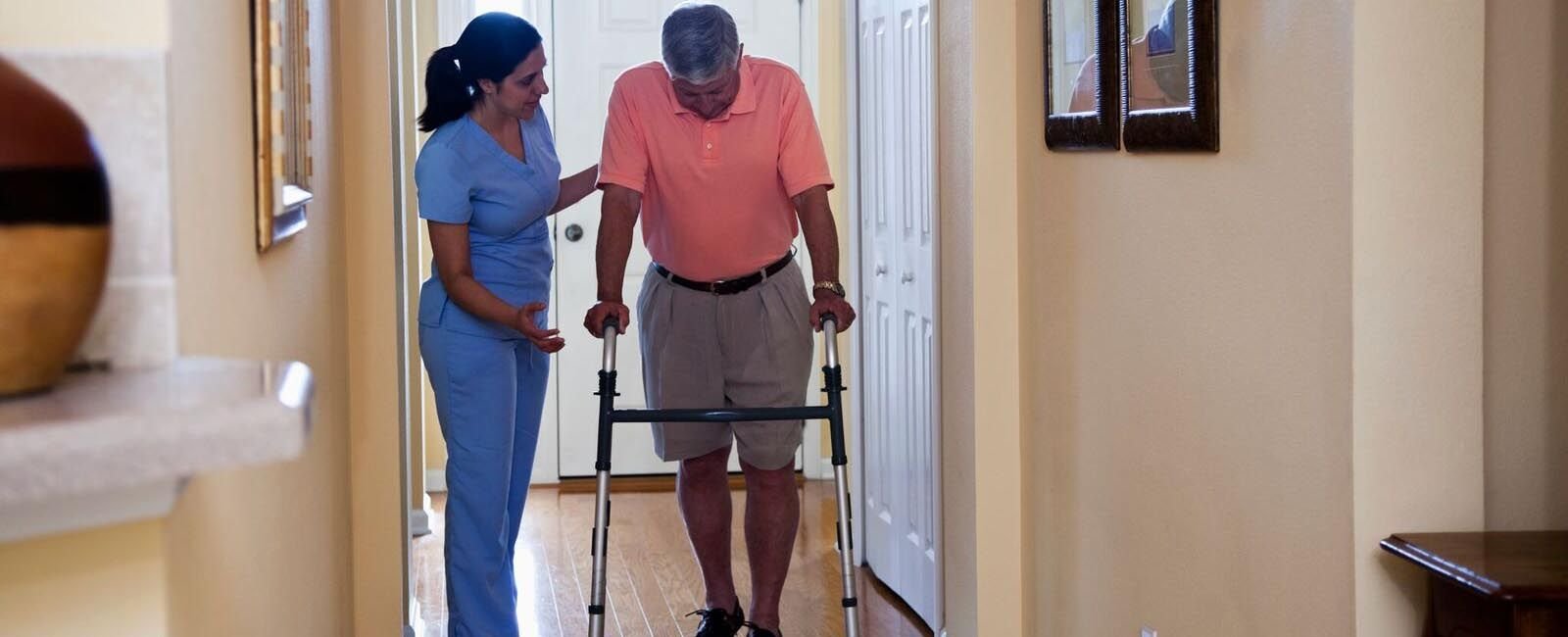
Independent Living means freedom. The freedom to make choices and set one’s own schedule– prepare meals, shop at the grocery store, grab an ice cream cone, pay bills—truly get up and go anywhere at any time.
While total independence is ideal, older adults may struggle keeping up with day to day tasks. When this happens, it is a good time to consider how additional elder care support can provide assistance for those forgotten chores. Additional support can provide the older adult an opportunity to continue to live independently with minimal and appropriate assistance. As health needs can change unpredictably, it is always a good idea to closely monitor the added care in the event additional services are needed. And, with the variety of support currently available, finding someone to help will extend the time one can live in a much beloved home and neighborhood.
It would be ideal if everyone who needs support could ask for it, too many older adults feel uncomfortable acknowledging difficulties. Many fear that asking for help signals the loss of independence. In reality, adding support is a key component to extending independence. While it is quite clear that changes due to aging might complicate independent living, it does not have to end independent living.
How can family and friends help?
Family and friends are a big part of maintaining independence. The best way to help is to observe. Look for clues that loved ones would benefit from elder care assistance. Some are relatively small, but important: dishes in the sink long after a meal, stained clothing, clothing not appropriate for the weather, weight loss, change in telephone use, missed birthday greetings—changes to any behavior of daily life. Others are much more significant and could cause immediate harm: missed medications or medication mix-ups, missed bill payments, scorched pots and pans, and increasing confusion.
Working together with family and friends is the best way to help older adults maintain a happy and healthy independent life.

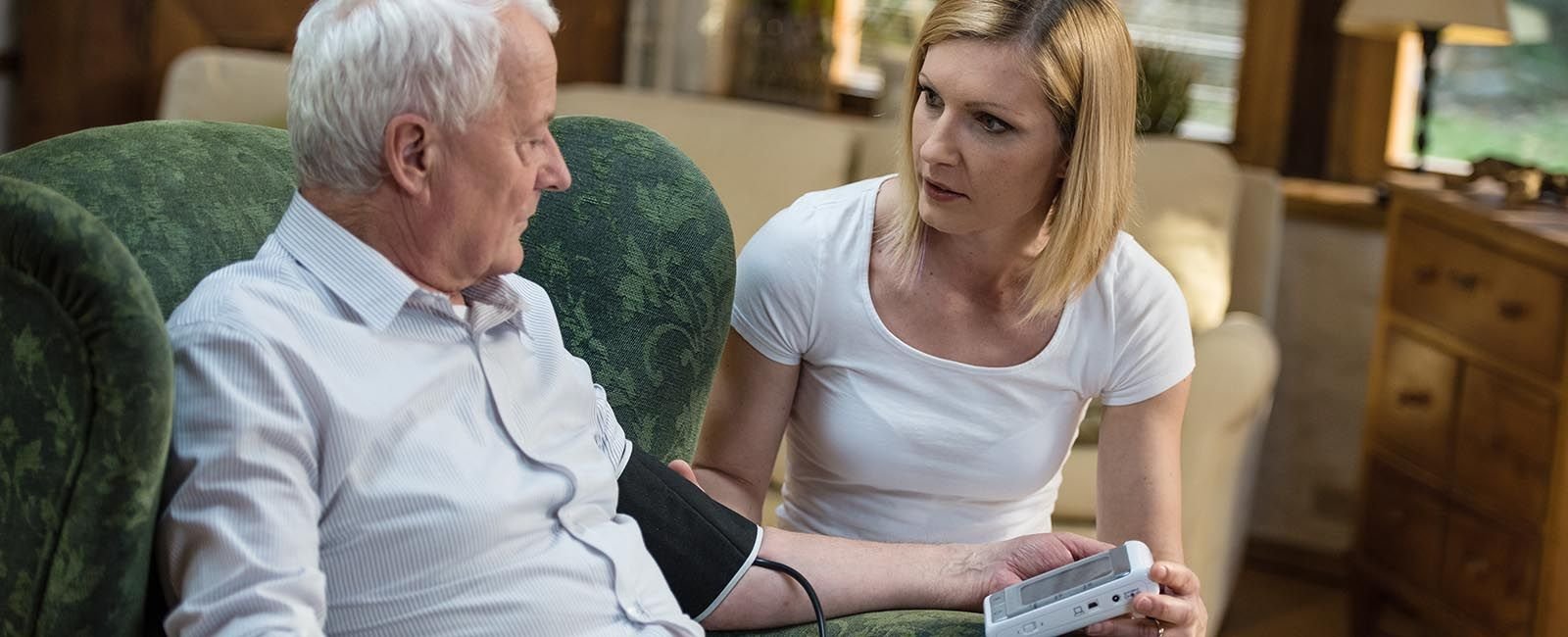

 value every one of our veteran clients and work hard to provide the level of home care that makes their lives and their loved one’s lives easier. With our customized home and nursing care, along with senior and independent living, we can assist veterans and purple heart recipients with top level home care that takes place in the comfort of their own home.
 series of discomforts affecting the eyes, skin, muscles, joints, the musculoskeletal system and even the gastrointestinal tract. Juvenile arthritis is known as a pediatric rheumatic disease that describes various types of autoimmune and inflammatory conditions that can affect children under 16 years of age.
 the No. 5 cause of death and a leading cause of disability in the United States.” [1] The sad thing about this statistic is that up to 80 percent of strokes can easily be prevented. How can you prevent this from happening to you or a loved one? Let us first take a look at what a stroke is.
 and progressive brain disorder that destroys memory and thinking skills which often leads to the inability to carry out daily tasks. Alzheimer’s disease can range from mild to severe and generally tends to worsen over time. To this day there is no known cure, but you can reduce your risk of cognitive decline by engaging in healthy lifestyle habits.
 predisposition. The majority of patients diagnosed with this disease are women and aged 20-50 years old. Common symptoms include fatigue, tingling and numbness, vertigo and dizziness, muscle weakness, and problems with balance.
 images to the brain. To catch this condition early, it is important to have yearly eye exams that include a glaucoma test. If straight lines appear distorted or wavy or there appears to be a blind spot or empty area in the center of your vision, you may have the signs of age-related macular degeneration (AMD). The disease affects the macula, the part of your retina that is responsible for central vision where the eye’s acuity is sharpest. The disease causes a blind spot that is right in the middle of your field of vision. If not treated early, consistently and aggressively, it can lead to blindness.