Category: Home Care

  • Aging with Chronic Disease: In-Home Care in Bethesda & Montgomery County, Maryland

    Aging with Chronic Disease: In-Home Care in Bethesda & Montgomery County, Maryland

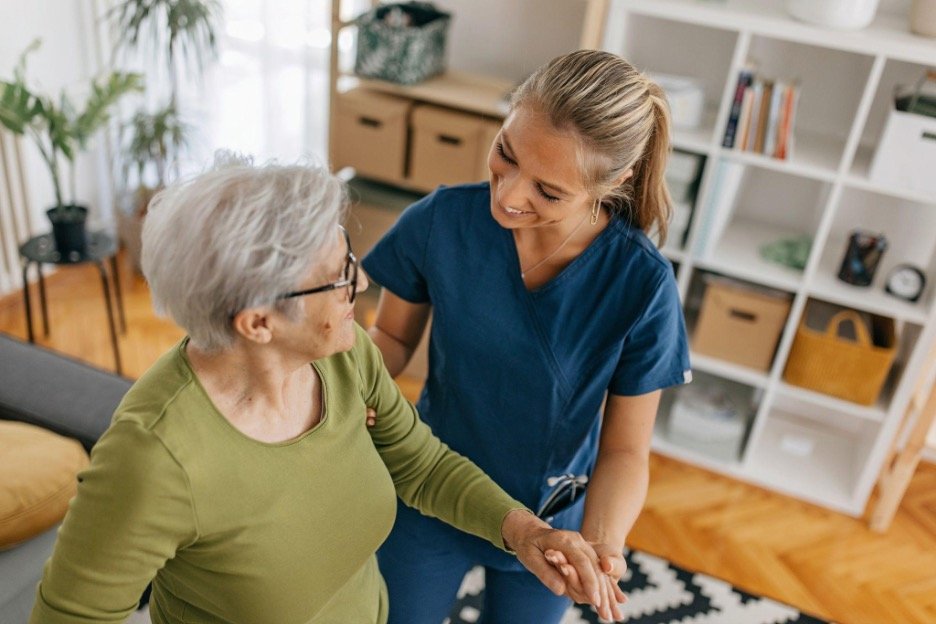
    Managing a chronic condition can feel overwhelming especially when it involves ongoing monitoring, medications, and lifestyle adjustments. For aging adults and their families in Bethesda, Montgomery County, and throughout Maryland, the right support can make all the difference.

    In-home care in Bethesda, MD offers an effective way to manage chronic disease providing clinical expertise and daily support all within the comfort of home.

    A Comprehensive Approach: Skilled Nursing & Home Care in Montgomery County, MD

    Chronic disease management as you age can be challenging.  Skilled nursing services can help provide additional support to aging adults and their families.

    Skilled Nursing Care at Home in Bethesda, MD

    Skilled nursing services can include:

    • Medication management
    • Wound care and injections
    • Monitoring of chronic conditions
    • Ongoing clinical assessments
    • Coordination with physicians and specialists

    As a client’s condition changes, the level of care adjusts ensuring the right support at the right time.

    In-Home Care Services in Bethesda, Maryland

    Home care services in Bethesda and surrounding areas support Activities of Daily Living (ADLs), including:

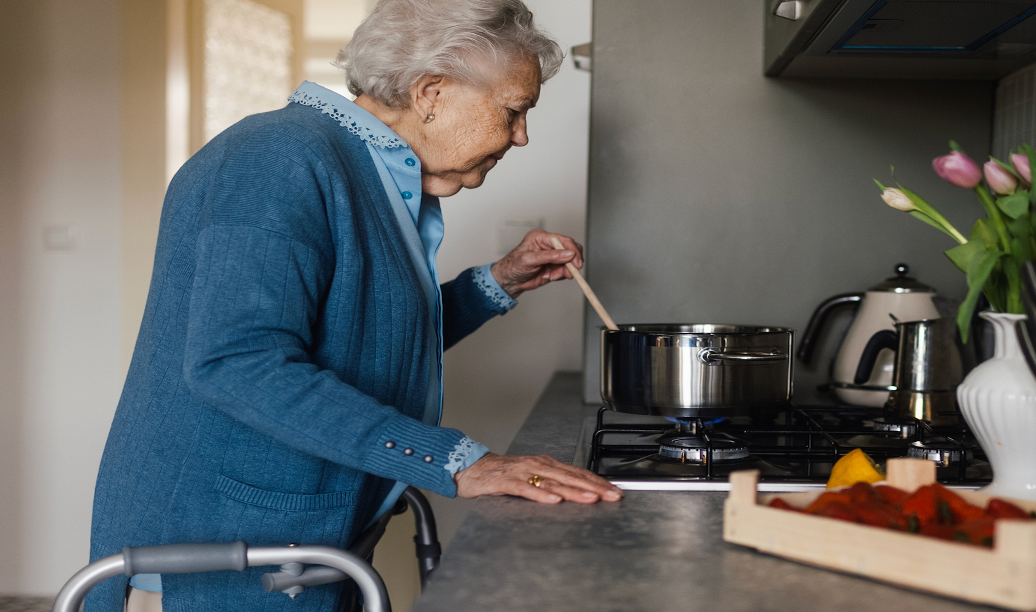
    • Bathing and grooming
    • Dressing
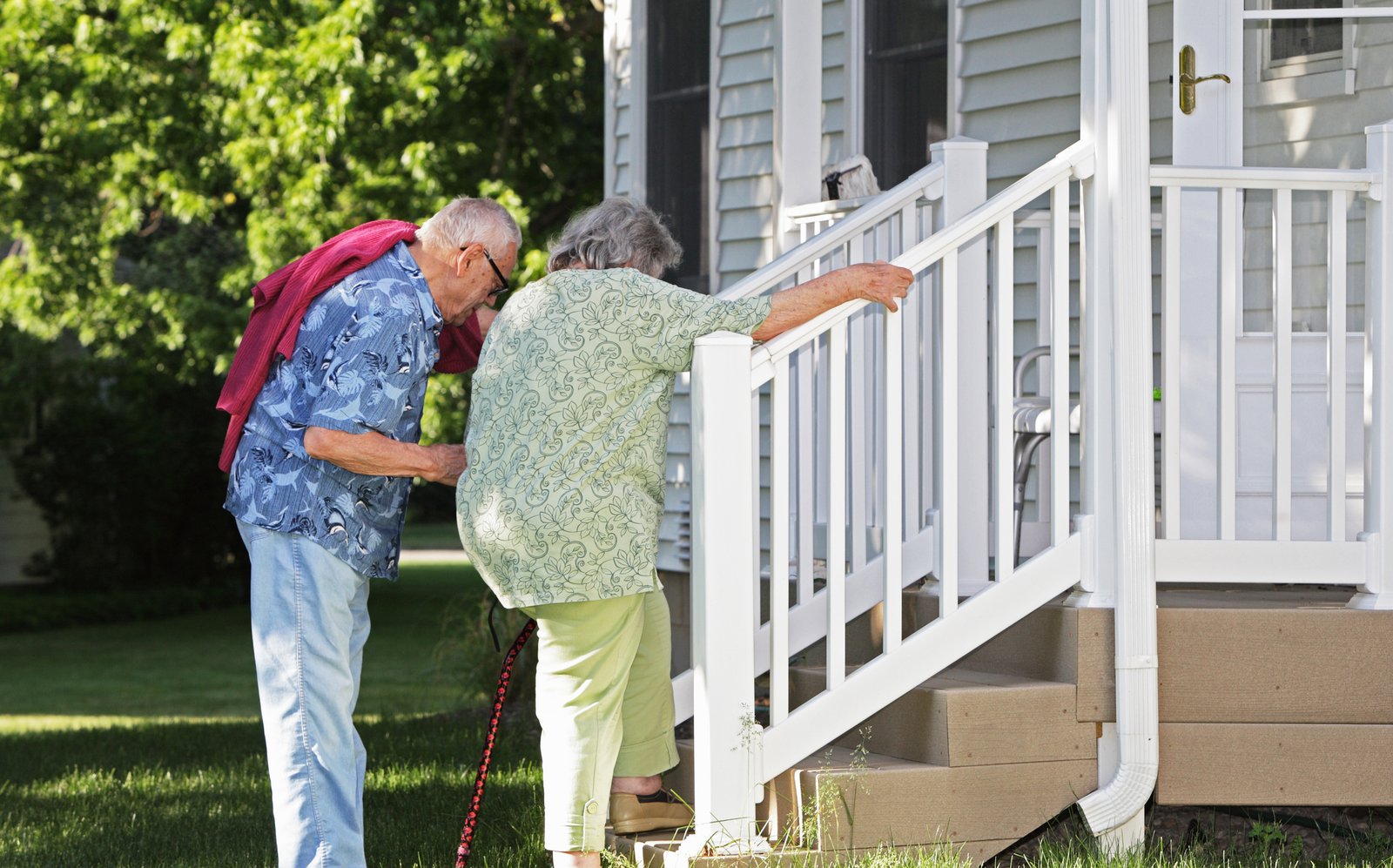
    • Mobility and fall prevention

    This support allows individuals to maintain independence while receiving the help they need.

    A Dedicated Clinical Care Team in Bethesda, Maryland

    For individuals living with chronic conditions such as diabetes, heart disease, COPD, and neurological disorders, continuity of care is an important component of care.

    Having a clinical team which includes Registered Nurses (RNs) and Licensed Practical Nurses (LPNs) provides:

    • Ongoing health assessments
    • Early detection of changes
    • Proactive interventions
    • Responsiveness to needs

    A clinical team to help support your family to assess and provide a care plan for your loved one, might avoid ongoing hospitalizations and readmittance.

    Aging in Place In The Comfort of Home

    For many seniors in Bethesda and Montgomery County, aging in place allows for greater comfort, stability, and emotional well-being.

    Receiving in-home senior care in Maryland helps individuals stay connected to their routines, their families, and their community while still receiving the medical support they need.

    Reducing Hospital Visits with Home Health Care in Montgomery County

    Living with a chronic condition often means frequent doctor visits, specialist appointments, and/or ER visits.

    A trusted home health care provider in Bethesda, MD can help reduce the stress by providing:

    • Transportation and appointment coordination
    • Post-hospitalization care and discharge plans
    • Medication oversight and adherence
    • Ongoing monitoring to prevent complications

    By focusing on continuity of care and being proactive with concomitant illnesses, you may be able to avoid unnecessary hospital visits and readmissions.

    Coordinated Care, Better Care

    Care teams work closely with physicians, specialists, clients, and families to ensure everyone is “in the know” and part of the process. This coordinated approach leads to:

    • More accurate care plans
    • Faster response to health changes and medication modifications
    • Stronger reassurance for family members

    Personalized Care Plans in Bethesda, Maryland

    Chronic disease management is most effective when individuals and families feel informed.

    In-home care services in Bethesda, MD may also include:

    • Physical therapy to improve strength and mobility
    • Occupational therapy to support daily function
    • Speech therapy for communication, swallowing and/or eating concerns

    Education is key to helping clients and families understand their condition, recognize early warning signs and be proactive in managing their condition.

    Each care plan is personalized and designed around medical needs, lifestyle, and goals, which takes into consideration recovery, underlying conditions and/or quality of life.

    In-Home Care in Bethesda, Maryland and throughout Montgomery County

    Living with a chronic condition can be challenging, with the right support, aging adults can continue to live safely, comfortably, and confidently at home.

    CarePlus provides comprehensive in-home care in Bethesda, MD and throughout Montgomery County offering skilled nursing, in-home care, and a dedicated clinical team to support every stage of chronic disease management.

    Call 301-740-8870 or contact us here.
  • How In-Home Care Supports Senior Nutrition and Healthy Aging

    How In-Home Care Supports Senior Nutrition and Healthy Aging

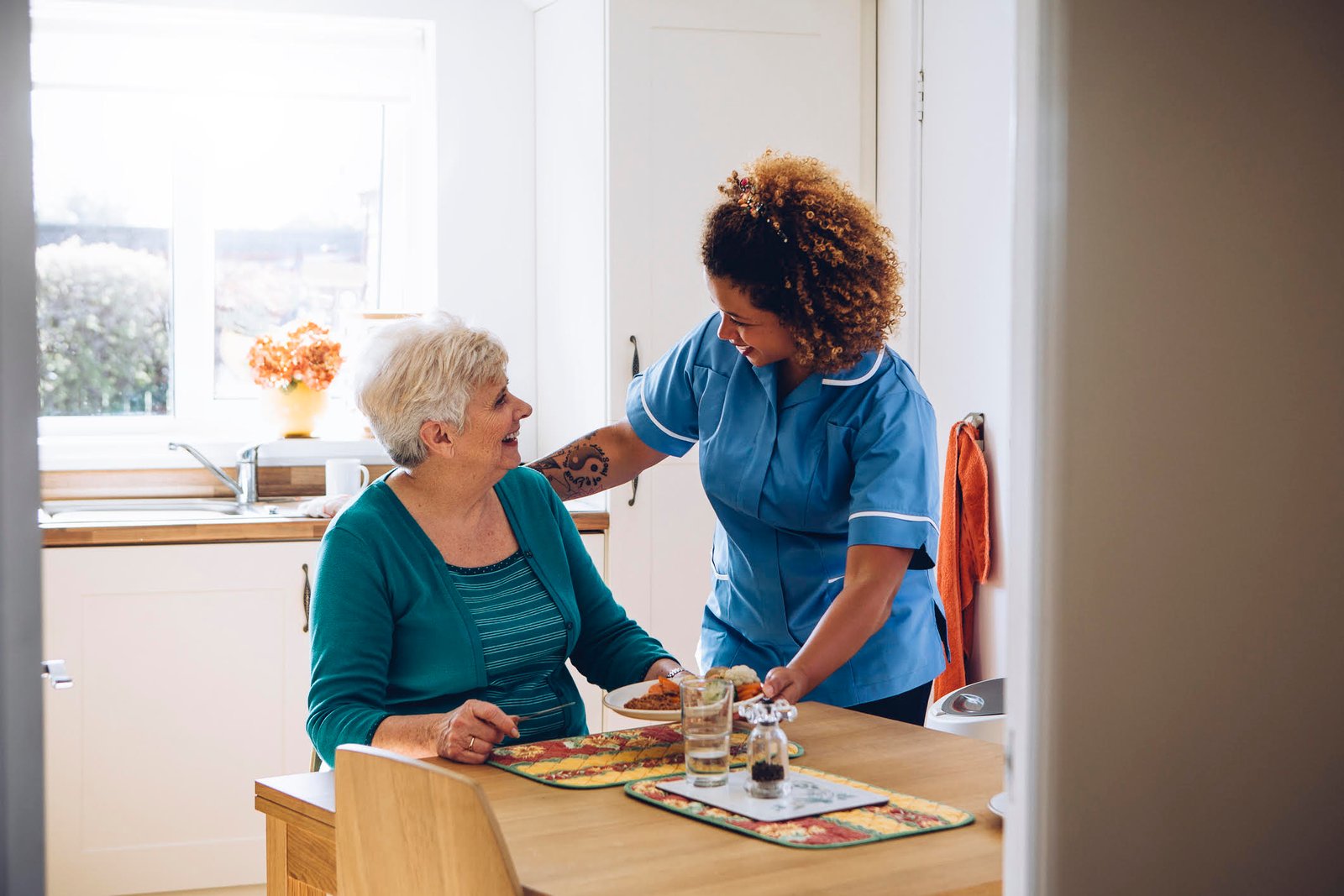
    March is National Nutrition Month, a perfect time to focus on the importance of healthy eating for older adults. As we age, nutrition plays a key role in maintaining energy, preventing illness, and supporting overall quality of life. But eating well isn’t always easy. That’s where in-home care steps in.

    The Challenges of Eating Well as We Age

    Older adults often face challenges that make it harder to eat healthy meals consistently. These can include:

    • Limited mobility or physical strength to cook or shop
    • Changes in taste, appetite, or dental health
    • Chronic conditions or medications that affect digestion or energy
    • Feelings of loneliness that reduce interest in meals

    Even with the best intentions, seniors may skip meals or rely on convenience foods that lack key nutrients like calcium, vitamin D, and protein.

    How CarePlus Helps Seniors Eat Well at Home

    For over 30 years, CarePlus has provided compassionate home care in Montgomery County and surrounding areas. Our trained caregivers help older adults enjoy nutritious meals and maintain independence right at home.

    Meal Prep & Grocery Support

    Our caregivers can assist with:

    • Grocery shopping for nutrient-rich foods
    • Meal planning and preparation
    • Encouraging hydration throughout the day
    • Ensuring regular, balanced meals
    • Helping with safe food storage and kitchen cleanup

    This daily support helps seniors get the nutrients they need without the stress.

    Nutrition as a Part of Total Wellness

    CarePlus caregivers are part of a broader wellness approach. Through our Flex Care Program, we support independent living with tailored services, including meal prep, medication reminders, and companionship during meals.

    Supporting Health, One Meal at a Time

    Eating well fuels healthy aging. It supports strong muscles, better immunity, and a happier, more energized life. If you or a loved one needs support with nutrition at home, CarePlus is here to help, whether it’s a few hours a week or round-the-clock care.

    For more tips on senior nutrition, visit the National Institute on Aging.

  • The Key to Aging In Place is Awareness

    The Key to Aging In Place is Awareness

    A lifetime of memories builds up in a home, and people often prefer growing old where they raised their children and hope to spend time with the next generation. This rosy vision doesn’t always pan out when the challenges of aging arise, prompting older adults and their children to consider key factors such as home layout, health, and help available. These concerns could mean the difference between staying in the family home or making a late-in-life move.

    Look at the Layout

    Those doorframes with height lines are not the only legacy aspects of a family home. Most of the house was organized when young, strong adults moved in, and rearrangements were probably made to accommodate growing children. Aging in place requires a different design approach, including:

    • Cupboards need to be reorganized to make regularly used items more accessible. For example, cabinets that require a long reach or a stepladder should be avoided.
    • Furniture should be situated to allow easy circulation.
    • Clutter reduction can help make it easier to maintain cleanliness, which is safer for both balance and health.
    • Accessibility may include some minor remodeling (e.g., grab bar installation).

    The key is to identify safety, needs, access, and comfort for an older person with some infirmities. Additional reorganization may be needed for those with memory issues or other specific conditions.

    Healthy at Home

    Day-to-day living is a challenge for people with health concerns. Weakened physiques from heart conditions, arthritis, or osteoporosis may make it more difficult to manage household upkeep. Chores like cleaning, tidying, and grocery shopping require strength. An inability to keep up with these activities can lead to an unhealthy living environment, exacerbating the problem.

    Living in the family home has potential health impacts that increase over time.

    • Medications add up, and older adults often have a pharmacopeia to manage, and arthritis or memory issues can prevent the regular dosage most medicines require.
    • Appointments for medical visits can be difficult to get to when older eyes and reflexes should avoid driving, yet they are even more critical to attend.
    • Isolation becomes increasingly dangerous as people age, since mental health is impacted by loneliness, and minor accidents can be fatal.
    • Activity as simple as going for a walk requires more effort for a person impaired by health issues, but regular exercise, fresh air, and sunlight can promote well-being.
    • Daily Living becomes progressively harder with age, necessitating assistance with tasks such as dressing, hygiene, and cooking.

    Help is Available

    Despite the challenges, knowledge is power. Whether it’s a family member or home healthcare service, having support can make aging in place more feasible. Being strategic and proactive can allow an older person to live a safe and happy life in their home. CarePlus Home Health has been providing a comprehensive range of services customized to meet the needs of its clients in Montgomery County for 30 years. For its contributions to the community, CarePlus is the recipient of the Large Business of the Year award with the Greater Rockville Chamber of Commerce for 2024. Contact us today by calling 301-740-8870.

  • Is it Time to Assess Your Living Situation and Consider In-Home Care?

    Is it Time to Assess Your Living Situation and Consider In-Home Care?

    As the summer draws to an end and the days grow shorter, it’s natural to consider what changes might be needed to prepare for the coming seasons. This change can turn into a broader reflection on more significant changes that might be necessary in our lives, which is particularly important for people who are getting older and want to continue living comfortably and safely in their homes. As we age, our needs evolve, and adjustments to support our well-being and independence are essential. One significant step in this direction is considering in-home care.

    Recognizing the Need for In-Home Care

    Staying at home while growing older, or “aging in place,” is a priority for many older adults. Moving to new housing can mean giving up on memories, a familiar community, and proximity to a lifetime of cherished friends, services, and activities. However, aging in place can be a challenge since most people do not live in homes that are adapted to the needs of older adults. It is critical to identify these needs and recognize when additional support can help maintain a high quality of life. Consider some of the following issues:

    1. Difficulty with Activities of Daily Living (ADLs). Routine tasks like cooking, cleaning, or bathing may feel overwhelming or even impossible. They bring greater risk when a person is physically frail or has memory challenges. If you or a loved one is struggling with ADLs, in-home care can provide the necessary assistance to maintain independence.
    2. Frequent Falls or Mobility Issues. Balance and coordination can deteriorate with age, increasing the risk of falls, which can have severe consequences on older bones. In-home care providers can help with mobility and be there for immediate assistance if a fall does occur. They can also help identify ways to improve the home environment to make it safer and more accessible, reducing the likelihood of accidents.
    3. Chronic Health Conditions. Managing chronic illnesses requires medication management, regular monitoring, and specialized care. In-home caregivers can provide support tailored to specific health needs and transportation to medical appointments. By following medical routines and identifying changes in symptoms and overall health, in-home caregivers can make sure that health issues are properly and promptly addressed.
    4. Social Isolation. Aging in place may be preferable to moving, but loneliness and isolation are common challenges for older adults, especially those living alone. In-home care can offer companionship and social interaction, vital for mental and emotional well-being.
    5. Caregiver Burnout. If family members or friends provide care, they may eventually feel overwhelmed. Hiring a professional caregiver can alleviate some of this pressure, allowing loved ones to focus on spending quality time together rather than solely on caregiving duties.

    The Benefits of In-Home Care

    Choosing in-home care can bring numerous benefits, not only for the individual receiving care but also for their families. A trained caregiver can identify and mitigate potential hazards in the home, such as loose rugs or inadequate lighting, and assist with mobility, reducing the risk of falls and injuries. In-home care providers can help manage chronic conditions, see to it that medications are taken correctly, and provide assistance with daily activities, which can lead to better overall health outcomes. Regular visits from a caregiver can reduce feelings of loneliness and provide meaningful companionship, improving mental health and emotional well-being. Finally, knowing that a loved one is receiving professional care in the comfort of their own home can bring significant peace of mind to family members, especially if they live far away or have other responsibilities.

    Preparing for the Future

    As the seasons change, take this opportunity to assess your living situation or that of a loved one. Consider whether in-home care might be a beneficial addition to your current routine. By making proactive adjustments and embracing the support of professional caregivers, you can continue to enjoy the comfort of your home while addressing the evolving needs that come with aging. Whether it’s arranging for minor home modifications, enhancing social connections, or hiring in-home care, the steps you take now can make a significant difference in your ability to age in place safely and happily.


    For additional information call 301- 740-8870.

  • Creating Cherished Memories: Fun Holiday Activities with Aging Family Members

    Creating Cherished Memories: Fun Holiday Activities with Aging Family Members

    The holidays are a time for family and friends, and it is important to find ways to make sure that aging family members can participate in annual traditions. When gathering together, whether for a brief visit or a special local activity, be sensitive to the needs and challenges that older loved ones can have when it comes to some activities and find them enjoyable and engaging. As we gather together, find enjoyable and engaging ways to feel the holiday cheer. Here are some suggestions.

    Festive Activities to Enjoy Together

    Baking and Cooking Together

    Family recipes can go back generations, and special meals often feature treasured dishes passed down from parent to child. Keep up the tradition by spending time in the kitchen learning the secret tips and tricks from the older family members to produce beloved cookies or savory dishes. This time spent together can involve all ages and include storytelling about past meals and times spent together. The aromas wafting through the house are an added bonus.

    Decorating the Home

    Home decorating for the holidays often includes a variety of steps, some more complex than others. Working together to pull out the annual decorations and deciding how to arrange them for the season is a great joint activity. The very oldest and very youngest family members can participate in the layout and some of the simpler decorating activities, making them feel like they are a part of the process.

    Holiday Movie Marathon

    An evening can be all the cozier with the entire family settled in for a holiday movie marathon. Choose classics that the whole family can enjoy, and relax with snacks and beverages for a low-key activity that lets everyone spend time together.

    Crafting and DIY Projects

    Get creative with holiday-themed crafts. Making homemade ornaments, wreaths, or holiday cards can be a fun and fulfilling way to spend time together. Tailor the complexity of the projects to match the abilities and interests of your aging family member.

    Memory Sharing Sessions

    For families that live apart and even those whose busy lives don’t always allow them to focus on older relatives, the holidays are an opportunity to hear the stories, gather the wisdom, and learn from the experiences of older family members. Consider topics like favorite holiday memories or diving deeper into family history. It’s a great idea to record these sessions to preserve the memories.

    Recognizing Signs That an Older Family Member May Need Help

    While the holidays are a time of joy, they also provide an opportunity to observe the well-being of our aging family members. Here are some signs to look out for that may indicate they need some extra help:

    Changes in Physical Appearance

    Noticeable weight loss, changes in personal hygiene, or an overall decline in grooming can be signs that your family members are struggling to take care of themselves.

    Mobility and Balance Issues

    If you observe difficulty walking, frequent falls, or hesitancy to move around, it may be time to discuss mobility aids or modifications to the person’s living environment to ensure their safety.

    Cognitive Changes

    Forgetfulness, confusion, or difficulty following conversations and tasks can indicate cognitive decline. Be attentive to these signs, as they may require professional evaluation.

    Emotional and Behavioral Changes

    Look out for signs of depression, anxiety, or withdrawal from social activities. These changes in mood and behavior can signal that your loved one is feeling isolated or overwhelmed.

    Difficulty Managing Daily Tasks

    Struggles with basic tasks such as cooking, cleaning, managing medications, or handling finances can be red flags that your family member needs additional support.

    Combining fun holiday activities with mindful observation ensures that your aging family member feels included, loved, and well-cared for. The holidays are a time to cherish each other’s company and create beautiful memories while staying vigilant to any signs that extra help may be required. If you observe that your family member may need additional assistance, here are some services that CarePlus offers. Contact us to learn more.

    Enjoy this special season with your family, and may your holidays be filled with warmth and joy.

  • Loneliness and isolation in the aging community

    Loneliness and isolation in the aging community

    Social connections are vital to good physical and mental health. The importance of socializing and making connections with others should not be underestimated. 

    During the pandemic, many older adults were lonely and isolated. There is no question that technology helped minimize some of these social issues. Facebook, Zoom, and other online forums created opportunities for people to connect and engage with family and friends. However, the lack of in-person interactions still had a detrimental impact on the emotional well-being of many older adults. 

    According to NIH studies show that “everyone needs social connections to survive and thrive. But as people age, they often find themselves spending more time alone. Being alone may leave older adults more vulnerable to loneliness and social isolation, which can affect their health and well-being. Studies show that loneliness and social isolation are associated with higher risks for health problems such as heart disease, depression, and cognitive decline.

    As home health care experts, we are here to help older adults and their families avoid the impact of loneliness and isolation. Here are a few suggestions:

    • Each week make time to visit a loved one (in person). Bring your family with you. If pets are permitted, bring them along.
    • When visiting a loved one plan a fun activity, take a walk, enjoy cookies and tea or engage in a hobby of their interest. Reading stories and playing games also can be good cognitive exercises.  
    • While visiting, teach your loved one how to join a Zoom call and plan for virtual visits with family and friends.
    • Call older adults regularly and encourage them to call you.
    • Encourage your loved ones to participate in activities at their senior center or place of worship.

    We can help!  A caregiver can provide companionship so that your loved one has the support they need on a regular basis. In addition, they can assist with other daily needs. 

    CarePlus Home Health provides compassionate home care with experienced and trustworthy caregivers. Our caregivers are licensed and certified by the Maryland Board of Nursing. Call us at (301) 740-8870 for a consultation. We serve the Gaithersburg, MD, and Montgomery County, MD areas.

  • Being Prepared for Parkinson’s Disease

    Being Prepared for Parkinson’s Disease

    April is Parkinson’s Awareness Month, and the theme for 2022 is preparing for the future. When you or a loved one are diagnosed with Parkinson’s Disease, preparing for the future includes planning for and managing care related to this progressive disease. Here is some important information regarding Parkinson’s.

    What is Parkinson’s?

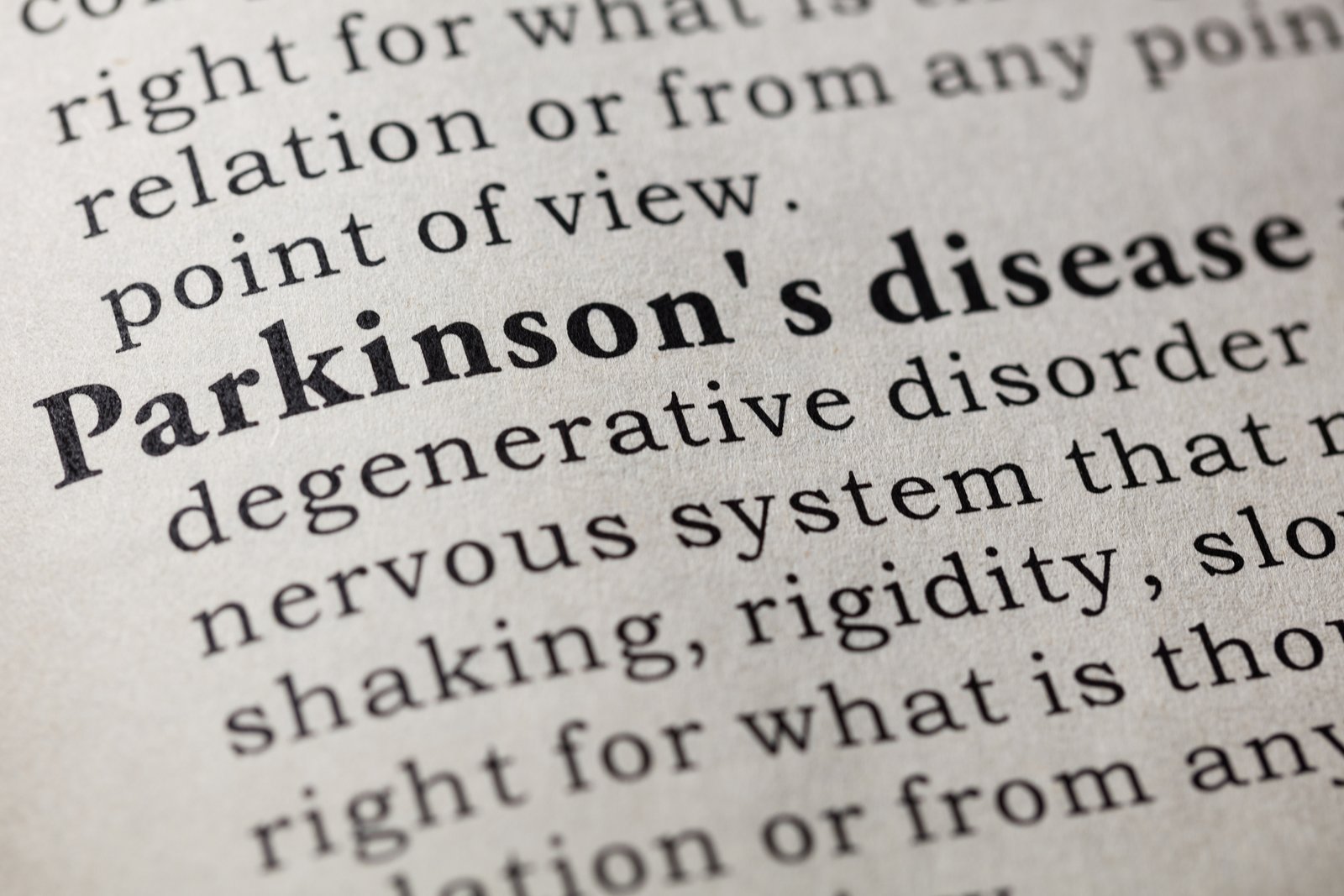
    Parkinson’s is a degenerative neurological disorder that affects movement. Symptoms of Parkinson’s include increasing tremors, particularly of the hands, rigid limbs, balance and gait problems, and slow movement or freezing known as Bradykinesia. Treatment options include medications and surgery.

    How Does Parkinson’s Affect Quality of Life?

    Parkinson’s is a progressive disease, which means that the symptoms manifest and change over time. Because of the interference with motor skills that occurs with Parkinson’s, people with the disease experience reduced capacity for activities of daily living. This can include operating machinery such as a car, and even simple activities like taking a walk can be difficult for someone with Parkinson’s symptoms. Other activities, like managing finances, can be impaired because there is a physical element to things like paying bills or simply making a phone call to a financial advisor. As the disease progresses, basic mobility, bathing, dressing, and feeding oneself become impossible without assistance.

    Planning for Parkinson’s

    Generally, a Parkinson’s diagnosis occurs after some symptoms have begun to show, but before the disease has progressed very far. This creates an opportunity to plan for the eventual degeneration of physical abilities that occurs in all people with Parkinson’s. Before reaching the critical phase, a person with Parkinson’s, or their loved ones, should consider where they want to receive care. If they want to remain at home, they will need to plan. This can include some basic or major remodeling that is best done before the need arises. Planning should also include identifying the care that is and will be needed with everything from getting to doctor’s appointments, basic housework, and physical care.

    Based in Gaithersburg, CarePlus Home Health is a Montgomery County home healthcare provider, working with clients in Maryland and Washington, DC. We have a team of experienced caregivers who work with people with Parkinson’s, and we understand the challenge of meeting the change in a person’s abilities as it progresses. We begin our work with a client with a thorough in-home assessment, and we revisit our client’s needs regularly to make sure that they are receiving the care they need. For more information about our special services for people with Parkinson’s, contact us today.

  • Flex Care Meets the Needs of the Individual

    Flex Care Meets the Needs of the Individual

    No two people age alike. Growing older can be a dramatically different experience from one person to another due to physical, mental, and emotional developments, as well as choices made such as where and how to live. Some aspects of aging can be managed with attention to diet, exercise, and social interaction. By acknowledging the unique needs of each individual, it is possible to maintain comfort and stability, and even increase longevity.

    Some aging adults elect to relocate to a home that can accommodate their evolving needs as they age. Independent living communities are an option allowing older adults to access a range of amenities and services while keeping significant freedom to manage their own lives. This can sometimes mean that there is a gap between the needs of the individual and the offerings of the community. At CarePlus Home Health, we offer Flex Care to individuals living in independent living communities in the Montgomery County and surrounding areas to bridge that gap and make sure that their specific needs are met.

    What is an Independent Living Community?

    For older adults, owning a home can be difficult. In addition to maintenance responsibilities, many things that are necessary or make life enjoyable can become more difficult when living alone. Isolation can increase as communities evolve, neighbors move, and getting out become more of a challenge. Enter independent living communities. These residential facilities are reserved exclusively for people over a specific age, and they offer on-site amenities like hair salons, exercise facilities, onsite medical offices, dining, and social and cultural events specifically curated for the residents. All residents have private dwellings – whether it is an apartment, townhome or house, and they pay a monthly fee that takes care of the grounds and pays for the amenities. Having access to these the community while still living in a private home is the principal attraction.

    What is missing from Independent Living?

    With the independence of a private home within the community, sometimes residents still need additional support. Short of moving to a smaller, less private, more institutional facility like assisted living, many aging adults in independent living want to continue enjoying their lives but need help. Conditions like failing eyesight, mild dementia, or arthritis can make some basic aspects of daily living a major challenge that can easily be tended to with a little help. The independent living community array of services generally stops at the door of each home, so residents need to make arrangements to meet these additional challenges.

    Flex Care for Customized Individual Support

    CarePlus can meet the needs of residents of independent living communities with a range of services like: shopping, housekeeping, escort to medical appointments, meal prep, bathing/dressing, other errands. After a free home assessment, the team at CarePlus can offer as little as 30 minutes of assistance daily, weekly or as needed to make sure that life is safe and comfortable. Having the flexibility of picking the services, the timing, and the frequency allows the greatest continued independence without missing out on essential needs.

    Sometimes the needs of the individual go beyond the home. Helping with the logistics of hospitalizations, rehabilitation, and transitions to and from a medical facility to home is one of our key competencies. We also can work with clients and their families to coordinate out-of-town visits as well as help keep lines of communication open.

    Flex Care for the Community

    Our team of trained, licensed and certified professionals can also provide services to the entire independent living community. With pop-up wellness clinics, lunch & learn programs, and other onsite services, CarePlus Home Health can work with the independent living staff to provide welcome additional programming.

    We believe that every individual deserves to age in dignity and comfort. We understand that this requires the ability to adjust our services to the specific needs of our clients. If you are an older adult in an independent living community in Montgomery County, staff of the community or a family of a resident, contact us to find out how we can help.

  • Holiday Hints for the Sandwich Generation

    Holiday Hints for the Sandwich Generation

    The holidays are fast approaching. While they are a time of togetherness and joy, for some family members, the responsibilities add up, which can make this time feel stressful and difficult to manage. Known as the “Sandwich Generation,” adults who have children under the age of 18 and parents over the age of 65 experience the caretaker role on both ends of the age spectrum. Planning for the holidays involves many moving pieces, and it helps to keep some of the following goals in mind.

    Be Prepared

    The holidays are about a lot of things, but food and fun are two major aspects of the end-of-year season. With that in mind, and knowing that you will be spending a lot of time with a full household, try to plan for activities and hungry hordes. Stock up on snacks, consider buying some board games, and if you plan to go anywhere, make sure to check into reservations so you don’t leave the clan hanging.

    Coming Together

    The movies make holidays seem like a fun, chaotic series of activities where everyone spends time together and has a wonderful time. They sure can be, but when there are younger children and older parents involved, it’s worth being a little more realistic in the approach. Instead of a family game of football, consider something a little easier on the knees and hips like a walk in a local park. If mobility is an issue for a parent, you can also plan fun indoor activities like an arts and crafts project, or participate in the meal preparation. The key is to assess the abilities of all the participants and come up with something where everyone can feel included.

    Giving Them a Break

    Family is all about love and togetherness, but sometimes, it can be tiring to interact with another generation for too long. The kids need to have some activities that let them get their wiggles out. Parents need to have time to rest and also some quality adult time. Whether you are the type to build a complete schedule of activities for the entire holiday, or you like to wing it, make sure to include some time where the generations can relax.

    Taking Care of Yourself

    It’s hard to remember that you can’t be there for others if you aren’t there for yourself first. Make sure to keep up your health routines during the holiday. Give yourself some time to take a deep breath away from your charges, whether it’s taking the dog for a quick walk or another chance to be in the moment without two generations tugging on your arm for attention. While it’s hard to watch what you eat and drink when you are making merry, try to keep hydrated and put some limits on your consumption.

    Asking for Help

    You don’t need to do it alone. If you feel overwhelmed with the demands of the season, take stock of who can lend a hand. Visiting family may be able to step in for some responsibilities, but if it’s really all on your shoulders, consider some outside support. Housecleaning, cooking, errands and caretaking can all be found to alleviate some of the stress.

    CarePlus Home Health understands that the holidays are supposed to be a time for family, but someone has to make sure it goes off without a hitch. We can help. By being there for your loved one’s daily living needs, we can give you time and focus to make the season a time to remember. Contact us today to learn more about our services.

  • Understanding Bone and Joint Challenges

    Understanding Bone and Joint Challenges

    Our bones and joints become a source of potential serious injury as we age, and because last week was Bone and Joint National Action Week, everyone should be thinking about ways to care for these important body parts. Of course, a diet high in calcium and vitamin D are great for growing kids, but older adults need to continue to take these issues seriously. Here are some facts and tips to consider. 

    Bone and Joint Injury and Disease Facts

    According to the National Bone and Joint Initiative half of adult Americans suffer from musculoskeletal complications and many of these people require medical intervention for care. The National Institute on Aging (NIA), part of the National Institutes of health, identifies Osteoarthritis, falls and fractures, and Osteoporosis are among the most important health topics related to aging. Currently, there are some basic treatments for bone and joint injury and disease, but these conditions are often cumulative and degenerative, and the best that can be done is treatment of the pain and other symptoms.

    Prevention

    In addition to diet and supplements, the most significant way to prevent and alleviate bone and joint conditions is through a healthy lifestyle. Regular exercise strengthens muscles, which eases the strain on bones and joints. Luckily, it’s never too late to start, but if exercise hasn’t been a part of daily activities, it is important to consult with a physician before starting a new program. 

    Treatment and Care

    Individuals with debilitating bone and joint problems, including severe pain, can find their lives impacted in many ways. Simple tasks like laundry, cooking and cleaning can become major hurdles. In order to maximize independence and minimize pain, it is important to follow doctor’s orders about medication and treatment like physical therapy. Where an extra pair of hands can help with things that require dexterity like folding laundry or dicing vegetables, home health care can make a huge difference in continued life enjoyment. 

    At CarePlus Home Health, we work with clients to help them feel able to stay in their homes as long as possible. We do this by assessing their needs and providing trained, professional assistance to round out their lives in the ways that make the most meaningful impact. For clients with bone and joint challenges like arthritis, we can assist with meal preparation, laundry and other household activities that may be impacted. For more information about how we can help, contact us today for a free assessment.