Category: Mental Health

  • Alzheimer’s & Brain Awareness Month

    Alzheimer’s & Brain Awareness Month

    June is National Alzheimer’s & Brain Awareness Month. This month CarePlus Home Health took part in programming that helped us raise awareness and support for Alzheimer’s Disease. 

    Alzheimer’s Disease is a progressive disease that damages memory and other important mental functions. Memory loss and difficulty thinking are common symptoms and contribute to mental decline. Some other symptoms are:

    • Problems with language, visualizing and spatial relationships 

    • Difficulty performing familiar tasks 

    • Disorientation with time and place

    • Poor judgment 

    • Attention issues

    • Changes in mood, behavior or personality  

    • Loss of desire or initiative

    Better Care, Better Health – Alzheimer’s Association National Capital Area Chapter


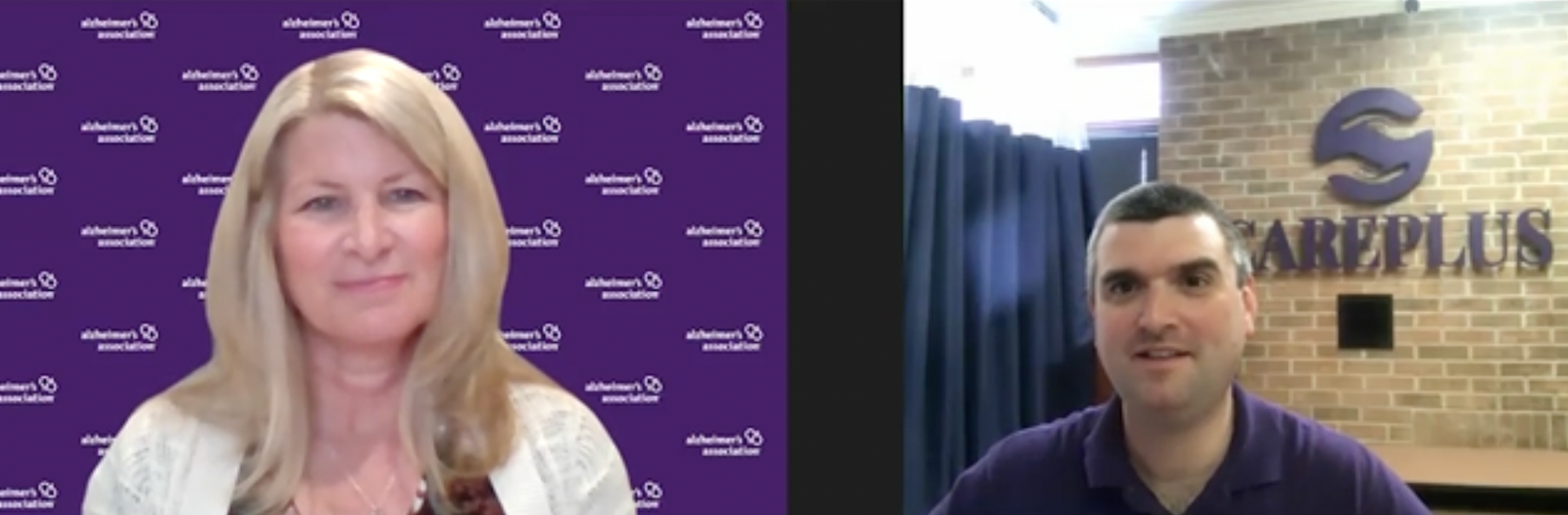
    Our CarePlus Executive Director, Andrew Ryan, sat down with Sheila Griffith, Program Manager for the National Capital Area Chapter of the Alzheimer’s Association. They discussed all of the exciting programs coming up for the Alzheimer’s Association including the Longest Day and the Alzheimer’s Walk!


    The Alzheimer’s Association National Capital Area Chapter offers many different resources to support you and your loved one in all stages of the disease. From support groups to educational programs, there is something to guide everyone through this difficult time. 

    CarePlus is here for you!

    Our services are adjusted to meet your needs. Whether you need us for a few hours a day, or 24/7, we can support you and your loved one. Our caregivers can help with memory care, lifestyle strategies, nutrition and daily living, physical stability, mobility and exercise, and fall prevention. 


    Let’s Get Started. Call us today at (301) 740-8870 or email us at info@careplusinc.com to discuss your needs. We are here 24/7 to help you.


  • Depression in Older Adults

    Depression in Older Adults

    It’s Not Just “Getting Old” – Depression in Older Adults

    May is Mental Health Awareness month, and the National Institute on Aging, a part of the National Institutes of Health cautions that, “Depression is a common problem among older adults, but it is NOT a normal part of aging.” This year, the theme is “you are not alone,” and friends, family and caretakers of older adults can support them by learning more about the issue. Understanding the symptoms, some potential causes, side effects of medication, and beneficial treatments are critical to supporting our loved ones who may be suffering needlessly.

    Hiding in Plain Sight – Disguised Symptoms

    As people age, their energy, sleep, attention span, appetite and other factors evolve. This may be a natural progression, or they may be key indicators that someone is suffering from a mental health challenge. According to the National Institutes of Mental Health, physical symptoms include “chronic joint pain, limb pain, back pain, gastrointestinal problems, tiredness, sleep disturbances, psychomotor activity changes, and appetite changes.” The Harvard Health Blog also notes that “depression can … impair your attention and memory, as well as your information processing and decision-making skills.” If an older person is showing these symptoms, they should have their mental health evaluated for possible treatment.

    Potential Causes

    Depression is a complicated condition, and it has a variety of causes. According to the Mayo Clinic, depression can be a chemical imbalance in the brain brought on by situations, genetics, hormones, other medications and a variety of additional factors. Older adults are particularly at risk for some situational causes such as grief, isolation, and physical pain. Aging itself can be a difficult transition for some people to accept. If an older adult is going through a potential trigger for depression, it’s important to monitor their mental health for signs of depression.

    Side effects of Medication

    Medications seem to be an inevitable part of the aging process. Whether it’s treatment for another condition that has been known to cause depression (e.g. beta-blockers and Parkinson’s medication), or side effects of anti-depressant medications themselves (e.g. sedation), an older adult taking medication should be confirming the potential side effects of their prescriptions, and advising their provider of all medications being taken. Today’s Geriatric Medicine notes that older adults have diminished function of some organs and their immune system, so they need to be particularly cautious about medication.

    Beneficial Treatment

    In addition to medication, there are excellent therapies that can treat depression. Individual and group counseling can have a significant effect on depression as well as introduce an additional trained professional to monitor the situation. Exercise, sunlight, and vitamin D have been shown to help alleviate depression as well. For serious cases, Transcranial Magnetic Stimulation, Electroconvulsive Therapy and hospitalization are options. If a person is suffering from depression, they should confer with their medical provider about options and referrals for treatment.

    At CarePlus, our staff are trained to recognize the symptoms of depression, and to support aging adults with medication reminders, meals, exercise, and their healthcare appointments. To get started, call us today at 301-740-8870 or email us at info@careplusinc.com to discuss your needs.

  • Staying Cognitively Active

    Staying Cognitively Active

    Can we help prevent cognitive change?

    We know that as we age, our body and brain change as well.   Every so often we might forget a name, word or birthday. While inconvenient, is it indicative of something else? Some forms of forgetting are expected, while some may signal a more significant change. Can any of these changes be prevented, or, can we slow down the changes? Research does seem to indicate that we can help slow down these changes.

    While there are quite a few risk factors for cognitive change beyond our control, there are activities that we can control that could help slow down these changes.  These activities include: eating healthy, regular exercise and consistent mental and social interactions. These lifestyle habits seem to comprise a promising strategy to prevent cognitive decline. Journal of Geriatric Medicine

    Given the continuing research into the aging brain, and the increase in our older population, we can expect more studies, research and helpful strategies to slow down these changes. So, let’s do our part and start engaging in these strategies.

    Let’s take a look at these three activities that may help a healthy brain.

    Eating Healthy

    In our March blog we discussed healthy eating and shared our tips for successful eating plans. Healthy eating is a good defense against many diseases and ailments–both physical and mental. The research continues to support the benefits of well-planned meals filled with fruits, vegetables, lean meats and fish. A Mediterranean style diet includes whole grains, legumes, fruits, vegetables, olive oil, nuts and fish. This diet continues to deliver health benefits that can: lower cholesterol, help with weight loss, improve rheumatoid arthritis, and reduce the risk for developing Alzheimer’s disease, diabetes, and various types of cancer. Harvard Medical School, Health Blog 2013.

    Regular Exercise

    After checking with your doctor, develop an exercise plan that works for you. Find a good pair of walking shoes and take that walk, attend an aerobic exercise class, enroll in a strength training program, try water aerobics or even ballroom dancing. When you get moving you find yourself feeling better, moving better and, yes, the research suggests thinking better.

    Mental and Social Interactions

    Staying Cognitively Active

    Keeping your brain active includes not only socializing with friends, but learning new skills as well. The National Institute on Aging (May 17, 2017) noted that: “engaging in meaningful activities, like volunteering or hobbies, help you feel happier and healthier.  Learning new skills may improve your thinking ability, too.” Research seems to indicate that adults who learn something new help improve their memory.  And, as it happens, April is National Volunteer month. This is a great month to offer your skills, time and expertise to help others—keep your brain active as well. And, remember there are other ways to exercise your brain: read a good book, teach a class, learn a new hobby, etc.

    So, while the evidence is still coming in, eat well, exercise often and keep your brain strong and ready with new activities and social connections –for your best future!

    And, if you need assistance, we are here to help you by providing fall prevention assistance, skilled nursing and palliative care, as well as caregivers for dementia care and other elder care needs.


  • Holidays and Dementia — How to Make it Work?

    Dementia is a difficult disease to handle at the best of times–but mix in the constant sensory stimulation of the holidays with an influx of family members, and you could have a recipe for disaster! Dementia patients are often easily distressed, and depending on the variation they suffer from, they could even become aggressive or violent. Luckily, a little advance planning and some honest, open discussion among family members can keep your holiday memories from becoming cringe-worthy.

    Remember to tailor your response to your loved one’s dementia based on their specific symptoms and how advanced the disease is; not all of the tips below will apply to everyone!

    Dealing with Dementia

    A senior citizen with Alzheimer’s disease or dementia has very different needs than many other family members; try to keep them comfortable. Remember to keep a favorite sweater or a warm blanket handy in case they get cold; as we all know, the elderly often feel the winter nip in the air more keenly than those who are younger!

    Many times, a loved one with early or moderate-stage dementia may feel the need to help with holiday preparations; after all, they’ve been doing it their entire lives! Rejecting their offers of help, even out of the best of intentions, can foster wounded feelings. Instead, ask them to help with simple, repetitive tasks, like stringing popcorn and berries for garlands, or signing cards from the whole family. Not only will it cut down on your own load, but repetitive tasks can be soothing for those suffering from dementia.

    Remember that disruptions of routine can be upsetting to dementia patients; try your best to keep their regular schedule! If you have morning or evening routines with your loved ones, don’t let the holidays preempt them; starting and ending the day on the right note can lead to a reduction of stress for everyone involved.

    If traveling is difficult with your elderly loved one, don’t be afraid to ask family and friends to come to you. The holidays are a time to be with the people you care about–and right now, one of those people has some very special requirements. There’s nothing wrong with adjusting family traditions to better facilitate your parents’ or grandparents’ enjoyment of them! Start some new traditions!

    On the other hand, there’s a common saying among memory loss experts that goes, “last in, first out; first in, last out.” What this means is that long-standing memories–memories from decades ago–can be the memories that remain longest. Try to keep long-standing traditions; it can help your loved one remain oriented to their present time and season, and help them to better enjoy the holidays without becoming totally confused.

    Preparing Family for the Differences

    Before they arrive for the holidays, have a detailed, honest, and open discussion with your family members about your elderly loved one’s condition. If siblings, cousins, or nieces and nephews haven’t seen Grandma and Grandpa in a while, it’s best to prepare them, and let them know about any memory loss. Be sure to emphasize that memory loss is not a personal insult. Many times, people can become hurt when their grandparents or parents don’t recognize them, or mistake them for another family member or friend; remind them that this doesn’t mean they aren’t loved, just that your loved one is sick.

    Let them know how to gently remind your loved one who they’re with and where they are, without getting upset; although dementia patients can be intellectually confused, they can pick up on emotional cues from those around them. If the people in their vicinity are upset or emotional, chances are your loved one will be too.

    Explaining dementia or Alzheimer’s disease to children can be difficult and heartbreaking, but it can be for the best. Try to explain to any children present why they need to watch their behavior, even though they’re around family, and be sure to emphasize the first point–that if Grandpa and Grandma don’t recognize them, it’s just because they’ve changed so much!

    Celebrating the holidays with a family member suffering from dementia or Alzheimer’s disease can be difficult, but keeping your eyes open and your expectations realistic can help to curtail any hurt feelings or family disasters. Remember–your loved one hasn’t morphed into a disease. The parent, spouse, grandparent, or sibling you love is still there; they just need a little extra TLC!

    From all of us here at CarePlus, we wish you and your family members the best of holidays, and a happy, hopeful start to the new year.

  • Quick Stress Relief Tips for Family and Caregivers

    Dealing with a loved one who’s ill or incapacitated is stressful; we all know this. Unfortunately, though, the psychological needs of caregivers, family members and friends often get lost in the shuffle of arranging for care, scheduling doctor’s visits, and dealing with health crises.

    Some caregivers, especially family and friends, feel selfish thinking about their own mental wellbeing while their wife, brother, son or mother is in such dire shape, but the fact of the matter is—whether you’re a primary caregiver part of the time or simply assist while a full-time nursing aide cares for your loved one, if you’re not in good psychological shape, your ability to help is critically diminished.

    Now, this isn’t to say that you should rearrange doctor’s appointments so that you can take a spa day, but an ongoing effort to attend to your mental health—think of it as maintenance work, like you’d do for your car or a garden—can not only benefit you, but also the loved one you’re caring for.

    The question is—how do you do it?

    Relax in Minutes

    Sometimes, as a caregiver, you may feel like you don’t have the time to spare to help yourself relax; we understand. Caregiving is a full-time job, whether or not you have a nursing aide helping you. Here are a few techniques you can use when you’re stressed but only have a couple of minutes to yourself.

    1. Deep breathing. This isn’t quite as simple as it sounds. Often we breathe from our chest, rather than our abdomen, which means we’re actually getting less oxygen than we should. To ensure that you’re breathing from your abdomen, lay a hand on your chest and another on your stomach. When you breathe deeply, your stomach should expand—moving the hand there drastically—while the hand on your chest only moves a little bit.
    2. Visualization. There’s more to visualization than simply remembering a pretty vista you saw once. In order to get the full benefit of visualization’s stress relief, focus on each sense in turn. For example, if your chosen visualization is a tropical beach, you should not only try to see the palm trees in the sun, you should feel the sand beneath your toes, smell the salt water on the sea breeze, hear the crashing waves and the sounds of sea birds, and taste that piña colada!
    3. Stretching. Yoga is a great relaxation technique, but if you’re short on time it might not be the best option. So instead of doing a full series of poses, you can, instead, focus on just a few simple stretches. A good move for stretching your spine is the cat-cow, in which you get down on your hands and knees, and then slowly and rhythmically arch your back (like a startled cat) and then inverse it, letting your stomach arch toward the floor (like a cow’s belly). Any kind of stretching can refresh you and help reinvigorate you, though, and the best part is it requires no equipment—only a few minutes and a little bit of space!
    4. Treat yourself. While self-medicating for stress is never a good thing, treating yourself to something you like every once in a while can have a positive effect on your overall mental health. Love chocolate? Keep a stash of Hershey’s kisses somewhere and, when you’ve had a rough day, allow yourself a few. There are other ways to treat yourself, too—YouTube your favorite scene from your favorite movie, listen to an embarrassingly bad band you happen to love, or take a bubble bath instead of a shower! A little treat can do wonders.
    5. Scalp massage. Massage of any kind feels great, but scalp massage is easy and has multiple benefits—it boosts blood flow, relieves stress, and can reduce headaches and migraines (which is especially useful if you’re prone to tension headaches, often brought on by stress). Place your thumbs in the hollow behind each ear and spread your fingertips over your head, as far as is comfortable; massage in circles for a minute or two for instant relief.
  • Elder Anger – Where Does the Rage Come From?

    In the last newsletter we discussed depression in the elderly, but we haven’t yet touched on another of the most common emotions seen in the aging population—anger. Of course, anger can be a symptom of depression, or rather a masking emotion, put on in order to hide feelings that make an already vulnerable elder feel even more helpless, but often it’s simply a manifestation of the aging process itself.

    No matter its cause, though, anger can be incredibly damaging to the caretaking process, taking its toll not only on the elder, but also on his or her caregiver and loved ones, and the relationship between them. It’s not always easy to be tender and understanding with someone prone to fits of rage over what seems like nothing.

    The key to dealing with elder anger is in understanding where it comes from, and why it exists. Why are our elderly loved ones angry? Where does the stereotype of the crotchety, grumbling senior citizen come from?

    A Walk in Another’s Shoes

    Let’s say you’re older; you’re 85. You may have been one of those enterprising Americans who works even after retirement age, but force of will can’t keep someone in the workforce forever; you finally retired 12 years ago, at 73. You volunteered for a few years until you no longer had the strength to, and now you’re finding that your self-definition has drastically altered—even disappeared. Before, you were a lawyer, or a teacher, or a florist. Then you were a volunteer. Now what are you?

    To compound that, your health is steadily failing. You may insist your hearing isn’t going, but you have to ask people to repeat things more often than in the past. You may have a hip replacement, or a pacemaker; perhaps you’re lucky and have escaped Alzheimer’s disease or congestive heart failure or chronic obstructive pulmonary disease, or any of the other more serious conditions that have robbed you of some old friends. Even in that case, you find that you tire much more easily, you’re often cold though you know you shouldn’t be, and even simple daily tasks you used to do without a second thought can leave joints aching. You find you have to get up multiple times during the night to relieve yourself, and you’re not as steady on your feet when you do so, prompting worries about falling (and potentially injuring your other hip). Additionally, things are starting to slip your mind more often. Is that an indicator of oncoming dementia?

    Your doctor has prescribed pills to regulate your cholesterol, to alleviate your arthritis, to ward off countless diseases. You eat right and take vitamins to try to keep your body in top shape but it seems to keep failing. You finally gave in to your kids’ requests after a close call while driving at night, and gave up your license and your car.

    Of course, that accession to safety has left you even more isolated than you were before. You have to wait for one of the kids or maybe a neighbor to take you to the grocery store, or have your groceries and prescriptions delivered. Perhaps, again, you’re lucky; like you, your spouse is in good health. But your parents and aunts and uncles are long gone, your siblings and cousins are falling victim to the conditions you avoided, and even your children are starting to suffer more in their middle age. You recognize more names in the obituaries than in the wedding announcements.

    A Natural Reaction

    As we discussed in the article about elderly depression in the last newsletter, such negative feelings aren’t unusual—and as we can see from the above example, they’re also not unreasonable. While it’s possible to live a full and happy life even after retirement and aging kick in, there are plenty of reasons for our elderly loved ones to feel blue.

    To most people, depression simply means ‘sadness,’ but in reality, depression stems from a feeling of helplessness, of being stuck. When we feel like we’re in a rut or unable to change the things that are upsetting us, some people become what sad or apathetic—what most people mean when they say ‘depressed.’ Some people, however, react with an increased irritability or develop an unusually short temper.

    How can you deal with this anger? Remember that your elderly loved one is going through major life changes, and many of them are unpleasant; try to react calmly, and never strike or yell at a senior (or anyone, really) when they show irritation or anger. Helping your senior find something they can invest their time and energy in can help assuage their irritability; help them see rediscover their self-definition, or create a new one!

    Of course, when anger comes concomitant with another health issue, such as dementia—for instance, “sundowning” is aggression and confusion that often occurs in the late afternoon and evening among Alzheimer’s patients—simply offering them alternatives and understanding isn’t always enough. Remember to consult a doctor whenever you have concerns about your elderly loved one’s wellbeing.

  • Is It Dementia–Or Is It Depression?

    At one point in your parents’ life, depression was a topic no one spoke about–if they were even aware of it. Today, that’s not the case. Even though depression’s no longer one of those unspoken topics, however, people rarely think of it in terms of seniors. While depression can be a very serious issue for adolescents and young adults, it’s also damaging one of our most vulnerable populations—the elderly.

    Some people assume that being depressed is just a fact of life when you get older, but it’s not; in fact, though depression is common enough that it can be mistaken as dementia, it’s very possible to live a happy and fruitful life long after retirement.

    While there are biological and mental causes of depression, a person’s environment contributes to its development as well. And, let’s face it, growing old is no picnic. At any given time, a senior may have to deal with one or all of the following possible causes of depression:

    –          Health problems, which can not only exacerbate that feeling of being stuck, but can also affect self-worth and sometimes even count depression among their symptoms;

    –          Loneliness and isolation created by the loss of mobility, a driver’s license, and the dispersion—or death—of one’s family;

    –          Reduced sense of worth, thanks to leaving the workforce, having children ‘leave the nest,’ or physical limitations on beloved activities;

    –          The many fears that accompany aging, such as a fear of illness, death, loss of mental faculties or independence, and anxieties over finances and the wellbeing of loved ones;

    –          And bereavement and grief following the losses of friends, spouses, siblings, and other loved ones an individual has known for a long time.

    To even further increase the risks, many of the medications that seniors frequently take—including beta-blockers, sleeping pills, and drugs used to treat arthritis and various heart diseases—can worsen existing depression or even have depression listed as a possible side-effect.

    So how can you tell whether or not it’s depression? It can be tricky, especially since the physical symptoms that accompany depression—lethargy, lack of concentration, and a disinterest in previously enjoyed activities—can mimic various types of depression.

    –          They notice their problems. If your senior is having mental symptoms and is both aware of them and possibly worried about them, there’s a good chance it’s depression, and not dementia; seniors with dementia are generally more unaware.

    –          Mental decline is rapid. If the mental decline progresses at a slower, more staid pace, it may be dementia; decline due to depression occurs much more quickly.

    –          Concentration vs. memory. Is the issue also with their short-term memory? It may be dementia. If they’re just having trouble concentrating, chances are that it’s depression.

    What symptoms should you be worried about?

    –          Sadness

    –          Fatigue

    –          Abandoning or losing interest in hobbies or previously-enjoyed activities

    –          Social withdrawal and self-isolation

    –          Weight loss or loss of appetite

    –          Self-medication via alcohol or other drugs

    –          Sleep disturbances (insomnia or hypersomnia)

    –          Loss of self-worth

    –          Fixation on death or suicidality

    As always, if you have any concerns about your loved one—or yourself—consult a physician.

  • Taste the Rainbow!

    No, we’re not talking Skittles, colored with Blue #1, Red #40, and Yellow #6–we’re talking red bell peppers, butternut squash, bananas, kale, blackberries and eggplants. One of the easiest rules when it comes to eating healthy is to make sure that your plate is as colorful as possible—with natural food colors, though! Those artificial food colorings that trail along at the end of almost every packaged ‘ingredients’ label can have some frightening effects on the body—including hyperthyroidism, hyperactivity in children, and even allergic reactions.

    When it comes to fruits and vegetables, though, a general rule of thumb is that the darker or more vivid the color, the more packed with healthful nutrients it is.

    Red fruits and vegetables (like beets, cranberries, pomegranates, rhubarbs and tomatoes) are chock-full of nutrients like lycopene that can reduce the risk of prostate cancer, reduce tumor growth in existing cancers, and lower LDL (or bad) cholesterol levels.

    Orange and yellow fruits and vegetables, including pumpkin, bananas, carrots, and sweet potatoes, pack a punch with beta-carotene, flavonoids, potassium and vitamin C, which can promote healthy joints, fight harmful free radicals, and work with magnesium and calcium to build healthy bones.

    Greens are sometimes the easiest to find! Spinach, broccoli, avocado, kiwi and cucumbers are all contain chlorophyll, calcium, folate, and lutein, among other nutrients; they can help reduce cancer risks and lower blood pressure, normalize digestion, improve your retinal health and boost your immune system.

    Blue and purple fruits and veggies, like the others listed, can do wonders for your cholesterol and digestion, but they also fight inflammation and limit the activity of cancer cells, along with improving the absorption of calcium and other minerals. Try black currants, plums, grapes, figs and raisins.

    An often forgotten group of vegetables and fruits are the white ones, such as ginger, mushrooms, onions, jicama, and garlic. While they may not pack the visual punch of their more colorful counterparts, they contain nutrients that boost the immune system, balance hormone levels, and reduce the risk of colon, breast and prostate cancers.

    So next time you look at your plate, ask yourself this—how many (natural) colors are present? The more there are, the healthier you’re eating!

  • 9 Benefits of Home Health Care

    1. Professionalism. You may be uncertain about handing over care of your loved one to a stranger, but our home health caregivers are certified and thoroughly screened, and receive regular ‘in-service’ trainings to keep their professionally-trained skills sharp. All of our caregivers are also bonded, licensed and insured through CarePlus.
    2. Personalized care. We have licensed RNs on staff to oversee the caregivers and our cases, and each patient’s home health care is tailored to suit their specific needs.
    3. Medication control. With a professional caregiver monitoring your loved one’s health, there’s no need to worry about whether or not they’ve forgotten to take their medication; our Certified Nursing Assistants carefully chart all medication and health information.
    4. Nutrition and food preparation. Malnutrition can be a problem for older adults living on their own, either because they’re unable to cook for themselves or can’t get out to the grocery store. A home health caregiver can help prepare healthful, tasty meals, and thereby stave off easily avoidable health problems.
    5. Transportation. A home health professional can make sure that your loved one makes it to all of their appointments ready and on time, and can pick up groceries and prescriptions—all the ingredients for a healthy life at home.
    6. Company. Lack of social interaction can not only lead to depression in the elderly and disabled, but can also contribute to the deterioration of their mental capabilities. Friendly conversation and company will improve the emotional and mental state of your loved one.
    7. 24/7 support. Our clients can reach the CarePlus staff at any time, even outside of office hours; we understand that often the adult children who are setting up care live out of town and even out of state, and rely on us to be available any time.
    8. Peace of mind. There’s little that causes more worry than the thought of a loved one with diminished physical or mental capacities home alone; knowing that one of our friendly, professional home health caregivers is there can give you some peace of mind in knowing that your parent isn’t alone.
    9. Family togetherness. The stress of caregiving can wreak havoc on family bonds, and hospitalizing a loved one can leave family members at the mercy of visiting hours and having to travel to spend time with their spouse, parent, or child. Hiring a home health professional allows your loved one to remain in the comfort of their home, and can eliminate much of the stress and promote harmony within a family during difficult times.
  • 8 Easy Winter Mood Boosters for Seniors

    When the weather gets colder and the days grow shorter, our moods can plummet. Seasonal Affective Disorder is a legitimate mood disorder related to major depression, but even for those who don’t suffer from this more severe disorder, the winter months can be—well—a bummer.

    What to do when the snow and the early sunset have you down? There’s a strong belief that the strength and duration of daylight has an effect on our brain chemistry, and can lead to “the winter blues”—that’s why many sufferers of SAD use special light boxes to treat their depression with light therapy. For those of us without SAD, though, spending a little bit of time outside on a sunny day can do wonders!

    Here are some more simple tips that can boost your mood–some of them immediately!

    1. Eat your breakfast. Remember when your mom told you it was the most important meal of the day? Research has proven her right. Eating a healthy, filling breakfast can improve your mood and give you plenty of energy for the rest of the day.

    2. Keep your plate colorful. The most colorful fruits and vegetables are often the ones with the highest incidences of vitamins and antioxidants that not only keep your body running, but improve brain function–and therefore your mood! Some superfoods include blueberries, oranges, broccoli, spinach, and tomatoes.

    3. Take those omega-3s. Fish oil may sound less than appetizing, but studies show that it has holistic health benefits; omega-3s can help your joints, your heart and your brain all in one go! There’s even evidence to suggest that they can help treat depression.

    4. Get social. Have errands to run? Don’t go solo! Call a friend or invite a family member to accompany you; friendly conversation with someone you care about is an instant mood-booster.

    5. Work up a sweat. It’s no secret that a workout–even a moderate one–can increase the release of mood-improving endorphins. If it’s too cold to go for a run, bring your workout inside or take it to the gym! You’ll feel the benefits even more if you include a workout buddy! Remember that seniors should always consult a physician before starting any exercise regimen.

    6. Drink up. A vast majority of Americans don’t get all the water they need. What’s the connection to your mood? Dehydration can cause fatigue and low energy, which can exacerbate those winter blues! Make sure you’re getting enough water in your daily routine.

    7. Get in tune. Music can be a major mood-booster; listen to your favorites throughout the day, while you’re at the office, the gym, or just doing chores around the house. For an added benefit, up the tempo–and feel free to dance!

    8. Get a good night’s sleep. This one may seem like a no-brainer, but in today’s busy world it’s also a mood-booster that often gets jettisoned in favor of productivity. The upside of getting a full night’s sleep–you’ll feel the effects immediately!

    Seniors are more prone to depression than many other groups, thanks to increased isolation, a loss of friends and loved ones and a feeling of having lost their usefulness or purpose in life, among other things. Depression can also be a symptom of more serious illnesses that plague the elderly, including nutritional deficiencies and Alzheimer’s disease. If an aging loved one or an elder you care for is showing signs of depression, talk to them about seeing a doctor.