Category: Home Health Care

  • Talking to Your Loved One About Getting Help at Home

    Talking to Your Loved One About Getting Help at Home

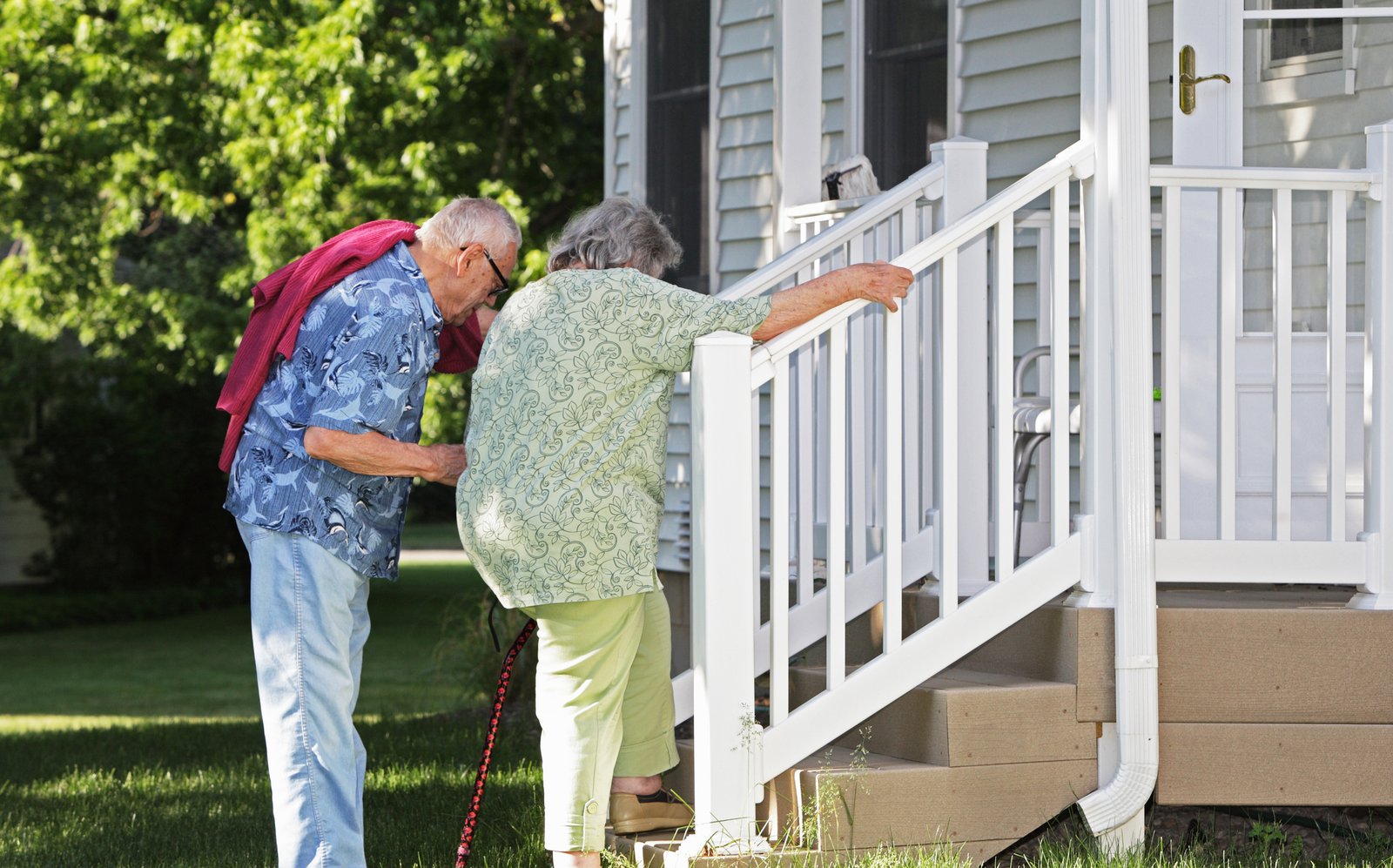
    The beginning of the year is a good time to reset and refresh. For our older adults aging in place, it is a good time to reassess their safety and their own ability to live independently in their current home. During the holidays, you may have noticed that a loved one was having difficulties with housekeeping, daily chores and/or every day activities. If life seems a bit overwhelming for an aging relative it may be time to consider support in the home.

    Approaching the Support Subject

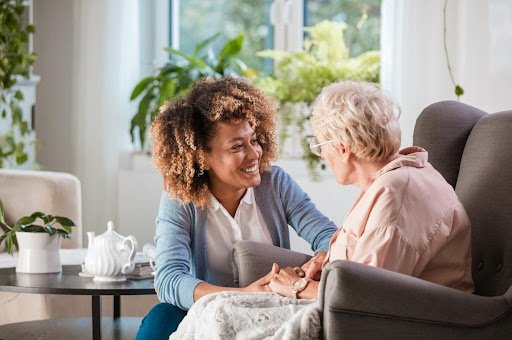
    Your older loved one may be among the 75% of older adults who would prefer to stay in their home and continue to age in place. However, after a lifetime of managing for themselves, it can be hard for your loved one to admit that they need additional help. The emotional aspect of losing their independence along with the physical ability to manage a home, prepare meals, take out the trash, shower every day can be stressful. It is important to start the conversation — remember to meet your loved one where they are and begin the conversation by exploring your feelings and theirs. Approach the topic with care, concern, and curiosity. Listen to their responses and validate them before sharing your own feelings. Express a willingness to work with them on a list of priorities to support them so that they feel comfortable discussing. It starts with a conversation.

    Conversation & Consideration

    When observing an aging adult, what key considerations can help determine whether additional support at home is appropriate?

    • Health: Review your loved one’s medical needs, and assess whether they need help with medication, getting to doctor’s appointments, and other additional support
    • Safety: Do a 360 degree review of the home and identify specific ways that safety can be improved by installing grab bars, moving frequently used items to more accessible shelves, decluttering, or other changes that can make a real difference
    • Isolation: Considering the danger of isolation, discuss how much socializing your loved one is doing, and consider ways to prevent the mental and emotional drain of isolation
    • Daily activities: As we age, everything from bathing and dressing to cooking and cleaning can become more difficult. Assess whether immediate help is needed or talk about some eventual options when the time comes

    What’s next?

    Begin by creating a list of current concerns and prioritizing what feels most urgent. Focus first on the issues that affect safety, health, and overall well-being. Once priorities are identified, develop thoughtful solutions for the top concerns and introduce small changes gradually. Making too many adjustments at once can feel overwhelming, especially for an older loved one, so it’s important to move slowly.

    As changes are introduced, schedule regular check-ins to evaluate how things are going. Some ideas may seem right in theory but prove less effective in practice, making it necessary to adjust the approach. At the same time, new concerns may surface as routines shift. This ongoing evaluation allows you to modify the plan in a way that remains responsive and supportive.

    While rolling out changes over time can feel challenging, stability is essential for older adults, and sudden disruptions can increase stress or resistance. If your location or personal commitments make it difficult to be consistently present during implementation, working with a home care organization can help ensure the plan is carried out smoothly. Professional support can provide consistency, reassurance, and an extra layer of care—helping your loved one adjust while giving you reassurance.

    For more than 30 years, CarePlus has been providing home health care services including skilled nursing care, chronic disease management, post-acute and transitional care, daily activities, companionship and ongoing support, as needed.

    Contact us today to learn more.
  • Spring is a Great Time to Check in With Yourself

    Spring is a Great Time to Check in With Yourself

    The trees are starting to bloom, and we are getting warmer days. March is a time when nature starts bringing new energy and life. It also happens to be a month when national awareness is drawn to important issues like sleep, nutrition, and brain health. For older adults, these awareness campaigns are a great time to take a look at habits to promote overall health with a focus on these areas.

    Nutrition and Aging

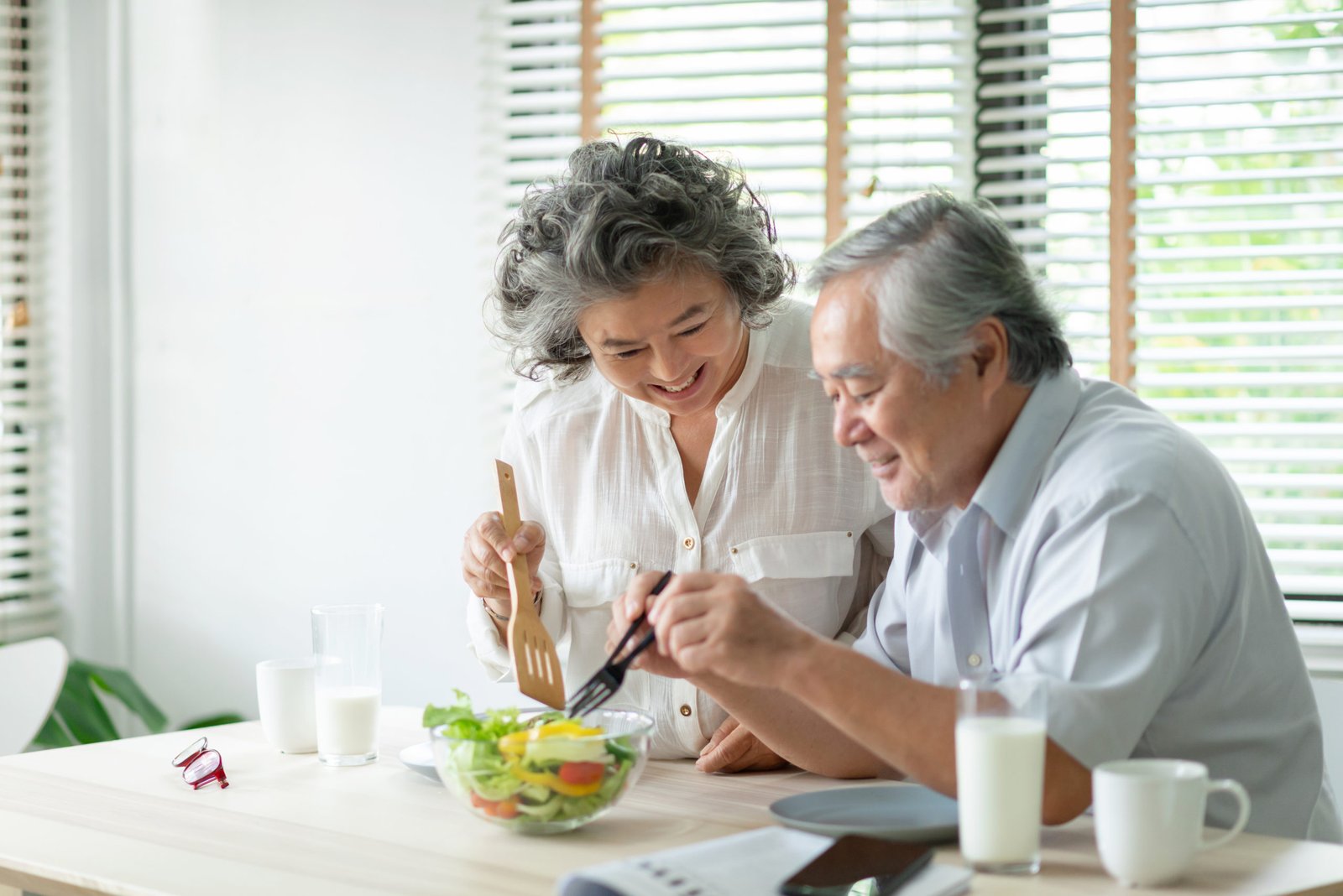
    Nutrition is vitally essential to health throughout our lives, and it’s particularly crucial to help maintain and improve health as we age. Good nutrition can help with issues like chronic illnesses such as heart disease and cancer, improve physical strength, and enhance cognitive function. Here are three easy steps to incorporate better nutrition into your daily routine:

    1. Balanced Diet: Your meals should include a variety of fruits, vegetables, lean proteins, whole grains, and healthy fats.
    2. Hydration: Hydration impacts many bodily functions, including alertness and memory. Try to hydrate by drinking water or consuming water-rich fruits and vegetables.
    3. Regular Meals: Eating at regular intervals helps maintain energy, and this habit prevents both overeating and neglecting nourishment.

    Sleep and Aging

    Contrary to the myth that older adults need less sleep, the National Institute on Aging recommends that older adults get seven to nine hours of sleep each night. Sleep helps restore energy, repair tissues, and consolidate memories. Since sleep patterns can change with age, it can grow harder to fall and stay asleep. Here are three tips to improve sleep hygiene:

    1. Consistent Sleep Schedule: Establish a regular sleep schedule by going to bed and waking up at the same time every day, including weekends. This helps regulate your body’s internal clock.
    2. Sleep-Friendly Environment: Create a restful sleep environment by keeping your bedroom cool, dark, and quiet. Use comfortable bedding and eliminate distractions like electronic devices.
    3. Relaxation Techniques: Engage in calming activities before bed, such as reading, meditating, or taking a warm bath. Avoid stimulants like caffeine and nicotine in the evening.

    Brain Health and Aging

    Brain health is the key to maintaining cognitive abilities and preventing neurological disorders. A healthy brain supports memory, decision-making, and emotional well-being. Here are three straightforward steps to boost cognitive health:

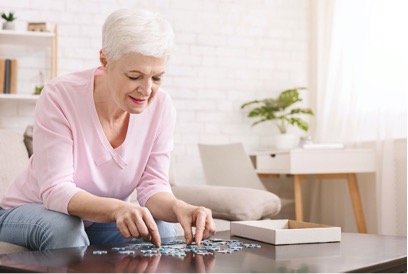
    1. Mental Stimulation: Keep your brain active by engaging in activities like puzzles, reading, and learning new skills.
    2. Social Interaction: Staying connected to others can help prevent cognitive decline. Spend time with friends and family, participate in group activities, and join clubs or organizations.
    3. Physical Activity: Regular exercise increases blood flow to the brain and encourages the growth of new brain cells. Whatever your level of fitness, find routines that allow for at least 30 minutes of physical activity most days of the week.

    Reset and Refresh for Healthy Aging

    Spring is the perfect time to focus on resetting and refreshing our habits to support healthy aging. By making small but significant changes in our daily routines, we can enhance our nutrition, improve our sleep, and boost our brain health. These efforts will contribute to a more comfortable and safe aging process. If you require additional support, CarePlus offers services to help you implement these steps effectively. From meal prep assistance to sleep hygiene routines and cognitive support, CarePlus is committed to helping you achieve your health goals and embrace healthy aging.

    Contact us today to learn more.
  • The Key to Aging In Place is Awareness

    The Key to Aging In Place is Awareness

    A lifetime of memories builds up in a home, and people often prefer growing old where they raised their children and hope to spend time with the next generation. This rosy vision doesn’t always pan out when the challenges of aging arise, prompting older adults and their children to consider key factors such as home layout, health, and help available. These concerns could mean the difference between staying in the family home or making a late-in-life move.

    Look at the Layout

    Those doorframes with height lines are not the only legacy aspects of a family home. Most of the house was organized when young, strong adults moved in, and rearrangements were probably made to accommodate growing children. Aging in place requires a different design approach, including:

    • Cupboards need to be reorganized to make regularly used items more accessible. For example, cabinets that require a long reach or a stepladder should be avoided.
    • Furniture should be situated to allow easy circulation.
    • Clutter reduction can help make it easier to maintain cleanliness, which is safer for both balance and health.
    • Accessibility may include some minor remodeling (e.g., grab bar installation).

    The key is to identify safety, needs, access, and comfort for an older person with some infirmities. Additional reorganization may be needed for those with memory issues or other specific conditions.

    Healthy at Home

    Day-to-day living is a challenge for people with health concerns. Weakened physiques from heart conditions, arthritis, or osteoporosis may make it more difficult to manage household upkeep. Chores like cleaning, tidying, and grocery shopping require strength. An inability to keep up with these activities can lead to an unhealthy living environment, exacerbating the problem.

    Living in the family home has potential health impacts that increase over time.

    • Medications add up, and older adults often have a pharmacopeia to manage, and arthritis or memory issues can prevent the regular dosage most medicines require.
    • Appointments for medical visits can be difficult to get to when older eyes and reflexes should avoid driving, yet they are even more critical to attend.
    • Isolation becomes increasingly dangerous as people age, since mental health is impacted by loneliness, and minor accidents can be fatal.
    • Activity as simple as going for a walk requires more effort for a person impaired by health issues, but regular exercise, fresh air, and sunlight can promote well-being.
    • Daily Living becomes progressively harder with age, necessitating assistance with tasks such as dressing, hygiene, and cooking.

    Help is Available

    Despite the challenges, knowledge is power. Whether it’s a family member or home healthcare service, having support can make aging in place more feasible. Being strategic and proactive can allow an older person to live a safe and happy life in their home. CarePlus Home Health has been providing a comprehensive range of services customized to meet the needs of its clients in Montgomery County for 30 years. For its contributions to the community, CarePlus is the recipient of the Large Business of the Year award with the Greater Rockville Chamber of Commerce for 2024. Contact us today by calling 301-740-8870.

  • Bone and Joint Awareness in the Home

    Bone and Joint Awareness in the Home

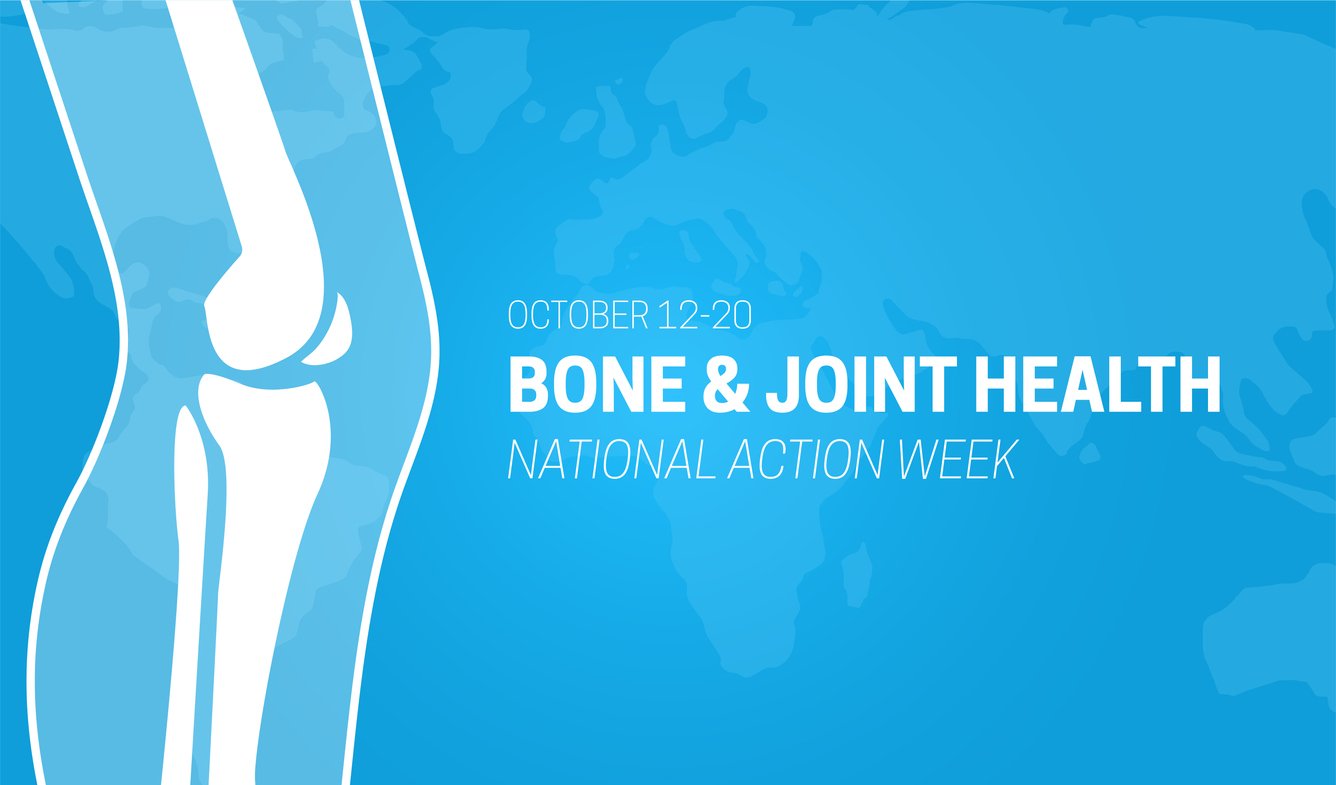
    October 12-20 is the annual Bone and Joint Action Week; bone and joint issues can be painful, stressful, and debilitating for many older people. Taking charge of bone and joint health and understanding ways to cope with bone and joint issues can make a huge difference in the quality of life for a person at risk or suffering from problems with these parts of the body. Here are some considerations.

    Some Facts About Bone and Joint Health

    According to the United States Bone and Joint Initiative, “Bone and joint conditions are the most common cause of severe long-term pain and physical disability worldwide, affecting hundreds of millions of people.” Bone and joint conditions include back pain, arthritis, traumatic injuries, osteoporosis, spinal deformity, and childhood conditions, which are predicted to become more common as life expectancy and other risk factors change. Many musculoskeletal conditions can only be treated, not cured, and often, they become progressively worse over time. It is critical to consult with medical professionals if bone or joint pain becomes an issue to diagnose and seek early intervention.

    Taking Action to Deal with Bone and Joint Health

    Aside from medication, there are many ways to cope with bone and joint conditions, including:

    • Stay Active: Regular exercise is crucial for maintaining healthy bones and joints. Consult with a healthcare provider before starting any new exercise program.
    • Balanced Diet: A well-balanced diet rich in calcium and vitamin D should include dairy products, leafy greens, fortified foods, and supplements if necessary
    • Maintain a Healthy Weight: Excess weight puts added stress on the joints, particularly the knees and hips. Maintaining a healthy weight can reduce the risk of developing joint problems or exacerbating existing ones.
    • Proper Posture and Body Mechanics: Practicing good posture and using proper body mechanics when lifting or performing daily activities can reduce the risk of strain or injury to the bones and joints.
    • Regular Check-Ups: Older individuals need regular check-ups with healthcare providers. They can monitor bone density and joint health and provide recommendations or treatments as required.
    • Medications and Supplements: If prescribed by a healthcare provider, medications or supplements like glucosamine and chondroitin may help manage joint pain and inflammation. Always follow your healthcare provider’s advice regarding these.
    • Fall Prevention: Falls can be especially harmful to older individuals with fragile bones. Make necessary modifications to your home environment to reduce the risk of falls, such as installing handrails and using non-slip mats.
    • Pain Management: If you’re experiencing joint pain or discomfort, consult with a healthcare provider for appropriate pain management strategies. This may include physical therapy, over-the-counter pain relievers, or prescription medications.
    • Emotional Well-being: Coping with bone and joint issues can be mentally challenging. Seek emotional support from friends, family, or support groups to help manage stress and improve overall well-being.
    • Assistive Devices: If mobility is limited, consider using assistive devices like canes, walkers, or wheelchairs to maintain independence and reduce the risk of falls.
    • Stay Informed: Stay informed about the latest research and treatment options for bone and joint health. Knowledge is a powerful tool in managing these conditions.

    Be Strategic and Proactive About Getting Help

    When bone and joint conditions begin to impact ordinary activities of daily living, it is essential to work on ways to minimize the impact on your quality of life. In addition to fall prevention for older adults living at home, many issues can interfere with safety and comfort. From something as simple as opening a child-proof medication bottle to lifting heavier cookware in the kitchen, bone and joint pain can interfere with ordinary activities. If this is the case, it is a good idea to consider getting in-home assistance designed to alleviate these challenges. It can be as simple as assistance with cooking, shipping, and medications or more comprehensive full-time care if mobility and capacity are significantly diminished.

    CarePlus has been delivering various services to the Montgomery County area for people who want enough help to manage their challenges due to aging or medical conditions without sacrificing their independence and comfort. Our Flex Care program and other Home Care services offer a critical measure of safety, attention, and peace of mind to older people living with bone and joint issues. Contact us to learn more about how we can help.

  • Getting Nutrition Right for Aging Adults 

    Getting Nutrition Right for Aging Adults 

    While good nutrition matters in all phases of life, as people age, they experience increased physical  vulnerabilities, and the proper diet helps safeguard and minimize complications that can be a part of the aging process. It’s not always easy to manage good nutrition, but the benefits can be significant.

    The Basics of Good Nutrition for Aging Adults

    Nutrition concerns the consumption of food and drink that provide the body energy and protection from poor health. The goal of good nutrition is to have the proper diet as well as a lifestyle that encourages  the absorption of nutrients. The NIH (National Institutes of Health) lists some key nutrition considerations for older adults, which include:

    • Eating foods high in nutrients
    • Avoid empty calories like junk food, soda, and alcohol.
    • Pick foods that are low in cholesterol and fat.
    • Drink plenty of hydrating liquids
    • Be physically active.

    The U.S. Department of Health and Human Services also recommends emphasizing lean proteins and  vitamins B12 and D as important parts of a good diet.

    Challenges in Getting the Proper Nutrition

    As people age, they experience a variety of physical and environmental changes that can impact good  nutrition. For example, some medications can impact appetite and taste sensations, reducing interest  and enjoyment of food. In addition, older adults experience isolation, and it is harder for them to  motivate to prepare meals for themselves. Health challenges, both physical and cognitive, make meal  preparation more difficult as well. In other words, just when good nutrition is particularly important, it is  all the harder to do.

    Strategies to Practice for Good Nutrition

    Knowing that good nutrition is important may not be enough to make it happen. Rather than maintain  poor nutritional habits, here are some practical steps to help:

    1. Make a shopping list. Avoid impulse shopping, and plan healthy foods to buy in advance.
    2. Find easy recipes. If cooking and cleaning up are hard, research quick, simple recipes.
    3. Healthy snacking. Instead of big meals, have nutritious snacks throughout the day.
    4. Flavored water. Lemon, lime, cucumber, and mint are a few additions that can make staying hydrated a more pleasurable experience.
    5. Supplements. After checking with a physician, consider getting important nutrients with supplements.

    For some older adults, good nutrition may not be possible without some help. Home care for people  with dementia or significant physical infirmities may be the solution to maintaining a healthy diet.  Shopping, meal planning and meal preparation can be arranged to help with nutrition.

    CarePlus Home Health provides home care nursing in Montgomery County, which allows aging adults to  continue to live safely and comfortably in their own homes. Our services include assistance with shopping and meal preparation, and our staff can help devise an appropriate nutrition plan for our  clients to make sure they are getting what they need to stay healthy. Contact us today for more  information about our home care services.

  • CarePlus Receives 2022 Best of Home Care® – Leader in Training Award

    CarePlus Receives 2022 Best of Home Care® – Leader in Training Award

    February 28

    FOR IMMEDIATE RELEASE

    Media Contact: Andrew Ryan

    Email: andrew@careplusinc.com


    CarePlus Receives 2022 Best of Home Care® Leader in Training Award

    Gaithersburg, MD, CarePlus Home Health announced today that it received the distinguished 2022 Best of Home Care –Leader in Training Award from Home Care Pulse, the leading firm in experience management for home care. The Leader in Training Award recognizes home care businesses that consistently provide an outstanding level of staff education. As a Leader in Training, CarePlus is now recognized among the top 25% of home care providers participating in the nationwide Home Care Pulse Training Program.

    This accomplishment demonstrates CarePlus’s long-term dedication to excellent care and employment. To qualify for this award, CarePlus implemented HCP Training to provide specialized education for their caregivers. CarePlus achieved a high level of staff participation in continuing education, as well as an average of at least 8 courses completed by each participant. 

    “We are honored and humbled to have received this prestigious award. My team is committed to providing excellent in-home care to our clients and training is an important part of better care,” stated Tom Najjar, President of CarePlus Home Health.

    The Best of Home Care – Leader in Training Award highlights the top-performing home care businesses in the nation. Home Care Pulse believes that by honoring these providers, families looking for in-home care for a loved one will be able to recognize and choose a trusted home care provider.

    “At CarePlus Home Health, our goal is to provide outstanding care and support to the aging community. I am very proud to work for an organization that not only cares about clients, but truly cares about their employees as well. We are honored to be recognized for such high achievements and we will continue to work very hard to give the best care to our clients and team.” CarePlus Executive Director, Andrew Ryan explained.

    To find out more about CarePlus’s commitment to experience, please visit https://careplus.xenonprime.net/ or call 301-740-8870.

    ###

    About Home Care Pulse

    Home Care Pulse leads the home care industry in experience management, online training, and review management. Through its Care Intelligence Platform, HCP empowers home care providers to attract and retain caregivers even during a historic caregiver shortage. HCP also conducts the annual Home Care Benchmarking Study, the most comprehensive survey of home care providers in North America and administers the annual Best of Home Care awards to agencies that achieve best-in-class client and caregiver satisfaction scores. For more information, visit https://www.homecarepulse.com/.

  • Flex Care Meets the Needs of the Individual

    Flex Care Meets the Needs of the Individual

    No two people age alike. Growing older can be a dramatically different experience from one person to another due to physical, mental, and emotional developments, as well as choices made such as where and how to live. Some aspects of aging can be managed with attention to diet, exercise, and social interaction. By acknowledging the unique needs of each individual, it is possible to maintain comfort and stability, and even increase longevity.

    Some aging adults elect to relocate to a home that can accommodate their evolving needs as they age. Independent living communities are an option allowing older adults to access a range of amenities and services while keeping significant freedom to manage their own lives. This can sometimes mean that there is a gap between the needs of the individual and the offerings of the community. At CarePlus Home Health, we offer Flex Care to individuals living in independent living communities in the Montgomery County and surrounding areas to bridge that gap and make sure that their specific needs are met.

    What is an Independent Living Community?

    For older adults, owning a home can be difficult. In addition to maintenance responsibilities, many things that are necessary or make life enjoyable can become more difficult when living alone. Isolation can increase as communities evolve, neighbors move, and getting out become more of a challenge. Enter independent living communities. These residential facilities are reserved exclusively for people over a specific age, and they offer on-site amenities like hair salons, exercise facilities, onsite medical offices, dining, and social and cultural events specifically curated for the residents. All residents have private dwellings – whether it is an apartment, townhome or house, and they pay a monthly fee that takes care of the grounds and pays for the amenities. Having access to these the community while still living in a private home is the principal attraction.

    What is missing from Independent Living?

    With the independence of a private home within the community, sometimes residents still need additional support. Short of moving to a smaller, less private, more institutional facility like assisted living, many aging adults in independent living want to continue enjoying their lives but need help. Conditions like failing eyesight, mild dementia, or arthritis can make some basic aspects of daily living a major challenge that can easily be tended to with a little help. The independent living community array of services generally stops at the door of each home, so residents need to make arrangements to meet these additional challenges.

    Flex Care for Customized Individual Support

    CarePlus can meet the needs of residents of independent living communities with a range of services like: shopping, housekeeping, escort to medical appointments, meal prep, bathing/dressing, other errands. After a free home assessment, the team at CarePlus can offer as little as 30 minutes of assistance daily, weekly or as needed to make sure that life is safe and comfortable. Having the flexibility of picking the services, the timing, and the frequency allows the greatest continued independence without missing out on essential needs.

    Sometimes the needs of the individual go beyond the home. Helping with the logistics of hospitalizations, rehabilitation, and transitions to and from a medical facility to home is one of our key competencies. We also can work with clients and their families to coordinate out-of-town visits as well as help keep lines of communication open.

    Flex Care for the Community

    Our team of trained, licensed and certified professionals can also provide services to the entire independent living community. With pop-up wellness clinics, lunch & learn programs, and other onsite services, CarePlus Home Health can work with the independent living staff to provide welcome additional programming.

    We believe that every individual deserves to age in dignity and comfort. We understand that this requires the ability to adjust our services to the specific needs of our clients. If you are an older adult in an independent living community in Montgomery County, staff of the community or a family of a resident, contact us to find out how we can help.

  • Holiday Wellness Check on Aging Relatives

    Holiday Wellness Check on Aging Relatives

    With the holidays comes a chance for families to gather together in celebration. Sometimes, this is a rare opportunity to see a relative who lives far away. If that person is aging and they live alone or with another aging person, it is an excellent idea to check out how they are doing. Phone calls, and even video calls, don’t tell the full story that an in-person visit might reveal about their needs for health, comfort and safety.

    Self-Neglect

    As people age, some ordinary life activities may become increasingly difficult or skipped altogether. The National Institutes of Health (NIH) identifies these signs of self-neglect that can be spotted during a short visit.

    • Hoarding
    • Failure to take essential medications or refusal to seek medical treatment for serious illness
    • Leaving a burning stove unattended
    • Poor hygiene
    • Not wearing suitable clothing for the weather
    • Confusion
    • Inability to attend to housekeeping
    • Dehydration

    If you see these signs, it is time to work with that parent to get some additional care.

    Cognitive Health

    One of the biggest challenges to aging is the failure of cognitive health – the ability to think, process, and remember. Dementia from Alzheimer’s disease or another cause can severely impact the health and safety of a loved one, so it is important to look for signs of impairment. Memory loss, change in mood, taking longer to complete daily tasks, losing items or placing them in odd locations, and repeating questions are among the early symptoms that the NIH warns to look out for. There are many potential causes of these issues, so getting a proper medical assessment is critical for early treatment and intervention.

    Mental Health

    Older people suffer from mental health challenges, including anxiety and depression. As they slow down and become frailer, they may limit their social activities, and isolation can both increase mental health challenges and make them harder to identify. Where a relative may perk up for a phone call, their overall mental health might be in decline and need attention. In person, they might be more willing to open up about their struggle.

    Don’t Do it Alone

    Checking in with your loved one’s health care provider, minister and other sources of support is an excellent way to get a clear picture of the situation that your loved one may be reluctant to reveal. If they aren’t available during your visit, you may want to consider working with a professional to do an assessment. Trained social workers and other professionals with experience working with the elderly can help identify red flags and offer suggestions and solutions that may make life easier for your loved one.

    At CarePlus Home Health, we begin all of our relationships with clients by conducting a thorough in-home evaluation. We do not charge for this service, because we think it’s critical to establish trust and assess the situation to propose the right solution. If your loved one is located in Montgomery County, Howard County or Prince George’s County and you would like to schedule an in-home evaluation while you are in town, contact us today.

  • Understanding Bone and Joint Challenges

    Understanding Bone and Joint Challenges

    Our bones and joints become a source of potential serious injury as we age, and because last week was Bone and Joint National Action Week, everyone should be thinking about ways to care for these important body parts. Of course, a diet high in calcium and vitamin D are great for growing kids, but older adults need to continue to take these issues seriously. Here are some facts and tips to consider. 

    Bone and Joint Injury and Disease Facts

    According to the National Bone and Joint Initiative half of adult Americans suffer from musculoskeletal complications and many of these people require medical intervention for care. The National Institute on Aging (NIA), part of the National Institutes of health, identifies Osteoarthritis, falls and fractures, and Osteoporosis are among the most important health topics related to aging. Currently, there are some basic treatments for bone and joint injury and disease, but these conditions are often cumulative and degenerative, and the best that can be done is treatment of the pain and other symptoms.

    Prevention

    In addition to diet and supplements, the most significant way to prevent and alleviate bone and joint conditions is through a healthy lifestyle. Regular exercise strengthens muscles, which eases the strain on bones and joints. Luckily, it’s never too late to start, but if exercise hasn’t been a part of daily activities, it is important to consult with a physician before starting a new program. 

    Treatment and Care

    Individuals with debilitating bone and joint problems, including severe pain, can find their lives impacted in many ways. Simple tasks like laundry, cooking and cleaning can become major hurdles. In order to maximize independence and minimize pain, it is important to follow doctor’s orders about medication and treatment like physical therapy. Where an extra pair of hands can help with things that require dexterity like folding laundry or dicing vegetables, home health care can make a huge difference in continued life enjoyment. 

    At CarePlus Home Health, we work with clients to help them feel able to stay in their homes as long as possible. We do this by assessing their needs and providing trained, professional assistance to round out their lives in the ways that make the most meaningful impact. For clients with bone and joint challenges like arthritis, we can assist with meal preparation, laundry and other household activities that may be impacted. For more information about how we can help, contact us today for a free assessment. 

  • Living At Home With Alzheimer’s

    Living At Home With Alzheimer’s

    For adults with memory impairment like Alzheimer’s, change can be difficult, so it is no surprise that the prospect of moving out of the home and into a care facility is met with resistance. According to research published in the Journal of American Geriatrics, there has been an increased trend for people with dementia to prefer staying at home for as long as possible. However, staying at home presents some significant challenges, particularly for people who live alone. With some awareness and forethought, it is possible to stay at home. Here are some important considerations.

    Managing Activities of Daily Living

    As dementia progresses, many activities of daily living (ADL) become increasingly difficult. From grocery shopping to cleaning, household chores become confusing, and often they are neglected. In addition, personal care like bathing, dressing, and grooming can be forgotten or avoided. As dementia progresses, individuals require increasing assistance with ADLs, which may be beyond the capacity of family, especially if they don’t live together. It’s important to regularly assess the status of ADL abilities and make adjustments to meet increased needs. 

    Assuring Safety

    Individuals with Alzheimer’s suffer from progressive cognitive decline, which impacts many aspects of their safety. Something as simple as remembering to turn off a stove can be a major hazard for someone with memory and focus impairment. Since Alzheimer’s affects older adults, there can be physical challenges that are exacerbated by dementia, such as an inability to problem solve in the event of a medical emergency like a fall or a kitchen accident. Also, dementia can lead to “wandering” – where a person gets lost in their own neighborhood because they simply can’t remember where they live. With care and planning, each of these and many other safety elements can be addressed, and measures can be taken to adapt to increasing impairment as the disease progresses.

    Avoiding Isolation

    Loneliness and isolation are a problem for all people who live alone, but for people living with Alzheimer’s the consequences can have a real, negative impact on their continued ability to live in their own home. A recent Washington Post article identified a significant increase in individuals with Alzheimer’s who experienced isolation due to the COVID-19 protocols. Since dementia can make even simpler technologies difficult to manage, in-person contact is critical to the continued health and well being of people with Alzheimer’s. 

    In order to take care of these and other issues that impact people with Alzheimer’s living at home, we recommend beginning with a thorough assessment by a specialist in geriatric and memory-care concerns. The assessment should look at all of the factors in the home that might pose a difficulty or even a threat. Once the assessment is complete, there are a number of ways to address the findings. In-home care offered by trained specialists like our team at CarePlus Home Health can be an important part of the solution. Located in Montgomery County, our team is highly trained in the care, dignity and safety of our clients with Alzheimer’s. We offer in-home assessments as well as a wide range of customized services to best address the needs of each individual. Contact us to find out how we can help.