
Category: Health

  • Understanding Bone and Joint Challenges

    Understanding Bone and Joint Challenges

    Our bones and joints become a source of potential serious injury as we age, and because last week was Bone and Joint National Action Week, everyone should be thinking about ways to care for these important body parts. Of course, a diet high in calcium and vitamin D are great for growing kids, but older adults need to continue to take these issues seriously. Here are some facts and tips to consider. 

    Bone and Joint Injury and Disease Facts

    According to the National Bone and Joint Initiative half of adult Americans suffer from musculoskeletal complications and many of these people require medical intervention for care. The National Institute on Aging (NIA), part of the National Institutes of health, identifies Osteoarthritis, falls and fractures, and Osteoporosis are among the most important health topics related to aging. Currently, there are some basic treatments for bone and joint injury and disease, but these conditions are often cumulative and degenerative, and the best that can be done is treatment of the pain and other symptoms.

    Prevention

    In addition to diet and supplements, the most significant way to prevent and alleviate bone and joint conditions is through a healthy lifestyle. Regular exercise strengthens muscles, which eases the strain on bones and joints. Luckily, it’s never too late to start, but if exercise hasn’t been a part of daily activities, it is important to consult with a physician before starting a new program. 

    Treatment and Care

    Individuals with debilitating bone and joint problems, including severe pain, can find their lives impacted in many ways. Simple tasks like laundry, cooking and cleaning can become major hurdles. In order to maximize independence and minimize pain, it is important to follow doctor’s orders about medication and treatment like physical therapy. Where an extra pair of hands can help with things that require dexterity like folding laundry or dicing vegetables, home health care can make a huge difference in continued life enjoyment. 

    At CarePlus Home Health, we work with clients to help them feel able to stay in their homes as long as possible. We do this by assessing their needs and providing trained, professional assistance to round out their lives in the ways that make the most meaningful impact. For clients with bone and joint challenges like arthritis, we can assist with meal preparation, laundry and other household activities that may be impacted. For more information about how we can help, contact us today for a free assessment. 
  • Independent Living is not “Foolproof”

    Independent Living is not “Foolproof”

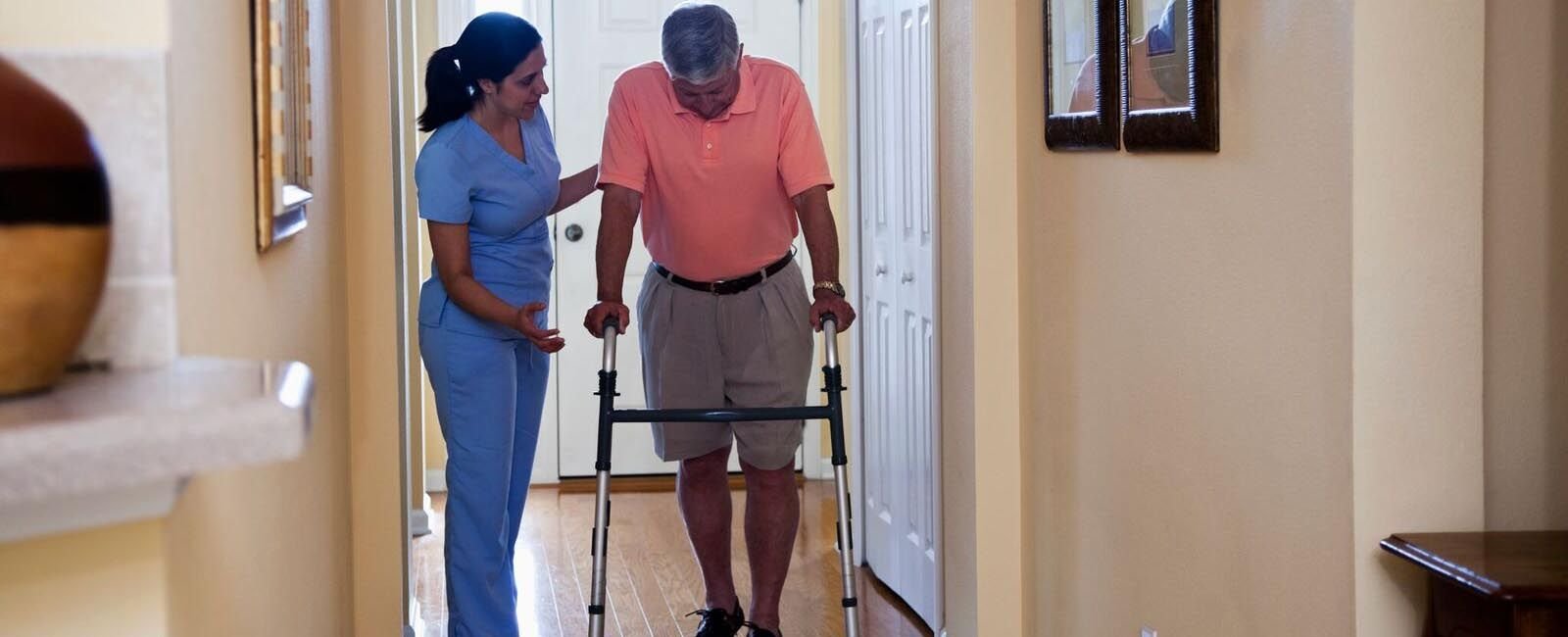
    Independent Living means freedom. The freedom to make choices and set one’s own schedule– prepare meals, shop at the grocery store, grab an ice cream cone, pay bills—truly get up and go anywhere at any time.

    While total independence is ideal, older adults may struggle keeping up with day to day tasks. When this happens, it is a good time to consider how additional elder care support can provide assistance for those forgotten chores. Additional support can provide the older adult an opportunity to continue to live independently with minimal and appropriate assistance. As health needs can change unpredictably, it is always a good idea to closely monitor the added care in the event additional services are needed. And, with the variety of support currently available, finding someone to help will extend the time one can live in a much beloved home and neighborhood.

    It would be ideal if everyone who needs support could ask for it, too many older adults feel uncomfortable acknowledging difficulties. Many fear that asking for help signals the loss of independence. In reality, adding support is a key component to extending independence. While it is quite clear that changes due to aging might complicate independent living, it does not have to end independent living.

    How can family and friends help?

    Family and friends are a big part of maintaining independence. The best way to help is to observe. Look for clues that loved ones would benefit from elder care assistance. Some are relatively small, but important: dishes in the sink long after a meal, stained clothing, clothing not appropriate for the weather, weight loss, change in telephone use, missed birthday greetings—changes to any behavior of daily life. Others are much more significant and could cause immediate harm: missed medications or medication mix-ups, missed bill payments, scorched pots and pans, and increasing confusion.

    Working together with family and friends is the best way to help older adults maintain a happy and healthy independent life.

  • August- Home Care for Wounded Veterans and Luke’s Wings

    August- Home Care for Wounded Veterans and Luke’s Wings

    We understand the difficulty that veterans and their families face when trying to manage disabilities caused by combat. Here at CarePlus, we Purple Heart medalvalue every one of our veteran clients and work hard to provide the level of home care that makes their lives and their loved one’s lives easier. With our customized home and nursing care, along with senior and independent living, we can assist veterans and purple heart recipients with top level home care that takes place in the comfort of their own home.


    How Home Care Can Help

    CarePlus is well known for their exceptional and professional home care throughout Bethesda, Rockville, Gaithersburg MD and beyond. Depending on the needs of the individual and their customized care plan, a CarePlus caregiver can assist the client in their daily activities.

    Customized Care Plans

    Our caregivers are trained to handle a variety of disabilities. With our professional care, you can rest easily knowing your loved one will be taken care of. Our customized care plans are based on specific needs of the client; however, most care plans include the following:

    • Medication and personal safety reminders
    • Transportation to medical appointments
    • Assistance with daily exercises and physical therapy activities prescribed by a doctor
    • Encouraging and planning social activities
    • Light housekeeping, running errands, scheduling events
    • Help with restroom use, bathing, dressing and grooming
    • Offering friendly conversation and emotional support
    • Preparing meals and assisting with feeding if needed
    • Transportation from wheelchair to bed, etc.

    Information & Resources

    If you or your loved one is a wounded veteran and needing home care assistance, contact CarePlus Home Health Care at 301-740-8870.

    Living as a wounded veteran can not only be physically demanding, but also emotionally demanding. We provide a level of care that understands the difficulty you or your loved one is going through. For more information about resources that can benefit wounded veterans, please visit the U.S. Department of Veterans Affairs at http://www.va.gov/.

    Luke’s Wings for Wounded Warriors & Veterans

    Additional resources for wounded veterans can be found at Luke’s Wings. Thousands of families have been positively impacted by the services they offer wounded warriors and veterans.

    “At Luke’s Wings, we salute our military! Initially started to provide complimentary transportation to recovering service members and their loved ones during recovery, Luke’s Wings recognized the on-going need for travel services for the loved ones of Veterans in Hospice Care. It is our mission to ensure that our service members, past and present, are surrounded by loved ones in their time of need. Through our Veterans in Hospice Care Transportation Assistance Program, we are able to fly families into Hospice Care facilities when a Veteran is ready to pass away. It is a service we hold very dear to our hearts, as we know we are providing a final salute to the greatest generation that ever lived. Please visit www.lukeswings.org to learn more about our program lines and see how you can make a difference in a service member’s life today.”

     – Dakota Bierly

    Coordinator, Corporate Sponsorships

    Luke’s Wings

  • July- Juvenile Arthritis Month

    July- Juvenile Arthritis Month

    Arthritis is not something only seniors deal with. Juvenile arthritis affects more than 300,000 children in the United States and can cause a Rheumatoid Arthritis ribbonseries of discomforts affecting the eyes, skin, muscles, joints, the musculoskeletal system and even the gastrointestinal tract. Juvenile arthritis is known as a pediatric rheumatic disease that describes various types of autoimmune and inflammatory conditions that can affect children under 16 years of age.


    The cause of juvenile arthritis is still undetermined, but thought to be related to a genetic predisposition that is triggered by other factors. Once a diagnosis is received, treatment can begin. “The National Institute of Arthritis and Musculoskeletal and Skin Diseases notes that JA often targets the knees and feet, creating a telltale limp in junior’s walk.” [1] Although there is no known cure, recognizing these early signs like limping and getting immediate treatment can result in remission. Most treatment plans involve physical activity, healthy eating, medication and eye care.

    Seniors can develop arthritis from general wear and tear of cartilage, autoimmune diseases, broken bones, or bacterial or viral infections. As with juvenile arthritis, there is no cure for arthritis in seniors. However, treatment can aim to reduce pain. Medication, surgery and making lifestyle changes are all ways to reduce pain and discomfort.

    How Home Care Can Help

    In cases were early detection was overlooked and arthritis has continued to progress, it can become extremely difficult to complete daily tasks. A CarePlus caregiver can provide assistance with daily activities, therapy and a variety of other daily tasks. This gives family members a sense of relief knowing someone is there to help their loved one.

    Customized Care Plans

    CarePlus creates a unique care plan that is customized to the specific needs of the individual suffering with arthritis. Depending on the treatment described by their doctors and daily activities that need to be completed, a CarePlus caregiver can assist the individual throughout the process. Below are some common care plans for individuals suffering with arthritis:

    • Assisting with daily physical and occupational therapy exercises
    • Transportation to therapy appointments and support groups
    • Preparing meals and assisting with feeding
    • Transferring from bed to wheelchair as needed
    • Help with restroom use, bathing, dressing and grooming
    • Medication and personal safety reminders
    • Light housekeeping, running errands and scheduling events
    • Offering friendly conversation and emotional support
    • Encouraging and planning social activities and exercises

    Information & Resources

    To request a free in-home assessment, contact CarePlus Home Health at 301-740-8870.

    For more information about the Arthritis Foundation please access their website at http://www.arthritis.org/  or call: 404.872.7100.

    [1] 6 Facts on Juvenile Arthritis for Awareness Month, “Active Beat.” http://www.activebeat.com/your-health/children/6-facts-on-juvenile-arthritis-for-awareness-month/

  • May- Stroke Awareness Month

    May- Stroke Awareness Month

    May is stroke awareness month. Every year around 800,000 people experience a stroke. This leads to someone dying every 4 minutes. “It is Spot a Stroke graphicthe No. 5 cause of death and a leading cause of disability in the United States.” [1] The sad thing about this statistic is that up to 80 percent of strokes can easily be prevented. How can you prevent this from happening to you or a loved one? Let us first take a look at what a stroke is.


    A stroke occurs when blood flow to a certain area in the brain is cut off. Since oxygen is cut off from brain cells, they begin to die and the ability to control muscles and memory is lost. Depending on where the stroke occurs in the brain determines the severity of the problems to follow. “Some people recover completely recover from strokes, but more than 2/3 of survivors with have some type of disability.” [2]

    So how can you prevent a stroke from happening to you or a loved one? Remaining at a healthy weight, having good blood pressure, not smoking, exercising, treating atrial fibrillation and taking good care of your body are all great ways to prevent a stroke. However, for some of us it is too late. When this is the case, homecare is a great resource to have when adjusting to life after a stroke.

    How Home Care Can Help

    A trained CarePlus caregiver is able to provide proper assistance with daily activities to people suffering from the effects of a stroke. Having home care helps these individuals live more comfortably and spend less time trying to adjust to everyday demands.

    Customized Care Plans

    Having home care assistance not only helps when completing daily tasks, but often times leads to an improvement in overall functionality of the individual. Since the probability of having another stroke increases more than 40% within 5 years of the first stroke, a CarePlus caregiver can create a customized plan for your loved one to address a variety of needs and monitor them should another stroke take place. Our care plans include, but are not limited to:

    • Transportation to medical appointments
    • Monitor for FAST (Facial drooping, Arm weakness, Speech difficulties and Time of stroke or reoccurring stroke)
    • Preparing nutritious meals and assisting with feeding
    • Transferring from bed to wheelchair to chair, as needed
    • Help with restroom use, bathing, dressing and grooming
    • Positioning to achieve proper alignment when on bed rest
    • Medication and personal safety reminders
    • Light housekeeping, running errands, and scheduling events
    • Offering friendly conversation and emotional support
    • Encouraging and planning social activities and exercise

    Information & Resources

    To request a free in-home assessment in Gaithersburg, Bethesda, Rockville, MD and beyond, contact CarePlus Home Health Care at 301-740-8870 or contact us here.

    Don’t let your loved one’s stroke control their life or yours. Help them enjoy daily living by taking small steps to reduce stress for everyone involved. For more information about the National Stroke Association, please access their website here or call 1-800-787-6537.

    [1] What is Stroke, “American Heart Association | American Stroke Association.” http://www.strokeassociation.org/STROKEORG/AboutStroke/About-Stroke_UCM_308529_SubHomePage.jsp

    [2] What is Stroke, “National Stroke Association.” http://www.stroke.org/understand-stroke/what-stroke

  • June- Alzheimer’s & Brain Awareness Month

    June- Alzheimer’s & Brain Awareness Month

    Alzheimer’s is the most common form of Dementia and “…accounts for 60 to 80 percent of dementia cases.” [1] Alzheimer’s is an irreversible Alzheimers Pledgeand progressive brain disorder that destroys memory and thinking skills which often leads to the inability to carry out daily tasks. Alzheimer’s disease can range from mild to severe and generally tends to worsen over time. To this day there is no known cure, but you can reduce your risk of cognitive decline by engaging in healthy lifestyle habits.


    What lifestyle habits are needed to prevent Alzheimer’s disease? Not smoking, stimulating your brain and continually learning, engaging in regular cardio exercise, maintaining a healthy weight and low blood pressure and eating healthy are all great ways to prevent Alzheimer’s disease. However, it may be too late to prevent the disease for your loved one. In this instance, home care assistance is a great asset to have, helping individuals suffering with this debilitating disease function safely on a day to day basis.

    How Home Care Can Help

    CarePlus is well known for their exceptional and professional home care assistance in Bethesda, Rockville, Gaithersburg, MD and beyond. With regular home and nursing care, individuals suffering with Alzheimer’s disease can function more efficiently when completing daily activities, ultimately reducing their risk of other injuries that result from memory loss.

    Customized Care Plans

    Having professional home health care from CarePlus can greatly impact everyday life of everyone involved with the suffering individual. Our caregivers are given educational resources that provide them with extra assistance and knowledge on dementia which ultimately helps the patient and the patient’s family. CarePlus can create a customized plan for your loved one that includes, but is not limited to:

    • Watching for elopement risks
    • Providing virtual dementia; onsite training and support for patient, caregiver and family
    • Transportation to medical appointments
    • Preparing nutritious meals and assisting with feeding if needed
    • Transferring from bed to wheelchair to chair, as needed
    • Help with restroom use, bathing, dressing and grooming
    • Medication and personal safety reminders
    • Light housekeeping, running errands, and scheduling events
    • Offering friendly conversation and emotional support
    • Encouraging and planning social activities and exercise

    Information & Resources

    To request a free in-home assessment, contact CarePlus Home Health at 301-740-8870 or contact us here.

    Living with Alzheimer’s disease can be very stressful for everyone involved. CarePlus can provide the needed assistance and put in place small steps to keep stress levels down. For more information about the Alzheimer’s Association, please access their website here or call 1-800-272-3900.

    [1] What is Alzheimer’s, “Alzheimer’s Association.” http://www.alz.org/alzheimers_disease_what_is_alzheimers.asp

  • April: Parkinson’s Awareness Month

    April: Parkinson’s Awareness Month

    Parkinson’s disease is a neurological disorder caused by low dopamine in the brain. This progressive disease destroys nerve cells that produce dopamine making it harder for the brain to send signals to muscles throughout the body. This often results in shaking, difficulty walking, swallowing and coordination.

    Although there is no known cure for Parkinson’s disease, there are multiple treatment options. “Since motor symptoms of PD are caused by decreased dopamine levels in the brain, most medications are aimed at replenishing or mimicking the action of dopamine, and can be very effective in controlling the motor symptoms of Parkinson’s disease. Other types of medications are used to treat the non-motor symptoms.” [1] Partaking in regular exercise and a healthy diet will also benefit a person with this disease.

    How Home Care Can Help

    CarePlus provides caregivers that offer assistance with (ALD’s) Activities of Daily Living and ensure safety of a loved one affected by the disease. With regular Homecare, individuals suffering with Parkinson’s disease can stress less with assistance in performing everyday activities and incorporating their therapy care plan, ultimately reducing their risk of falls or other injuries that result from Parkinson’s disease.

    Customized Care Plans

    Dealing with the everyday difficulties of Parkinson’s disease can be easier with assistance from a compassionate professional. CarePlus can create a customized plan for your loved one to address a variety of needs including:

    • Transportation to medical appointments
    • Preparing nutritious meals and assisting with feeding if needed
    • Transferring from bed to wheelchair to chair, as needed
    • Help with restroom use, bathing, dressing and grooming
    • Medication and personal safety reminders
    • Light housekeeping, running errands, and scheduling events
    • Offering friendly conversation and emotional support
    • Encouraging and planning social activities and exercise

    Information & Resources

    To request a free in-home assessment, contact CarePlus Home Health at 301-740-8870.

    Living with Parkinson’s disease is stressful to begin with and taking small steps to reduce stress for everyone involved.  For more information about the Parkinson Foundation of the National Capital Area please access their website or call 1-800-AHA-USA1.

    http://parkinsonfoundation.org/

    [1] Parkinson Foundation of the National Capital Area, “About Parkinson’s Disease.” http://parkinsonfoundation.org/about-parkinsons-disease

  • March- Multiple Sclerosis Awareness Month

    March- Multiple Sclerosis Awareness Month

    The cause of this disabling neurological disease is still unknown, but many doctors believe people with this disease have a genetic predisposition. The majority of patients diagnosed with this disease are women and aged 20-50 years old. Common symptoms include fatigue, tingling and numbness, vertigo and dizziness, muscle weakness, and problems with balance.

    “More than 2.3 million people are affected by MS worldwide. Because the Centers for Disease Control and Prevention (CDC) does not require U.S. physicians to report new cases, and because symptoms can be completely invisible, the prevalence of MS in the U.S. can only be estimated.” [1] In 2015, it was estimated that over 400,000 Americans were diagnosed with this disease.

    How Home Care Can Help

    A professional CarePlus caregiver can provide assistance with daily activities that can be challenging for people with MS.  Having a Caregiver in place can make the difference between stress and relief, enabling everyone in the family to relax with the knowledge that their loved one is benefiting from quality care.  CarePlus caregivers also received a training from the MS society once a year.

    Customized Care Plans

    Dealing with the everyday difficulties of MS can be easier with assistance from a compassionate professional. CarePlus can create a customized plan for your loved one to address a variety of needs including but not limited to:

    • Transportation to therapy appointments and support groups
    • Preparing nutritious meals and assisting with feeding
    • Transferring from bed to wheelchair to chair, as needed
    • Protecting skin from friction, pressure, and excessive heat, moisture, or dryness
    • Help with restroom use, bathing, dressing and grooming
    • Positioning to achieve proper alignment when on bed rest
    • Medication and personal safety reminders
    • Light housekeeping, running errands, and scheduling events
    • Offering friendly conversation and emotional support
    • Encouraging and planning social activities and exercise

    Information & Resources

    To request a free in-home assessment, contact CarePlus Home Health at 301-740-8870.

    Living with multiple sclerosis is stressful to begin with and taking small steps to reduce stress for everyone involved.  For more information about the National Multiple Sclerosis Society please access their website or call: 202-296-5363.

    www.nationalmssociety.org

    [1] National Multiple Sclerosis Society, “MS the Disease.” http://www.nationalmssociety.org/About-the-Society/Press-Room/MS-the-Disease

  • January: Glaucoma Awareness Month

    Loss of side (peripheral) vision may be a sign of glaucoma, which occurs when the optic nerve is damaged and no longer transmits all visual Glaucoma Awareness Month graphicimages to the brain. To catch this condition early, it is important to have yearly eye exams that include a glaucoma test.  If straight lines appear distorted or wavy or there appears to be a blind spot or empty area in the center of your vision, you may have the signs of age-related macular degeneration (AMD). The disease affects the macula, the part of your retina that is responsible for central vision where the eye’s acuity is sharpest. The disease causes a blind spot that is right in the middle of your field of vision. If not treated early, consistently and aggressively, it can lead to blindness.

    Vision impairment can also lead to falls. “A recent study conducted in a senior community with glaucoma residing in Queensland Australia confirms that the loss of one’s lower field of vision is significantly correlated with risk of future falls.” [1] This is why it is important to regularly get eye exams and make sure you have proper medical and home care assistance to prevent future falls.

    How Home Care Can Help

    A professional CarePlus caregiver can provide assistance with (ADL’s) Activities of Daily Living and ensure an extra set of eyes are in place to assist a loved one.   With Homecare services in place, individuals with Glaucoma or other vision related diseases reduce their risk of falls or other injuries that result from vision impairment.

    Customized Care Plans

    Dealing with the everyday difficulties of glaucoma can be easier with assistance from a compassionate professional. CarePlus can create a customized plan for your loved one to address a variety of needs:

    • Transportation to eye exams
    • Preparing nutritious meals and assisting with feeding if needed
    • Transferring from bed to wheelchair to chair, as needed
    • Help with restroom use, bathing, dressing and grooming
    • Medication and personal safety reminders
    • Light housekeeping, running errands, and scheduling events
    • Offering friendly conversation and emotional support
    • Encouraging and planning social activities and exercise

    Information & Resources

    To request a free in-home assessment, contact CarePlus Home Health at 301-740-8870.

    Living with glaucoma is stressful to begin with, and taking small steps to reduce stress for everyone involved.  For more information about the National Glaucoma Society please access their website or call 978-470-3500.

    https://www.nationalglaucomasociety.org

    [1] New glaucoma Treatments, “Vision Loss in Glaucoma Blamed for Falls in Seniors.” http://new-glaucoma-treatments.com/vision-loss-in-glaucoma-blamed-for-falls-in-seniors/

  • February- Heart Disease Awareness Month

    It is important to be aware of symptoms of Heart Disease. Identifying these symptoms and treating them early can greatly decrease your riskAmerican Heart Month graphic of Heart Disease. If you are experiencing chest, neck, jaw or arm pain, frequent indigestion, or palpitations, you could have a heart condition.

    What are some ways to prevent this? Take a look at your health. Smoking, a bad diet, obesity, little to no exercise, diabetes and many more factors can accelerate your heart condition. “Regular cardiovascular screening is important because it helps you detect risk factors in their earliest stages. This way, you can treat the risk factor with lifestyle changes and pharmacotherapies, if appropriate, before it ultimately leads to the development of cardiovascular disease.” [1] If it has been determined that you have Heart Disease, there are many resources to help make daily living less challenging.

    How Home Care Can Help

    A professional CarePlus caregiver can provide assistance with daily activities increasing the quality of life for those with Heart Disease. With homecare services in place, individuals with Heart Disease can live more comfortably spending less time trying to adjust to life’s daily demands.

    Customized Care Plans

    Dealing with the everyday difficulties of Heart Disease can be easier with assistance from a compassionate professional. CarePlus can create a customized plan for your loved one to address a variety of needs:

    • Transportation to medical appointments
    • Preparing nutritious meals and assisting with feeding
    • Transferring from bed to wheelchair to chair, as needed
    • Help with restroom use, bathing, dressing and grooming
    • Positioning to achieve proper alignment when on bed rest
    • Medication and personal safety reminders
    • Light housekeeping, running errands, and scheduling events
    • Offering friendly conversation and emotional support
    • Encouraging and planning social activities and exercise

    Information & Resources

    To request a free in-home assessment, contact CarePlus Home Health at 301-740-8870.

    Living with Heart Disease is stressful to begin with, and taking small steps to reduce stress for everyone involved.  For more information about the American heart Association please access their website or call 1-800-AHA-USA1.

    http://www.heart.org/HEARTORG/

    [1] Heart-Health Screenings, “American Heart Association.” http://www.heart.org/HEARTORG/Conditions/Heart-Health-Screenings_UCM_428687_Article.jsp#.V2lKRqLgpzw (May 20, 2016).