Category: Care

  • Aging with Chronic Disease: In-Home Care in Bethesda & Montgomery County, Maryland

    Aging with Chronic Disease: In-Home Care in Bethesda & Montgomery County, Maryland

    Managing a chronic condition can feel overwhelming especially when it involves ongoing monitoring, medications, and lifestyle adjustments. For aging adults and their families in Bethesda, Montgomery County, and throughout Maryland, the right support can make all the difference.

    In-home care in Bethesda, MD offers an effective way to manage chronic disease providing clinical expertise and daily support all within the comfort of home.

    A Comprehensive Approach: Skilled Nursing & Home Care in Montgomery County, MD

    Chronic disease management as you age can be challenging.  Skilled nursing services can help provide additional support to aging adults and their families.

    Skilled Nursing Care at Home in Bethesda, MD

    Skilled nursing services can include:

    • Medication management
    • Wound care and injections
    • Monitoring of chronic conditions
    • Ongoing clinical assessments
    • Coordination with physicians and specialists

    As a client’s condition changes, the level of care adjusts ensuring the right support at the right time.

    In-Home Care Services in Bethesda, Maryland

    Home care services in Bethesda and surrounding areas support Activities of Daily Living (ADLs), including:

    • Bathing and grooming
    • Dressing
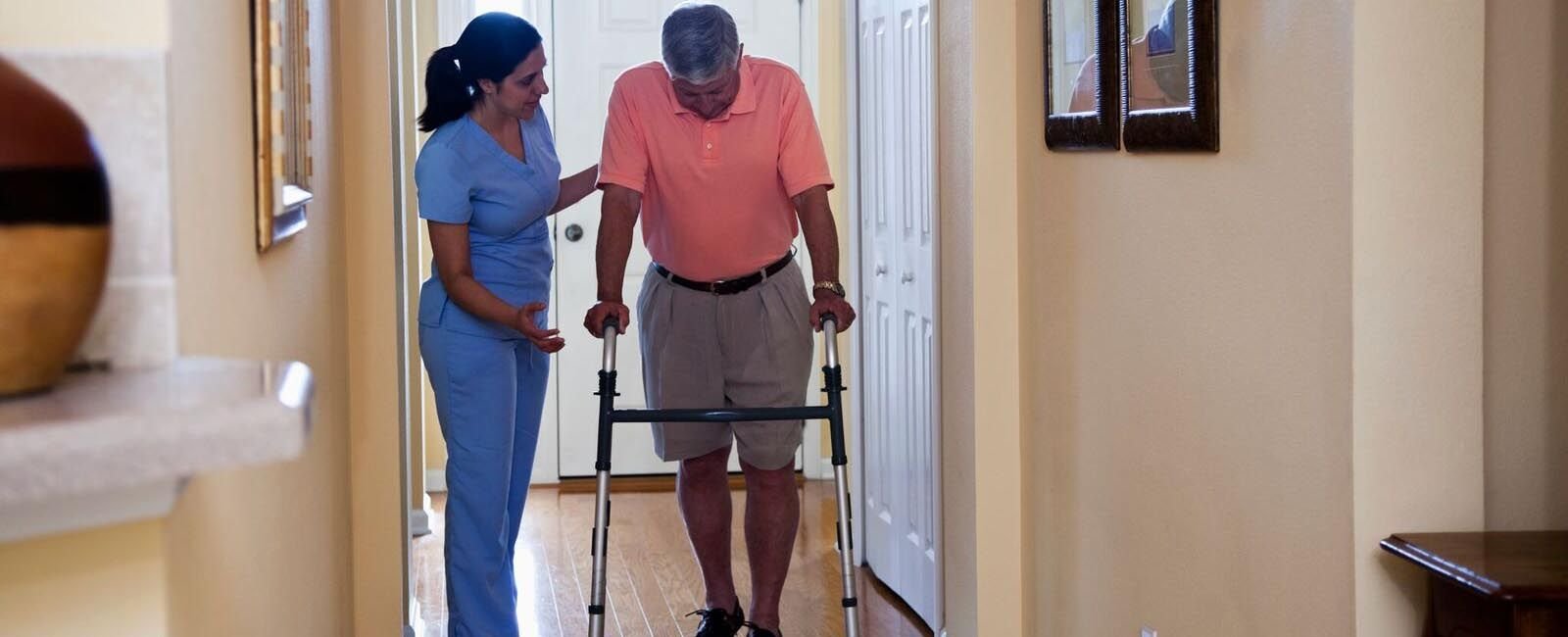
    • Mobility and fall prevention

    This support allows individuals to maintain independence while receiving the help they need.

    A Dedicated Clinical Care Team in Bethesda, Maryland

    For individuals living with chronic conditions such as diabetes, heart disease, COPD, and neurological disorders, continuity of care is an important component of care.

    Having a clinical team which includes Registered Nurses (RNs) and Licensed Practical Nurses (LPNs) provides:

    • Ongoing health assessments
    • Early detection of changes
    • Proactive interventions
    • Responsiveness to needs

    A clinical team to help support your family to assess and provide a care plan for your loved one, might avoid ongoing hospitalizations and readmittance.

    Aging in Place In The Comfort of Home

    For many seniors in Bethesda and Montgomery County, aging in place allows for greater comfort, stability, and emotional well-being.

    Receiving in-home senior care in Maryland helps individuals stay connected to their routines, their families, and their community while still receiving the medical support they need.

    Reducing Hospital Visits with Home Health Care in Montgomery County

    Living with a chronic condition often means frequent doctor visits, specialist appointments, and/or ER visits.

    A trusted home health care provider in Bethesda, MD can help reduce the stress by providing:

    • Transportation and appointment coordination
    • Post-hospitalization care and discharge plans
    • Medication oversight and adherence
    • Ongoing monitoring to prevent complications

    By focusing on continuity of care and being proactive with concomitant illnesses, you may be able to avoid unnecessary hospital visits and readmissions.

    Coordinated Care, Better Care

    Care teams work closely with physicians, specialists, clients, and families to ensure everyone is “in the know” and part of the process. This coordinated approach leads to:

    • More accurate care plans
    • Faster response to health changes and medication modifications
    • Stronger reassurance for family members

    Personalized Care Plans in Bethesda, Maryland

    Chronic disease management is most effective when individuals and families feel informed.

    In-home care services in Bethesda, MD may also include:

    • Physical therapy to improve strength and mobility
    • Occupational therapy to support daily function
    • Speech therapy for communication, swallowing and/or eating concerns

    Education is key to helping clients and families understand their condition, recognize early warning signs and be proactive in managing their condition.

    Each care plan is personalized and designed around medical needs, lifestyle, and goals, which takes into consideration recovery, underlying conditions and/or quality of life.

    In-Home Care in Bethesda, Maryland and throughout Montgomery County

    Living with a chronic condition can be challenging, with the right support, aging adults can continue to live safely, comfortably, and confidently at home.

    CarePlus provides comprehensive in-home care in Bethesda, MD and throughout Montgomery County offering skilled nursing, in-home care, and a dedicated clinical team to support every stage of chronic disease management.

    Call 301-740-8870 or contact us here.
  • Home Healthcare and Nursing

    Home Healthcare and Nursing

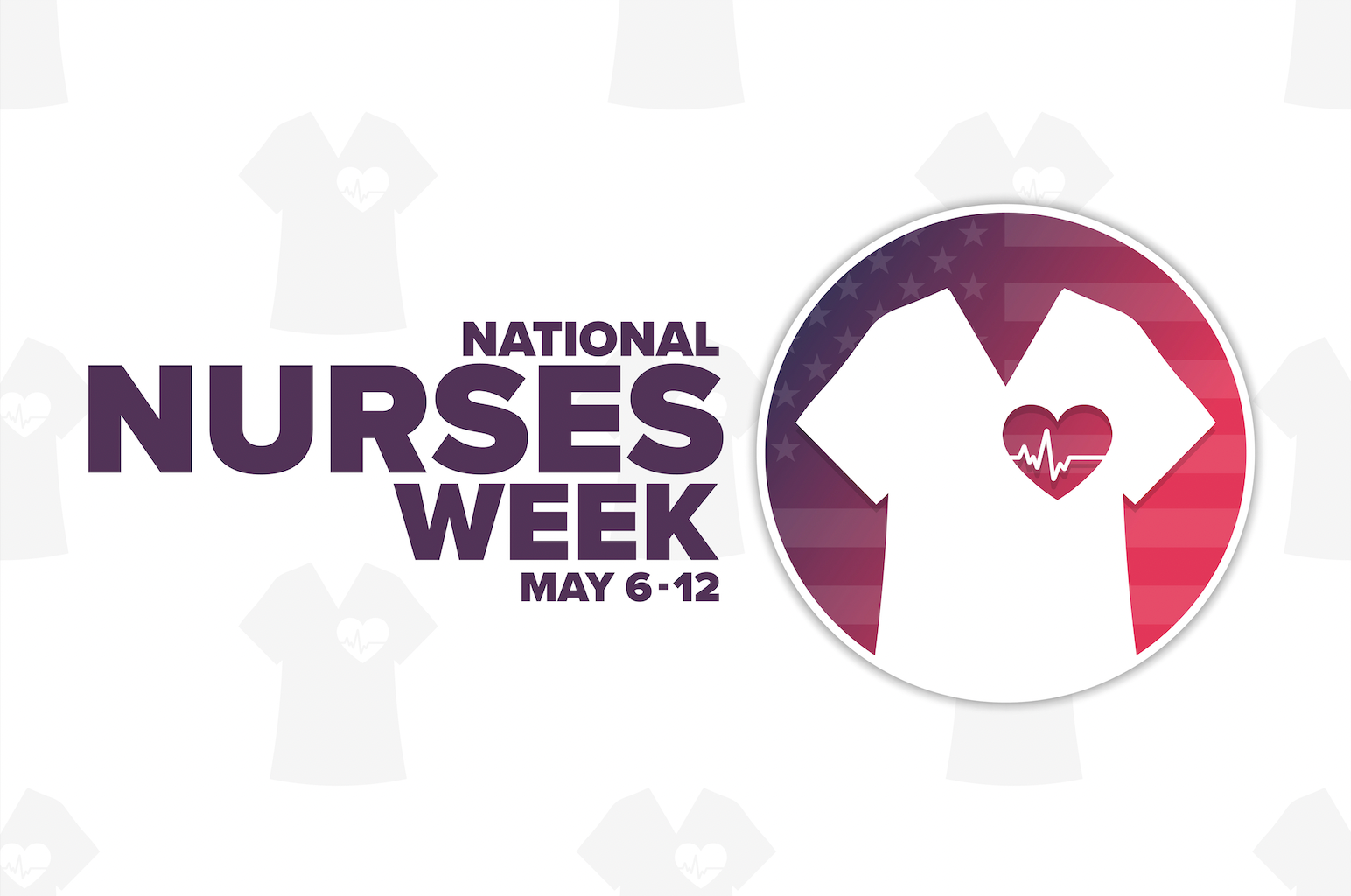
    May 6-12 is National Nurse’s Week. Nurses across the country are recognized for their extraordinary skills and care as they support patients and their families. At CarePlus Home Health, we salute these valuable members of our home healthcare team. 

    Nurses, Our Frontline Workers 

    Nurses are an integral part of the healthcare system and can be found in medical offices, hospitals, assisted care communities and private homes. Regularly tending to the health and wellness of their patients, nurses understand the unique needs of the individuals and families they serve. Nurses provide expertise with compassion and care. As a part of the home care team, nurses provide a range of different services from medication management to hygiene to wound management depending on the need of the patient. 

    Creative, Collaborative, and Caring

    Providing in home care requires flexibility, skill and expertise. Home healthcare nurses are trained to adapt to developing situations and use resources accordingly. Their experience guides families as families decide how best to set up the home for optimum safety and wellness. Home health nurses understand the importance the home environment and work hard to maintain that comfort.

    A Critical Part of the Team 

    A person living at home with health challenges needs the support of a team to be able to maintain comfort and independence. Doctors, family, friends, and other professionals work together with the patient to ensure that their care and comfort are planned for and executed in a way that maintains the dignity of the patient. Home healthcare nurses are a critical part of this team.

    Thank A Nurse

    Take time to appreciate and recognize nurses for their hard work and dedication. Patients and family can express their appreciation with a card of thanks, a testimonial, an online review, a letter to a supervisor or a referral. 

    CarePlus Home Health has many experienced nurses who understand the special needs of in-home healthcare. Contact us today to learn more. 

  • Flex Care Meets the Needs of the Individual

    Flex Care Meets the Needs of the Individual

    No two people age alike. Growing older can be a dramatically different experience from one person to another due to physical, mental, and emotional developments, as well as choices made such as where and how to live. Some aspects of aging can be managed with attention to diet, exercise, and social interaction. By acknowledging the unique needs of each individual, it is possible to maintain comfort and stability, and even increase longevity.

    Some aging adults elect to relocate to a home that can accommodate their evolving needs as they age. Independent living communities are an option allowing older adults to access a range of amenities and services while keeping significant freedom to manage their own lives. This can sometimes mean that there is a gap between the needs of the individual and the offerings of the community. At CarePlus Home Health, we offer Flex Care to individuals living in independent living communities in the Montgomery County and surrounding areas to bridge that gap and make sure that their specific needs are met.

    What is an Independent Living Community?

    For older adults, owning a home can be difficult. In addition to maintenance responsibilities, many things that are necessary or make life enjoyable can become more difficult when living alone. Isolation can increase as communities evolve, neighbors move, and getting out become more of a challenge. Enter independent living communities. These residential facilities are reserved exclusively for people over a specific age, and they offer on-site amenities like hair salons, exercise facilities, onsite medical offices, dining, and social and cultural events specifically curated for the residents. All residents have private dwellings – whether it is an apartment, townhome or house, and they pay a monthly fee that takes care of the grounds and pays for the amenities. Having access to these the community while still living in a private home is the principal attraction.

    What is missing from Independent Living?

    With the independence of a private home within the community, sometimes residents still need additional support. Short of moving to a smaller, less private, more institutional facility like assisted living, many aging adults in independent living want to continue enjoying their lives but need help. Conditions like failing eyesight, mild dementia, or arthritis can make some basic aspects of daily living a major challenge that can easily be tended to with a little help. The independent living community array of services generally stops at the door of each home, so residents need to make arrangements to meet these additional challenges.

    Flex Care for Customized Individual Support

    CarePlus can meet the needs of residents of independent living communities with a range of services like: shopping, housekeeping, escort to medical appointments, meal prep, bathing/dressing, other errands. After a free home assessment, the team at CarePlus can offer as little as 30 minutes of assistance daily, weekly or as needed to make sure that life is safe and comfortable. Having the flexibility of picking the services, the timing, and the frequency allows the greatest continued independence without missing out on essential needs.

    Sometimes the needs of the individual go beyond the home. Helping with the logistics of hospitalizations, rehabilitation, and transitions to and from a medical facility to home is one of our key competencies. We also can work with clients and their families to coordinate out-of-town visits as well as help keep lines of communication open.

    Flex Care for the Community

    Our team of trained, licensed and certified professionals can also provide services to the entire independent living community. With pop-up wellness clinics, lunch & learn programs, and other onsite services, CarePlus Home Health can work with the independent living staff to provide welcome additional programming.

    We believe that every individual deserves to age in dignity and comfort. We understand that this requires the ability to adjust our services to the specific needs of our clients. If you are an older adult in an independent living community in Montgomery County, staff of the community or a family of a resident, contact us to find out how we can help.

  • Understanding Bone and Joint Challenges

    Understanding Bone and Joint Challenges

    Our bones and joints become a source of potential serious injury as we age, and because last week was Bone and Joint National Action Week, everyone should be thinking about ways to care for these important body parts. Of course, a diet high in calcium and vitamin D are great for growing kids, but older adults need to continue to take these issues seriously. Here are some facts and tips to consider. 

    Bone and Joint Injury and Disease Facts

    According to the National Bone and Joint Initiative half of adult Americans suffer from musculoskeletal complications and many of these people require medical intervention for care. The National Institute on Aging (NIA), part of the National Institutes of health, identifies Osteoarthritis, falls and fractures, and Osteoporosis are among the most important health topics related to aging. Currently, there are some basic treatments for bone and joint injury and disease, but these conditions are often cumulative and degenerative, and the best that can be done is treatment of the pain and other symptoms.

    Prevention

    In addition to diet and supplements, the most significant way to prevent and alleviate bone and joint conditions is through a healthy lifestyle. Regular exercise strengthens muscles, which eases the strain on bones and joints. Luckily, it’s never too late to start, but if exercise hasn’t been a part of daily activities, it is important to consult with a physician before starting a new program. 

    Treatment and Care

    Individuals with debilitating bone and joint problems, including severe pain, can find their lives impacted in many ways. Simple tasks like laundry, cooking and cleaning can become major hurdles. In order to maximize independence and minimize pain, it is important to follow doctor’s orders about medication and treatment like physical therapy. Where an extra pair of hands can help with things that require dexterity like folding laundry or dicing vegetables, home health care can make a huge difference in continued life enjoyment. 

    At CarePlus Home Health, we work with clients to help them feel able to stay in their homes as long as possible. We do this by assessing their needs and providing trained, professional assistance to round out their lives in the ways that make the most meaningful impact. For clients with bone and joint challenges like arthritis, we can assist with meal preparation, laundry and other household activities that may be impacted. For more information about how we can help, contact us today for a free assessment. 

  • 3 Qualities to Achieve Excellence in Home Health Care

    3 Qualities to Achieve Excellence in Home Health Care

    More and more adults are choosing to stay in their homes, so they can age in place without the disruption of relocation. Health and safety challenges make this course of action impossible without help, and many people prefer to work with seasoned, trustworthy professionals to make sure their care is appropriate. When selecting home health care, an important balance of factors needs to be considered to make sure the experience is truly supportive. At CarePlus, we believe that quality home health care is made up of multiple factors, and we believe these three are essential.

    Expertise

    In the area of home health care, two types of experience are critical: health and hospitality. Geriatric health is a particular concentration in the medical field, and you want to make sure your caretakers know this area well. It also takes an extra level of compassion, care, and quality to go into a home and seamlessly become a part of daily living for an aging adult. Understanding how to make a home hospitable for an aging homeowner is a key to a successful relationship in home health care. Based on his years of experience in the hospitality industry, CarePlus Founder, Tom Najjar, recognizes the importance of a high level of quality care combined with customer service.

    Dignity

    As people age, their health may gradually decline, or in some instances, experience rapid changes in their health. Adapting to these changes with the help of home health care allows adults to maintain a sense of independence within their limits. With the ability to continue to make lifestyle choices and flexibility with support, as needs increase, adults can feel empowered to live their best lives. CarePlus recognizes these situations and is respectful and fully prepared to provide needed support.

    Comfort

    Whether it’s medication, groceries, a doctor visit or another service, a key to quality home health care is the comfort of the client as well as family and friends, who are concerned about the client’s well-being. Comfort comes in many forms. It can be a knowledgeable, experienced caretaker’s ability to help with medication and the activities of daily living. In addition, it may be the compassionate attitude of a caretaker who truly cares. Being a resource to the family, may also add peace of mind.

    At CarePlus Home Health we stand by our mission to deliver better care for a better life. We understand the trust being placed in our hands when our clients allow us to help them with their needs as they age. We look forward to the opportunity to bring Expertise, Dignity and Comfort to your home or the home of a loved one. For more information about our services, please contact us today.

  • Enhanced Senior Living Community Services

    Enhanced Senior Living Community Services

    At CarePlus, we are experts in home care services for older adults. When “home” is an independent living community, we offer individualized services to residents as well as community-wide programs that round out the experience of living in a safe, supported environment. By establishing a presence within a community, we are better able to meet needs by a customized approach to our clients and their families. 

    Independent Living 

    For seniors who want to maintain an active, independent lifestyle as long as possible, independent living communities are an excellent option. Catering exclusively to older adults, everything from the design of individual residences to a range of additional amenities like leisure activities, meal programs and healthcare facilities assure a healthy lifestyle in a supportive environment. According to SeniorHomes.com, there are 45 independent living communities in Montgomery County. 

    Where CarePlus Fits In

    As people age, their ability to manage some activities and tasks becomes more of a challenge. CarePlus supports independent living communities with a variety of offerings:

    Flex Care Services: We provide flexible care hours to residents at senior living communities. We can help with sheets/laundry, food prep, grocery shopping and housekeeping so residents can live independently and securely. We can be there for the small tasks. Residents can schedule as little as 30 minutes of assistance that can happen daily, weekly or occasionally. Whatever the need — we will be there.

    Wellness Center Program: CarePlus can set up a permanent wellness center on the premises or an “on the go” wellness pop up center according to need. We can do Blood Pressure checks, Zoom Lunch & Learns, Zoom health activities and much more. We also are able to support residents in crisis management, transitioning from hospital to home and supporting independent living.

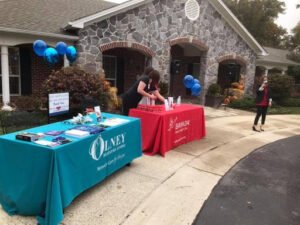
    CarePlus tabling at a senior living community event

    Care Coordination Program

    We offer an onsite CarePlus coordinator to help support logistical needs of residents living in communities. In addition, we provide services for out of town families including transitions from hospital to home, rehabilitation and other logistical needs. 

    Personal Assistant Services/CarePlus Concierge: CarePlus offers specialty services to clients who need additional oversight and services. Groceries, supplies and other shopping needs can be done by our team independently or assisting a resident. We can schedule and attend doctor’s appointments, coordinate with multiple providers, and assist with insurance matters. 

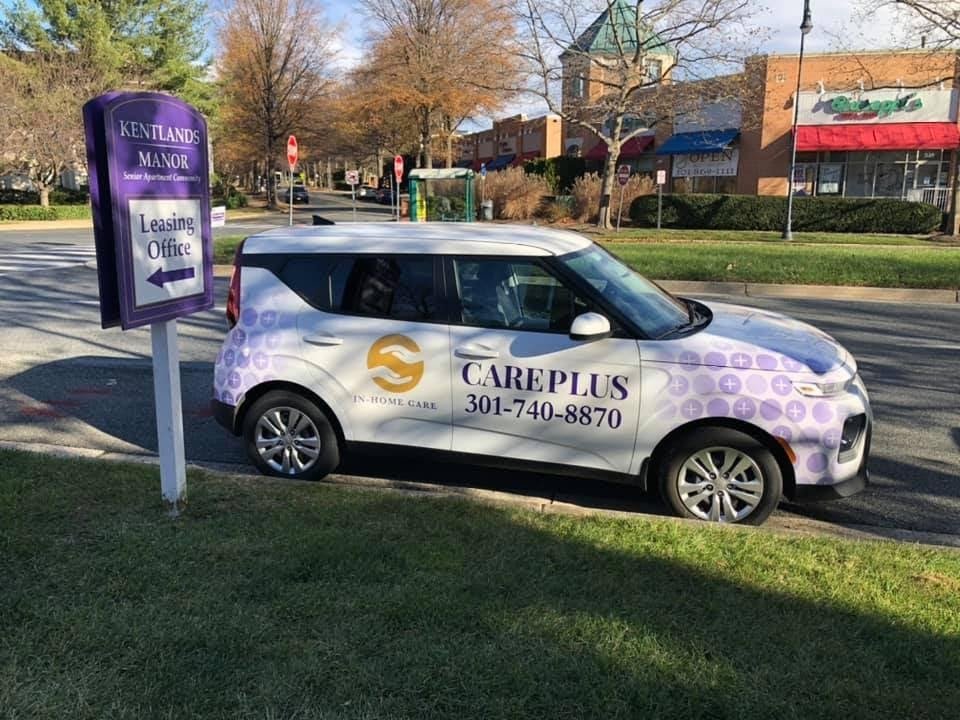
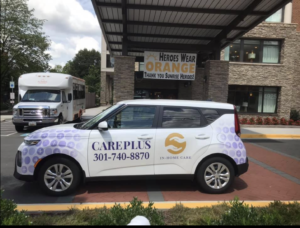
    a CarePlus vehicle outside a senior living facility

    Create Your Own Independent Living Community

    Through our Care Share program, we can help people to age in place in their neighborhood. By working with neighbors, older people can obtain some of the services we offer to independent living communities without having to move. These can include pop-up clinics, lunch and learn programs, and other activities that benefit a group. 

    CarePlus is committed to being a partner in aging in safety and dignity. We strive to bring the most customized and useful range of services to our clients and communities. To learn more about our Flex Care options email info@CarePlusInc.com.

  • Stroke Care Is Essential to Full Recovery

    Stroke Care Is Essential to Full Recovery

    The effects of a stroke are usually visible and often very dramatic. It can be difficult for the person who had the stroke to face the long effort of recovery. But just as friends and family need to act quickly when they think an older loved one is having a stroke, everyone needs to keep working after the person has come out of the hospital. The good news is that at some point after hospital treatment, it may be possible for a person who has had a stroke to continue rehabilitation and receive stroke care at home.

    There are several distinct signs that an older loved one is having a stroke. Always be alert to stroke if your older loved one experiences any of these symptoms quite suddenly: sudden loss of balance, sudden severe headache without a known cause, sudden trouble seeing from one or both eyes, slurred or difficult-to-understand speech, numbness, weakness, or drooping in the face, arm, or leg, especially on one side of the body, or sudden confusion.

    In the hospital, the person’s doctor will determine whether the symptoms have actually been caused by a stroke or by some other condition such as a brain tumor or a drug reaction, what kind of stroke it was, and what emergency treatments will be most effective. The Mayo Clinic describes a wide array of these emergency procedures very clearly on their stroke diagnosis and treatment page.

    What Happens After a Stroke

    A stroke affects movement and sensation on the opposite side of the body from the side of the brain that was affected. If the right side of the brain was affected, the left side of the body may show it; if the left side of the brain, the right side of the body. In addition, damage on the left side of the brain may cause difficulty with speech or language.

    A stroke survivor will probably experience fatigue, weakness on one side of the body, pain, and sleep disruption. Foot drop, difficulty picking up the front of the foot, is also common. A stroke can also cause problems with balance, vision, swallowing, spastic movements and continence.

    A person who has had a stroke may experience fear, anxiety, frustration, anger, sadness and a sense of loss. These are natural emotional responses to stroke. It can take time to adjust to all that has happened. Other emotional and personality changes can occur because of the physical effects of brain damage caused by the stroke.

    A stroke may also cause cognitive changes. Easy, familiar tasks may become difficult. The person may develop memory problems or have difficulty communicating.

    Stroke Care Promotes Rehabilitation

    With so many potential changes to contend with, a stroke survivor can expect to undergo a rigorous rehabilitation program. It may begin before the person leaves the hospital and continue in a rehabilitation unit of the same hospital, another rehabilitation unit or skilled nursing facility, an outpatient unit, or at home with the support of professional caregivers. (CarePlus provides a 72-hour post-discharge program to help stroke survivors and others transition from a hospitalization.) The goal is to help the person rebuild as much of their life and independence as possible.

    However rigorous, a rehabilitation program will take into account the person’s age, overall health, lifestyle, personal priorities, the extent of the disability caused by the stroke, and the availability of loved ones and professional caregivers to help carry out the program.

    Depending on the effects, a stroke treatment team may include a neurologist, a doctor trained in brain conditions, a rehabilitation doctor, a nurse, a dietitian, a physical therapist, an occupational therapist, a recreational therapist, a speech pathologist, a social worker, a case manager to coordinate all of the caregivers. It may also include a psychologist or psychiatrist to help with emotional difficulties and personality changes.

    Stroke Care Continues at Home

    A stroke survivor and their loved ones will need to evaluate the person’s way of living to ensure physical safety and progress. Some common changes are eating calcium-rich foods and taking calcium supplements to increase bone strength, wearing flat, wide-toed shoes, walking around the house using assistive devices prescribed by a physical therapist instead of using the furniture, recognizing that certain medicines cause drowsiness and taking precautions, and not walking at all when the person feels distracted. These changes all require family and professional support.

    The house may need some rearrangement like clearing paths to the kitchen, bedroom and bathroom and removing loose carpets and runners in hallways and stairwells or fastening them with nonskid tape to improve traction. It may be necessary to install assistive devices like a raised toilet seat, a bench in the tub or shower, a hand-held showerhead, and plastic strips that adhere to the floor of a tub or shower and to buy things like long-handled brushes and washing mitts with pockets for soap and electric toothbrushes and razors.

    During and after physical therapy, a person who has had a stroke will need to continue with exercise that strengthens leg muscles and restores balance; it may be helpful to have a physical therapist come to the house. An occupational therapist can help the person organize their daily activities and inspect the home before hospital discharge to help arrange it to the loved one’s new needs.

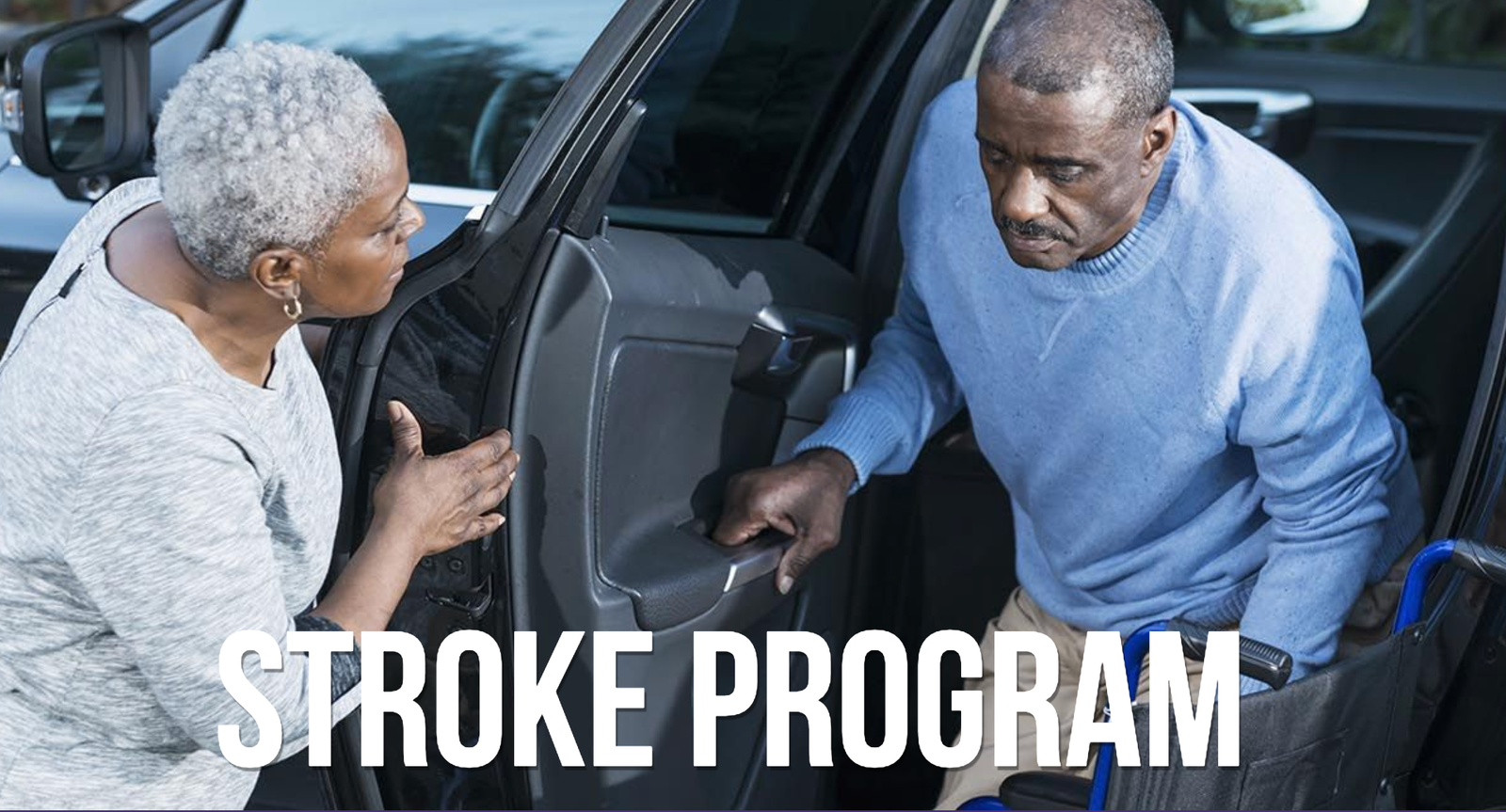
    A home caregiver can assist with all of these changes, do things for the stroke survivor that they can’t yet do themselves, help the survivor relearn may activities, and support them in the disciplines that aid recovery, like diet and exercise. Home caregivers can prepare nutritious meals consistent with a doctor’s advice and even help the person eat while they need help, transfer the person from bed to a wheelchair, chair, or bathroom, help them bathe and dress, remind them about medication times and personal safety habits, assist with prescribed motion and strength exercises, monitor for signs of another stroke, provide transportation to medical appointments, do light housekeeping and run errands, help plan and carry out social activities, and just as importantly, offer companionship and emotional support when friends and family can’t be there. (See more about the stroke care services CarePlus Home Health offers here.)

    To learn more about home stroke care services available in Montgomery County, MD from CarePlus, call us at 301-740-8870 or use our contact form. We’d be glad to talk with you about your loved one’s situation and develop an individualized plan together.

  • May is National Stroke Awareness Month

    May is National Stroke Awareness Month

    We are fortunate to live in a time where medical discoveries are not only plentiful, but allow all of us to learn preventive strategies directly related to that research.  That is why during stroke awareness month we want to share recent information and best practices that could help minimize stroke risk, as well as address changes in lifestyle that may be helpful in decreasing your risk for a stroke.

    While we don’t have any vaccine to prevent a stroke, there are considerations we can explore to minimize the risk. The National Institute of Neurological Disorders and Stroke (part of the National Institutes of Health) provides important outreach campaigns to our communities– all focused on education and prevention. These campaigns are designed to help us all become aware of our ability to help minimize risks associated with diseases.

    Did you know that stroke and dementia could be related? And that high blood pressure increases the risk of stroke and dementia?

    Recent studies indicate a relationship between high blood pressure, some forms of dementia and stroke. Individuals at risk for stroke may suffer what is known as a “silent stroke” which may go unnoticed. These silent strokes can cause damage to the brain, and eventually impact brain function. NIH Mind Your Risk. In fact, as a result of recent studies identifying benefits from blood pressure control, the medical community is changing the norms for blood pressure intervention.

    We can minimize stroke risk by understanding our role in maintaining a healthy lifestyle. While we wait for new technologies and cutting edge research to provide new treatments, there are steps we can all take, and should take, to minimize our risk of stroke.

    These include:

    1. Control your blood pressure. Have your blood pressure checked regularly, and if your doctor prescribes medication be sure to take it exactly as prescribed.
    2. Make lifestyle changes part of your everyday routine. This includes regular exercise, healthy eating, maintaining an appropriate weight and losing weight if needed.
    3. Stop smoking. There are many cessation treatments available today to help you stop smoking, ask your doctor or your pharmacist for help.
    4. Check your cholesterol. Ask your doctor to check your numbers. Research indicates that lower cholesterol lowers your risk for a variety of health issues including stroke.
    5. Keep your diabetes under control. Diabetes is a risk factor for not only stroke, but other diseases as well.
    6. Watch your alcohol intake. It appears that an increase in alcohol also raises blood pressure, another risk factor for stroke.

    US Department of Health and Human Services/NIH/Mind Your Risks

    Start a prevention plan early and stick with it. We all have a responsibility as we age to take good care of ourselves.  

    And, remember, we are here to help. We can provide a variety of services for short or long term needs, including home health care. Learn more about our Stroke Care Program.

    Resource: US Department of Health and Human Services/NIH/Mind Your Risks

  • Independent Living is not “Foolproof”

    Independent Living is not “Foolproof”

    Independent Living means freedom. The freedom to make choices and set one’s own schedule– prepare meals, shop at the grocery store, grab an ice cream cone, pay bills—truly get up and go anywhere at any time.

    While total independence is ideal, older adults may struggle keeping up with day to day tasks. When this happens, it is a good time to consider how additional elder care support can provide assistance for those forgotten chores. Additional support can provide the older adult an opportunity to continue to live independently with minimal and appropriate assistance. As health needs can change unpredictably, it is always a good idea to closely monitor the added care in the event additional services are needed. And, with the variety of support currently available, finding someone to help will extend the time one can live in a much beloved home and neighborhood.

    It would be ideal if everyone who needs support could ask for it, too many older adults feel uncomfortable acknowledging difficulties. Many fear that asking for help signals the loss of independence. In reality, adding support is a key component to extending independence. While it is quite clear that changes due to aging might complicate independent living, it does not have to end independent living.

    How can family and friends help?

    Family and friends are a big part of maintaining independence. The best way to help is to observe. Look for clues that loved ones would benefit from elder care assistance. Some are relatively small, but important: dishes in the sink long after a meal, stained clothing, clothing not appropriate for the weather, weight loss, change in telephone use, missed birthday greetings—changes to any behavior of daily life. Others are much more significant and could cause immediate harm: missed medications or medication mix-ups, missed bill payments, scorched pots and pans, and increasing confusion.

    Working together with family and friends is the best way to help older adults maintain a happy and healthy independent life.

  • Heart Health Month, Feel the Love…

    Heart Health Month, Feel the Love…

    Heart Health

    February is recognized nationwide as Heart Health month. An important reminder to continue, refresh or start healthy habits for a life time, habits that will contribute to our wellbeing and healthy aging.

    Good heart health starts with eating less saturated fat, less processed foods and less salty snacks. February is a great month to replace some of those choices with a variety of fresh fruits and vegetables.

    In addition to eating healthy, there are other habits that are recommended by the CDC:

    Preventing Heart Disease: Health Living Habits

    • Eat a well-balanced diet for good health
    • Increase your physical activity (varies with age), to help maintain a healthy weight
    • Avoid smoking, which may increase risk of heart disease
    • Moderate alcohol intake, excess consumption can worsen some heart conditions

    CarePlus Can Help

    There are many medical conditions that can impact your health. Having a heart condition can be very challenging as you age and may prevent living independently. Just to note, our in-home caregivers can provide friendly and helpful reminders for those taking medications and ensure proper adherence to prescribed medications. This is especially important for those with asymptomatic conditions like high blood pressure. Our attention to activities of daily living (ADL) is aimed at keeping everyone safe, healthy and active and includes: exercise classes, shopping trips, cooking tips and menu selections. We are committed to Heart Health, not just in February, but all year long.

    Happy Valentine’s Day!

    Nestled nearly in the middle of the month is the holiday of love…Valentine’s Day. An important reminder that the heart needs more than healthy food and exercise.  The healthy heart also needs love and emotional connection.  It is no coincidence that Valentine’s Day is a part of Heart Health month, another reminder to celebrate and nurture the emotional heart, as well as the physical heart.