Category: Care for Seniors

  • 3 Qualities to Achieve Excellence in Home Health Care

    3 Qualities to Achieve Excellence in Home Health Care

    More and more adults are choosing to stay in their homes, so they can age in place without the disruption of relocation. Health and safety challenges make this course of action impossible without help, and many people prefer to work with seasoned, trustworthy professionals to make sure their care is appropriate. When selecting home health care, an important balance of factors needs to be considered to make sure the experience is truly supportive. At CarePlus, we believe that quality home health care is made up of multiple factors, and we believe these three are essential.

    Expertise

    In the area of home health care, two types of experience are critical: health and hospitality. Geriatric health is a particular concentration in the medical field, and you want to make sure your caretakers know this area well. It also takes an extra level of compassion, care, and quality to go into a home and seamlessly become a part of daily living for an aging adult. Understanding how to make a home hospitable for an aging homeowner is a key to a successful relationship in home health care. Based on his years of experience in the hospitality industry, CarePlus Founder, Tom Najjar, recognizes the importance of a high level of quality care combined with customer service.

    Dignity

    As people age, their health may gradually decline, or in some instances, experience rapid changes in their health. Adapting to these changes with the help of home health care allows adults to maintain a sense of independence within their limits. With the ability to continue to make lifestyle choices and flexibility with support, as needs increase, adults can feel empowered to live their best lives. CarePlus recognizes these situations and is respectful and fully prepared to provide needed support.

    Comfort

    Whether it’s medication, groceries, a doctor visit or another service, a key to quality home health care is the comfort of the client as well as family and friends, who are concerned about the client’s well-being. Comfort comes in many forms. It can be a knowledgeable, experienced caretaker’s ability to help with medication and the activities of daily living. In addition, it may be the compassionate attitude of a caretaker who truly cares. Being a resource to the family, may also add peace of mind.

    At CarePlus Home Health we stand by our mission to deliver better care for a better life. We understand the trust being placed in our hands when our clients allow us to help them with their needs as they age. We look forward to the opportunity to bring Expertise, Dignity and Comfort to your home or the home of a loved one. For more information about our services, please contact us today.

  • Enhanced Senior Living Community Services

    Enhanced Senior Living Community Services

    At CarePlus, we are experts in home care services for older adults. When “home” is an independent living community, we offer individualized services to residents as well as community-wide programs that round out the experience of living in a safe, supported environment. By establishing a presence within a community, we are better able to meet needs by a customized approach to our clients and their families. 

    Independent Living 

    For seniors who want to maintain an active, independent lifestyle as long as possible, independent living communities are an excellent option. Catering exclusively to older adults, everything from the design of individual residences to a range of additional amenities like leisure activities, meal programs and healthcare facilities assure a healthy lifestyle in a supportive environment. According to SeniorHomes.com, there are 45 independent living communities in Montgomery County. 

    Where CarePlus Fits In

    As people age, their ability to manage some activities and tasks becomes more of a challenge. CarePlus supports independent living communities with a variety of offerings:

    Flex Care Services: We provide flexible care hours to residents at senior living communities. We can help with sheets/laundry, food prep, grocery shopping and housekeeping so residents can live independently and securely. We can be there for the small tasks. Residents can schedule as little as 30 minutes of assistance that can happen daily, weekly or occasionally. Whatever the need — we will be there.

    Wellness Center Program: CarePlus can set up a permanent wellness center on the premises or an “on the go” wellness pop up center according to need. We can do Blood Pressure checks, Zoom Lunch & Learns, Zoom health activities and much more. We also are able to support residents in crisis management, transitioning from hospital to home and supporting independent living.

    CarePlus tabling at a senior living community event

    Care Coordination Program

    We offer an onsite CarePlus coordinator to help support logistical needs of residents living in communities. In addition, we provide services for out of town families including transitions from hospital to home, rehabilitation and other logistical needs. 

    Personal Assistant Services/CarePlus Concierge: CarePlus offers specialty services to clients who need additional oversight and services. Groceries, supplies and other shopping needs can be done by our team independently or assisting a resident. We can schedule and attend doctor’s appointments, coordinate with multiple providers, and assist with insurance matters. 

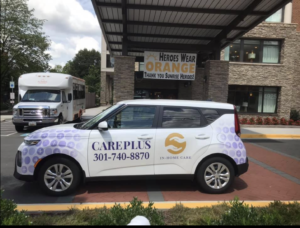
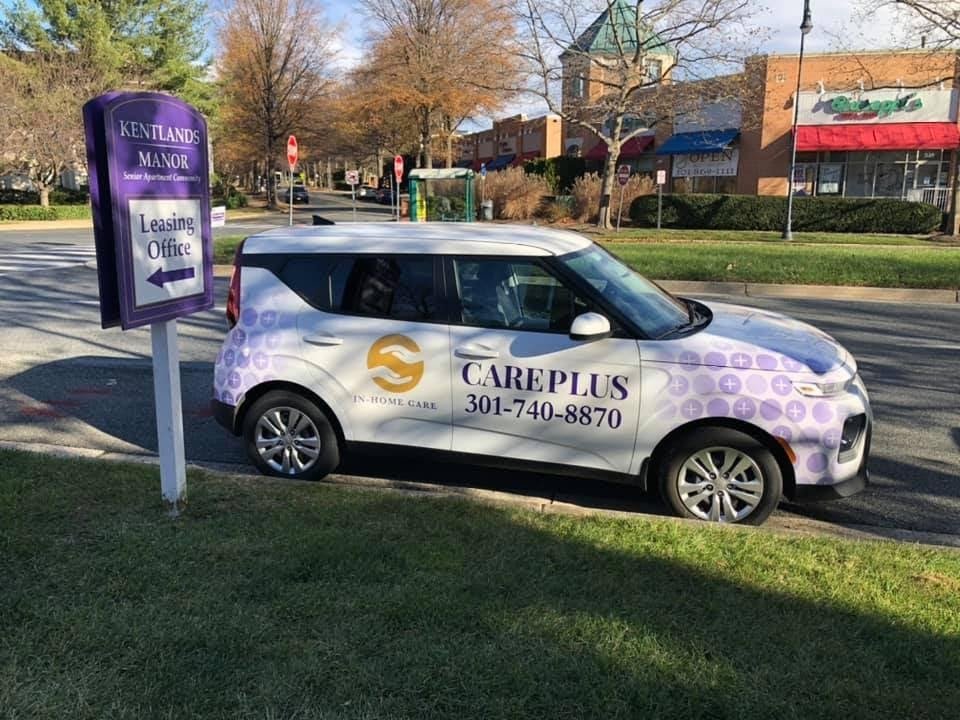
    a CarePlus vehicle outside a senior living facility

    Create Your Own Independent Living Community

    Through our Care Share program, we can help people to age in place in their neighborhood. By working with neighbors, older people can obtain some of the services we offer to independent living communities without having to move. These can include pop-up clinics, lunch and learn programs, and other activities that benefit a group. 

    CarePlus is committed to being a partner in aging in safety and dignity. We strive to bring the most customized and useful range of services to our clients and communities. To learn more about our Flex Care options email info@CarePlusInc.com.

  • Alzheimer’s & Brain Awareness Month

    Alzheimer’s & Brain Awareness Month

    June is National Alzheimer’s & Brain Awareness Month. This month CarePlus Home Health took part in programming that helped us raise awareness and support for Alzheimer’s Disease. 

    Alzheimer’s Disease is a progressive disease that damages memory and other important mental functions. Memory loss and difficulty thinking are common symptoms and contribute to mental decline. Some other symptoms are:

    • Problems with language, visualizing and spatial relationships 

    • Difficulty performing familiar tasks 

    • Disorientation with time and place

    • Poor judgment 

    • Attention issues

    • Changes in mood, behavior or personality  

    • Loss of desire or initiative

    Better Care, Better Health – Alzheimer’s Association National Capital Area Chapter


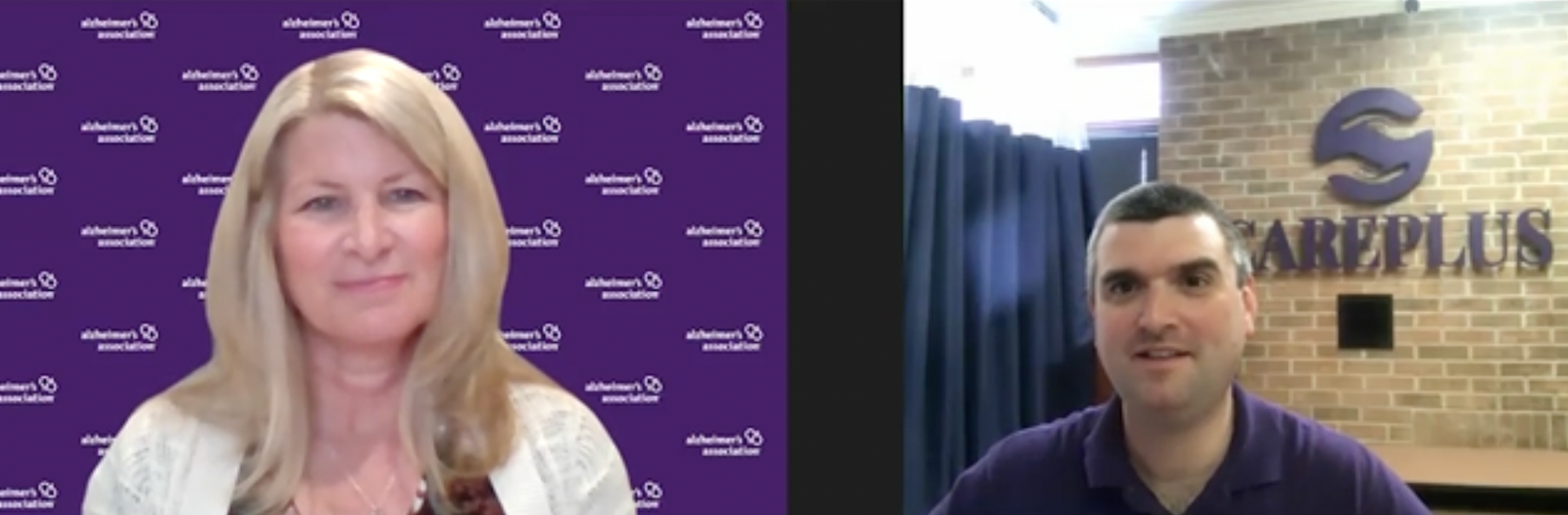
    Our CarePlus Executive Director, Andrew Ryan, sat down with Sheila Griffith, Program Manager for the National Capital Area Chapter of the Alzheimer’s Association. They discussed all of the exciting programs coming up for the Alzheimer’s Association including the Longest Day and the Alzheimer’s Walk!


    The Alzheimer’s Association National Capital Area Chapter offers many different resources to support you and your loved one in all stages of the disease. From support groups to educational programs, there is something to guide everyone through this difficult time. 

    CarePlus is here for you!

    Our services are adjusted to meet your needs. Whether you need us for a few hours a day, or 24/7, we can support you and your loved one. Our caregivers can help with memory care, lifestyle strategies, nutrition and daily living, physical stability, mobility and exercise, and fall prevention. 


    Let’s Get Started. Call us today at (301) 740-8870 or email us at info@careplusinc.com to discuss your needs. We are here 24/7 to help you.

  • Parkinson’s Awareness Month

    Parkinson’s Awareness Month

    April 2021 is National Parkinson’s Awareness Month. At CarePlus Home Health, we have a particular focus on the care and wellbeing of people living with Parkinson’s Disease. In honor of the month, and as part of our Better Care – Better Health Series, CarePlus has undertaken some exciting activities to raise awareness and deepen our own understanding of Parkinson’s.

    #KnowMorePD

    Parkinson’s disease is a chronic, progressive, neurological disease that is estimated to affect approximately one million people in the United States. According to the Centers for Disease Control, Parkinson’s is the 14th leading cause of death in the United States. The Parkinson’s Foundation theme for 2021 Parkinson’s Awareness Month is #KnowMorePD. “The goal of the campaign is to raise awareness about Parkinson’s disease, the Parkinson’s Foundation and all of our available resources that help make lives better for people with Parkinson’s.” 

    A Conversation about Speech and Swallowing


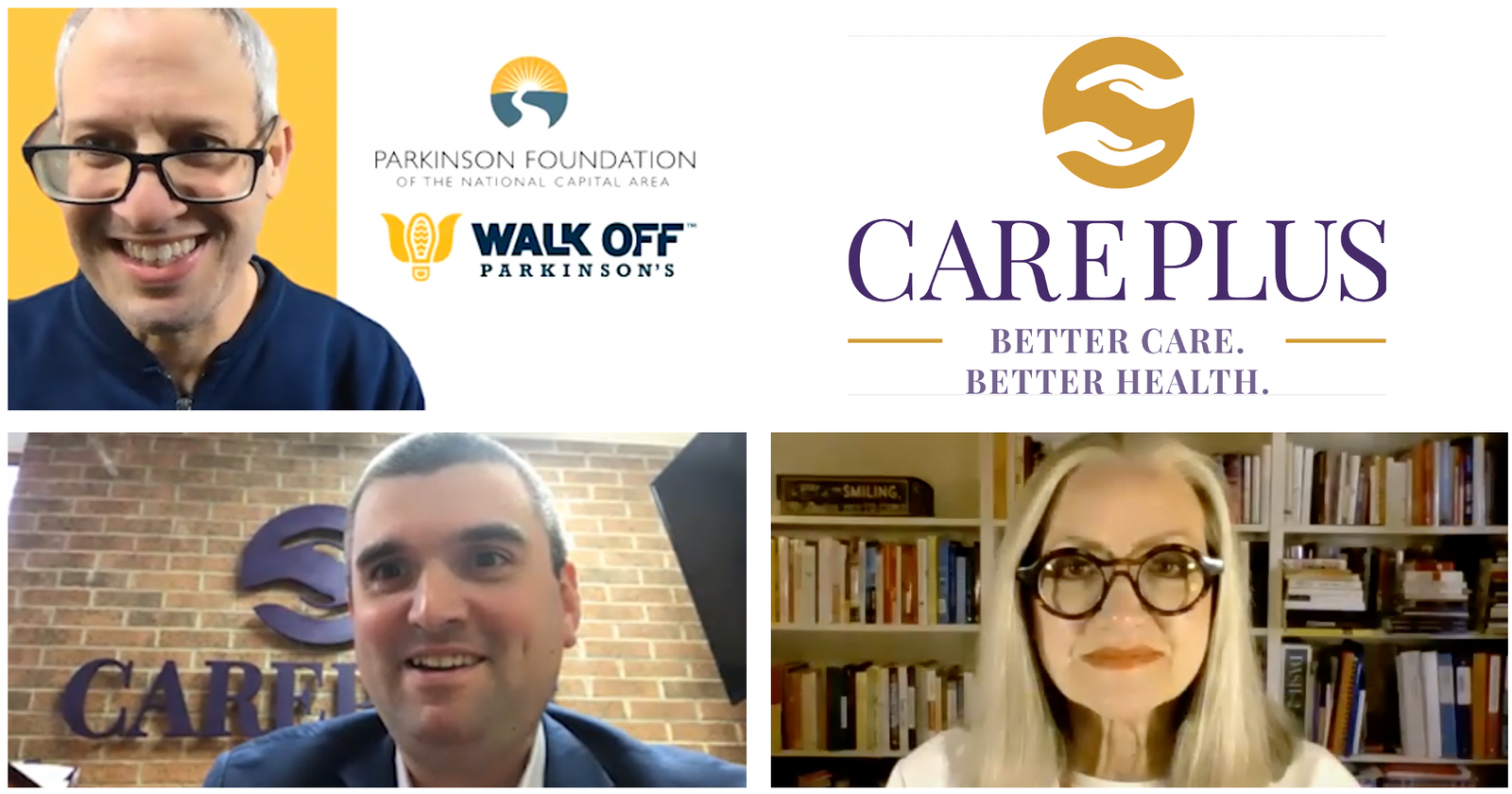
    Andrew Ryan, Executive Director of CarePlus, had a conversation with Susan I. Wranik, a board-certified speech language pathologist and LSVT LOUD Certified Clinician, specializing in the treatment of neurogenic speech, language/memory, and swallowing issues in adults with Parkinson’s. Together, they had a wide-ranging discussion that provided some important information, guidance and resources. In particular, they discussed the LSVT LOUD treatment protocol, which was designed to help people with Parkinson’s to speak in a normal tone of voice. 

    Accessing Local Resources and Education


    Another important conversation occurred between Andrew Ryan and Jared D. Cohen, MBA, President & CEO of the Parkinson Foundation of the National Capital Area (PFNCA). Located in Montgomery County, PFNCA is a wonderful resource for people suffering from Parkinson’s as well as their families. They provide many programs, including virtual wellness activities and dozens of local support groups. The PFNCA Medical Advisory Board has organized the 2021 PFNCA Symposium, featuring over 40 sessions by 37 physicians, and some question-and-answer sessions. In their discussion, Andrew and Jared went into detail about the Symposium and the many educational topics being addressed by experts. 


    CarePlus Provides

    Our Parkinson’s team begins with a nurse assessment who helps put together a customized plan based on individual needs. We then step in to provide a range of assistance that can be medically related (doctor’s appointments, medication reminders), activities of daily living, self-care or other support like walking and meal prep. No person is alike, and our care plans are unique and capable of evolving as the needs of the individual change with the onset of the disease. 

    To get started, call us today at 301-740-8870 or email us at info@careplusinc.com to discuss your needs.

  • Spring Cleaning for Seniors

    Spring Cleaning for Seniors

    The change of seasons isn’t just a change of the weather, but chances for us to make some changes to our homes and lives. Spring cleaning, organizing and getting a fresh start is a great way to start the season anew. We have all been stuck indoors from the cold weather and now we can get a jump start on the tasks we have let go over the winter season. Here are five simple spring-cleaning tips for seniors:

    Tip #1: Plan & Prioritize

    Spring cleaning doesn’t need to be overwhelming! Make a list of items that need to be cleaned or organized and prioritize which are the most important. Don’t forget to call on family members to come over and assist. This will not only complete the list faster but will make for some fun as well!

    Tip #2: Don’t be afraid to de-clutter. 

    Over the years, there are many items in our homes we have stopped using and suddenly there is a lot of clutter! Donate or throw away unused items that have collected to make room for tidiness and order in your home. Clutter can cause a heightened risk of falls for seniors, so this is an important place to start during spring cleaning.

    Tip #3: Do a little at a time. 

    During the planning process, you may realize you have more to do than you initially thought. Everything doesn’t need to be done in just a few days, especially if alone, do a little each day. Use your prioritization list and tackle a few items off the list per week if there is time and relax in between.

    Tip #4: Check expiration dates. 

    Go through medicine cabinets, pantries and any other areas with perishable items. Having expired medication or food around can be dangerous so remembering to throw away and replace expired items is important.

    Tip #5: Check your battery powered safety devices.

    Smoke detectors, carbon dioxide detectors and fire extinguishers are all crucial to a safe home and need to be working properly. Now is the time to make sure you have fresh batteries in your smoke and carbon dioxide detectors and that they are properly functioning. Fire extinguishers expire, so be sure to check the date.

    These spring-cleaning tips for seniors help to promote and maintain independence and quality of life, either in their home or in community settings

    CarePlus Home Health provides in-home care including: assisted daily living, flex care, skilled nursing and 24-hour care. Our mission is to give professional and compassionate care to individuals. Need support for day-to-day activities?  Please call us at 301-740-8870 or visit our website to learn more.

  • National Family Caregivers Month- Feeling Gratitude

    National Family Caregivers Month- Feeling Gratitude

    During this truly unusual Thanksgiving season, we want to extend even more gratitude for amazing family caregivers. November is National Family Caregivers Month and we are overflowing with admiration for the dedicated people navigating the Covid-19 pandemic to provide care to their family members. Caregiving can be stressful at the best of times, but with the Thanksgiving holiday fast approaching, we want to help you find new ways to create connections and happy holiday memories.

    With recent CDC recommendations advising against hosting gatherings, this is a perfect time to ensure that families can gather with the help of technology. Video calls are an excellent way to offer a real time check-in with your loved ones that helps keep everyone safe. If your family members have been hesitant to pick up these new skills, this is a great opportunity to re-visit the idea with them. By enabling them to see AND hear the family on the holiday, they’ll get the chance to feel like they’re part of the celebration just like everyone else: virtually! There are great devices and apps that make it incredibly easy for seniors to connect quickly and easily. Devices like GrandPad, ViewClix, and Amazon Echo Show offer fast, easy set-up and the Oscar Senior app can be installed on their smartphone.

    The key to making this kind of new experience less stressful is to find ways to keep the setup and access simple and provide clear instructions. This is a great way to help support your loved ones and the family members who are caring for them. The more encouragement they receive, the more excited they will be to join in on video calls. Enabling loved ones who receive at-home care to receive video calls is a great way for caregivers to be able to touch base well past the holidays, and ensure that multiple family members can easily stay in contact from near and far.

    If your loved ones are already Facetime, Duo, or Zoom professionals, it’s time to add another layer of fun! Why not schedule a group video call where everyone sits down to enjoy their Thanksgiving meal together? Or even find a recipe and cook together? Meal kits are a simple way to achieve something like this and that allows everyone to be making the same dish all at the same time. Incorporate virtual family game nights, where everyone can participate in games like bingo, charades, and Pictionary. We at CarePlus recognize the dedication of all the family caregivers who are going above and beyond in these challenging months, and we want you to know that we are always here to offer solutions and support.

    Visit CarePlus Resources Here. Please do not hesitate to contact us for support, resources and services at 301-740-8870.

    At this time of year, all of us at CarePlus want to wish you and your family a very Happy Healthy Thanksgiving filled with joy, good health and fun!

  • Five Reasons You May Need Home Care Nursing or In-Home Care

    Five Reasons You May Need Home Care Nursing or In-Home Care

    According to the CDC, as of 2016 in the United States, there were an estimated 4,600 adult day services centers, 12,200 home health agencies, 4,300 hospices, 15,600 nursing homes, and 28,900 residential care communities. 

    Caregivers are making the difficult choice of placing their loved ones in nursing homes every day. It is a challenging but an important decision to make.

    Certain factors should be considered before putting your elderly loved one in a nursing home:

    1. They are no longer able to take care of themselves: Everyday tasks are no longer possible for them. They cannot feed themselves, use the restroom by themselves, brush their teeth, or do personal hygiene by themselves. They cannot bathe, walk, stand, or lay down without assistance. Additionally, they cannot cook their own meals or keep their home clean. They are sometimes confused, forgetful, and cannot keep to a daily routine.
    2. Constant care can be overwhelming: Caregiving is a 24-hour, 365-day-a-year responsibility. It can be emotionally draining for everyone and eventually trigger health issues. Caregiving is added to our own daily responsibilities such as family, career, and community. Even though you love them and want to care for them, the daily caregiving grind is wearing you down and eventually, the exhaustion from juggling all these responsibilities may take its toll as you lose focus and make mistakes in your care of them. Your elderly loved one may also see you in an angry mood and that will adversely affect their mood and health. It is a domino effect, but there are in-home care options for loved ones so you are not alone in caring for them.
    3. You don’t live in the area: You may want to care for them but you live too far away to do it on a regular basis. Your obligations to your family and career get in the way of you being a consistent caregiver in their life.
    4. They need professional care: Elderly patients with serious medical conditions such as Dementia or Alzheimer’s need professional care, 24/7/365. They may also be on certain medications and require nursing care that you cannot provide.
    5. You have tried everything else: Your own caregiving may be helpful and compassionate, but it is not the best solution to your loved one’s unique and, perhaps, complex needs. After researching and asking around, you conclude that in spite of all that you are doing, it isn’t enough. Your loved one needs comprehensive, professional care.

    Now, maybe it’s time to place them in the care of a licensed, trained, and compassionate in-home caregiver or at a nursing home. Please, don’t wait until it is too late.  If you need a safety assessment or have questions about your loved one, call us at (301) 740-8870.

    CarePlus Home Health, Inc. has experienced and compassionate home health caregivers.  We offer home care in Montgomery County, MD and the surrounding areas.


  • Six Ways to Practice Fall Prevention During Home Falls Prevention Awareness Week (9/21-25, 2020)

    Six Ways to Practice Fall Prevention During Home Falls Prevention Awareness Week (9/21-25, 2020)

    We have all fallen and, perhaps, scratched a knee or dislocated a shoulder. It wasn’t a serious problem and we recovered. 

    However, for a senior, a fall can be serious, even fatal. Falls can diminish functions, cause loss of mobility, limit activities, fracture the hip, humerus, pelvis, and forearm. Based on CDC 2018 data, falls are the leading cause of injury-related death among adults 65 and older. The age-adjusted fall death rate is 64 deaths per 100,000 older adults, which is an almost 30% increase since 2009. The fastest-growing rate was among adults 85 and older.

    Falls Prevention Awareness Week is September 21-25, 2020. This is the perfect time to decrease the risk of falls by seniors by taking preventative measures that reduce risk factors. Here are several steps you can take during this week:

    1. Home safety measures: Install a stairlift, add more lighting, add motion-activated night light, clap on overhead lights, and motion-activated lamps. Make a risk zone list of places in the home where they may fall then commit these to memory. Stay away from these areas or take fall prevention measures to reduce the risk. 
    2. Install bed rails: Getting in and out of bed can be risky for some seniors. Bed rails reduce the chances of falling and also a way of anchoring them when they are ready to get out of bed. 
    3. Install bathroom safety accessories: The bathroom is the most dangerous place for seniors, especially due to wet floors. The addition of support bars next to the toilet and sink, non-slip rubber mats in the tub and front of the tub will make bathing much safer. 
    4. Walk-in tub: These types of tubs are much safer by allowing seniors to walk in and out without lifting their feet up and over the siding of a traditional tub. They can sit inside the tub and bathe as usual. 
    5. Wear practical shoes: Shoes that are at an angle or sit high can put them at a greater risk of falling. They can be difficult to walk in and are a fall risk. Instead, purchase slip-on shoes with arch support, and can be slipped on while standing or sitting.
    6. Speak openly with family and friends: There needs to be an open and honest conversation with the senior, their family, and caretakers. By setting up a communication system, everyone can work together to prevent falls. Have the grandchildren keep high-traffic areas clean and give the senior a cell phone they can use to contact them quickly. Lastly, the family should stop by as often as possible to check in on them. 

    Fall prevention is a team effort with family, caretakers, neighbors, and the seniors working together so they are safe. Use common sense and consult their physician on all safety measures that can be taken. All it takes are a few equipment installations and creating an efficient communication system to provide a safer home for your aging loved one. 

    CarePlus Home Health is one of Montgomery County, Maryland’s, most experienced home care agencies, providing assisted daily living, skilled nursing, 24-hour care, and stroke, dementia, and Alzheimer’s care. Our mission is to give professional and compassionate care to individuals, while helping them maintain their independence and quality of life, either in their home or in community settings. Please feel welcome to call us at 301-740-8870 or use our contact form to discuss your home care needs or those of an older loved one.

  • Sandwich Generation: Being A Caregiver for Your Parents & Children

    Sandwich Generation: Being A Caregiver for Your Parents & Children

    As the American age demographic evolves, a growing number of people are finding themselves simultaneously helping their children grow up while taking care of their elderly parents. The people experiencing this scenario have come to be known as the Sandwich Generation, and they face unique challenges. While tending to the young and elderly at the same time can be difficult, there are things to keep in mind that can help you manage.

    Financial Considerations

    Financial matters vary according to the individual family, but money can be a serious issue for people taking care of two generations. According to Pew data, the Sandwich Generation is experiencing a rising financial burden. Tax planning, working with a financial advisor, and rethinking budgets are some of the ways to manage finances. In addition, there are local, state and federal resources available to support families based on income and need.

    Self-care

    Caregivers often forget that they deserve care as well. If you are helping an aging parent or other additional family member while raising children, you are asking a lot of yourself. Remember, if you do not take care of yourself, you will not be able to care for others. Try to remember not to allow the needs of others to completely overtake your needs. While easier said than done, it can be achieved through planning. Just like you schedule time for paying bills, taking a parent to a doctor’s appointment, and getting the kids to school, try designating specific time for yourself. Scheduling provides a consistent way to make sure you are at your best because you have tended to your own needs on a regular basis.

    Don’t Do It Alone

    As the primary caregiver to your loved ones, it can often feel like an overwhelming responsibility. Since you are in the best position to understand what each person needs and wants, you may have trouble letting go. However, trying to do everything yourself can be inefficient and stressful, so you should consider looking for support and assistance. Call on other family members or engage professionals to help keep things in order. While the person being cared for may object to this assistance, it is important to be persistent as this not only will help you in the long run but it will also make sure that your loved ones are receiving the best possible care.

    Finding the Right Professional Help

    Balancing the increased demands on your life can be a challenge. It is made easier by finding the right match for support. A good place to start is a home health care service to make sure your aging parent is receiving appropriate care by providing the right services for specific needs. The right company has expertise in assessing care services and matching the right caregiver with your parent’s needs. A thorough intake process and regular assessments mean that the additional needs that might arise, will also be identified and managed. While you may feel like you are sandwiched between your children and your parents, finding the proper balance and support is essential.

    CarePlus provides services at all levels of care, designed to allow the family caregivers peace of mind when they need support. For over 25 years, our professionals have been helping families, and safety is always a top priority. We follow CDC recommendations as well as taking extra precautions to keep everyone safe. For more information and resources, please visit our website.

    If you have any questions, please contact us by phone at (301) 740-8870 or email us at info@careplusinc.com.

  • Stroke Awareness, Stay Safe.

    Stroke Awareness, Stay Safe.

    According to the National Institutes of Health, “Each year in the United States, there are more than 800,000 strokes.”

    Strokes are the fifth leading cause of death in the United States, according the Centers for Disease Control. More than any other disease a stroke can cause serious, long-term disabilities. The American Heart Association Stroke Council (ASC) says that stroke victims are vulnerable to repeat strokes.

    CarePlus Home Health would like to offer you a few tips on how to recognize stroke-like symptoms and the necessary steps to take to reduce the risk of having a stroke.

    What is a Stroke?

    When a major blood vessel in the brain is either blocked by a clot or bursts, a portion of the brain cannot get the blood it needs, causing brain cells to die.

    This is a stroke.

    What Causes a Stroke?  

    The two-most common types of strokes are hemorrhagic and ischemic.

    • A hemorrhagic stroke occurs when a weakened blood vessel in the brain ruptures. High blood pressure is the most common cause of a hemorrhagic stroke.
    • An Ischemic stroke occurs when a blood vessel supplying blood to the brain is obstructed. According to the ASC, ischemic strokes account for 87% of all strokes.

    When a person has a stroke, depending on where in the brain the stroke occurs, the part of the body controlled by that part of the brain cannot function. Short of death, strokes can cause paralysis, loss of vision, memory loss as well as other possible outcomes – some of which are irreversible.

    Remember to ACT FAST!

    Medical intervention is needed as quickly as possible when experiencing stroke symptoms.

    According to the Mayo Clinic, an ischemic stroke requires specific pharmaceuticals to break up the clot in the brain; medication should be administered “within 4.5 hours from when symptoms first started if given intravenously.

    The sooner a stroke patient is treated with medication, the better. Quick medical treatment may not only improve a stroke victim’s chances of survival, additional medical complication may be avoided.

    According to the Centers for Disease Control, the acronym F-A-S-T can help you remember stroke symptoms.

    F = Face drooping: Ask the person to smile. Does one side droop?

    A = Arm weakness: Ask the person to raise both arms. Does one arm drift downward?

    S = Speech difficulty: Ask the person to repeat a simple sentence. Are their words slurred?

    T = Time to call 9-1-1: If the person shows any of these signs, call 9-1-1 immediately. Stroke treatment can begin in the ambulance.

    Additional stroke symptoms include dizziness; loss of balance or coordination; trouble walking; problems seeing out of one or both eyes; severe headache; numbness of the face; and sudden confusion or trouble understanding others.

    Keeping in mind the FAST signs (see above), it is imperative contact emergency services as soon as possible if you or someone else displays any stroke symptoms.

    Do NOT Let COVID-19 Prevent You From Seeking Treatment

    Millions of Americans are rightfully following the CDC’s social distancing guidelines with respect to COVID-19; however, these social distancing measures should not prevent you from getting emergency medical attention should you experience stroke-like symptoms.  

    Call 911!

    Emergency medical technicians (EMTs) are trained to assess your condition and take immediate steps to hospitalize someone having a stroke. The risks associated with not obtaining treatment for a stroke far outweigh the potential exposure to COVID-19, particularly when healthcare professionals involved – from the EMT to the treating doctors and nurses – are made aware of any underlying health concerns (e.g., a compromised immune system).

    Take Care of Yourself!

    The CDC offers the following stroke prevention guidelines:

    • Eat a healthy, low-sodium diet; include plenty of fruits and vegetables;
    • Maintain a healthy weight;
    • Be physically active.
    • Do not smoke;
    • Avoid secondhand smoke;
    • Limit your alcohol use;
    • Prevent or manage your other health conditions, especially high blood pressure, high cholesterol, diabetes, and obesity.

    Some contributing strokes factors – age, race and gender, for example – are outside of your control. Living a healthy lifestyle, however, can help prevent you or your loved one from having a stroke.