Category: Aging in Place

  • Putting Families First: 24 Hour Programs for Montgomery County Seniors

    Putting Families First: 24 Hour Programs for Montgomery County Seniors

    Who’s going to care for your loved one around the clock? CarePlus is here to help.

    Our 24 Hour Care Program provides care for individuals who need around the clock care.

    Guy B. shares his experience at CarePlus Home Health:

    “I’m living here and my wife is here with me. She’s ill and she’s being taken care of by CarePlus, which I’m very happy about. They have done such an outstanding job for me since I was here.

     I’ve had my wife in two or three different places, to be taken care of and they never took care of her like you folks do. So I’m just excited about the fact that she’s happy and she seems to be getting along. This disease she has, mental disease, is not curable but she seems to be happy in her whereabouts and so that makes me happy.

    My life has changed ever since I came into your care, with CarePlus. It’s made me realize that there are decent people around who can take care of sick people and do a fantastic job like you do.”

    At CarePlus Home Health Inc., home care is our passion.  At CarePlus we recognize all our clients and value the importance of the service we provide. It is imperative to make the right fit for your family.  For the past 20 years, we have provided our clients in Montgomery County, MD and the surrounding areas with excellence, compassion and understanding. Our mission, to provide professional, compassionate care to individuals, while maintaining their independence and quality of life, in their home or community settings.

    If you are interested in learning more about our home care services including:  assisted daily living services,  bathing, companionship, dressing, exercises, grocery shopping, housekeeping/laundry and live-in support – please contact us at (301) 740-8870 or info@careplusinc.com.


  • Putting Families First: Home Care Assisted Daily Living for Gaithersburg Seniors

    Putting Families First: Home Care Assisted Daily Living for Gaithersburg Seniors

    Home care services may include assisted daily living, advanced care and special programs for families who have a family in need. The trend in care for independent living and aging in place, is to provide compassionate, responsive and dependable care for seniors in their home. 

    The U.S. Centers for Disease Control and Prevention defines aging in place as “the ability to live in one’s own home and community safely, independently, and comfortably, regardless of age, income, or ability level. It is the trend as many seniors prefer staying in their home where it is safe, familiar and comfortable.”    

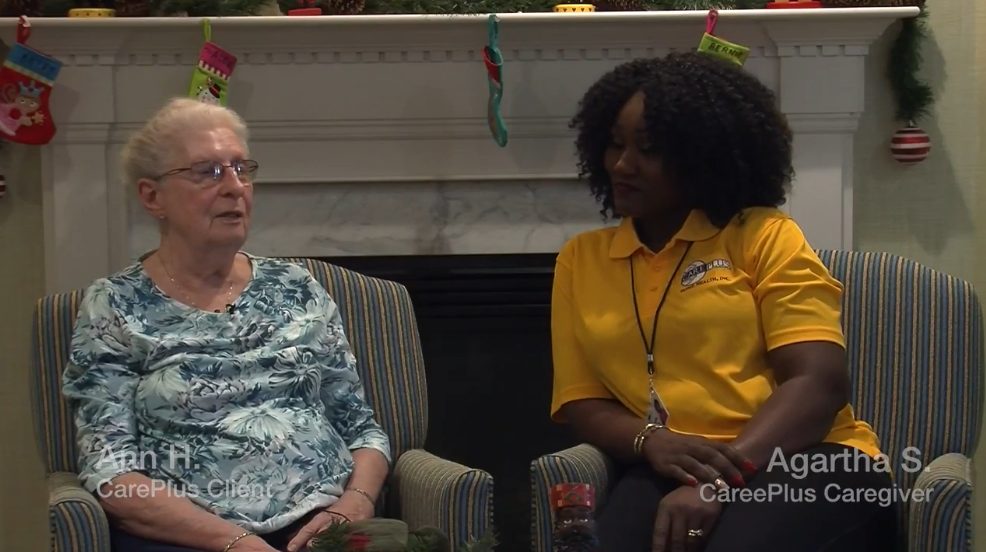
    Our own home care resident, Ann Hill, shares her feedback.

    “My name is Ann Hill. Agartha is my aide, and she is very, very helpful. I really like working with her. She’s pleasant, and helpful, and does many things for me such as: give me a shower, do the laundry, clean up the bathroom.”

    At CarePlus Home Health Inc., home care is our passion.  At CarePlus we recognize all our clients and value the importance of the service we provide. It is imperative to make the right fit for your family.  For the past 20 years, we have provided our clients in Montgomery County, MD and the surrounding areas with excellence, compassion and understanding. Our mission, to provide professional, compassionate care to individuals, while maintaining their independence and quality of life, in their home or community settings.

    If you are interested in learning more about our home care services including:  assisted daily living services,  bathing, companionship, dressing, exercises, grocery shopping, housekeeping/laundry and live-in support – please contact us at (301) 740-8870 or info@careplusinc.com.


  • Fall Prevention

    Fall Prevention

    Falling in the elderly is a serious health issue. In fact, it’s a growing health issue in our country as more adults age in place.  

    September 22, 2018, the first day of fall, is also “Falls Prevention Awareness Day.” Sponsored by the National Council on Aging (NCOA), this day alerts the public to the fact that falls are the leading cause of injury for older adults. Seniors, who have brittle bones, can sustain major injuries such as hip fractures, shoulder dislocations and even fatal head injuries.

    “Take a Stand to Prevent Falls” is this year’s theme. It is hoped that health care professionals, older adults, caregivers and family members will raise awareness and prevent falls in the aging population.

    Most falls occur at home. According to the CDC, One out of five falls causes a serious injury such as broken bones or a head injury,4,5 Each year, 3 million older people are treated in emergency departments for fall injuries. Over 800,000 patients a year are hospitalized because of a fall injury, most often because of a head injury or hip fracture.”

    Additionally, as a person gets older, their bones weaken, agility slows and stamina decreases. Sensory losses such as macular degeneration, hearing loss and balance disturbance make falls more prevalent.

    Injuries from falls reach beyond the hips, wrists, forearms, ankles and spine. Falls also cause emotional stress. When an older person falls, it is a traumatic experience. They are embarrassed and become fearful. In some cases, it may cause them to withdraw from activities, skip meals and forget to take medications.

    If you are interested in learning more about Safety Tips: In Home Safety, Community Safety & Online Safety. You’re Invited to attend an exciting event with speakers Tom Najjar & Officer Laurie Reyes on October 11 at 8:45 am at the Greater Bethesda Chamber of Commerce.

    They are teaming up to educate and empower:

    • Tips to avoid falls at home

    • Community safety tips from one of our own Montgomery County Police Officer

    • Trending online scams to avoid

    For more information click here.

    Since today is “Falls Prevention Day”, here are some tips to help prevent your elderly friend or loved one from falling:

    1. Do weight-bearing exercises

    2. Consult with your physician regarding Vitamin D and calcium levels and review your current and or new medications with your physician or pharmacist for higher risk of dizziness or motor difficulties

    3. Get your eyes checked and wear prescription glasses if needed

    4. Have regular osteoporosis screenings

    5. Utilize local food and medication delivery services

    6. Keep your home well-lit, clean and clutter-free

    7. Utilize transportations services for aging community

    8. Use walkers or devices that provide support with balance

    9. Wear comfortable shoes and avoid those without support

    10. Carry a cell phone and/or a medical alert device at all times

    Care Plus Inc. understands the risk of falls and preventing them. We help family members who need immediate attention by assessing the situation then providing guidance on the next steps. Our expert home health care team will support you in times of crisis and direct you in short term and long term planning. Contact our Gaithersburg, MD team at (301) 740-8870 or email at contact@careplus.com.   


  • 5 Tips to Find the Best Home Health Care Provider

    5 Tips to Find the Best Home Health Care Provider

    As the population ages, lives longer and the trend to “age in place” continues, the need for in home services are expected to grow. Finding the right fit for home health care can be challenging. As part of this thriving service industry, we have identified 5 areas that should be strong considerations when caring for your loved one.

    1. Qualified & Skilled

    Qualifications and a well-trained staff are essential to providing excellence in care. In addition, approaching the patient with empathy and understanding may impact a positive outcome for that family member. Make sure you interview and meet the team if possible before hiring.

    2. Flexible & Reliable

    Needs may change on a routine basis when aging and especially if there are medical conditions to consider. An illness, fall, surgery can disrupt the routine of daily living. So, make sure the provider can provide flexible and reliable services.

    3. Commitment & Dedication

    The aging population may require assistance during the day, evening or transitioning from hospital to home. It is a 24 hour, around the clock responsibility at times. Make sure the agency you select understands the needs of eldercare and will be committed to your family will provide the care when needed.

    4. Reputable & Community Focused

    Do your homework. Make sure the agency you select is a well- respected company, serves as providers to aging communities and leaders in the community for senior services.

    5. Specialized

    Make sure your home health care provider can manage many programs for your loved one, including: Assisted Daily Living, 24 Hour Program, Parkinson’s Program, Dementia Program, Stroke Program, 72 Hour Post Discharge Care, End of Life Support Program and Skilled Nursing Services.

    Professionals are aware of the need for change and flexibility when caring for aging seniors. The senior-care industry and home care services rely heavily on the individual caregivers.

    Caregivers should be responsive to the needs of their clients and customize their care strategy. Knowing your mom, dad or family member is safe, happy and receiving the best care to ensure positive and healthy outcomes is imperative.

    Choosing the best home health care provider for your loved one is a difficult task. Use these 5 tips to help guide your decision-making process to find the best home care health provider. Please contact CarePlus Health with any questions or concerns.

  • Staying Cognitively Active

    Staying Cognitively Active

    Can we help prevent cognitive change?

    We know that as we age, our body and brain change as well.   Every so often we might forget a name, word or birthday. While inconvenient, is it indicative of something else? Some forms of forgetting are expected, while some may signal a more significant change. Can any of these changes be prevented, or, can we slow down the changes? Research does seem to indicate that we can help slow down these changes.

    While there are quite a few risk factors for cognitive change beyond our control, there are activities that we can control that could help slow down these changes.  These activities include: eating healthy, regular exercise and consistent mental and social interactions. These lifestyle habits seem to comprise a promising strategy to prevent cognitive decline. Journal of Geriatric Medicine

    Given the continuing research into the aging brain, and the increase in our older population, we can expect more studies, research and helpful strategies to slow down these changes. So, let’s do our part and start engaging in these strategies.

    Let’s take a look at these three activities that may help a healthy brain.

    Eating Healthy

    In our March blog we discussed healthy eating and shared our tips for successful eating plans. Healthy eating is a good defense against many diseases and ailments–both physical and mental. The research continues to support the benefits of well-planned meals filled with fruits, vegetables, lean meats and fish. A Mediterranean style diet includes whole grains, legumes, fruits, vegetables, olive oil, nuts and fish. This diet continues to deliver health benefits that can: lower cholesterol, help with weight loss, improve rheumatoid arthritis, and reduce the risk for developing Alzheimer’s disease, diabetes, and various types of cancer. Harvard Medical School, Health Blog 2013.

    Regular Exercise

    After checking with your doctor, develop an exercise plan that works for you. Find a good pair of walking shoes and take that walk, attend an aerobic exercise class, enroll in a strength training program, try water aerobics or even ballroom dancing. When you get moving you find yourself feeling better, moving better and, yes, the research suggests thinking better.

    Mental and Social Interactions

    Staying Cognitively Active

    Keeping your brain active includes not only socializing with friends, but learning new skills as well. The National Institute on Aging (May 17, 2017) noted that: “engaging in meaningful activities, like volunteering or hobbies, help you feel happier and healthier.  Learning new skills may improve your thinking ability, too.” Research seems to indicate that adults who learn something new help improve their memory.  And, as it happens, April is National Volunteer month. This is a great month to offer your skills, time and expertise to help others—keep your brain active as well. And, remember there are other ways to exercise your brain: read a good book, teach a class, learn a new hobby, etc.

    So, while the evidence is still coming in, eat well, exercise often and keep your brain strong and ready with new activities and social connections –for your best future!

    And, if you need assistance, we are here to help you by providing fall prevention assistance, skilled nursing and palliative care, as well as caregivers for dementia care and other elder care needs.


  • Eat Well, Exercise Well

    Eat Well, Exercise Well

    March is National Nutrition month, sponsored by the Academy of Nutrition and Dietetics (the Academy). The Academy promotes the importance of healthy eating, and good physical habits, through education and information outreach. This year the theme is “Go Further with Food”.

    What does this mean and why is this important?

    The Academy supports what we all know– the food that you eat each day makes a difference in your health and wellbeing.  This includes thoughtful planning and shopping for food that encourages those healthy choices, while allowing the opportunity to have a more consistent healthy eating experience. 

    Did you know that shopping with healthy eating in mind, and useful leftovers for later, all contribute to a sound mind, body– and pocketbook. Eating healthy does not mean eating is more expensive. This year’s theme stresses the importance of that message.

    For 2018, the Academy has included these important points in their Go Further with Food Campaign, we have added a few tips of our own for you below:

    1. Include a variety of healthful foods from all the food groups on a regular basis.

    Our tip: March is a great time to watch the beginning of local fresh fruits and vegetables appear at farmer markets. Try adding spring seasonal produce to refresh your menus.

    2. Consider the foods you have on hand before buying more at the store.

    Our tip: If you have too much of any one type of food, or an item is going out of date soon, swap ingredients with a friend or check the Academy website for useful recipes.

    3. Buy only the amount that can be eaten or frozen within a few days, and plan ways to use leftovers later in the week.

    Our tip: If you like to take advantage of better prices, (think Costco), find a family or friend to split the quantities with you.

    4. Be mindful of portion size. Eat and drink the amount that is right for you.

     Our tip: Remember, just because a restaurant fills the plate that doesn’t mean that is your appropriate serving size.

    5. Continue to use good food safety practices.

    Our tip: Storage, cooking and keeping cooked food all require attention to best practices.

    6. Find activities that you enjoy and be physically active most days of the week.

    Our tip: Find a friend or relative to enjoy a walk and talk.

    7. Realize the benefits of healthy eating. Consult experts to help.

     Our tip: We have a variety of services to help support good nutrition – including meal preparation, grocery shopping and live in support.


    Eat & Enjoy! If you or a loved one needs support call us at (301) 740-8870 or learn more about our elder care and assisted living services.

  • Happy New Year 2018!

    Happy New Year 2018!

    Resolutions You Can Live With- Empowering Health and Wellness

    It is a New Year, and with it countless opportunities to renew, rethink and re-energize our commitments to take care of ourselves —and engage in wellness aging. After all, if you don’t do it, who will?

    In fact, The International Council on Active Aging (ICAA) provides an opportunity to rethink elder care, health, and wellness. Rather than focus on the management of disease and disorders, the concept focuses on empowering prevention and proactive strategies. The council identifies seven areas of wellness: emotional, intellectual/cognitive, physical, professional, environmental, spiritual and social.

    These seven pillars provide a strong support system for active aging. Any one, or all of them, can help you enhance your wellbeing and wellness aging. The more you try, the better!

    1. Emotional Wellbeing 

    The NIH notes that psychological wellbeing and health are closely linked as we age. Finding joy, happiness, coping with sadness/stress, and a sense of purpose provide a strong wellness component. When challenges are too great, the ability to reach out for support–with family and friends, or professionals, strengthen emotional wellness and wellbeing.

    2. Intellectual/Cognitive Engagement 

    Keeping your brain active can be fun and healthy! Try taking a class at your local senior center or community college, join a choir, learn something new, read a book, play board games (scrabble anyone?)  work on puzzles, or learn a new language. Your brain will not only appreciate the challenge, but the change of routine as well.

    3. Physical

     Check with your doctor first, and then find something that suits your style–walking, swimming, dancing, and weight bearing activities all help maintain good physical health. But wait–there’s more! Good eating habits, adequate sleep and healthy lifestyle choices support a sense of wellbeing and prolonged independence. And quite frankly, you just feel better. If you are unsure where to start–try your local YMCA, senior center or a community fitness center focused on intergenerational classes. 

    4. Professional

    Working? Volunteering? Stay engaged as long as you feel you can. Retirement is the perfect time to try new skills. Paid and unpaid work can provide a sense of accomplishment, socialization, and a wonderful contribution to the community.  The expertise and knowledge you share can be invaluable — and even life changing– to others. 

    5. Environmental

    Connecting with the environment–taking a walk, growing a garden, enjoying a walk in the park, recycling and respecting the planet all contribute to a sense of a connected wellbeing and purposeful sense of stewardship.

    6. Spiritual

    Whether it is personal, group, mindfulness, mediation or any form of connecting and strengthening your personal moral compass, research suggests a strong wellness benefit connection leads to better health.

    7. Social

    Social interactions are a key component to better health and wellness. Engaging in enjoyable activities with others—family, friends, volunteering and working support good emotional and physical health. The National Institute on Aging points to research that supports a “strong correlation between social interaction and health and well-being”.  Find time each day to connect with others to increase better health and wellness.

    So—welcome 2018 with the resolution to try some, or better yet all, of the above Seven Wellness Pillars. We know we will!

    Blog Sources: The National Institute of Health, National Institute on Aging, and the International Council on Active Aging.

  • National Family Caregivers Month

    National Family Caregivers Month

    It is no coincidence that the month of November is not only Thanksgiving, but also National Family Caregivers Month.

    Having two very important events in one month, provides us the opportunity to give thanks together with family and friends for all that we are grateful for, as well as the time to honor and thankfamily, friends and colleagues who volunteer their energy to provide care for others.

    Volunteer caregivers contribute countless hours of companionship, support for personal needs, and other related services to help loved ones in need of assistance. Very often these humble volunteers never identify themselves as caregivers, and as a result never take advantage of services and support systems available to them to help support all that they do. Caregivers can find their role rewarding and fatiguing, heartwarming or discouraging, all at the same time.

    Do you know someone who is a tireless caregiver? If so, help celebrate their contributions and thank them for all that they do to help so many in need. Acknowledge that caregiving can be rewarding, but lonely and stressful as well. Let them know that there are people ready to support them as they navigate all of the highs and lows of helping others. Share with them the gift of these Ten Tips from the Caregiver Action Network (caregiveraction.org):

    1. Seek support from other caregivers. You are not alone.

    2. Take care of your own health, so you can be strong enough to take care of your loved one.

    3. Accept offers of help and suggest specific things people can do to help you.

    4. Learn how to communicate effectively with doctors.

    5. Caregiving is hard work so take respite breaks often.

    6. Watch out for signs of depression and don’t delay getting professional help when you need it.

    7. Be open to new technologies to help you care for your loved one.

    8. Organize medical information so it’s up to date and easy to find.

    9. Make sure legal documents are in order.

    10. Give yourself credit for doing the best you can in one of the toughest jobs there is!

    We, too, at CarePlus want to take this opportunity to thank all of the family caregivers for giving so much of themselves to care for others. We know this is not an easy job for you and we are here to help you in a variety of ways. Visit CarePlus Resources Here. Please do not hesitate to contact us for support, resources and services at 301-740-8870.

    At this time of year, all of us at CarePlus want to wish you and your family a very Happy Healthy Thanksgiving filled with joy, good health and fun!

  • Stroke Awareness Day

    Stroke Awareness Day

    World Stroke Day is October 29. This very important day gives us an opportunity to remind —and re-educate– ourselves, our family and our friends about factors that increase the risk of suffering a stroke. This day also provides an opportunity to learn the warning signs, treatments after stroke care and best practices for prevention.

    What is a stroke?

    A stroke occurs when blood vessels carrying oxygen to the brain are blocked. The lack of oxygen causes brain cells to die, affecting areas of the body controlled by those brain cells. (Nat’l Heart, Lung, Blood Institute, NIH).

    What is a silent stroke?

     A silent stroke interrupts the flow of blood in a part of the brain that does not control any vital functions. The damage, though significant, is too small to produce any symptoms, but can lead to increased cognitive impairment. Most people rarely know they have had one. Research seems to indicate that over 30% of adults over 70 have experienced a silent stroke. (Harvard Publishing, Harvard Medical School.)

    What can put you at risk?

    1. High Blood Pressure. Also, known as the “silent killer”, high blood pressure can be treated and managed –when detected early. Getting your blood pressure checked on a regular basis is a good health practice.
    2. Diabetes. Regular visits to your doctor include blood tests which will help determine your risk.
    3. Heart Disease.
    4. Smoking. The evidence is clear, smoking is a risk factor for, not only a stroke but for many other diseases as you age. If you are a smoker ask your doctor for a program to help you stop. New programs are proving quite successful.
    5. Age/Gender. The risk of a stroke increases as one ages, with men at a slightly higher risk. Women who suffer a stroke however, have a higher risk of dying.
    6. Family History. Your risk goes up if you have a close family member who has had a stroke or a TIA (mini stroke).
    7. High Cholesterol levels.

    What can you do to prevent a stroke?

    1. Maintain a healthy weight. Diet and good weight management can decrease your stroke risk. There are many new diet programs that fit your lifestyle and food preferences to help you find a weight loss program that will help you succeed.
    2. Exercise. Regular exercise has a variety of benefits, these include controlling blood sugar levels, helping circulation and decreasing stress. You can find a variety of exercise programs at your neighborhood recreation center, senior center, or local YMCA. And, don’t forget—exercise can be as easy as slipping on a good pair of exercise shoes and walking thirty minutes around the mall or your neighborhood. Don’t’ forget a steps counter to help you keep track of your progress.
    3. Stress Management. Research into mindfulness and meditation are showing favorable results when it comes to reducing stress and lowering blood pressure. Try a class, or download an app for your phone to experience the benefits.

            (Nat’l Heart, Lung, Blood Institute, NIH)

    What are the symptoms of a stroke?

    Sudden onset of any of these symptoms might indicate that someone is having a stroke: Difficulty speaking or comprehending, confusion, inability to raise both arms in the air, difficulty seeing–blurry or obstructed vision, sudden onset of a headache, dizziness, difficulty with balance. (Nat’l Heart, Lung, Blood Institute, NIH)

    A quick way to remember the symptoms is to remember FAST.

    FACE– is the face droopy, can the person smile?

    ARMS–can the person lift both arms in the air?

    SPEECH–Is speech clear, can the person understand what you are saying

    TIME–Time is critical so act quickly to get the person medical care.

    Call 911 immediately. A stroke is always an emergency requiring immediate treatment. (worldstrokecampaign.org)

    After Stroke Care

    Stroke survivors can find many changes to daily life, often requiring rehabilitation, daily activity assistance and supportive therapies to help rebuild lost skills.

    (Harvard Publishing Harvard Medical School)


    CarePlus has a Stroke Program- for more information click here.

  • 7 Keys to Growing Old in Your Own Home

    We at CarePlus Home Health love the “aging in place” philosophy. From the familiarity and comfort to the proven health and financial 7 Keys to Growing Old in Your Own Home graphicbenefits, it is indisputable the ideal choice for those who have the opportunity. According to a recent report by the AARP Public Policy Institute and the National Conference of State Legislatures almost 90% of people over 65 want to live in their home and community as long as possible. Here’s a great article with 7 Keys to Growing Old in Your Own Home. If you or your loved one would like to learn more or need help getting started, our caregivers are the absolute best in Maryland or Northern Virgina and we are here to help you.

    Aging in place requires planning ahead.

    Want to live in your home for the rest of your life? Boost your odds by “future-proofing” now. Older adults who are most likely to remain in their homes have successfully arranged their houses and lives in ways that maximize their ability to weather the physical and practical setbacks often associated with getting older — setbacks that can make living independently more challenging.

    Here are seven ingredients you’ll want to have in place in order to age in place:

    1. A single-story floor plan – Sure you can get up and down stairs easily now…”

    Continue Reading Tips – Basic safety upgrades, accessible utilities, transportation options, emergency alerts outsourced home maintenance & automated bill pay and other transactions >>