Category: Aging in Place

  • Aging with Chronic Disease: In-Home Care in Bethesda & Montgomery County, Maryland

    Aging with Chronic Disease: In-Home Care in Bethesda & Montgomery County, Maryland

    Managing a chronic condition can feel overwhelming especially when it involves ongoing monitoring, medications, and lifestyle adjustments. For aging adults and their families in Bethesda, Montgomery County, and throughout Maryland, the right support can make all the difference.

    In-home care in Bethesda, MD offers an effective way to manage chronic disease providing clinical expertise and daily support all within the comfort of home.

    A Comprehensive Approach: Skilled Nursing & Home Care in Montgomery County, MD

    Chronic disease management as you age can be challenging.  Skilled nursing services can help provide additional support to aging adults and their families.

    Skilled Nursing Care at Home in Bethesda, MD

    Skilled nursing services can include:

    • Medication management
    • Wound care and injections
    • Monitoring of chronic conditions
    • Ongoing clinical assessments
    • Coordination with physicians and specialists

    As a client’s condition changes, the level of care adjusts ensuring the right support at the right time.

    In-Home Care Services in Bethesda, Maryland

    Home care services in Bethesda and surrounding areas support Activities of Daily Living (ADLs), including:

    • Bathing and grooming
    • Dressing
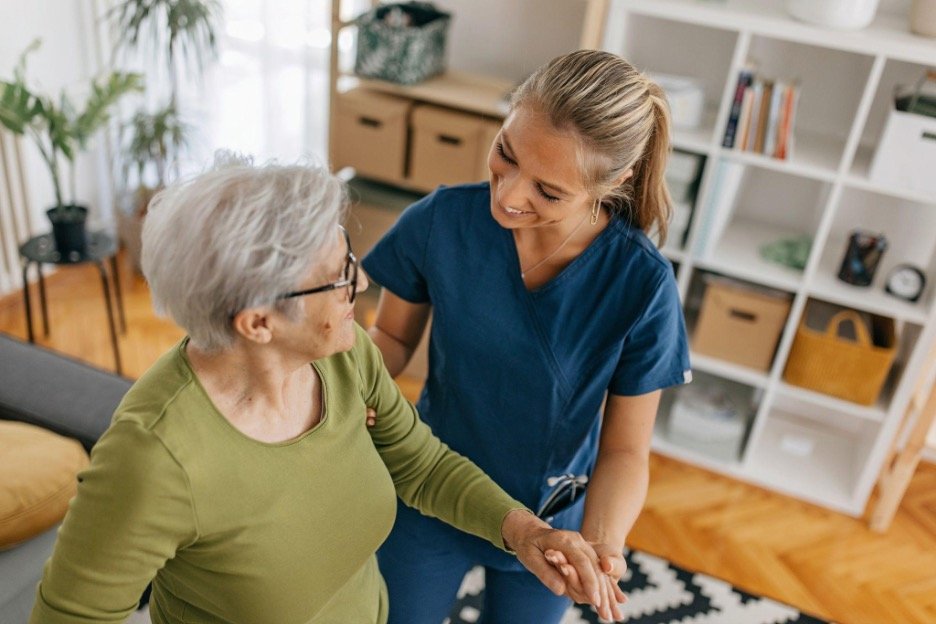
    • Mobility and fall prevention

    This support allows individuals to maintain independence while receiving the help they need.

    A Dedicated Clinical Care Team in Bethesda, Maryland

    For individuals living with chronic conditions such as diabetes, heart disease, COPD, and neurological disorders, continuity of care is an important component of care.

    Having a clinical team which includes Registered Nurses (RNs) and Licensed Practical Nurses (LPNs) provides:

    • Ongoing health assessments
    • Early detection of changes
    • Proactive interventions
    • Responsiveness to needs

    A clinical team to help support your family to assess and provide a care plan for your loved one, might avoid ongoing hospitalizations and readmittance.

    Aging in Place In The Comfort of Home

    For many seniors in Bethesda and Montgomery County, aging in place allows for greater comfort, stability, and emotional well-being.

    Receiving in-home senior care in Maryland helps individuals stay connected to their routines, their families, and their community while still receiving the medical support they need.

    Reducing Hospital Visits with Home Health Care in Montgomery County

    Living with a chronic condition often means frequent doctor visits, specialist appointments, and/or ER visits.

    A trusted home health care provider in Bethesda, MD can help reduce the stress by providing:

    • Transportation and appointment coordination
    • Post-hospitalization care and discharge plans
    • Medication oversight and adherence
    • Ongoing monitoring to prevent complications

    By focusing on continuity of care and being proactive with concomitant illnesses, you may be able to avoid unnecessary hospital visits and readmissions.

    Coordinated Care, Better Care

    Care teams work closely with physicians, specialists, clients, and families to ensure everyone is “in the know” and part of the process. This coordinated approach leads to:

    • More accurate care plans
    • Faster response to health changes and medication modifications
    • Stronger reassurance for family members

    Personalized Care Plans in Bethesda, Maryland

    Chronic disease management is most effective when individuals and families feel informed.

    In-home care services in Bethesda, MD may also include:

    • Physical therapy to improve strength and mobility
    • Occupational therapy to support daily function
    • Speech therapy for communication, swallowing and/or eating concerns

    Education is key to helping clients and families understand their condition, recognize early warning signs and be proactive in managing their condition.

    Each care plan is personalized and designed around medical needs, lifestyle, and goals, which takes into consideration recovery, underlying conditions and/or quality of life.

    In-Home Care in Bethesda, Maryland and throughout Montgomery County

    Living with a chronic condition can be challenging, with the right support, aging adults can continue to live safely, comfortably, and confidently at home.

    CarePlus provides comprehensive in-home care in Bethesda, MD and throughout Montgomery County offering skilled nursing, in-home care, and a dedicated clinical team to support every stage of chronic disease management.

    Call 301-740-8870 or contact us here.
  • Talking to Your Loved One About Getting Help at Home

    Talking to Your Loved One About Getting Help at Home

    The beginning of the year is a good time to reset and refresh. For our older adults aging in place, it is a good time to reassess their safety and their own ability to live independently in their current home. During the holidays, you may have noticed that a loved one was having difficulties with housekeeping, daily chores and/or every day activities. If life seems a bit overwhelming for an aging relative it may be time to consider support in the home.

    Approaching the Support Subject

    Your older loved one may be among the 75% of older adults who would prefer to stay in their home and continue to age in place. However, after a lifetime of managing for themselves, it can be hard for your loved one to admit that they need additional help. The emotional aspect of losing their independence along with the physical ability to manage a home, prepare meals, take out the trash, shower every day can be stressful. It is important to start the conversation — remember to meet your loved one where they are and begin the conversation by exploring your feelings and theirs. Approach the topic with care, concern, and curiosity. Listen to their responses and validate them before sharing your own feelings. Express a willingness to work with them on a list of priorities to support them so that they feel comfortable discussing. It starts with a conversation.

    Conversation & Consideration

    When observing an aging adult, what key considerations can help determine whether additional support at home is appropriate?

    • Health: Review your loved one’s medical needs, and assess whether they need help with medication, getting to doctor’s appointments, and other additional support
    • Safety: Do a 360 degree review of the home and identify specific ways that safety can be improved by installing grab bars, moving frequently used items to more accessible shelves, decluttering, or other changes that can make a real difference
    • Isolation: Considering the danger of isolation, discuss how much socializing your loved one is doing, and consider ways to prevent the mental and emotional drain of isolation
    • Daily activities: As we age, everything from bathing and dressing to cooking and cleaning can become more difficult. Assess whether immediate help is needed or talk about some eventual options when the time comes

    What’s next?

    Begin by creating a list of current concerns and prioritizing what feels most urgent. Focus first on the issues that affect safety, health, and overall well-being. Once priorities are identified, develop thoughtful solutions for the top concerns and introduce small changes gradually. Making too many adjustments at once can feel overwhelming, especially for an older loved one, so it’s important to move slowly.

    As changes are introduced, schedule regular check-ins to evaluate how things are going. Some ideas may seem right in theory but prove less effective in practice, making it necessary to adjust the approach. At the same time, new concerns may surface as routines shift. This ongoing evaluation allows you to modify the plan in a way that remains responsive and supportive.

    While rolling out changes over time can feel challenging, stability is essential for older adults, and sudden disruptions can increase stress or resistance. If your location or personal commitments make it difficult to be consistently present during implementation, working with a home care organization can help ensure the plan is carried out smoothly. Professional support can provide consistency, reassurance, and an extra layer of care—helping your loved one adjust while giving you reassurance.

    For more than 30 years, CarePlus has been providing home health care services including skilled nursing care, chronic disease management, post-acute and transitional care, daily activities, companionship and ongoing support, as needed.

    Contact us today to learn more.

  • The Holidays Offer A Chance to Ensure Your Loved One’s Well-Being

    The Holidays Offer A Chance to Ensure Your Loved One’s Well-Being

    Life can get busy, and sometimes the holidays are the only certain time that families can come together, share traditions, and create lasting memories. Between busy work schedules, raising children, and daily responsibilities, the holidays may be the only time of the year to pause and prioritize time with those we care about most. For seniors who live alone or far from family, these visits can be especially meaningful. Not only do they help reduce feelings of isolation, but they also give families a chance to notice important changes that might indicate a need for extra support.

    Risks and Challenges Faced by Older Adults

    As our loved ones age, they can face a range of physical, emotional, and health-related challenges. Sometimes, these problems develop gradually and can go unnoticed without regular, close interactions. That’s why taking time during family gatherings to observe and engage with elderly relatives is so important. It can make a critical difference to catch the early signs that someone needs help before a serious problem arises.

    10 Signs an Elderly Person May Need Help

    Holiday visits are the perfect time to gently assess how your loved one is doing. Here are ten signs that may indicate an older adult could use additional support:

    1. Noticeable weight loss or gain
    2. Unsteady walking or frequent trips and falls
    3. Neglected personal hygiene or unusual odor
    4. Unpaid bills, unopened mail, or confusion with finances
    5. Expired or unused medications, missed doses
    6. Difficulty keeping up with housework or clutter piling up
    7. Changes in mood, withdrawal, or signs of depression
    8. Unexplained bruises or injuries
    9. Forgetting appointments or important dates
    10. Loss of interest in hobbies or social activities

    If you notice one or more of these signs, it may be time to have a conversation about their needs and how best to support them.

    How to Talk to Older Relatives About Their Needs

    The transition from being parented to caring for our parents can be difficult for everyone. After all, our aging relatives have a lifetime of competence to convince them that they do not need help, and they are used to being the advisors. In addition, discussing sensitive topics like health and independence can feel like an interruption of a time of celebration. Begin from a place of empathy and respect, and be prepared to listen. When you start by expressing your care and concern and use specific examples of what you’ve noticed, you can diffuse denial or defensive reactions. Offer reassurance that your goal is to support their wishes to remain safe and comfortable at home. Rather than making decisions for them, invite them to a dialogue in which they can share what kind of help they feel would be most beneficial to them.

    Many seniors prefer to age in place, and with the right resources, it’s possible to do so safely and comfortably. If your loved one could use extra support, there are many options available that allow seniors to continue living independently while getting the help they need. Home care services can provide assistance with daily tasks, medication management, transportation, and companionship, and these services can be customized the specific needs of each family.


    Contact CarePlus to learn more about how we can help.

  • Is it Time to Assess Your Living Situation and Consider In-Home Care?

    Is it Time to Assess Your Living Situation and Consider In-Home Care?

    As the summer draws to an end and the days grow shorter, it’s natural to consider what changes might be needed to prepare for the coming seasons. This change can turn into a broader reflection on more significant changes that might be necessary in our lives, which is particularly important for people who are getting older and want to continue living comfortably and safely in their homes. As we age, our needs evolve, and adjustments to support our well-being and independence are essential. One significant step in this direction is considering in-home care.

    Recognizing the Need for In-Home Care

    Staying at home while growing older, or “aging in place,” is a priority for many older adults. Moving to new housing can mean giving up on memories, a familiar community, and proximity to a lifetime of cherished friends, services, and activities. However, aging in place can be a challenge since most people do not live in homes that are adapted to the needs of older adults. It is critical to identify these needs and recognize when additional support can help maintain a high quality of life. Consider some of the following issues:

    1. Difficulty with Activities of Daily Living (ADLs). Routine tasks like cooking, cleaning, or bathing may feel overwhelming or even impossible. They bring greater risk when a person is physically frail or has memory challenges. If you or a loved one is struggling with ADLs, in-home care can provide the necessary assistance to maintain independence.
    2. Frequent Falls or Mobility Issues. Balance and coordination can deteriorate with age, increasing the risk of falls, which can have severe consequences on older bones. In-home care providers can help with mobility and be there for immediate assistance if a fall does occur. They can also help identify ways to improve the home environment to make it safer and more accessible, reducing the likelihood of accidents.
    3. Chronic Health Conditions. Managing chronic illnesses requires medication management, regular monitoring, and specialized care. In-home caregivers can provide support tailored to specific health needs and transportation to medical appointments. By following medical routines and identifying changes in symptoms and overall health, in-home caregivers can make sure that health issues are properly and promptly addressed.
    4. Social Isolation. Aging in place may be preferable to moving, but loneliness and isolation are common challenges for older adults, especially those living alone. In-home care can offer companionship and social interaction, vital for mental and emotional well-being.
    5. Caregiver Burnout. If family members or friends provide care, they may eventually feel overwhelmed. Hiring a professional caregiver can alleviate some of this pressure, allowing loved ones to focus on spending quality time together rather than solely on caregiving duties.

    The Benefits of In-Home Care

    Choosing in-home care can bring numerous benefits, not only for the individual receiving care but also for their families. A trained caregiver can identify and mitigate potential hazards in the home, such as loose rugs or inadequate lighting, and assist with mobility, reducing the risk of falls and injuries. In-home care providers can help manage chronic conditions, see to it that medications are taken correctly, and provide assistance with daily activities, which can lead to better overall health outcomes. Regular visits from a caregiver can reduce feelings of loneliness and provide meaningful companionship, improving mental health and emotional well-being. Finally, knowing that a loved one is receiving professional care in the comfort of their own home can bring significant peace of mind to family members, especially if they live far away or have other responsibilities.

    Preparing for the Future

    As the seasons change, take this opportunity to assess your living situation or that of a loved one. Consider whether in-home care might be a beneficial addition to your current routine. By making proactive adjustments and embracing the support of professional caregivers, you can continue to enjoy the comfort of your home while addressing the evolving needs that come with aging. Whether it’s arranging for minor home modifications, enhancing social connections, or hiring in-home care, the steps you take now can make a significant difference in your ability to age in place safely and happily.


    For additional information call 301- 740-8870.

  • Creating Cherished Memories: Fun Holiday Activities with Aging Family Members

    Creating Cherished Memories: Fun Holiday Activities with Aging Family Members

    The holidays are a time for family and friends, and it is important to find ways to make sure that aging family members can participate in annual traditions. When gathering together, whether for a brief visit or a special local activity, be sensitive to the needs and challenges that older loved ones can have when it comes to some activities and find them enjoyable and engaging. As we gather together, find enjoyable and engaging ways to feel the holiday cheer. Here are some suggestions.

    Festive Activities to Enjoy Together

    Baking and Cooking Together

    Family recipes can go back generations, and special meals often feature treasured dishes passed down from parent to child. Keep up the tradition by spending time in the kitchen learning the secret tips and tricks from the older family members to produce beloved cookies or savory dishes. This time spent together can involve all ages and include storytelling about past meals and times spent together. The aromas wafting through the house are an added bonus.

    Decorating the Home

    Home decorating for the holidays often includes a variety of steps, some more complex than others. Working together to pull out the annual decorations and deciding how to arrange them for the season is a great joint activity. The very oldest and very youngest family members can participate in the layout and some of the simpler decorating activities, making them feel like they are a part of the process.

    Holiday Movie Marathon

    An evening can be all the cozier with the entire family settled in for a holiday movie marathon. Choose classics that the whole family can enjoy, and relax with snacks and beverages for a low-key activity that lets everyone spend time together.

    Crafting and DIY Projects

    Get creative with holiday-themed crafts. Making homemade ornaments, wreaths, or holiday cards can be a fun and fulfilling way to spend time together. Tailor the complexity of the projects to match the abilities and interests of your aging family member.

    Memory Sharing Sessions

    For families that live apart and even those whose busy lives don’t always allow them to focus on older relatives, the holidays are an opportunity to hear the stories, gather the wisdom, and learn from the experiences of older family members. Consider topics like favorite holiday memories or diving deeper into family history. It’s a great idea to record these sessions to preserve the memories.

    Recognizing Signs That an Older Family Member May Need Help

    While the holidays are a time of joy, they also provide an opportunity to observe the well-being of our aging family members. Here are some signs to look out for that may indicate they need some extra help:

    Changes in Physical Appearance

    Noticeable weight loss, changes in personal hygiene, or an overall decline in grooming can be signs that your family members are struggling to take care of themselves.

    Mobility and Balance Issues

    If you observe difficulty walking, frequent falls, or hesitancy to move around, it may be time to discuss mobility aids or modifications to the person’s living environment to ensure their safety.

    Cognitive Changes

    Forgetfulness, confusion, or difficulty following conversations and tasks can indicate cognitive decline. Be attentive to these signs, as they may require professional evaluation.

    Emotional and Behavioral Changes

    Look out for signs of depression, anxiety, or withdrawal from social activities. These changes in mood and behavior can signal that your loved one is feeling isolated or overwhelmed.

    Difficulty Managing Daily Tasks

    Struggles with basic tasks such as cooking, cleaning, managing medications, or handling finances can be red flags that your family member needs additional support.

    Combining fun holiday activities with mindful observation ensures that your aging family member feels included, loved, and well-cared for. The holidays are a time to cherish each other’s company and create beautiful memories while staying vigilant to any signs that extra help may be required. If you observe that your family member may need additional assistance, here are some services that CarePlus offers. Contact us to learn more.

    Enjoy this special season with your family, and may your holidays be filled with warmth and joy.

  • Bone and Joint Awareness in the Home

    Bone and Joint Awareness in the Home

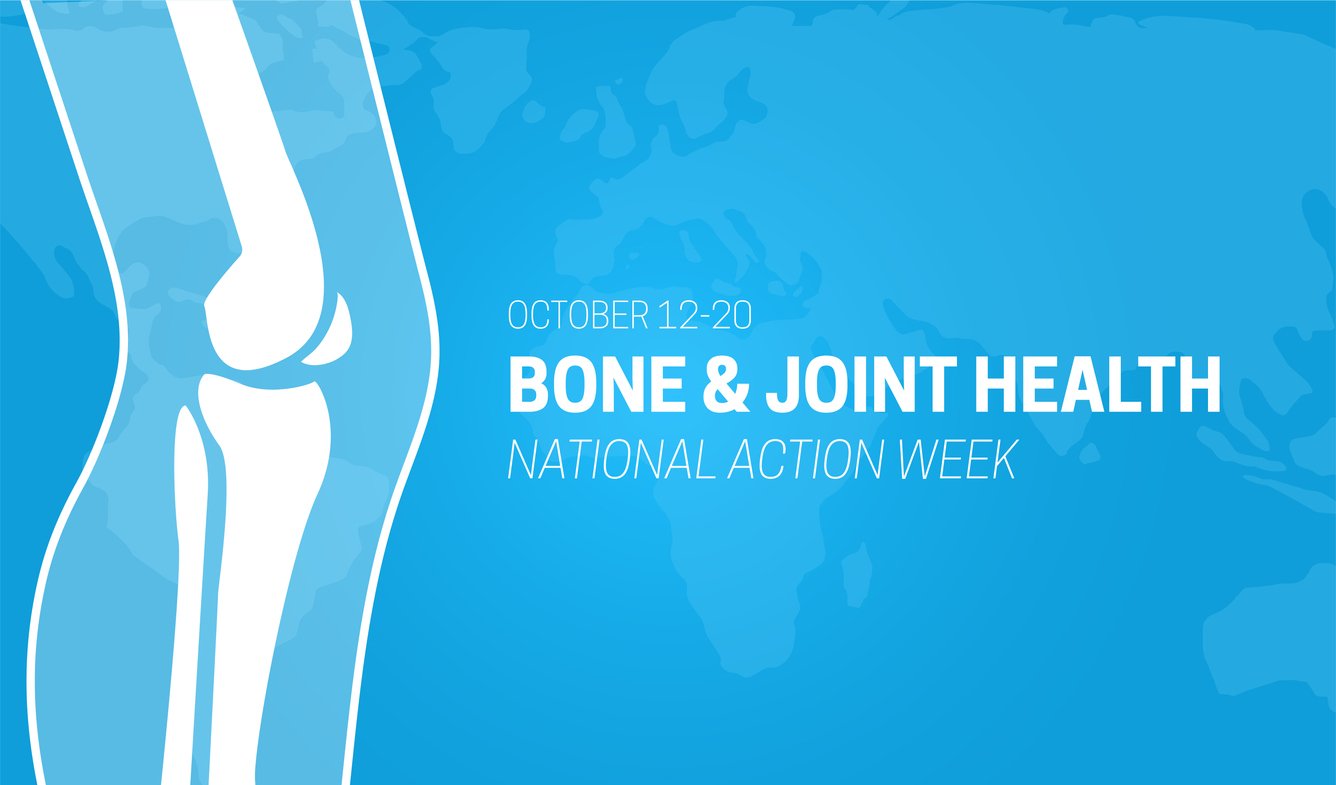
    October 12-20 is the annual Bone and Joint Action Week; bone and joint issues can be painful, stressful, and debilitating for many older people. Taking charge of bone and joint health and understanding ways to cope with bone and joint issues can make a huge difference in the quality of life for a person at risk or suffering from problems with these parts of the body. Here are some considerations.

    Some Facts About Bone and Joint Health

    According to the United States Bone and Joint Initiative, “Bone and joint conditions are the most common cause of severe long-term pain and physical disability worldwide, affecting hundreds of millions of people.” Bone and joint conditions include back pain, arthritis, traumatic injuries, osteoporosis, spinal deformity, and childhood conditions, which are predicted to become more common as life expectancy and other risk factors change. Many musculoskeletal conditions can only be treated, not cured, and often, they become progressively worse over time. It is critical to consult with medical professionals if bone or joint pain becomes an issue to diagnose and seek early intervention.

    Taking Action to Deal with Bone and Joint Health

    Aside from medication, there are many ways to cope with bone and joint conditions, including:

    • Stay Active: Regular exercise is crucial for maintaining healthy bones and joints. Consult with a healthcare provider before starting any new exercise program.
    • Balanced Diet: A well-balanced diet rich in calcium and vitamin D should include dairy products, leafy greens, fortified foods, and supplements if necessary
    • Maintain a Healthy Weight: Excess weight puts added stress on the joints, particularly the knees and hips. Maintaining a healthy weight can reduce the risk of developing joint problems or exacerbating existing ones.
    • Proper Posture and Body Mechanics: Practicing good posture and using proper body mechanics when lifting or performing daily activities can reduce the risk of strain or injury to the bones and joints.
    • Regular Check-Ups: Older individuals need regular check-ups with healthcare providers. They can monitor bone density and joint health and provide recommendations or treatments as required.
    • Medications and Supplements: If prescribed by a healthcare provider, medications or supplements like glucosamine and chondroitin may help manage joint pain and inflammation. Always follow your healthcare provider’s advice regarding these.
    • Fall Prevention: Falls can be especially harmful to older individuals with fragile bones. Make necessary modifications to your home environment to reduce the risk of falls, such as installing handrails and using non-slip mats.
    • Pain Management: If you’re experiencing joint pain or discomfort, consult with a healthcare provider for appropriate pain management strategies. This may include physical therapy, over-the-counter pain relievers, or prescription medications.
    • Emotional Well-being: Coping with bone and joint issues can be mentally challenging. Seek emotional support from friends, family, or support groups to help manage stress and improve overall well-being.
    • Assistive Devices: If mobility is limited, consider using assistive devices like canes, walkers, or wheelchairs to maintain independence and reduce the risk of falls.
    • Stay Informed: Stay informed about the latest research and treatment options for bone and joint health. Knowledge is a powerful tool in managing these conditions.

    Be Strategic and Proactive About Getting Help

    When bone and joint conditions begin to impact ordinary activities of daily living, it is essential to work on ways to minimize the impact on your quality of life. In addition to fall prevention for older adults living at home, many issues can interfere with safety and comfort. From something as simple as opening a child-proof medication bottle to lifting heavier cookware in the kitchen, bone and joint pain can interfere with ordinary activities. If this is the case, it is a good idea to consider getting in-home assistance designed to alleviate these challenges. It can be as simple as assistance with cooking, shipping, and medications or more comprehensive full-time care if mobility and capacity are significantly diminished.

    CarePlus has been delivering various services to the Montgomery County area for people who want enough help to manage their challenges due to aging or medical conditions without sacrificing their independence and comfort. Our Flex Care program and other Home Care services offer a critical measure of safety, attention, and peace of mind to older people living with bone and joint issues. Contact us to learn more about how we can help.

  • Getting Nutrition Right for Aging Adults 

    Getting Nutrition Right for Aging Adults 

    While good nutrition matters in all phases of life, as people age, they experience increased physical  vulnerabilities, and the proper diet helps safeguard and minimize complications that can be a part of the aging process. It’s not always easy to manage good nutrition, but the benefits can be significant.

    The Basics of Good Nutrition for Aging Adults

    Nutrition concerns the consumption of food and drink that provide the body energy and protection from poor health. The goal of good nutrition is to have the proper diet as well as a lifestyle that encourages  the absorption of nutrients. The NIH (National Institutes of Health) lists some key nutrition considerations for older adults, which include:

    • Eating foods high in nutrients
    • Avoid empty calories like junk food, soda, and alcohol.
    • Pick foods that are low in cholesterol and fat.
    • Drink plenty of hydrating liquids
    • Be physically active.

    The U.S. Department of Health and Human Services also recommends emphasizing lean proteins and  vitamins B12 and D as important parts of a good diet.

    Challenges in Getting the Proper Nutrition

    As people age, they experience a variety of physical and environmental changes that can impact good  nutrition. For example, some medications can impact appetite and taste sensations, reducing interest  and enjoyment of food. In addition, older adults experience isolation, and it is harder for them to  motivate to prepare meals for themselves. Health challenges, both physical and cognitive, make meal  preparation more difficult as well. In other words, just when good nutrition is particularly important, it is  all the harder to do.

    Strategies to Practice for Good Nutrition

    Knowing that good nutrition is important may not be enough to make it happen. Rather than maintain  poor nutritional habits, here are some practical steps to help:

    1. Make a shopping list. Avoid impulse shopping, and plan healthy foods to buy in advance.
    2. Find easy recipes. If cooking and cleaning up are hard, research quick, simple recipes.
    3. Healthy snacking. Instead of big meals, have nutritious snacks throughout the day.
    4. Flavored water. Lemon, lime, cucumber, and mint are a few additions that can make staying hydrated a more pleasurable experience.
    5. Supplements. After checking with a physician, consider getting important nutrients with supplements.

    For some older adults, good nutrition may not be possible without some help. Home care for people  with dementia or significant physical infirmities may be the solution to maintaining a healthy diet.  Shopping, meal planning and meal preparation can be arranged to help with nutrition.

    CarePlus Home Health provides home care nursing in Montgomery County, which allows aging adults to  continue to live safely and comfortably in their own homes. Our services include assistance with shopping and meal preparation, and our staff can help devise an appropriate nutrition plan for our  clients to make sure they are getting what they need to stay healthy. Contact us today for more  information about our home care services.

  • CarePlus Receives 2022 Best of Home Care® – Leader in Training Award

    CarePlus Receives 2022 Best of Home Care® – Leader in Training Award

    February 28

    FOR IMMEDIATE RELEASE

    Media Contact: Andrew Ryan

    Email: andrew@careplusinc.com


    CarePlus Receives 2022 Best of Home Care® Leader in Training Award

    Gaithersburg, MD, CarePlus Home Health announced today that it received the distinguished 2022 Best of Home Care –Leader in Training Award from Home Care Pulse, the leading firm in experience management for home care. The Leader in Training Award recognizes home care businesses that consistently provide an outstanding level of staff education. As a Leader in Training, CarePlus is now recognized among the top 25% of home care providers participating in the nationwide Home Care Pulse Training Program.

    This accomplishment demonstrates CarePlus’s long-term dedication to excellent care and employment. To qualify for this award, CarePlus implemented HCP Training to provide specialized education for their caregivers. CarePlus achieved a high level of staff participation in continuing education, as well as an average of at least 8 courses completed by each participant. 

    “We are honored and humbled to have received this prestigious award. My team is committed to providing excellent in-home care to our clients and training is an important part of better care,” stated Tom Najjar, President of CarePlus Home Health.

    The Best of Home Care – Leader in Training Award highlights the top-performing home care businesses in the nation. Home Care Pulse believes that by honoring these providers, families looking for in-home care for a loved one will be able to recognize and choose a trusted home care provider.

    “At CarePlus Home Health, our goal is to provide outstanding care and support to the aging community. I am very proud to work for an organization that not only cares about clients, but truly cares about their employees as well. We are honored to be recognized for such high achievements and we will continue to work very hard to give the best care to our clients and team.” CarePlus Executive Director, Andrew Ryan explained.

    To find out more about CarePlus’s commitment to experience, please visit https://careplus.xenonprime.net/ or call 301-740-8870.

    ###

    About Home Care Pulse

    Home Care Pulse leads the home care industry in experience management, online training, and review management. Through its Care Intelligence Platform, HCP empowers home care providers to attract and retain caregivers even during a historic caregiver shortage. HCP also conducts the annual Home Care Benchmarking Study, the most comprehensive survey of home care providers in North America and administers the annual Best of Home Care awards to agencies that achieve best-in-class client and caregiver satisfaction scores. For more information, visit https://www.homecarepulse.com/.

  • Understanding Bone and Joint Challenges

    Understanding Bone and Joint Challenges

    Our bones and joints become a source of potential serious injury as we age, and because last week was Bone and Joint National Action Week, everyone should be thinking about ways to care for these important body parts. Of course, a diet high in calcium and vitamin D are great for growing kids, but older adults need to continue to take these issues seriously. Here are some facts and tips to consider. 

    Bone and Joint Injury and Disease Facts

    According to the National Bone and Joint Initiative half of adult Americans suffer from musculoskeletal complications and many of these people require medical intervention for care. The National Institute on Aging (NIA), part of the National Institutes of health, identifies Osteoarthritis, falls and fractures, and Osteoporosis are among the most important health topics related to aging. Currently, there are some basic treatments for bone and joint injury and disease, but these conditions are often cumulative and degenerative, and the best that can be done is treatment of the pain and other symptoms.

    Prevention

    In addition to diet and supplements, the most significant way to prevent and alleviate bone and joint conditions is through a healthy lifestyle. Regular exercise strengthens muscles, which eases the strain on bones and joints. Luckily, it’s never too late to start, but if exercise hasn’t been a part of daily activities, it is important to consult with a physician before starting a new program. 

    Treatment and Care

    Individuals with debilitating bone and joint problems, including severe pain, can find their lives impacted in many ways. Simple tasks like laundry, cooking and cleaning can become major hurdles. In order to maximize independence and minimize pain, it is important to follow doctor’s orders about medication and treatment like physical therapy. Where an extra pair of hands can help with things that require dexterity like folding laundry or dicing vegetables, home health care can make a huge difference in continued life enjoyment. 

    At CarePlus Home Health, we work with clients to help them feel able to stay in their homes as long as possible. We do this by assessing their needs and providing trained, professional assistance to round out their lives in the ways that make the most meaningful impact. For clients with bone and joint challenges like arthritis, we can assist with meal preparation, laundry and other household activities that may be impacted. For more information about how we can help, contact us today for a free assessment. 

  • Living At Home With Alzheimer’s

    Living At Home With Alzheimer’s

    For adults with memory impairment like Alzheimer’s, change can be difficult, so it is no surprise that the prospect of moving out of the home and into a care facility is met with resistance. According to research published in the Journal of American Geriatrics, there has been an increased trend for people with dementia to prefer staying at home for as long as possible. However, staying at home presents some significant challenges, particularly for people who live alone. With some awareness and forethought, it is possible to stay at home. Here are some important considerations.

    Managing Activities of Daily Living

    As dementia progresses, many activities of daily living (ADL) become increasingly difficult. From grocery shopping to cleaning, household chores become confusing, and often they are neglected. In addition, personal care like bathing, dressing, and grooming can be forgotten or avoided. As dementia progresses, individuals require increasing assistance with ADLs, which may be beyond the capacity of family, especially if they don’t live together. It’s important to regularly assess the status of ADL abilities and make adjustments to meet increased needs. 

    Assuring Safety

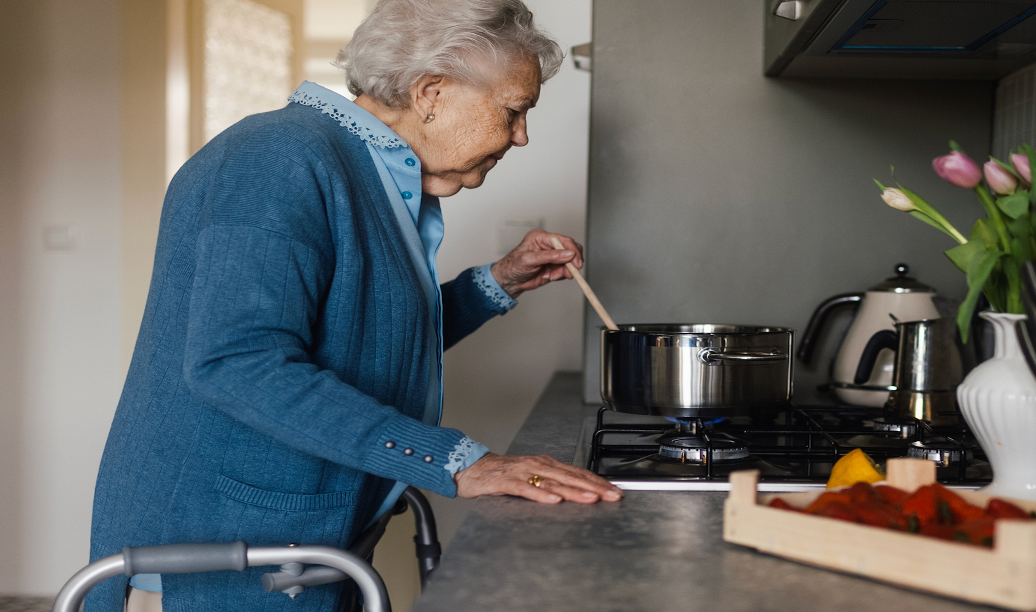
    Individuals with Alzheimer’s suffer from progressive cognitive decline, which impacts many aspects of their safety. Something as simple as remembering to turn off a stove can be a major hazard for someone with memory and focus impairment. Since Alzheimer’s affects older adults, there can be physical challenges that are exacerbated by dementia, such as an inability to problem solve in the event of a medical emergency like a fall or a kitchen accident. Also, dementia can lead to “wandering” – where a person gets lost in their own neighborhood because they simply can’t remember where they live. With care and planning, each of these and many other safety elements can be addressed, and measures can be taken to adapt to increasing impairment as the disease progresses.

    Avoiding Isolation

    Loneliness and isolation are a problem for all people who live alone, but for people living with Alzheimer’s the consequences can have a real, negative impact on their continued ability to live in their own home. A recent Washington Post article identified a significant increase in individuals with Alzheimer’s who experienced isolation due to the COVID-19 protocols. Since dementia can make even simpler technologies difficult to manage, in-person contact is critical to the continued health and well being of people with Alzheimer’s. 

    In order to take care of these and other issues that impact people with Alzheimer’s living at home, we recommend beginning with a thorough assessment by a specialist in geriatric and memory-care concerns. The assessment should look at all of the factors in the home that might pose a difficulty or even a threat. Once the assessment is complete, there are a number of ways to address the findings. In-home care offered by trained specialists like our team at CarePlus Home Health can be an important part of the solution. Located in Montgomery County, our team is highly trained in the care, dignity and safety of our clients with Alzheimer’s. We offer in-home assessments as well as a wide range of customized services to best address the needs of each individual. Contact us to find out how we can help.