Tag: Skilled Nursing

  • Skilled Nursing: Available in Your Home

    Skilled Nursing: Available in Your Home

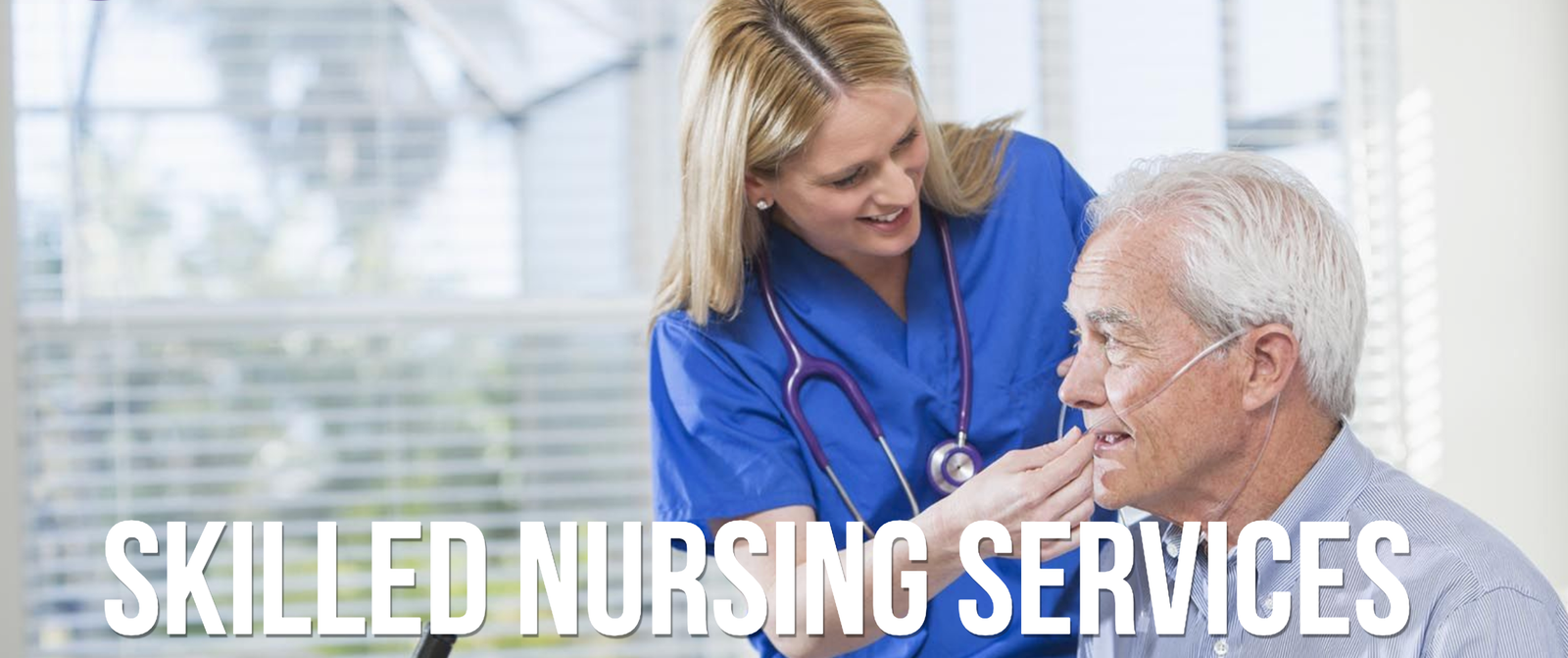
    When a person is recovering from an injury, surgery, or illness or stroke, there is often a period when they are ready to leave the hospital, but not ready to leave medical care. This gap is filled with skilled nursing.

    In many cases, skilled care can be provided in the person’s own home and can actually be a better option. Utilizing a home health care provider enables an older person coming out of the hospital to receive highly effective medical treatment while being as independent as possible in the comfort of their own home.

    Skilled nursing is medical care provided by a Registered Nurse (RN) or a Licensed Practical Nurse (LPN). A person who has been hospitalized transitions to nursing care when they no longer need to see a doctor every day or use sophisticated medical equipment, but do need more specialized care than an aide can provide. An RN or LPN can respond to rapidly changing health conditions and can perform complex wound dressings, rehabilitation services, tube feedings, and other highly skilled procedures. 

    The CarePlus Home Health, Inc. skilled nursing team includes a Registered Nurse, a Licensed Practical Nurse, a Certified Nursing Assistant, and a Geriatric Nursing Assistant plus specialists in particular diseases: COPD, pneumonia, and other respiratory conditions, cardiac conditions, diabetes, Alzheimer’s Disease, Amyotrophic Lateral Sclerosis (ALS), Multiple Sclerosis, and Parkinson’s Disease.

    In-home nursing can be especially good for an older person who has ongoing difficulties with memory or mobility or for someone who is already receiving Assisted Daily Living at home. It allows the nurse to coordinate more closely with the home care service provider, who is on the spot and not attending to a group of other patients. The nurse and the caregiver can update each other more efficiently on the person’s health status and keep instructions current for diet, medication, and exercise more easily. And in-home skilled care can provide the person with the sense of security that comes from familiar surroundings.

    A wide range of services can be provided in the person’s home, including wound care, catheter care, ostomy care, ventilator care, injections, medication management, and tube feedings. Specialists, physical therapists, and occupational therapists can also visit the home.

    When prescribed by a doctor, these services may be covered on a short-term basis by Medicare, some private health insurance policies, veterans’ benefits, and long-term care insurance policies, whether they are provided in a facility or at home.

    Check with Medicare to find out about your loved one’s particular situation. In some cases, Medicare can cover physical or occupational therapy, speech-language pathology services, social services, medications, and medical equipment and supplies used. It may even cover ambulance transportation to a medical center that provides these services in the event they can’t be provided at home.

    If your older loved one is facing a hospitalization, ask their doctor if skilled care at home will work for them. Use these criteria for in-home health care to choose a provider. And feel free to contact CarePlus, Inc. for more information by calling 301-740-8870 or by using our contact form.

  • Yes, Home Care Agencies Do Provide 24 Hour Care

    Yes, Home Care Agencies Do Provide 24 Hour Care

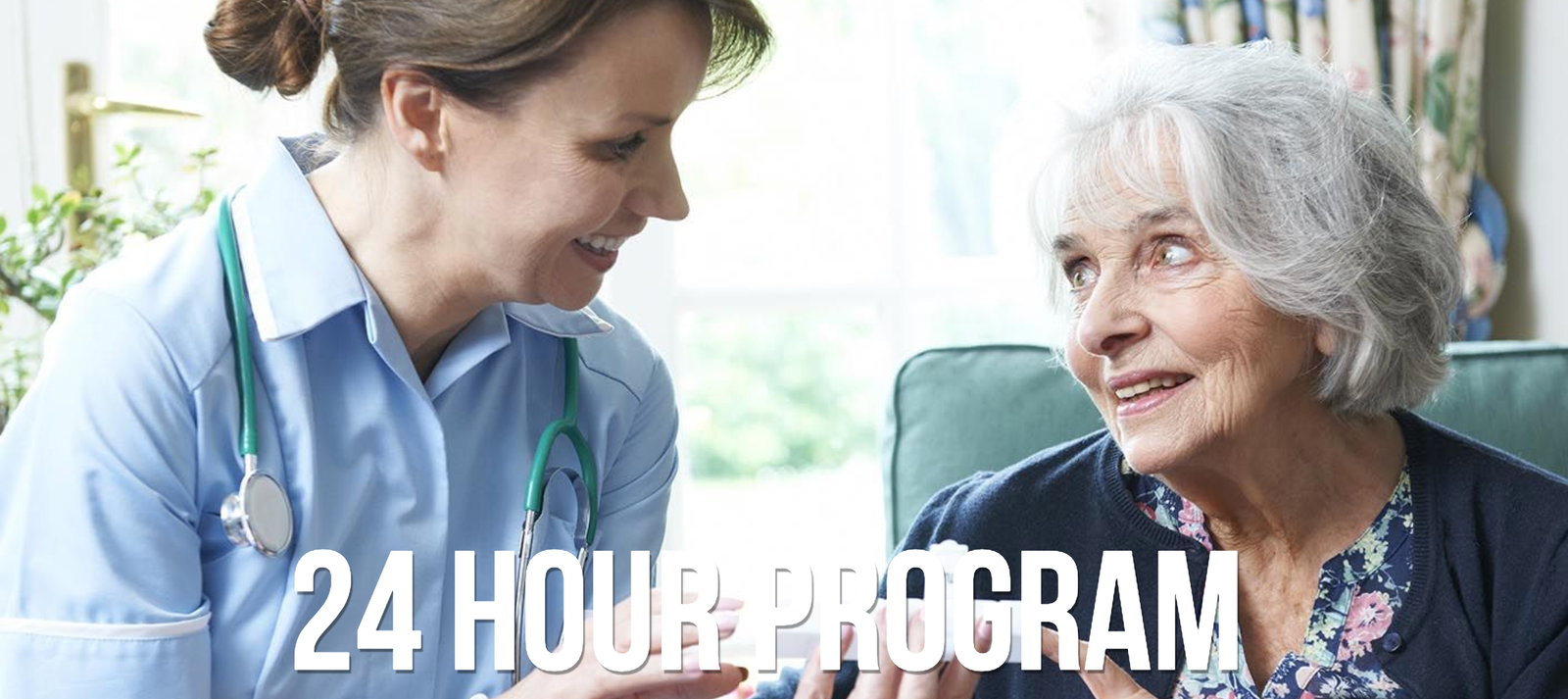
    Most people assume that when they or an older loved one reaches the point of needing 24-hour care, they will have to move to an assisted living center or a nursing home. But America’s largest generation, the Baby Boomers, are changing this approach and set a new trend. An increasing number of older adults are remaining at home while the personal care and health care they need comes to them. Home care agencies make this possible, and many agencies in Montgomery County, MD offer this service. CarePlus Home Health is one of them.

    How do you know your loved one needs 24-hour care?

    24-hour care is standard when a person has recently been hospitalized or has stayed in a rehabilitation facility after a bone fracture, stroke, or heart attack.

    When changes come more gradually, many signs help family and friends realize that an older adult needs 24-hour care. Here are some of the indicators:

    • Frequent falls
    • Dehydration and fainting
    • Difficulty eating or drinking without help
    • Wandering from home, by foot or in a vehicle, and getting lost or confused
    • Becoming confused or anxious by short absences of family, friends, or caregivers
    • Confusing nighttime with daytime, frequent waking in the middle of the night, or becoming agitated in the dark
    • New or increased bathroom accidents

    One of the most common and painful indicators is that family or friends are afraid to leave the older person alone at night or are not getting regular sleep because of tending to the older person’s needs at night.

    A professional home caregiver can change all this. All are trained to assist with Activities of Daily Living. Caregivers who specialize in memory care are also trained to calm older people who are becoming agitated because they have lost their sense of time and place, to help the person avoid kitchen or bathing accidents, dehydration and fainting, and falls, and to reduce infections through a 24-hour care regimen.

    How does 24-hour care work?

    24-hour care is a little different from live-in care. A live-in caregiver stays in the home for 24 hours a day for a maximum of four days before another caregiver takes over. They usually receive a flat rate per day, a 4-hour break during the day, and an 8-hour sleeping break at night.

    The 24-hour care available from home care agencies like CarePlus involves two caregivers who work a 12-hour shift each or three caregivers who work an 8-hour shift each. This arrangement guarantees that someone is alert and awake in the house and focused on the older adult around the clock. They are paid by the hour, which may cost a little more than live-in care, but considerably less than assisted living.

    24-hour care includes help with bathing, dressing, feeding, and grooming the older adult, transferring them in and out of bed or a wheelchair, and helping them use the bathroom. It can also include meal preparation, laundry, light housekeeping, shopping, transportation to appointments and social activities, heart rate and blood pressure monitoring, medication management, and money management.

    With this degree of engagement and intimacy, many people prefer to choose a licensed, bonded agency to coordinate the older person’s care. That way, they know that the caregivers are trained and vetted and that coverage will be consistent when a caregiver falls ill or needs time off.

    The personal care team can be augmented to include nurse’s aides, skilled nurses, or therapists who can care for wounds from injury or surgery, manage IVs and catheters, provide physical and cognitive therapies, and educate the older adult and the other caregivers about any conditions the person may have and how their needs are changing.

    Why provide 24-hour care at home?

    According to Senior Living, an online clearinghouse for eldercare agencies, 90% of seniors want to stay in their homes as long as possible. With in-home care, an older adult is able to live as independently as they are capable of. If a person moves away from home to an assisted living community or nursing home, they are starting over. But home is comfortable and familiar, full of beloved objects and precious memories. These can help an older person feel emotionally secure and physically safe and can help a person with memory problems stay oriented.

    Familiar surroundings and personal associations also improve health. According to Senior Living, one study found that people who received in-home care visited the doctor 25% fewer times than those who didn’t receive in-home care. Clients with Alzheimer’s or other dementia diseases made almost 50% fewer trips to the doctor.

    Home recovery under the supervision of a nurse after hospitalization is associated with longer life and a lower risk of re-hospitalization, according to a study in the Journal of the American Geriatrics Society. The same study found that because re-hospitalization was less likely with home care, total medical bills for heart failure patients were about 35% lower with home care.

    How do you pay for 24-hour care at home?

    Medicare pays for 24-hour care only after hospitalization of at least three days; the limit for care is 100 days. Medicaid may pay for 24-hour care if a doctor recommends it and the person’s income falls below a set maximum. Most health insurance plans are similar to Medicare; they are designed to cover short-term acute care, not long term needs.

    A better option is to deposit a lump sum in an annuity that will go on earning money while money is paid out to cover care, according to the U.S. Department of Health and Human Services. Many insurance companies are also offering Long-Term Care insurance policies that cover 24 hour home care or packages that combine Long-Term Care insurance with life insurance. Talk to a financial advisor or insurance agent about these options.

    CarePlus Home Health is one of Montgomery County, and Maryland’s, most experienced home care agencies, providing assisted daily living, skilled nursing, 24-hour care, and stroke, dementia, and Alzheimer’s care. Our mission is to give professional and compassionate care to individuals, while helping them maintain their independence and quality of life, either in their home or in community settings. Please feel welcome to call us at 301-740-8870 or use our contact form to discuss your home care needs or those of an older loved one.

  • Putting Families First: Parkinson’s Care Program

    Putting Families First: Parkinson’s Care Program

    Your loved one has been living with Parkinson’s or Parkinson’s + Dementia, CarePlus can help.

    Our client Roxanne J. shares about the assistance Tom provided in managing her life before Parkinson’s. In addition, she shares her gratitude for the caregivers at CarePlus Home Health in helping manage her activities of daily living after her onset of Parkinson’s.


    Roxxane J: “Tom, I think the most value that you have brought to me was that I worked with your personal trainer. I was able to lose 30 pounds and 30 points off my diastolic numbers in just about a year and a few months. That was the best thing that happened for me. But you’ve been very friendly and made me feel welcome in your office. And I have appreciated all that you’ve done in making sure that I was safe. Now, I’ve had an illness which requires quite a bit of help. I’ve had people like, Ummi, and others come into my apartment and help me do laundry, changing of sheets. And also, now you are bringing me my medications two times a day. And that has made me very healthy again. I am very happy with what has happened with my progress in such a short time and it is all because of CarePlus’ attention.”

    At CarePlus Home Health Inc., home care is our passion.  At CarePlus we recognize all our clients and value the importance of the service we provide. It is imperative to make the right fit for your family.  For the past 20 years, we have provided our clients in Montgomery County, MD and the surrounding areas with excellence, compassion and understanding. Our mission, to provide professional, compassionate care to individuals, while maintaining their independence and quality of life, in their home or community settings.

    If you are interested in learning more about our home care services including:  assisted daily living services,  bathing, companionship, dressing, exercises, grocery shopping, housekeeping/laundry and live-in support – please contact us at (301) 740-8870 or info@careplusinc.com.