Tag: in home care

  • Talking to Your Loved One About Getting Help at Home

    Talking to Your Loved One About Getting Help at Home

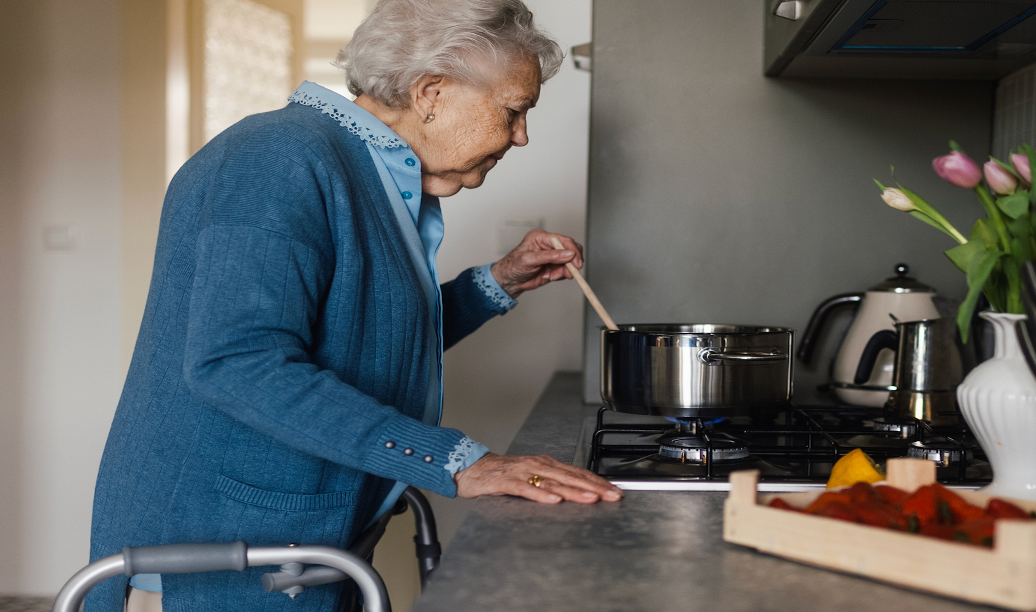
    The beginning of the year is a good time to reset and refresh. For our older adults aging in place, it is a good time to reassess their safety and their own ability to live independently in their current home. During the holidays, you may have noticed that a loved one was having difficulties with housekeeping, daily chores and/or every day activities. If life seems a bit overwhelming for an aging relative it may be time to consider support in the home.

    Approaching the Support Subject

    Your older loved one may be among the 75% of older adults who would prefer to stay in their home and continue to age in place. However, after a lifetime of managing for themselves, it can be hard for your loved one to admit that they need additional help. The emotional aspect of losing their independence along with the physical ability to manage a home, prepare meals, take out the trash, shower every day can be stressful. It is important to start the conversation — remember to meet your loved one where they are and begin the conversation by exploring your feelings and theirs. Approach the topic with care, concern, and curiosity. Listen to their responses and validate them before sharing your own feelings. Express a willingness to work with them on a list of priorities to support them so that they feel comfortable discussing. It starts with a conversation.

    Conversation & Consideration

    When observing an aging adult, what key considerations can help determine whether additional support at home is appropriate?

    • Health: Review your loved one’s medical needs, and assess whether they need help with medication, getting to doctor’s appointments, and other additional support
    • Safety: Do a 360 degree review of the home and identify specific ways that safety can be improved by installing grab bars, moving frequently used items to more accessible shelves, decluttering, or other changes that can make a real difference
    • Isolation: Considering the danger of isolation, discuss how much socializing your loved one is doing, and consider ways to prevent the mental and emotional drain of isolation
    • Daily activities: As we age, everything from bathing and dressing to cooking and cleaning can become more difficult. Assess whether immediate help is needed or talk about some eventual options when the time comes

    What’s next?

    Begin by creating a list of current concerns and prioritizing what feels most urgent. Focus first on the issues that affect safety, health, and overall well-being. Once priorities are identified, develop thoughtful solutions for the top concerns and introduce small changes gradually. Making too many adjustments at once can feel overwhelming, especially for an older loved one, so it’s important to move slowly.

    As changes are introduced, schedule regular check-ins to evaluate how things are going. Some ideas may seem right in theory but prove less effective in practice, making it necessary to adjust the approach. At the same time, new concerns may surface as routines shift. This ongoing evaluation allows you to modify the plan in a way that remains responsive and supportive.

    While rolling out changes over time can feel challenging, stability is essential for older adults, and sudden disruptions can increase stress or resistance. If your location or personal commitments make it difficult to be consistently present during implementation, working with a home care organization can help ensure the plan is carried out smoothly. Professional support can provide consistency, reassurance, and an extra layer of care—helping your loved one adjust while giving you reassurance.

    For more than 30 years, CarePlus has been providing home health care services including skilled nursing care, chronic disease management, post-acute and transitional care, daily activities, companionship and ongoing support, as needed.

    Contact us today to learn more.
  • The Key to Aging In Place is Awareness

    The Key to Aging In Place is Awareness

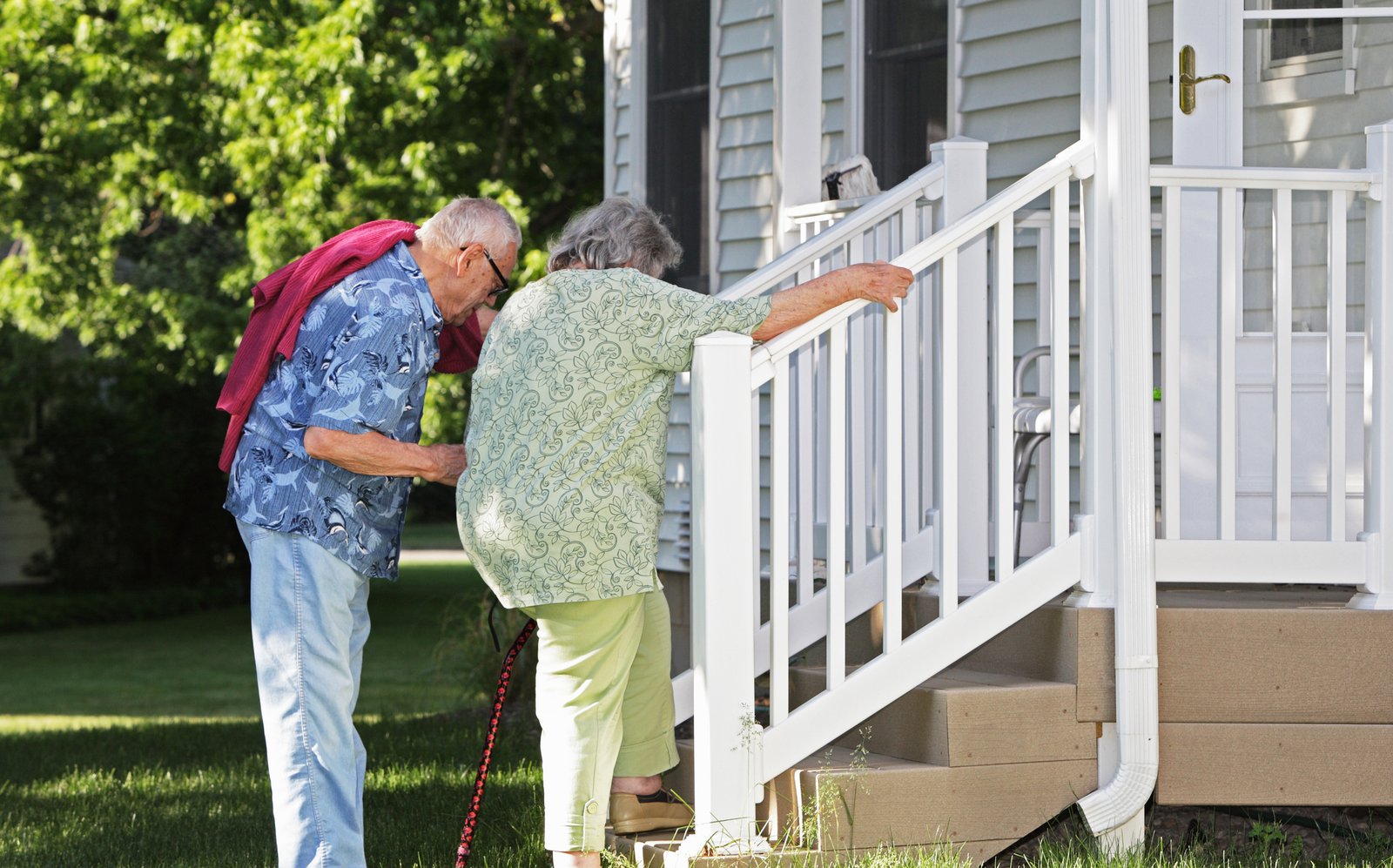
    A lifetime of memories builds up in a home, and people often prefer growing old where they raised their children and hope to spend time with the next generation. This rosy vision doesn’t always pan out when the challenges of aging arise, prompting older adults and their children to consider key factors such as home layout, health, and help available. These concerns could mean the difference between staying in the family home or making a late-in-life move.

    Look at the Layout

    Those doorframes with height lines are not the only legacy aspects of a family home. Most of the house was organized when young, strong adults moved in, and rearrangements were probably made to accommodate growing children. Aging in place requires a different design approach, including:

    • Cupboards need to be reorganized to make regularly used items more accessible. For example, cabinets that require a long reach or a stepladder should be avoided.
    • Furniture should be situated to allow easy circulation.
    • Clutter reduction can help make it easier to maintain cleanliness, which is safer for both balance and health.
    • Accessibility may include some minor remodeling (e.g., grab bar installation).

    The key is to identify safety, needs, access, and comfort for an older person with some infirmities. Additional reorganization may be needed for those with memory issues or other specific conditions.

    Healthy at Home

    Day-to-day living is a challenge for people with health concerns. Weakened physiques from heart conditions, arthritis, or osteoporosis may make it more difficult to manage household upkeep. Chores like cleaning, tidying, and grocery shopping require strength. An inability to keep up with these activities can lead to an unhealthy living environment, exacerbating the problem.

    Living in the family home has potential health impacts that increase over time.

    • Medications add up, and older adults often have a pharmacopeia to manage, and arthritis or memory issues can prevent the regular dosage most medicines require.
    • Appointments for medical visits can be difficult to get to when older eyes and reflexes should avoid driving, yet they are even more critical to attend.
    • Isolation becomes increasingly dangerous as people age, since mental health is impacted by loneliness, and minor accidents can be fatal.
    • Activity as simple as going for a walk requires more effort for a person impaired by health issues, but regular exercise, fresh air, and sunlight can promote well-being.
    • Daily Living becomes progressively harder with age, necessitating assistance with tasks such as dressing, hygiene, and cooking.

    Help is Available

    Despite the challenges, knowledge is power. Whether it’s a family member or home healthcare service, having support can make aging in place more feasible. Being strategic and proactive can allow an older person to live a safe and happy life in their home. CarePlus Home Health has been providing a comprehensive range of services customized to meet the needs of its clients in Montgomery County for 30 years. For its contributions to the community, CarePlus is the recipient of the Large Business of the Year award with the Greater Rockville Chamber of Commerce for 2024. Contact us today by calling 301-740-8870.

  • Is it Time to Assess Your Living Situation and Consider In-Home Care?

    Is it Time to Assess Your Living Situation and Consider In-Home Care?

    As the summer draws to an end and the days grow shorter, it’s natural to consider what changes might be needed to prepare for the coming seasons. This change can turn into a broader reflection on more significant changes that might be necessary in our lives, which is particularly important for people who are getting older and want to continue living comfortably and safely in their homes. As we age, our needs evolve, and adjustments to support our well-being and independence are essential. One significant step in this direction is considering in-home care.

    Recognizing the Need for In-Home Care

    Staying at home while growing older, or “aging in place,” is a priority for many older adults. Moving to new housing can mean giving up on memories, a familiar community, and proximity to a lifetime of cherished friends, services, and activities. However, aging in place can be a challenge since most people do not live in homes that are adapted to the needs of older adults. It is critical to identify these needs and recognize when additional support can help maintain a high quality of life. Consider some of the following issues:

    1. Difficulty with Activities of Daily Living (ADLs). Routine tasks like cooking, cleaning, or bathing may feel overwhelming or even impossible. They bring greater risk when a person is physically frail or has memory challenges. If you or a loved one is struggling with ADLs, in-home care can provide the necessary assistance to maintain independence.
    2. Frequent Falls or Mobility Issues. Balance and coordination can deteriorate with age, increasing the risk of falls, which can have severe consequences on older bones. In-home care providers can help with mobility and be there for immediate assistance if a fall does occur. They can also help identify ways to improve the home environment to make it safer and more accessible, reducing the likelihood of accidents.
    3. Chronic Health Conditions. Managing chronic illnesses requires medication management, regular monitoring, and specialized care. In-home caregivers can provide support tailored to specific health needs and transportation to medical appointments. By following medical routines and identifying changes in symptoms and overall health, in-home caregivers can make sure that health issues are properly and promptly addressed.
    4. Social Isolation. Aging in place may be preferable to moving, but loneliness and isolation are common challenges for older adults, especially those living alone. In-home care can offer companionship and social interaction, vital for mental and emotional well-being.
    5. Caregiver Burnout. If family members or friends provide care, they may eventually feel overwhelmed. Hiring a professional caregiver can alleviate some of this pressure, allowing loved ones to focus on spending quality time together rather than solely on caregiving duties.

    The Benefits of In-Home Care

    Choosing in-home care can bring numerous benefits, not only for the individual receiving care but also for their families. A trained caregiver can identify and mitigate potential hazards in the home, such as loose rugs or inadequate lighting, and assist with mobility, reducing the risk of falls and injuries. In-home care providers can help manage chronic conditions, see to it that medications are taken correctly, and provide assistance with daily activities, which can lead to better overall health outcomes. Regular visits from a caregiver can reduce feelings of loneliness and provide meaningful companionship, improving mental health and emotional well-being. Finally, knowing that a loved one is receiving professional care in the comfort of their own home can bring significant peace of mind to family members, especially if they live far away or have other responsibilities.

    Preparing for the Future

    As the seasons change, take this opportunity to assess your living situation or that of a loved one. Consider whether in-home care might be a beneficial addition to your current routine. By making proactive adjustments and embracing the support of professional caregivers, you can continue to enjoy the comfort of your home while addressing the evolving needs that come with aging. Whether it’s arranging for minor home modifications, enhancing social connections, or hiring in-home care, the steps you take now can make a significant difference in your ability to age in place safely and happily.


    For additional information call 301- 740-8870.