Tag: Depression

  • Living At Home With Alzheimer’s

    Living At Home With Alzheimer’s

    For adults with memory impairment like Alzheimer’s, change can be difficult, so it is no surprise that the prospect of moving out of the home and into a care facility is met with resistance. According to research published in the Journal of American Geriatrics, there has been an increased trend for people with dementia to prefer staying at home for as long as possible. However, staying at home presents some significant challenges, particularly for people who live alone. With some awareness and forethought, it is possible to stay at home. Here are some important considerations.

    Managing Activities of Daily Living

    As dementia progresses, many activities of daily living (ADL) become increasingly difficult. From grocery shopping to cleaning, household chores become confusing, and often they are neglected. In addition, personal care like bathing, dressing, and grooming can be forgotten or avoided. As dementia progresses, individuals require increasing assistance with ADLs, which may be beyond the capacity of family, especially if they don’t live together. It’s important to regularly assess the status of ADL abilities and make adjustments to meet increased needs. 

    Assuring Safety

    Individuals with Alzheimer’s suffer from progressive cognitive decline, which impacts many aspects of their safety. Something as simple as remembering to turn off a stove can be a major hazard for someone with memory and focus impairment. Since Alzheimer’s affects older adults, there can be physical challenges that are exacerbated by dementia, such as an inability to problem solve in the event of a medical emergency like a fall or a kitchen accident. Also, dementia can lead to “wandering” – where a person gets lost in their own neighborhood because they simply can’t remember where they live. With care and planning, each of these and many other safety elements can be addressed, and measures can be taken to adapt to increasing impairment as the disease progresses.

    Avoiding Isolation

    Loneliness and isolation are a problem for all people who live alone, but for people living with Alzheimer’s the consequences can have a real, negative impact on their continued ability to live in their own home. A recent Washington Post article identified a significant increase in individuals with Alzheimer’s who experienced isolation due to the COVID-19 protocols. Since dementia can make even simpler technologies difficult to manage, in-person contact is critical to the continued health and well being of people with Alzheimer’s. 

    In order to take care of these and other issues that impact people with Alzheimer’s living at home, we recommend beginning with a thorough assessment by a specialist in geriatric and memory-care concerns. The assessment should look at all of the factors in the home that might pose a difficulty or even a threat. Once the assessment is complete, there are a number of ways to address the findings. In-home care offered by trained specialists like our team at CarePlus Home Health can be an important part of the solution. Located in Montgomery County, our team is highly trained in the care, dignity and safety of our clients with Alzheimer’s. We offer in-home assessments as well as a wide range of customized services to best address the needs of each individual. Contact us to find out how we can help.
  • 3 Qualities to Achieve Excellence in Home Health Care

    3 Qualities to Achieve Excellence in Home Health Care

    More and more adults are choosing to stay in their homes, so they can age in place without the disruption of relocation. Health and safety challenges make this course of action impossible without help, and many people prefer to work with seasoned, trustworthy professionals to make sure their care is appropriate. When selecting home health care, an important balance of factors needs to be considered to make sure the experience is truly supportive. At CarePlus, we believe that quality home health care is made up of multiple factors, and we believe these three are essential.

    Expertise

    In the area of home health care, two types of experience are critical: health and hospitality. Geriatric health is a particular concentration in the medical field, and you want to make sure your caretakers know this area well. It also takes an extra level of compassion, care, and quality to go into a home and seamlessly become a part of daily living for an aging adult. Understanding how to make a home hospitable for an aging homeowner is a key to a successful relationship in home health care. Based on his years of experience in the hospitality industry, CarePlus Founder, Tom Najjar, recognizes the importance of a high level of quality care combined with customer service.

    Dignity

    As people age, their health may gradually decline, or in some instances, experience rapid changes in their health. Adapting to these changes with the help of home health care allows adults to maintain a sense of independence within their limits. With the ability to continue to make lifestyle choices and flexibility with support, as needs increase, adults can feel empowered to live their best lives. CarePlus recognizes these situations and is respectful and fully prepared to provide needed support.

    Comfort

    Whether it’s medication, groceries, a doctor visit or another service, a key to quality home health care is the comfort of the client as well as family and friends, who are concerned about the client’s well-being. Comfort comes in many forms. It can be a knowledgeable, experienced caretaker’s ability to help with medication and the activities of daily living. In addition, it may be the compassionate attitude of a caretaker who truly cares. Being a resource to the family, may also add peace of mind.

    At CarePlus Home Health we stand by our mission to deliver better care for a better life. We understand the trust being placed in our hands when our clients allow us to help them with their needs as they age. We look forward to the opportunity to bring Expertise, Dignity and Comfort to your home or the home of a loved one. For more information about our services, please contact us today.

  • Enhanced Senior Living Community Services

    Enhanced Senior Living Community Services

    At CarePlus, we are experts in home care services for older adults. When “home” is an independent living community, we offer individualized services to residents as well as community-wide programs that round out the experience of living in a safe, supported environment. By establishing a presence within a community, we are better able to meet needs by a customized approach to our clients and their families. 

    Independent Living 

    For seniors who want to maintain an active, independent lifestyle as long as possible, independent living communities are an excellent option. Catering exclusively to older adults, everything from the design of individual residences to a range of additional amenities like leisure activities, meal programs and healthcare facilities assure a healthy lifestyle in a supportive environment. According to SeniorHomes.com, there are 45 independent living communities in Montgomery County. 

    Where CarePlus Fits In

    As people age, their ability to manage some activities and tasks becomes more of a challenge. CarePlus supports independent living communities with a variety of offerings:

    Flex Care Services: We provide flexible care hours to residents at senior living communities. We can help with sheets/laundry, food prep, grocery shopping and housekeeping so residents can live independently and securely. We can be there for the small tasks. Residents can schedule as little as 30 minutes of assistance that can happen daily, weekly or occasionally. Whatever the need — we will be there.

    Wellness Center Program: CarePlus can set up a permanent wellness center on the premises or an “on the go” wellness pop up center according to need. We can do Blood Pressure checks, Zoom Lunch & Learns, Zoom health activities and much more. We also are able to support residents in crisis management, transitioning from hospital to home and supporting independent living.

    CarePlus tabling at a senior living community event

    Care Coordination Program

    We offer an onsite CarePlus coordinator to help support logistical needs of residents living in communities. In addition, we provide services for out of town families including transitions from hospital to home, rehabilitation and other logistical needs. 

    Personal Assistant Services/CarePlus Concierge: CarePlus offers specialty services to clients who need additional oversight and services. Groceries, supplies and other shopping needs can be done by our team independently or assisting a resident. We can schedule and attend doctor’s appointments, coordinate with multiple providers, and assist with insurance matters. 

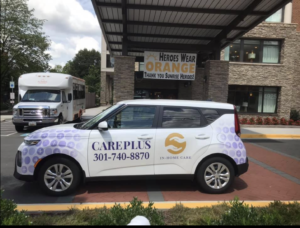
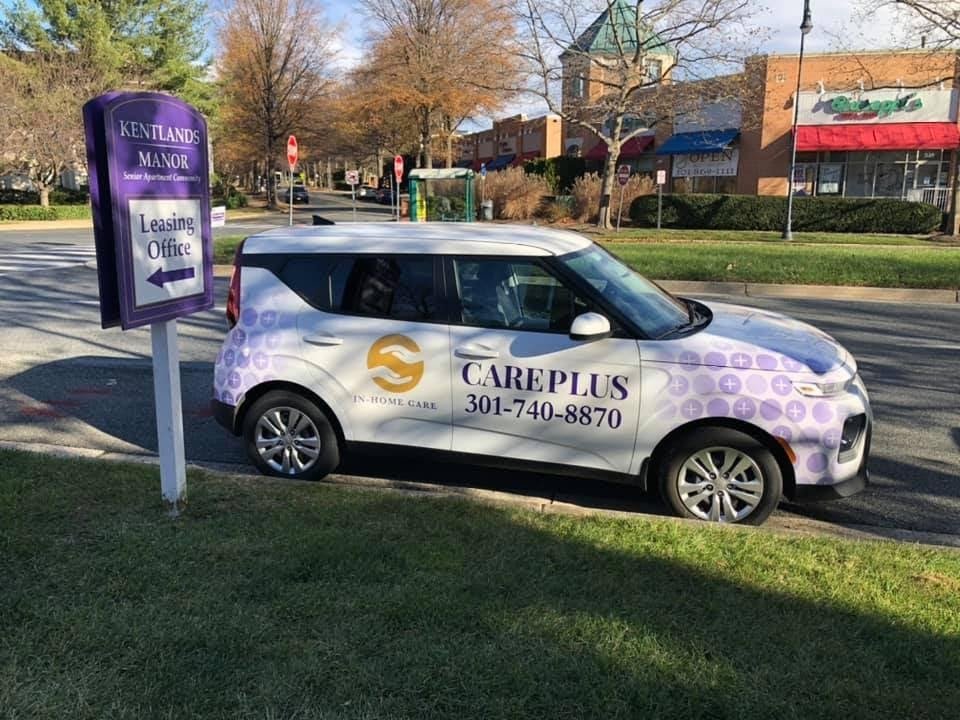
    a CarePlus vehicle outside a senior living facility

    Create Your Own Independent Living Community

    Through our Care Share program, we can help people to age in place in their neighborhood. By working with neighbors, older people can obtain some of the services we offer to independent living communities without having to move. These can include pop-up clinics, lunch and learn programs, and other activities that benefit a group. 

    CarePlus is committed to being a partner in aging in safety and dignity. We strive to bring the most customized and useful range of services to our clients and communities. To learn more about our Flex Care options email info@CarePlusInc.com.

  • Alzheimer’s & Brain Awareness Month

    Alzheimer’s & Brain Awareness Month

    June is National Alzheimer’s & Brain Awareness Month. This month CarePlus Home Health took part in programming that helped us raise awareness and support for Alzheimer’s Disease. 

    Alzheimer’s Disease is a progressive disease that damages memory and other important mental functions. Memory loss and difficulty thinking are common symptoms and contribute to mental decline. Some other symptoms are:

    • Problems with language, visualizing and spatial relationships 

    • Difficulty performing familiar tasks 

    • Disorientation with time and place

    • Poor judgment 

    • Attention issues

    • Changes in mood, behavior or personality  

    • Loss of desire or initiative

    Better Care, Better Health – Alzheimer’s Association National Capital Area Chapter


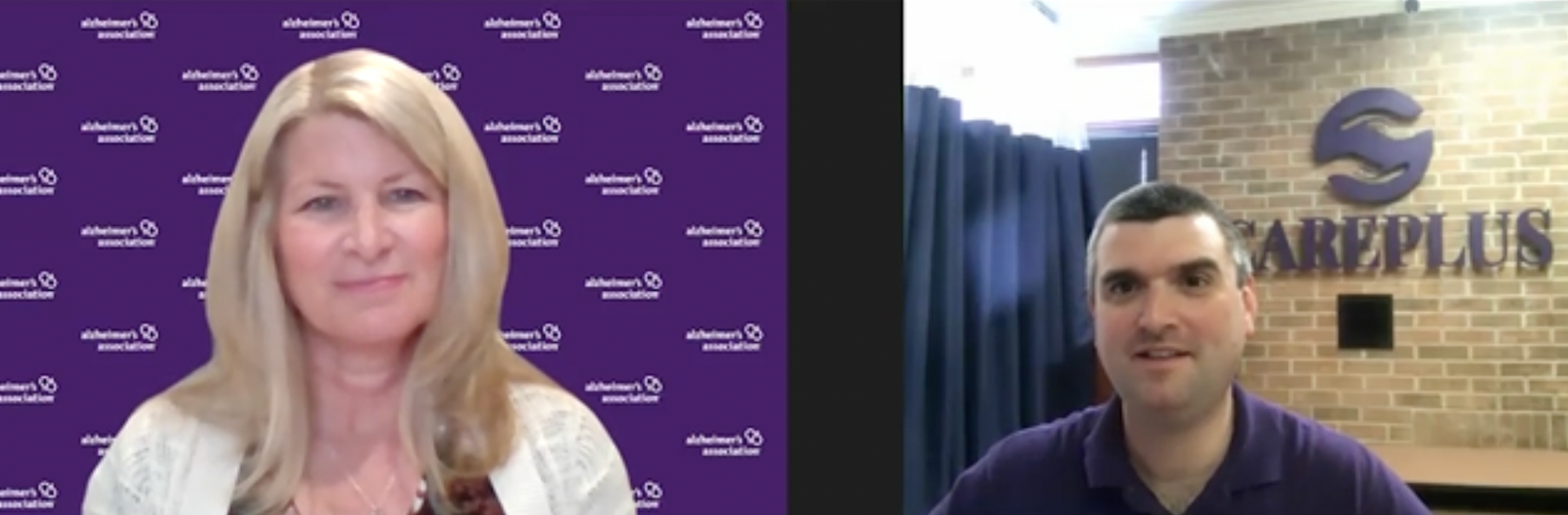
    Our CarePlus Executive Director, Andrew Ryan, sat down with Sheila Griffith, Program Manager for the National Capital Area Chapter of the Alzheimer’s Association. They discussed all of the exciting programs coming up for the Alzheimer’s Association including the Longest Day and the Alzheimer’s Walk!


    The Alzheimer’s Association National Capital Area Chapter offers many different resources to support you and your loved one in all stages of the disease. From support groups to educational programs, there is something to guide everyone through this difficult time. 

    CarePlus is here for you!

    Our services are adjusted to meet your needs. Whether you need us for a few hours a day, or 24/7, we can support you and your loved one. Our caregivers can help with memory care, lifestyle strategies, nutrition and daily living, physical stability, mobility and exercise, and fall prevention. 


    Let’s Get Started. Call us today at (301) 740-8870 or email us at info@careplusinc.com to discuss your needs. We are here 24/7 to help you.

  • Depression in Older Adults

    Depression in Older Adults

    It’s Not Just “Getting Old” – Depression in Older Adults

    May is Mental Health Awareness month, and the National Institute on Aging, a part of the National Institutes of Health cautions that, “Depression is a common problem among older adults, but it is NOT a normal part of aging.” This year, the theme is “you are not alone,” and friends, family and caretakers of older adults can support them by learning more about the issue. Understanding the symptoms, some potential causes, side effects of medication, and beneficial treatments are critical to supporting our loved ones who may be suffering needlessly.

    Hiding in Plain Sight – Disguised Symptoms

    As people age, their energy, sleep, attention span, appetite and other factors evolve. This may be a natural progression, or they may be key indicators that someone is suffering from a mental health challenge. According to the National Institutes of Mental Health, physical symptoms include “chronic joint pain, limb pain, back pain, gastrointestinal problems, tiredness, sleep disturbances, psychomotor activity changes, and appetite changes.” The Harvard Health Blog also notes that “depression can … impair your attention and memory, as well as your information processing and decision-making skills.” If an older person is showing these symptoms, they should have their mental health evaluated for possible treatment.

    Potential Causes

    Depression is a complicated condition, and it has a variety of causes. According to the Mayo Clinic, depression can be a chemical imbalance in the brain brought on by situations, genetics, hormones, other medications and a variety of additional factors. Older adults are particularly at risk for some situational causes such as grief, isolation, and physical pain. Aging itself can be a difficult transition for some people to accept. If an older adult is going through a potential trigger for depression, it’s important to monitor their mental health for signs of depression.

    Side effects of Medication

    Medications seem to be an inevitable part of the aging process. Whether it’s treatment for another condition that has been known to cause depression (e.g. beta-blockers and Parkinson’s medication), or side effects of anti-depressant medications themselves (e.g. sedation), an older adult taking medication should be confirming the potential side effects of their prescriptions, and advising their provider of all medications being taken. Today’s Geriatric Medicine notes that older adults have diminished function of some organs and their immune system, so they need to be particularly cautious about medication.

    Beneficial Treatment

    In addition to medication, there are excellent therapies that can treat depression. Individual and group counseling can have a significant effect on depression as well as introduce an additional trained professional to monitor the situation. Exercise, sunlight, and vitamin D have been shown to help alleviate depression as well. For serious cases, Transcranial Magnetic Stimulation, Electroconvulsive Therapy and hospitalization are options. If a person is suffering from depression, they should confer with their medical provider about options and referrals for treatment.

    At CarePlus, our staff are trained to recognize the symptoms of depression, and to support aging adults with medication reminders, meals, exercise, and their healthcare appointments. To get started, call us today at 301-740-8870 or email us at info@careplusinc.com to discuss your needs.