Tag: arthritis care

  • Bone and Joint Awareness in the Home

    Bone and Joint Awareness in the Home

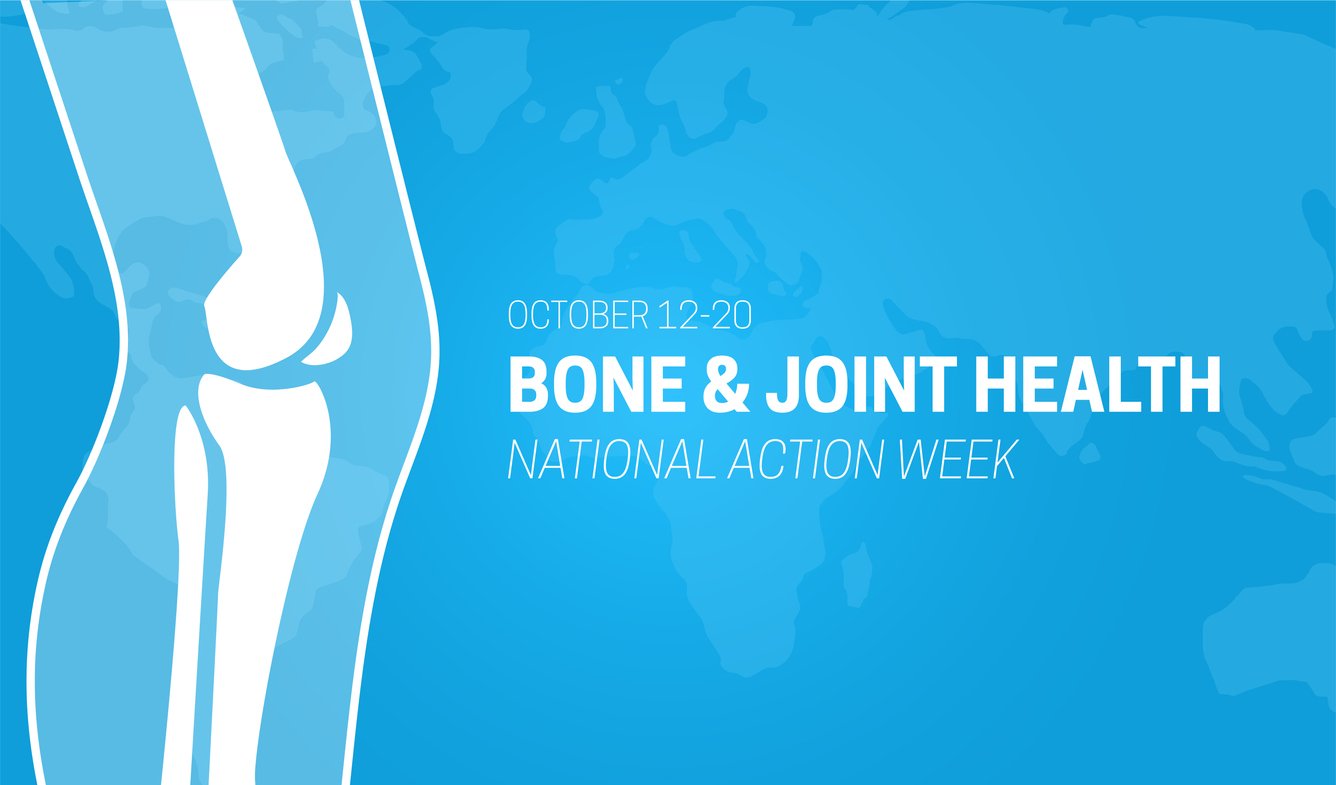
    October 12-20 is the annual Bone and Joint Action Week; bone and joint issues can be painful, stressful, and debilitating for many older people. Taking charge of bone and joint health and understanding ways to cope with bone and joint issues can make a huge difference in the quality of life for a person at risk or suffering from problems with these parts of the body. Here are some considerations.

    Some Facts About Bone and Joint Health

    According to the United States Bone and Joint Initiative, “Bone and joint conditions are the most common cause of severe long-term pain and physical disability worldwide, affecting hundreds of millions of people.” Bone and joint conditions include back pain, arthritis, traumatic injuries, osteoporosis, spinal deformity, and childhood conditions, which are predicted to become more common as life expectancy and other risk factors change. Many musculoskeletal conditions can only be treated, not cured, and often, they become progressively worse over time. It is critical to consult with medical professionals if bone or joint pain becomes an issue to diagnose and seek early intervention.

    Taking Action to Deal with Bone and Joint Health

    Aside from medication, there are many ways to cope with bone and joint conditions, including:

    • Stay Active: Regular exercise is crucial for maintaining healthy bones and joints. Consult with a healthcare provider before starting any new exercise program.
    • Balanced Diet: A well-balanced diet rich in calcium and vitamin D should include dairy products, leafy greens, fortified foods, and supplements if necessary
    • Maintain a Healthy Weight: Excess weight puts added stress on the joints, particularly the knees and hips. Maintaining a healthy weight can reduce the risk of developing joint problems or exacerbating existing ones.
    • Proper Posture and Body Mechanics: Practicing good posture and using proper body mechanics when lifting or performing daily activities can reduce the risk of strain or injury to the bones and joints.
    • Regular Check-Ups: Older individuals need regular check-ups with healthcare providers. They can monitor bone density and joint health and provide recommendations or treatments as required.
    • Medications and Supplements: If prescribed by a healthcare provider, medications or supplements like glucosamine and chondroitin may help manage joint pain and inflammation. Always follow your healthcare provider’s advice regarding these.
    • Fall Prevention: Falls can be especially harmful to older individuals with fragile bones. Make necessary modifications to your home environment to reduce the risk of falls, such as installing handrails and using non-slip mats.
    • Pain Management: If you’re experiencing joint pain or discomfort, consult with a healthcare provider for appropriate pain management strategies. This may include physical therapy, over-the-counter pain relievers, or prescription medications.
    • Emotional Well-being: Coping with bone and joint issues can be mentally challenging. Seek emotional support from friends, family, or support groups to help manage stress and improve overall well-being.
    • Assistive Devices: If mobility is limited, consider using assistive devices like canes, walkers, or wheelchairs to maintain independence and reduce the risk of falls.
    • Stay Informed: Stay informed about the latest research and treatment options for bone and joint health. Knowledge is a powerful tool in managing these conditions.

    Be Strategic and Proactive About Getting Help

    When bone and joint conditions begin to impact ordinary activities of daily living, it is essential to work on ways to minimize the impact on your quality of life. In addition to fall prevention for older adults living at home, many issues can interfere with safety and comfort. From something as simple as opening a child-proof medication bottle to lifting heavier cookware in the kitchen, bone and joint pain can interfere with ordinary activities. If this is the case, it is a good idea to consider getting in-home assistance designed to alleviate these challenges. It can be as simple as assistance with cooking, shipping, and medications or more comprehensive full-time care if mobility and capacity are significantly diminished.

    CarePlus has been delivering various services to the Montgomery County area for people who want enough help to manage their challenges due to aging or medical conditions without sacrificing their independence and comfort. Our Flex Care program and other Home Care services offer a critical measure of safety, attention, and peace of mind to older people living with bone and joint issues. Contact us to learn more about how we can help.

  • Living. Independence. Arthritis.  We Got This!

    Living. Independence. Arthritis. We Got This!

    The natural progression of aging often results in slowing down in speed, limiting the range of motion, lessening flexibility, and more challenges with everyday tasks. A diagnosis of arthritis may complicate the aging process due to its impact of pain and inflammation. An in-home caregiver may be the solution to the burden of simple everyday tasks, medication management, quality of life, and living independently.

    With arthritis, it may hurt to stand, to walk, to reach for dishes, clean pots, and even open the fridge door. Pain presents difficulties for self-care, including meal prep, bathing, driving, or laundry. In some cases, extra support may be needed for those diagnosed with arthritis to maintain aging in place and living independently. Living independently with arthritis may look a little different, but with the right caregiver and the proper level of support, individuals can maintain their independence and promote their health and wellness.

    Arthritis is an inflammation of the joints. It can be caused by wear and tear of cartilage, which normally acts as a shock absorber as we walk, run, and otherwise move through our daily lives, but it can also be triggered by an autoimmune disease or infection.

    According to the Arthritis Foundation, there are more than 100 different kinds of arthritis1. The types most likely to affect the older person in your life are Osteoarthritis, or degenerative joint disease, a chronic condition in which the cartilage that usually prevents joint bones from rubbing together breaks down, and Rheumatoid Arthritis, an inflammation of the lining of the joints. Both of these types cause stiffness, loss of movement, and pain which can lead to disability.

    There is no cure for arthritis at this time, but there are ways to manage the inflammation and pain. According to the Mayo Clinic, there are some Do’s & Don’ts for better management2. By taking a multifaceted approach to management including drug therapy, physical therapy, exercise, a healthy diet, and proper sleep habits, there is a greater likelihood of reducing pain, improving mobility, and preventing further joint damage.

    According to the Arthritis Foundation, the key to living with arthritis is self-management. The people who are most successful eat a balanced diet with an emphasis on particular foods, engage regularly in low-impact and range-of-motion exercise, practice healthy sleep habits, and manage their pain, not only with medication, but also with non-medical techniques and natural therapies like heat, ice, water, and massage therapies.

    All of these disciplines become more difficult as we age. For those older people contending with memory issues, therapy can be more challenging. Home care service agencies can help set up a program for an older loved one and provide a trained caregiver to ease confronting each and every day.

    People with arthritis need to increase the proportion of fruits and vegetables in their diet, eat more fish and less red meat, and eat more foods with omega-3 fatty acids. Your home care service provider can buy the foods known to reduce inflammation, avoid the foods that increase it, and prepare regular, healthy arthritis-friendly meals that won’t aggravate your loved one’s pain.

    Exercise relieves stiffness, reduces pain and the fatigue it causes, and increases muscle and bone strength. Appropriate exercises may include low-impact aerobics, strength training, and range-of-motion exercises. If surgery like a knee replacement or hip replacement is recommended, a home care provider can be available to assist with housekeeping tasks during pre-surgery preparation or a transition from the hospital, and help with simple exercises that support an older person to recover and regain mobility.

    Sleep is also important for joint health and pain management. A home care provider can help make and maintain small changes that support sleep like keeping the bedroom dark, cool, and quiet, helping an older person avoid evening exertion that might keep them awake, or helping an arthritis sufferer into a warm bath before bedtime.

    Home care services include many other ordinary tasks that remain too painful for an older person with severe arthritis to do. These include:

    • Bathing
    • Dressing
    • Personal Hygiene
    • Housekeeping and laundry
    • Transportation and escorts to appointments
    • Coordination with various providers and agencies

    In addition, a home care service provider introduces a new source of companionship and emotional support, not only for the older person with arthritis, but also for their family.

    Also, as one ages, the risk of falling increases. According to the CDC, each year over 300,000 older people—those 65 and older—are hospitalized for hip fractures3. Thus, taking extra precautions around the home to avoid falls is essential. A caregiver can help to remove fall risks for families including clutter, rugs, clearing walkways, especially to the bathroom for evenings, tripping over cords and assess proper shoes. 

    We want to make our clients more comfortable physically and provide fall prevention.

    If you have questions about home care for an older loved one with arthritis or if you are looking for a home caregiver in Montgomery County, feel free to contact us at (301) 740-8870. Or use the contact form on this web site.

    References:

    https://www.arthritis.org/living-with-arthritis/pain-management/understanding/types-of-pain.php

    https://www.mayoclinic.org/diseases-conditions/arthritis/in-depth/arthritis/art-20046440

    https://www.cdc.gov/HomeandRecreationalSafety/Falls/adulthipfx.html