Tag: aging in place

  • Talking to Your Loved One About Getting Help at Home

    Talking to Your Loved One About Getting Help at Home

    The beginning of the year is a good time to reset and refresh. For our older adults aging in place, it is a good time to reassess their safety and their own ability to live independently in their current home. During the holidays, you may have noticed that a loved one was having difficulties with housekeeping, daily chores and/or every day activities. If life seems a bit overwhelming for an aging relative it may be time to consider support in the home.

    Approaching the Support Subject

    Your older loved one may be among the 75% of older adults who would prefer to stay in their home and continue to age in place. However, after a lifetime of managing for themselves, it can be hard for your loved one to admit that they need additional help. The emotional aspect of losing their independence along with the physical ability to manage a home, prepare meals, take out the trash, shower every day can be stressful. It is important to start the conversation — remember to meet your loved one where they are and begin the conversation by exploring your feelings and theirs. Approach the topic with care, concern, and curiosity. Listen to their responses and validate them before sharing your own feelings. Express a willingness to work with them on a list of priorities to support them so that they feel comfortable discussing. It starts with a conversation.

    Conversation & Consideration

    When observing an aging adult, what key considerations can help determine whether additional support at home is appropriate?

    • Health: Review your loved one’s medical needs, and assess whether they need help with medication, getting to doctor’s appointments, and other additional support
    • Safety: Do a 360 degree review of the home and identify specific ways that safety can be improved by installing grab bars, moving frequently used items to more accessible shelves, decluttering, or other changes that can make a real difference
    • Isolation: Considering the danger of isolation, discuss how much socializing your loved one is doing, and consider ways to prevent the mental and emotional drain of isolation
    • Daily activities: As we age, everything from bathing and dressing to cooking and cleaning can become more difficult. Assess whether immediate help is needed or talk about some eventual options when the time comes

    What’s next?

    Begin by creating a list of current concerns and prioritizing what feels most urgent. Focus first on the issues that affect safety, health, and overall well-being. Once priorities are identified, develop thoughtful solutions for the top concerns and introduce small changes gradually. Making too many adjustments at once can feel overwhelming, especially for an older loved one, so it’s important to move slowly.

    As changes are introduced, schedule regular check-ins to evaluate how things are going. Some ideas may seem right in theory but prove less effective in practice, making it necessary to adjust the approach. At the same time, new concerns may surface as routines shift. This ongoing evaluation allows you to modify the plan in a way that remains responsive and supportive.

    While rolling out changes over time can feel challenging, stability is essential for older adults, and sudden disruptions can increase stress or resistance. If your location or personal commitments make it difficult to be consistently present during implementation, working with a home care organization can help ensure the plan is carried out smoothly. Professional support can provide consistency, reassurance, and an extra layer of care—helping your loved one adjust while giving you reassurance.

    For more than 30 years, CarePlus has been providing home health care services including skilled nursing care, chronic disease management, post-acute and transitional care, daily activities, companionship and ongoing support, as needed.

    Contact us today to learn more.
  • Is it Time to Assess Your Living Situation and Consider In-Home Care?

    Is it Time to Assess Your Living Situation and Consider In-Home Care?

    As the summer draws to an end and the days grow shorter, it’s natural to consider what changes might be needed to prepare for the coming seasons. This change can turn into a broader reflection on more significant changes that might be necessary in our lives, which is particularly important for people who are getting older and want to continue living comfortably and safely in their homes. As we age, our needs evolve, and adjustments to support our well-being and independence are essential. One significant step in this direction is considering in-home care.

    Recognizing the Need for In-Home Care

    Staying at home while growing older, or “aging in place,” is a priority for many older adults. Moving to new housing can mean giving up on memories, a familiar community, and proximity to a lifetime of cherished friends, services, and activities. However, aging in place can be a challenge since most people do not live in homes that are adapted to the needs of older adults. It is critical to identify these needs and recognize when additional support can help maintain a high quality of life. Consider some of the following issues:

    1. Difficulty with Activities of Daily Living (ADLs). Routine tasks like cooking, cleaning, or bathing may feel overwhelming or even impossible. They bring greater risk when a person is physically frail or has memory challenges. If you or a loved one is struggling with ADLs, in-home care can provide the necessary assistance to maintain independence.
    2. Frequent Falls or Mobility Issues. Balance and coordination can deteriorate with age, increasing the risk of falls, which can have severe consequences on older bones. In-home care providers can help with mobility and be there for immediate assistance if a fall does occur. They can also help identify ways to improve the home environment to make it safer and more accessible, reducing the likelihood of accidents.
    3. Chronic Health Conditions. Managing chronic illnesses requires medication management, regular monitoring, and specialized care. In-home caregivers can provide support tailored to specific health needs and transportation to medical appointments. By following medical routines and identifying changes in symptoms and overall health, in-home caregivers can make sure that health issues are properly and promptly addressed.
    4. Social Isolation. Aging in place may be preferable to moving, but loneliness and isolation are common challenges for older adults, especially those living alone. In-home care can offer companionship and social interaction, vital for mental and emotional well-being.
    5. Caregiver Burnout. If family members or friends provide care, they may eventually feel overwhelmed. Hiring a professional caregiver can alleviate some of this pressure, allowing loved ones to focus on spending quality time together rather than solely on caregiving duties.

    The Benefits of In-Home Care

    Choosing in-home care can bring numerous benefits, not only for the individual receiving care but also for their families. A trained caregiver can identify and mitigate potential hazards in the home, such as loose rugs or inadequate lighting, and assist with mobility, reducing the risk of falls and injuries. In-home care providers can help manage chronic conditions, see to it that medications are taken correctly, and provide assistance with daily activities, which can lead to better overall health outcomes. Regular visits from a caregiver can reduce feelings of loneliness and provide meaningful companionship, improving mental health and emotional well-being. Finally, knowing that a loved one is receiving professional care in the comfort of their own home can bring significant peace of mind to family members, especially if they live far away or have other responsibilities.

    Preparing for the Future

    As the seasons change, take this opportunity to assess your living situation or that of a loved one. Consider whether in-home care might be a beneficial addition to your current routine. By making proactive adjustments and embracing the support of professional caregivers, you can continue to enjoy the comfort of your home while addressing the evolving needs that come with aging. Whether it’s arranging for minor home modifications, enhancing social connections, or hiring in-home care, the steps you take now can make a significant difference in your ability to age in place safely and happily.


    For additional information call 301- 740-8870.

  • Aging in Place With Alzheimer’s

    Aging in Place With Alzheimer’s

    As an increasing percentage of the aging population elects to remain age in place, issues that arise with aging become an important factor in maintaining a healthy and safe lifestyle while remaining at home. Alzheimer’s is a disease that occurs most often in people 65 and older, and its progressive symptoms can have a devastating effect on the life of the person suffering from the disease as well as their loved ones. There are a few important measures that can be taken to make living at home a viable, long-term option.

    Know the Signs of Alzheimer’s

    Rather than being caught in a crisis because the disease has progressed without treatment or other measures to alleviate the problem, people over the age of 65 should be aware of the signs and symptoms of Alzheimer’s. According to the National Institute of Aging (part of the National Institutes of Health), some of the signs of mild Alzheimer’s include:

    • Memory loss that disrupts daily life
    • Poor judgment,  leading to bad decisions
    • Loss of spontaneity and sense of initiative
    • Losing track of dates or knowing current location
    • Taking longer to complete normal daily tasks
    • Repeating questions or forgetting recently learned information
    • Trouble handling money and paying bills
    • Challenges in planning or solving problems
    • Wandering and getting lost
    • Losing things or misplacing them in odd places
    • Difficulty completing tasks such as bathing
    • Mood and personality changes
    • Increased anxiety and/or aggression

    If you or a person you love is exhibiting several of these symptoms, it is important to seek medical advice as soon as possible. An early diagnosis brings a range of benefits, from medical treatment to slow the progression of the disease to additional time and space to cope with the changes that come with dementia and other aspects of Alzheimer’s.

    Prepare the Home for Changing Needs

    Older people with Alzheimer’s don’t all manifest their disease in the same way. However, being aware of the existing or possible symptoms following a diagnosis makes it easier to assess the needs of the person and make changes in the home for increased comfort and safety. Installing safety bars in the bathroom, changing door knobs to levers and thinking strategically about locks, and rearranging closets, storage, and kitchens to make it easier to access regularly used items are some of the adjustments that may take some getting used to. As such, it is better to do them as soon as possible so that the person with Alzheimer’s can get accustomed to the changes. If you aren’t sure about what changes are a good idea, work with a professional to have a home safety assessment.

    Set Up Routines

    For both the person with Alzheimer’s and their caretakers and loved ones, the diminishing capacity to plan and execute on activities of daily living can impact health, safety, and comfort. By establishing routines around medication (sorting out doses and planning when to take it), bathing, eating, and other critical activities, the household becomes a stable environment that can be a source of comfort and familiarity for the person with Alzheimer’s and also makes it easier for primary caretakers to get occasional assistance. Writing down the routines and sticking to them gives the household more time for other activities that bring meaning and pleasure.

    Get Support

    Alzheimer’s is a devastating illness that impacts the life of patients and their loved ones. As the disease progresses, it can become increasingly necessary to help the patient with many aspects of their life. Meanwhile, the cognitive decline and emotional changes in the patient can be incredibly difficult. Families who want to allow their loved ones to stay at home should plan for the challenge by thinking of ways to get support. This can include letting neighbors know about the diagnosis so they can keep an eye out for the patient should they wander off. It can also include seeking respite care – which is available through local government agencies like The Arc Montgomery County or through professional providers with expertise in memory care.

    CarePlus provides a full range of homecare services to people in Montgomery County and surrounding areas. With caregivers trained in memory care, our team is able to offer compassionate, professional care that assures the safety and comfort of a loved one dealing with Alzheimer’s. We can begin with a complimentary in-home safety assessment. Contact us today to learn how we can be of service.

  • Bone and Joint Awareness in the Home

    Bone and Joint Awareness in the Home

    October 12-20 is the annual Bone and Joint Action Week; bone and joint issues can be painful, stressful, and debilitating for many older people. Taking charge of bone and joint health and understanding ways to cope with bone and joint issues can make a huge difference in the quality of life for a person at risk or suffering from problems with these parts of the body. Here are some considerations.

    Some Facts About Bone and Joint Health

    According to the United States Bone and Joint Initiative, “Bone and joint conditions are the most common cause of severe long-term pain and physical disability worldwide, affecting hundreds of millions of people.” Bone and joint conditions include back pain, arthritis, traumatic injuries, osteoporosis, spinal deformity, and childhood conditions, which are predicted to become more common as life expectancy and other risk factors change. Many musculoskeletal conditions can only be treated, not cured, and often, they become progressively worse over time. It is critical to consult with medical professionals if bone or joint pain becomes an issue to diagnose and seek early intervention.

    Taking Action to Deal with Bone and Joint Health

    Aside from medication, there are many ways to cope with bone and joint conditions, including:

    • Stay Active: Regular exercise is crucial for maintaining healthy bones and joints. Consult with a healthcare provider before starting any new exercise program.
    • Balanced Diet: A well-balanced diet rich in calcium and vitamin D should include dairy products, leafy greens, fortified foods, and supplements if necessary
    • Maintain a Healthy Weight: Excess weight puts added stress on the joints, particularly the knees and hips. Maintaining a healthy weight can reduce the risk of developing joint problems or exacerbating existing ones.
    • Proper Posture and Body Mechanics: Practicing good posture and using proper body mechanics when lifting or performing daily activities can reduce the risk of strain or injury to the bones and joints.
    • Regular Check-Ups: Older individuals need regular check-ups with healthcare providers. They can monitor bone density and joint health and provide recommendations or treatments as required.
    • Medications and Supplements: If prescribed by a healthcare provider, medications or supplements like glucosamine and chondroitin may help manage joint pain and inflammation. Always follow your healthcare provider’s advice regarding these.
    • Fall Prevention: Falls can be especially harmful to older individuals with fragile bones. Make necessary modifications to your home environment to reduce the risk of falls, such as installing handrails and using non-slip mats.
    • Pain Management: If you’re experiencing joint pain or discomfort, consult with a healthcare provider for appropriate pain management strategies. This may include physical therapy, over-the-counter pain relievers, or prescription medications.
    • Emotional Well-being: Coping with bone and joint issues can be mentally challenging. Seek emotional support from friends, family, or support groups to help manage stress and improve overall well-being.
    • Assistive Devices: If mobility is limited, consider using assistive devices like canes, walkers, or wheelchairs to maintain independence and reduce the risk of falls.
    • Stay Informed: Stay informed about the latest research and treatment options for bone and joint health. Knowledge is a powerful tool in managing these conditions.

    Be Strategic and Proactive About Getting Help

    When bone and joint conditions begin to impact ordinary activities of daily living, it is essential to work on ways to minimize the impact on your quality of life. In addition to fall prevention for older adults living at home, many issues can interfere with safety and comfort. From something as simple as opening a child-proof medication bottle to lifting heavier cookware in the kitchen, bone and joint pain can interfere with ordinary activities. If this is the case, it is a good idea to consider getting in-home assistance designed to alleviate these challenges. It can be as simple as assistance with cooking, shipping, and medications or more comprehensive full-time care if mobility and capacity are significantly diminished.

    CarePlus has been delivering various services to the Montgomery County area for people who want enough help to manage their challenges due to aging or medical conditions without sacrificing their independence and comfort. Our Flex Care program and other Home Care services offer a critical measure of safety, attention, and peace of mind to older people living with bone and joint issues. Contact us to learn more about how we can help.

  • Holiday Wellness Check on Aging Relatives

    Holiday Wellness Check on Aging Relatives

    With the holidays comes a chance for families to gather together in celebration. Sometimes, this is a rare opportunity to see a relative who lives far away. If that person is aging and they live alone or with another aging person, it is an excellent idea to check out how they are doing. Phone calls, and even video calls, don’t tell the full story that an in-person visit might reveal about their needs for health, comfort and safety.

    Self-Neglect

    As people age, some ordinary life activities may become increasingly difficult or skipped altogether. The National Institutes of Health (NIH) identifies these signs of self-neglect that can be spotted during a short visit.

    • Hoarding
    • Failure to take essential medications or refusal to seek medical treatment for serious illness
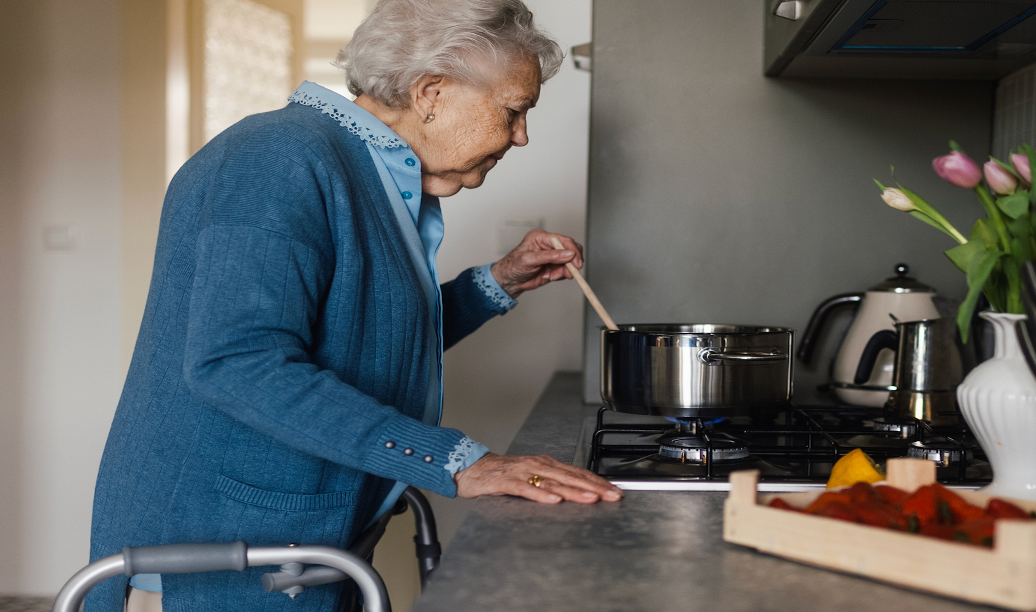
    • Leaving a burning stove unattended
    • Poor hygiene
    • Not wearing suitable clothing for the weather
    • Confusion
    • Inability to attend to housekeeping
    • Dehydration

    If you see these signs, it is time to work with that parent to get some additional care.

    Cognitive Health

    One of the biggest challenges to aging is the failure of cognitive health – the ability to think, process, and remember. Dementia from Alzheimer’s disease or another cause can severely impact the health and safety of a loved one, so it is important to look for signs of impairment. Memory loss, change in mood, taking longer to complete daily tasks, losing items or placing them in odd locations, and repeating questions are among the early symptoms that the NIH warns to look out for. There are many potential causes of these issues, so getting a proper medical assessment is critical for early treatment and intervention.

    Mental Health

    Older people suffer from mental health challenges, including anxiety and depression. As they slow down and become frailer, they may limit their social activities, and isolation can both increase mental health challenges and make them harder to identify. Where a relative may perk up for a phone call, their overall mental health might be in decline and need attention. In person, they might be more willing to open up about their struggle.

    Don’t Do it Alone

    Checking in with your loved one’s health care provider, minister and other sources of support is an excellent way to get a clear picture of the situation that your loved one may be reluctant to reveal. If they aren’t available during your visit, you may want to consider working with a professional to do an assessment. Trained social workers and other professionals with experience working with the elderly can help identify red flags and offer suggestions and solutions that may make life easier for your loved one.

    At CarePlus Home Health, we begin all of our relationships with clients by conducting a thorough in-home evaluation. We do not charge for this service, because we think it’s critical to establish trust and assess the situation to propose the right solution. If your loved one is located in Montgomery County, Howard County or Prince George’s County and you would like to schedule an in-home evaluation while you are in town, contact us today.

  • Understanding Bone and Joint Challenges

    Understanding Bone and Joint Challenges

    Our bones and joints become a source of potential serious injury as we age, and because last week was Bone and Joint National Action Week, everyone should be thinking about ways to care for these important body parts. Of course, a diet high in calcium and vitamin D are great for growing kids, but older adults need to continue to take these issues seriously. Here are some facts and tips to consider. 

    Bone and Joint Injury and Disease Facts

    According to the National Bone and Joint Initiative half of adult Americans suffer from musculoskeletal complications and many of these people require medical intervention for care. The National Institute on Aging (NIA), part of the National Institutes of health, identifies Osteoarthritis, falls and fractures, and Osteoporosis are among the most important health topics related to aging. Currently, there are some basic treatments for bone and joint injury and disease, but these conditions are often cumulative and degenerative, and the best that can be done is treatment of the pain and other symptoms.

    Prevention

    In addition to diet and supplements, the most significant way to prevent and alleviate bone and joint conditions is through a healthy lifestyle. Regular exercise strengthens muscles, which eases the strain on bones and joints. Luckily, it’s never too late to start, but if exercise hasn’t been a part of daily activities, it is important to consult with a physician before starting a new program. 

    Treatment and Care

    Individuals with debilitating bone and joint problems, including severe pain, can find their lives impacted in many ways. Simple tasks like laundry, cooking and cleaning can become major hurdles. In order to maximize independence and minimize pain, it is important to follow doctor’s orders about medication and treatment like physical therapy. Where an extra pair of hands can help with things that require dexterity like folding laundry or dicing vegetables, home health care can make a huge difference in continued life enjoyment. 

    At CarePlus Home Health, we work with clients to help them feel able to stay in their homes as long as possible. We do this by assessing their needs and providing trained, professional assistance to round out their lives in the ways that make the most meaningful impact. For clients with bone and joint challenges like arthritis, we can assist with meal preparation, laundry and other household activities that may be impacted. For more information about how we can help, contact us today for a free assessment. 

  • Living At Home With Alzheimer’s

    Living At Home With Alzheimer’s

    For adults with memory impairment like Alzheimer’s, change can be difficult, so it is no surprise that the prospect of moving out of the home and into a care facility is met with resistance. According to research published in the Journal of American Geriatrics, there has been an increased trend for people with dementia to prefer staying at home for as long as possible. However, staying at home presents some significant challenges, particularly for people who live alone. With some awareness and forethought, it is possible to stay at home. Here are some important considerations.

    Managing Activities of Daily Living

    As dementia progresses, many activities of daily living (ADL) become increasingly difficult. From grocery shopping to cleaning, household chores become confusing, and often they are neglected. In addition, personal care like bathing, dressing, and grooming can be forgotten or avoided. As dementia progresses, individuals require increasing assistance with ADLs, which may be beyond the capacity of family, especially if they don’t live together. It’s important to regularly assess the status of ADL abilities and make adjustments to meet increased needs. 

    Assuring Safety

    Individuals with Alzheimer’s suffer from progressive cognitive decline, which impacts many aspects of their safety. Something as simple as remembering to turn off a stove can be a major hazard for someone with memory and focus impairment. Since Alzheimer’s affects older adults, there can be physical challenges that are exacerbated by dementia, such as an inability to problem solve in the event of a medical emergency like a fall or a kitchen accident. Also, dementia can lead to “wandering” – where a person gets lost in their own neighborhood because they simply can’t remember where they live. With care and planning, each of these and many other safety elements can be addressed, and measures can be taken to adapt to increasing impairment as the disease progresses.

    Avoiding Isolation

    Loneliness and isolation are a problem for all people who live alone, but for people living with Alzheimer’s the consequences can have a real, negative impact on their continued ability to live in their own home. A recent Washington Post article identified a significant increase in individuals with Alzheimer’s who experienced isolation due to the COVID-19 protocols. Since dementia can make even simpler technologies difficult to manage, in-person contact is critical to the continued health and well being of people with Alzheimer’s. 

    In order to take care of these and other issues that impact people with Alzheimer’s living at home, we recommend beginning with a thorough assessment by a specialist in geriatric and memory-care concerns. The assessment should look at all of the factors in the home that might pose a difficulty or even a threat. Once the assessment is complete, there are a number of ways to address the findings. In-home care offered by trained specialists like our team at CarePlus Home Health can be an important part of the solution. Located in Montgomery County, our team is highly trained in the care, dignity and safety of our clients with Alzheimer’s. We offer in-home assessments as well as a wide range of customized services to best address the needs of each individual. Contact us to find out how we can help.

  • 3 Qualities to Achieve Excellence in Home Health Care

    3 Qualities to Achieve Excellence in Home Health Care

    More and more adults are choosing to stay in their homes, so they can age in place without the disruption of relocation. Health and safety challenges make this course of action impossible without help, and many people prefer to work with seasoned, trustworthy professionals to make sure their care is appropriate. When selecting home health care, an important balance of factors needs to be considered to make sure the experience is truly supportive. At CarePlus, we believe that quality home health care is made up of multiple factors, and we believe these three are essential.

    Expertise

    In the area of home health care, two types of experience are critical: health and hospitality. Geriatric health is a particular concentration in the medical field, and you want to make sure your caretakers know this area well. It also takes an extra level of compassion, care, and quality to go into a home and seamlessly become a part of daily living for an aging adult. Understanding how to make a home hospitable for an aging homeowner is a key to a successful relationship in home health care. Based on his years of experience in the hospitality industry, CarePlus Founder, Tom Najjar, recognizes the importance of a high level of quality care combined with customer service.

    Dignity

    As people age, their health may gradually decline, or in some instances, experience rapid changes in their health. Adapting to these changes with the help of home health care allows adults to maintain a sense of independence within their limits. With the ability to continue to make lifestyle choices and flexibility with support, as needs increase, adults can feel empowered to live their best lives. CarePlus recognizes these situations and is respectful and fully prepared to provide needed support.

    Comfort

    Whether it’s medication, groceries, a doctor visit or another service, a key to quality home health care is the comfort of the client as well as family and friends, who are concerned about the client’s well-being. Comfort comes in many forms. It can be a knowledgeable, experienced caretaker’s ability to help with medication and the activities of daily living. In addition, it may be the compassionate attitude of a caretaker who truly cares. Being a resource to the family, may also add peace of mind.

    At CarePlus Home Health we stand by our mission to deliver better care for a better life. We understand the trust being placed in our hands when our clients allow us to help them with their needs as they age. We look forward to the opportunity to bring Expertise, Dignity and Comfort to your home or the home of a loved one. For more information about our services, please contact us today.

  • Enhanced Senior Living Community Services

    Enhanced Senior Living Community Services

    At CarePlus, we are experts in home care services for older adults. When “home” is an independent living community, we offer individualized services to residents as well as community-wide programs that round out the experience of living in a safe, supported environment. By establishing a presence within a community, we are better able to meet needs by a customized approach to our clients and their families. 

    Independent Living 

    For seniors who want to maintain an active, independent lifestyle as long as possible, independent living communities are an excellent option. Catering exclusively to older adults, everything from the design of individual residences to a range of additional amenities like leisure activities, meal programs and healthcare facilities assure a healthy lifestyle in a supportive environment. According to SeniorHomes.com, there are 45 independent living communities in Montgomery County. 

    Where CarePlus Fits In

    As people age, their ability to manage some activities and tasks becomes more of a challenge. CarePlus supports independent living communities with a variety of offerings:

    Flex Care Services: We provide flexible care hours to residents at senior living communities. We can help with sheets/laundry, food prep, grocery shopping and housekeeping so residents can live independently and securely. We can be there for the small tasks. Residents can schedule as little as 30 minutes of assistance that can happen daily, weekly or occasionally. Whatever the need — we will be there.

    Wellness Center Program: CarePlus can set up a permanent wellness center on the premises or an “on the go” wellness pop up center according to need. We can do Blood Pressure checks, Zoom Lunch & Learns, Zoom health activities and much more. We also are able to support residents in crisis management, transitioning from hospital to home and supporting independent living.

    CarePlus tabling at a senior living community event

    Care Coordination Program

    We offer an onsite CarePlus coordinator to help support logistical needs of residents living in communities. In addition, we provide services for out of town families including transitions from hospital to home, rehabilitation and other logistical needs. 

    Personal Assistant Services/CarePlus Concierge: CarePlus offers specialty services to clients who need additional oversight and services. Groceries, supplies and other shopping needs can be done by our team independently or assisting a resident. We can schedule and attend doctor’s appointments, coordinate with multiple providers, and assist with insurance matters. 

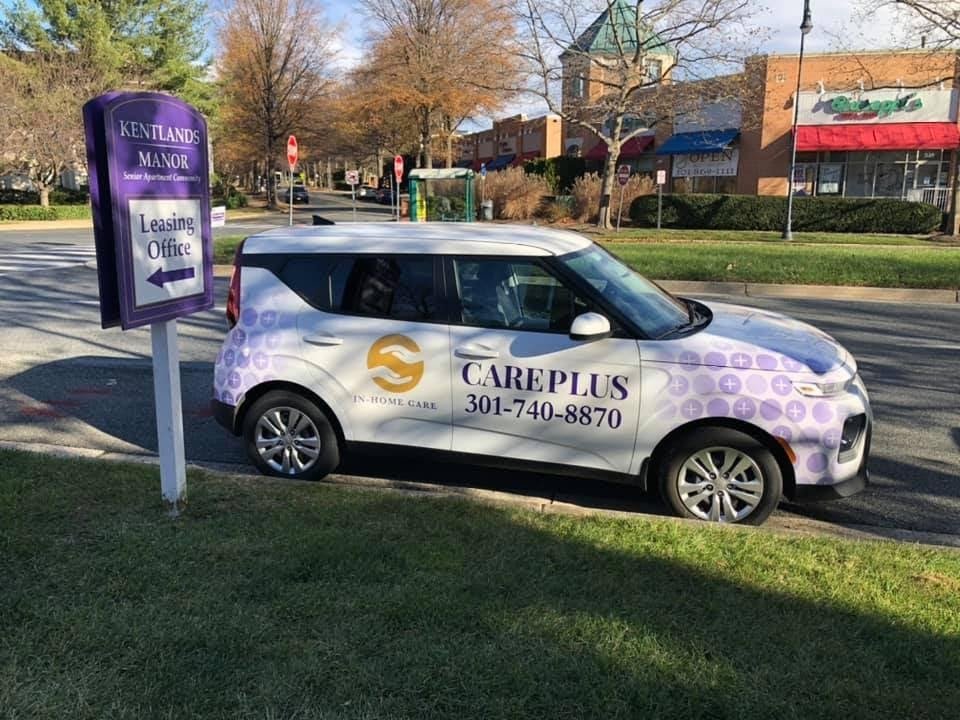
    a CarePlus vehicle outside a senior living facility

    Create Your Own Independent Living Community

    Through our Care Share program, we can help people to age in place in their neighborhood. By working with neighbors, older people can obtain some of the services we offer to independent living communities without having to move. These can include pop-up clinics, lunch and learn programs, and other activities that benefit a group. 

    CarePlus is committed to being a partner in aging in safety and dignity. We strive to bring the most customized and useful range of services to our clients and communities. To learn more about our Flex Care options email info@CarePlusInc.com.

  • Alzheimer’s & Brain Awareness Month

    Alzheimer’s & Brain Awareness Month

    June is National Alzheimer’s & Brain Awareness Month. This month CarePlus Home Health took part in programming that helped us raise awareness and support for Alzheimer’s Disease. 

    Alzheimer’s Disease is a progressive disease that damages memory and other important mental functions. Memory loss and difficulty thinking are common symptoms and contribute to mental decline. Some other symptoms are:

    • Problems with language, visualizing and spatial relationships 

    • Difficulty performing familiar tasks 

    • Disorientation with time and place

    • Poor judgment 

    • Attention issues

    • Changes in mood, behavior or personality  

    • Loss of desire or initiative

    Better Care, Better Health – Alzheimer’s Association National Capital Area Chapter


    Our CarePlus Executive Director, Andrew Ryan, sat down with Sheila Griffith, Program Manager for the National Capital Area Chapter of the Alzheimer’s Association. They discussed all of the exciting programs coming up for the Alzheimer’s Association including the Longest Day and the Alzheimer’s Walk!


    The Alzheimer’s Association National Capital Area Chapter offers many different resources to support you and your loved one in all stages of the disease. From support groups to educational programs, there is something to guide everyone through this difficult time. 

    CarePlus is here for you!

    Our services are adjusted to meet your needs. Whether you need us for a few hours a day, or 24/7, we can support you and your loved one. Our caregivers can help with memory care, lifestyle strategies, nutrition and daily living, physical stability, mobility and exercise, and fall prevention. 


    Let’s Get Started. Call us today at (301) 740-8870 or email us at info@careplusinc.com to discuss your needs. We are here 24/7 to help you.