Category: Independent Living

  • Springtime: Let’s Declutter, Reset & Take a Healthy Step

    Springtime: Let’s Declutter, Reset & Take a Healthy Step


    Declutter

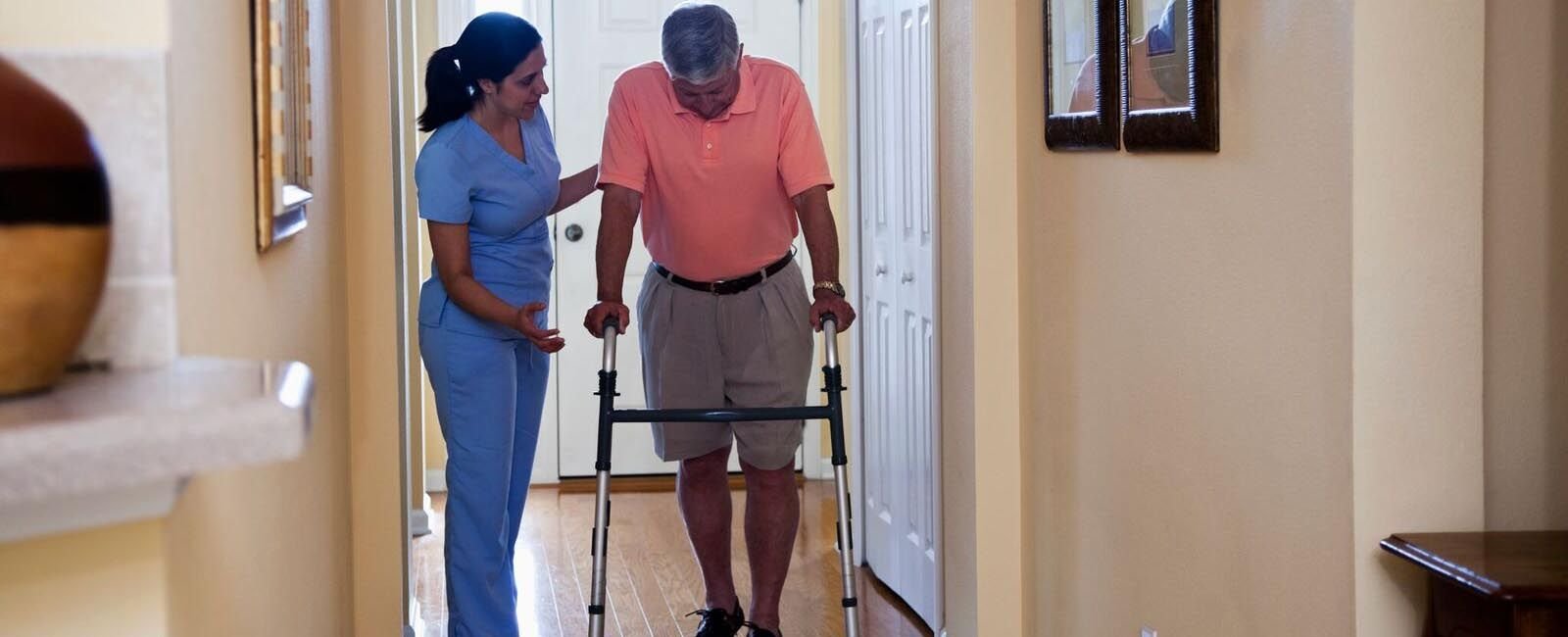
    Slipping on a rug, navigating a cluttered hallway, or missing a step are common ways independent older adults experience falls, often becoming the moment that shifts someone from independence to needing support.

    Most families don’t notice the risks until something happens. Being proactive can make a big difference. Spring is a smart time for a simple safety reset.

    A safer, calmer home does not require a major overhaul. A few focused changes can reduce fall risks, make daily routines easier, and help older adults feel more confident moving around at home. Small adjustments can help keep Mom or Dad safer.

    Start with the “high-traffic” areas — the paths your parent uses every day. Falls are not a normal part of aging, and CDC guidance includes removing trip hazards such as throw rugs and keeping floors clutter-free.

    If you only have an hour, focus on clearing walkways, moving cords out of the way and creating a simple “drop spot” for mail and packages so they don’t end up on the floor.

    When the basics are handled, the home feels safer, more comfortable, and less worrisome.

    If this has been sitting on your “to-do” list for months and you simply don’t have the time, consider bringing in help. Sometimes a little support goes a long way.


    Reset

    Take a moment to consider other areas that may be creating stress including transportation to medical appointments, housekeeping, meal preparation, or medication reminders.

    Companionship is another important consideration when aging in place, especially after the loss of a spouse. Isolation can quietly impact both physical and emotional health.

    CarePlus supports families with a variety of care levels designed to adapt as needs change. Having a caregiver provides hands-on, consistent support, often exactly what busy families need. A reliable presence can help manage daily tasks that keep both the home and your loved one safer.


    Healthy Steps

    Next, look at routines that build strength and confidence.

    A short walk outside , especially with a caregiver or family member, can be a simple way to add movement without feeling overwhelming. The CDC notes that regular physical activity helps prevent many chronic diseases, lowers the risk of heart disease and stroke, and supports independent living longer. “Moving Matters for Aging Adults”.

    Nutrition is also important, MyPlate has Unique Needs of People Ages 60+ and recommends:

    • Eating a variety of fruits, vegetables, grains, protein foods, and dairy (or fortified soy alternatives)
    • Choosing options lower in added sugars, saturated fat, and sodium

    Maintaining good nutrition and a healthy weight becomes increasingly important as we age.

    If you or a family member is aging in place and could benefit from support in maintaining a safe home, balanced meals, and healthy movement, CarePlus is here to help.

    Call 301-740-8870 or visit CarePlusInc.com.

  • Talking to Your Loved One About Getting Help at Home

    Talking to Your Loved One About Getting Help at Home

    The beginning of the year is a good time to reset and refresh. For our older adults aging in place, it is a good time to reassess their safety and their own ability to live independently in their current home. During the holidays, you may have noticed that a loved one was having difficulties with housekeeping, daily chores and/or every day activities. If life seems a bit overwhelming for an aging relative it may be time to consider support in the home.

    Approaching the Support Subject

    Your older loved one may be among the 75% of older adults who would prefer to stay in their home and continue to age in place. However, after a lifetime of managing for themselves, it can be hard for your loved one to admit that they need additional help. The emotional aspect of losing their independence along with the physical ability to manage a home, prepare meals, take out the trash, shower every day can be stressful. It is important to start the conversation — remember to meet your loved one where they are and begin the conversation by exploring your feelings and theirs. Approach the topic with care, concern, and curiosity. Listen to their responses and validate them before sharing your own feelings. Express a willingness to work with them on a list of priorities to support them so that they feel comfortable discussing. It starts with a conversation.

    Conversation & Consideration

    When observing an aging adult, what key considerations can help determine whether additional support at home is appropriate?

    • Health: Review your loved one’s medical needs, and assess whether they need help with medication, getting to doctor’s appointments, and other additional support
    • Safety: Do a 360 degree review of the home and identify specific ways that safety can be improved by installing grab bars, moving frequently used items to more accessible shelves, decluttering, or other changes that can make a real difference
    • Isolation: Considering the danger of isolation, discuss how much socializing your loved one is doing, and consider ways to prevent the mental and emotional drain of isolation
    • Daily activities: As we age, everything from bathing and dressing to cooking and cleaning can become more difficult. Assess whether immediate help is needed or talk about some eventual options when the time comes

    What’s next?

    Begin by creating a list of current concerns and prioritizing what feels most urgent. Focus first on the issues that affect safety, health, and overall well-being. Once priorities are identified, develop thoughtful solutions for the top concerns and introduce small changes gradually. Making too many adjustments at once can feel overwhelming, especially for an older loved one, so it’s important to move slowly.

    As changes are introduced, schedule regular check-ins to evaluate how things are going. Some ideas may seem right in theory but prove less effective in practice, making it necessary to adjust the approach. At the same time, new concerns may surface as routines shift. This ongoing evaluation allows you to modify the plan in a way that remains responsive and supportive.

    While rolling out changes over time can feel challenging, stability is essential for older adults, and sudden disruptions can increase stress or resistance. If your location or personal commitments make it difficult to be consistently present during implementation, working with a home care organization can help ensure the plan is carried out smoothly. Professional support can provide consistency, reassurance, and an extra layer of care—helping your loved one adjust while giving you reassurance.

    For more than 30 years, CarePlus has been providing home health care services including skilled nursing care, chronic disease management, post-acute and transitional care, daily activities, companionship and ongoing support, as needed.

    Contact us today to learn more.

  • 3 Qualities to Achieve Excellence in Home Health Care

    3 Qualities to Achieve Excellence in Home Health Care

    More and more adults are choosing to stay in their homes, so they can age in place without the disruption of relocation. Health and safety challenges make this course of action impossible without help, and many people prefer to work with seasoned, trustworthy professionals to make sure their care is appropriate. When selecting home health care, an important balance of factors needs to be considered to make sure the experience is truly supportive. At CarePlus, we believe that quality home health care is made up of multiple factors, and we believe these three are essential.

    Expertise

    In the area of home health care, two types of experience are critical: health and hospitality. Geriatric health is a particular concentration in the medical field, and you want to make sure your caretakers know this area well. It also takes an extra level of compassion, care, and quality to go into a home and seamlessly become a part of daily living for an aging adult. Understanding how to make a home hospitable for an aging homeowner is a key to a successful relationship in home health care. Based on his years of experience in the hospitality industry, CarePlus Founder, Tom Najjar, recognizes the importance of a high level of quality care combined with customer service.

    Dignity

    As people age, their health may gradually decline, or in some instances, experience rapid changes in their health. Adapting to these changes with the help of home health care allows adults to maintain a sense of independence within their limits. With the ability to continue to make lifestyle choices and flexibility with support, as needs increase, adults can feel empowered to live their best lives. CarePlus recognizes these situations and is respectful and fully prepared to provide needed support.

    Comfort

    Whether it’s medication, groceries, a doctor visit or another service, a key to quality home health care is the comfort of the client as well as family and friends, who are concerned about the client’s well-being. Comfort comes in many forms. It can be a knowledgeable, experienced caretaker’s ability to help with medication and the activities of daily living. In addition, it may be the compassionate attitude of a caretaker who truly cares. Being a resource to the family, may also add peace of mind.

    At CarePlus Home Health we stand by our mission to deliver better care for a better life. We understand the trust being placed in our hands when our clients allow us to help them with their needs as they age. We look forward to the opportunity to bring Expertise, Dignity and Comfort to your home or the home of a loved one. For more information about our services, please contact us today.

  • Enhanced Senior Living Community Services

    Enhanced Senior Living Community Services

    At CarePlus, we are experts in home care services for older adults. When “home” is an independent living community, we offer individualized services to residents as well as community-wide programs that round out the experience of living in a safe, supported environment. By establishing a presence within a community, we are better able to meet needs by a customized approach to our clients and their families. 

    Independent Living 

    For seniors who want to maintain an active, independent lifestyle as long as possible, independent living communities are an excellent option. Catering exclusively to older adults, everything from the design of individual residences to a range of additional amenities like leisure activities, meal programs and healthcare facilities assure a healthy lifestyle in a supportive environment. According to SeniorHomes.com, there are 45 independent living communities in Montgomery County. 

    Where CarePlus Fits In

    As people age, their ability to manage some activities and tasks becomes more of a challenge. CarePlus supports independent living communities with a variety of offerings:

    Flex Care Services: We provide flexible care hours to residents at senior living communities. We can help with sheets/laundry, food prep, grocery shopping and housekeeping so residents can live independently and securely. We can be there for the small tasks. Residents can schedule as little as 30 minutes of assistance that can happen daily, weekly or occasionally. Whatever the need — we will be there.

    Wellness Center Program: CarePlus can set up a permanent wellness center on the premises or an “on the go” wellness pop up center according to need. We can do Blood Pressure checks, Zoom Lunch & Learns, Zoom health activities and much more. We also are able to support residents in crisis management, transitioning from hospital to home and supporting independent living.

    CarePlus tabling at a senior living community event

    Care Coordination Program

    We offer an onsite CarePlus coordinator to help support logistical needs of residents living in communities. In addition, we provide services for out of town families including transitions from hospital to home, rehabilitation and other logistical needs. 

    Personal Assistant Services/CarePlus Concierge: CarePlus offers specialty services to clients who need additional oversight and services. Groceries, supplies and other shopping needs can be done by our team independently or assisting a resident. We can schedule and attend doctor’s appointments, coordinate with multiple providers, and assist with insurance matters. 

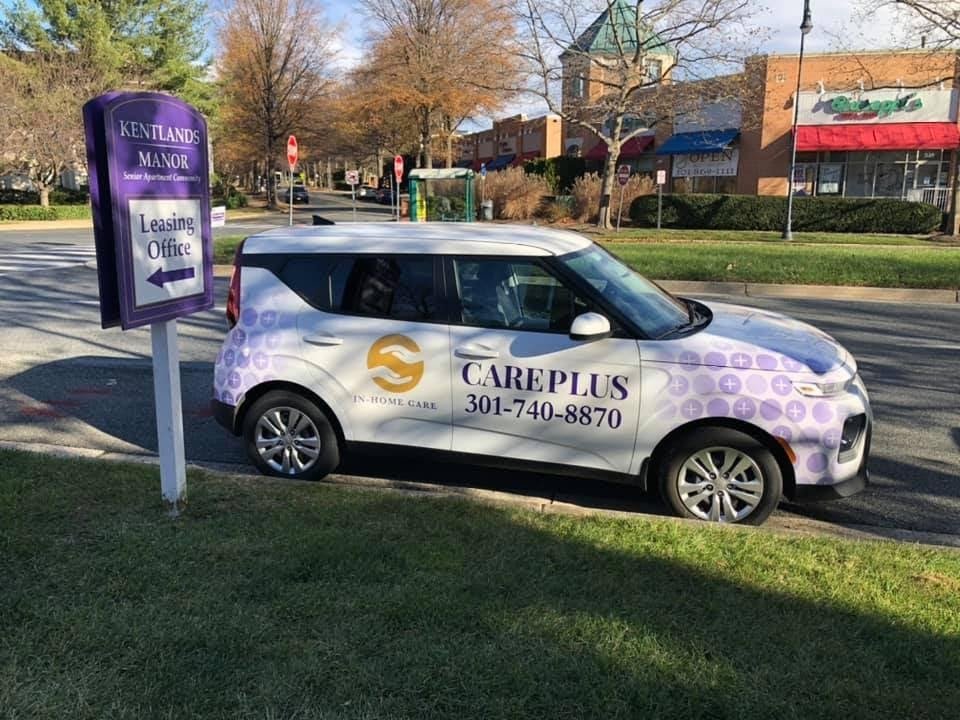
    a CarePlus vehicle outside a senior living facility

    Create Your Own Independent Living Community

    Through our Care Share program, we can help people to age in place in their neighborhood. By working with neighbors, older people can obtain some of the services we offer to independent living communities without having to move. These can include pop-up clinics, lunch and learn programs, and other activities that benefit a group. 

    CarePlus is committed to being a partner in aging in safety and dignity. We strive to bring the most customized and useful range of services to our clients and communities. To learn more about our Flex Care options email info@CarePlusInc.com.

  • Happy New Year 2018!

    Happy New Year 2018!

    Resolutions You Can Live With- Empowering Health and Wellness

    It is a New Year, and with it countless opportunities to renew, rethink and re-energize our commitments to take care of ourselves —and engage in wellness aging. After all, if you don’t do it, who will?

    In fact, The International Council on Active Aging (ICAA) provides an opportunity to rethink elder care, health, and wellness. Rather than focus on the management of disease and disorders, the concept focuses on empowering prevention and proactive strategies. The council identifies seven areas of wellness: emotional, intellectual/cognitive, physical, professional, environmental, spiritual and social.

    These seven pillars provide a strong support system for active aging. Any one, or all of them, can help you enhance your wellbeing and wellness aging. The more you try, the better!

    1. Emotional Wellbeing 

    The NIH notes that psychological wellbeing and health are closely linked as we age. Finding joy, happiness, coping with sadness/stress, and a sense of purpose provide a strong wellness component. When challenges are too great, the ability to reach out for support–with family and friends, or professionals, strengthen emotional wellness and wellbeing.

    2. Intellectual/Cognitive Engagement 

    Keeping your brain active can be fun and healthy! Try taking a class at your local senior center or community college, join a choir, learn something new, read a book, play board games (scrabble anyone?)  work on puzzles, or learn a new language. Your brain will not only appreciate the challenge, but the change of routine as well.

    3. Physical

     Check with your doctor first, and then find something that suits your style–walking, swimming, dancing, and weight bearing activities all help maintain good physical health. But wait–there’s more! Good eating habits, adequate sleep and healthy lifestyle choices support a sense of wellbeing and prolonged independence. And quite frankly, you just feel better. If you are unsure where to start–try your local YMCA, senior center or a community fitness center focused on intergenerational classes. 

    4. Professional

    Working? Volunteering? Stay engaged as long as you feel you can. Retirement is the perfect time to try new skills. Paid and unpaid work can provide a sense of accomplishment, socialization, and a wonderful contribution to the community.  The expertise and knowledge you share can be invaluable — and even life changing– to others. 

    5. Environmental

    Connecting with the environment–taking a walk, growing a garden, enjoying a walk in the park, recycling and respecting the planet all contribute to a sense of a connected wellbeing and purposeful sense of stewardship.

    6. Spiritual

    Whether it is personal, group, mindfulness, mediation or any form of connecting and strengthening your personal moral compass, research suggests a strong wellness benefit connection leads to better health.

    7. Social

    Social interactions are a key component to better health and wellness. Engaging in enjoyable activities with others—family, friends, volunteering and working support good emotional and physical health. The National Institute on Aging points to research that supports a “strong correlation between social interaction and health and well-being”.  Find time each day to connect with others to increase better health and wellness.

    So—welcome 2018 with the resolution to try some, or better yet all, of the above Seven Wellness Pillars. We know we will!

    Blog Sources: The National Institute of Health, National Institute on Aging, and the International Council on Active Aging.

  • Older Driver Safety Week

    Older Driver Safety Week

    The American Occupational Therapy Association has designated the week of December 4-8 as Older Driver Safety Awareness Week. 

    Why have a week dedicated to specifically to older drivers? Because adults over the age of 65 represent 40.1 million licensed drivers (National Highway Safety Administration).  According to the Center for Disease Control and Prevention, more than 6,800 older adults were killed in traffic accidents, while over 260,000 older adults were sent to emergency rooms for treatment. As the number of older adults continues to grow, so will these numbers.

    That’s why this week—older driver safety week– is so important. We all know people of different ages who should not be driving, but that is very different from asking someone who just turned 65 to turn in their drivers’ license.  

     Driving is not always about age—it is also about ability. What does that mean? It means that determining whether one should be driving depends on an assessment of health issues and medications. (Senior Driving, American Automobile Association).  Physical and mental health issues, as well as medications will impact not only the driver, but the safety of everyone else on the road. All drivers are responsible for maintaining good physical and mental health for the safety of others, and if they want to help extend their driving years.

    What can you do? The AAA recommends:

    1.     Keep yourself physically and mentally challenged. Take exercise classes, walk with friends, stay socially active, and keep your brain engaged.

    2.     Sign up for older adult driver classes. There are a variety of classes available in the community that offer driving courses specifically for seniors. These classes provide the opportunity to keep driving skills fresh, learn about the implications of medications and driving, review safe driving tips, implement comfort tips behind the wheel, and understand which physical changes affect driving.

    3.     Make sure your car is in good condition, and has the latest safety features. New features can help you parallel park, alert you when a car is close by, and provide backup cameras for greater visual awareness.

    4.     Know your options when it is time to drive less often, or stop driving entirely. There are many transportation choices to help keep you socially active and engaged. Learn what they are before you need them.

    And–watch out for self-driving cars! Probably the most exciting innovation we will see within five years will be driverless cars, expanding choice and independence for everyone.

    Remember, keeping our roads safe is everyone’s responsibility. We all have a responsibility to be safe drivers, and use other transportation options when our abilities change.

    Stay safe out there!

     
  • National Family Caregivers Month

    National Family Caregivers Month

    It is no coincidence that the month of November is not only Thanksgiving, but also National Family Caregivers Month.

    Having two very important events in one month, provides us the opportunity to give thanks together with family and friends for all that we are grateful for, as well as the time to honor and thankfamily, friends and colleagues who volunteer their energy to provide care for others.

    Volunteer caregivers contribute countless hours of companionship, support for personal needs, and other related services to help loved ones in need of assistance. Very often these humble volunteers never identify themselves as caregivers, and as a result never take advantage of services and support systems available to them to help support all that they do. Caregivers can find their role rewarding and fatiguing, heartwarming or discouraging, all at the same time.

    Do you know someone who is a tireless caregiver? If so, help celebrate their contributions and thank them for all that they do to help so many in need. Acknowledge that caregiving can be rewarding, but lonely and stressful as well. Let them know that there are people ready to support them as they navigate all of the highs and lows of helping others. Share with them the gift of these Ten Tips from the Caregiver Action Network (caregiveraction.org):

    1. Seek support from other caregivers. You are not alone.

    2. Take care of your own health, so you can be strong enough to take care of your loved one.

    3. Accept offers of help and suggest specific things people can do to help you.

    4. Learn how to communicate effectively with doctors.

    5. Caregiving is hard work so take respite breaks often.

    6. Watch out for signs of depression and don’t delay getting professional help when you need it.

    7. Be open to new technologies to help you care for your loved one.

    8. Organize medical information so it’s up to date and easy to find.

    9. Make sure legal documents are in order.

    10. Give yourself credit for doing the best you can in one of the toughest jobs there is!

    We, too, at CarePlus want to take this opportunity to thank all of the family caregivers for giving so much of themselves to care for others. We know this is not an easy job for you and we are here to help you in a variety of ways. Visit CarePlus Resources Here. Please do not hesitate to contact us for support, resources and services at 301-740-8870.

    At this time of year, all of us at CarePlus want to wish you and your family a very Happy Healthy Thanksgiving filled with joy, good health and fun!

  • Celebrate the Month of May!

    Celebrate the Month of May!

    Spring has finally arrived and with it a month full of Welcome Celebrations.

    On May 14, we join all our family and friends as we honor Mothers and thank them for their endless love, care and support. A Mother’s love has no limits and she is often our greatest fan. Thank you to Mother’s everywhere!

    We continue the celebration on May 15, as we begin our 23rd year proudly serving Mother’s (and loved ones) in the Washington, DC area. For these last 22 years, we have provided home care to support your family member to live independently if possible. The CarePlus mission is dedicated to assisting seniors, with maintaining their independence in the comfort and safety of their own homes, wherever home may be. We want to ensure that we help your mom get up in the morning, so you can sleep at night.

    We have always placed families first, and will always continue to do so as we grow and provide the services most needed by those in our community. Over the years the needs have changed, and wbvcxe have worked to provide services that meet those needs. More adults choose to age in place, or the community. Our home health care model helps increase successful aging in the home.

    With an experienced and caring staff, we are ready to provide support at tough times such as hospitalization, post discharge, rehabilitation and/or hospice care. We also provide personal care including meal preparation, bathing, medication reminders, safety assessments and assistance with daily living services.

    Our specialty care includes support for medical conditions related to Alzheimer’s and dementia, Amyotrophic Lateral Sclerosis (ALS); Cardiac Care; COPD/Pneumonia; Diabetes Management; Multiple Sclerosis and Parkinson’s disease.

    Our ongoing support services can help with Fall Prevention and our Skilled Nursing includes services for Medication Management, Wound Care, Ostomy Care Tube Feedings, Injections and Ventilator Care.

    We are here to provide that support for your Mother, you and your family when caring for a loved one.

    If you are experiencing a stressful situation or exploring future options for care, CarePlus is here to help, just call (301) 740-8870 to learn more.

  • Independent Living is not “Foolproof”

    Independent Living is not “Foolproof”

    Independent Living means freedom. The freedom to make choices and set one’s own schedule– prepare meals, shop at the grocery store, grab an ice cream cone, pay bills—truly get up and go anywhere at any time.

    While total independence is ideal, older adults may struggle keeping up with day to day tasks. When this happens, it is a good time to consider how additional elder care support can provide assistance for those forgotten chores. Additional support can provide the older adult an opportunity to continue to live independently with minimal and appropriate assistance. As health needs can change unpredictably, it is always a good idea to closely monitor the added care in the event additional services are needed. And, with the variety of support currently available, finding someone to help will extend the time one can live in a much beloved home and neighborhood.

    It would be ideal if everyone who needs support could ask for it, too many older adults feel uncomfortable acknowledging difficulties. Many fear that asking for help signals the loss of independence. In reality, adding support is a key component to extending independence. While it is quite clear that changes due to aging might complicate independent living, it does not have to end independent living.

    How can family and friends help?

    Family and friends are a big part of maintaining independence. The best way to help is to observe. Look for clues that loved ones would benefit from elder care assistance. Some are relatively small, but important: dishes in the sink long after a meal, stained clothing, clothing not appropriate for the weather, weight loss, change in telephone use, missed birthday greetings—changes to any behavior of daily life. Others are much more significant and could cause immediate harm: missed medications or medication mix-ups, missed bill payments, scorched pots and pans, and increasing confusion.

    Working together with family and friends is the best way to help older adults maintain a happy and healthy independent life.

  • Basic Storm Preparedness – For Any Season!

    These tips and tricks can help you stay prepared for bad weather in any season.
    • Stock up on bottled water. If the power goes out or the water supply is affected by the storm, you’ll need it!
    • Dig out your battery-powered radio and some flashlights. Even if we lose power, you’ll want to stay aware of what’s going on – and don’t forget to stock up on batteries to run them!
    • Charge your cell phones in advance. Also, if it becomes difficult or impossible to make phone calls in the wake of a disaster, try sending a text instead–they use less data than actual calls, and are more likely to get through.
    • Make sure you have plenty of non-perishable foods, especially things that don’t require refrigeration or heating. Keep your refrigerator closed as much as possible if the power goes out–conserve food!
    • Gas up your car. A full tank of gas is always a good thing to have, especially in emergency situations.
    • Keep a first-aid kit at hand. We all hope you won’t have to use them – but if worse comes to worst, make sure you have the supplies you need ready!
    • DON’T leave shelter during severe weather unless it’s absolutely unavoidable.
    • DON’T drive into standing water – flash floods are dangerous!
    • If you’re caught outside during severe weather, DON’T take shelter under a tree.
    • Move to a central part of your house in the event of a weather emergency such as a tornado or strong winds; stay away from windows and secure them as much as possible.
    • Check up on your neighbors, especially if they’re elderly, have young children, or are ill.