Category: Fall Prevention

  • The Key to Aging In Place is Awareness

    The Key to Aging In Place is Awareness

    A lifetime of memories builds up in a home, and people often prefer growing old where they raised their children and hope to spend time with the next generation. This rosy vision doesn’t always pan out when the challenges of aging arise, prompting older adults and their children to consider key factors such as home layout, health, and help available. These concerns could mean the difference between staying in the family home or making a late-in-life move.

    Look at the Layout

    Those doorframes with height lines are not the only legacy aspects of a family home. Most of the house was organized when young, strong adults moved in, and rearrangements were probably made to accommodate growing children. Aging in place requires a different design approach, including:

    • Cupboards need to be reorganized to make regularly used items more accessible. For example, cabinets that require a long reach or a stepladder should be avoided.
    • Furniture should be situated to allow easy circulation.
    • Clutter reduction can help make it easier to maintain cleanliness, which is safer for both balance and health.
    • Accessibility may include some minor remodeling (e.g., grab bar installation).

    The key is to identify safety, needs, access, and comfort for an older person with some infirmities. Additional reorganization may be needed for those with memory issues or other specific conditions.

    Healthy at Home

    Day-to-day living is a challenge for people with health concerns. Weakened physiques from heart conditions, arthritis, or osteoporosis may make it more difficult to manage household upkeep. Chores like cleaning, tidying, and grocery shopping require strength. An inability to keep up with these activities can lead to an unhealthy living environment, exacerbating the problem.

    Living in the family home has potential health impacts that increase over time.

    • Medications add up, and older adults often have a pharmacopeia to manage, and arthritis or memory issues can prevent the regular dosage most medicines require.
    • Appointments for medical visits can be difficult to get to when older eyes and reflexes should avoid driving, yet they are even more critical to attend.
    • Isolation becomes increasingly dangerous as people age, since mental health is impacted by loneliness, and minor accidents can be fatal.
    • Activity as simple as going for a walk requires more effort for a person impaired by health issues, but regular exercise, fresh air, and sunlight can promote well-being.
    • Daily Living becomes progressively harder with age, necessitating assistance with tasks such as dressing, hygiene, and cooking.

    Help is Available

    Despite the challenges, knowledge is power. Whether it’s a family member or home healthcare service, having support can make aging in place more feasible. Being strategic and proactive can allow an older person to live a safe and happy life in their home. CarePlus Home Health has been providing a comprehensive range of services customized to meet the needs of its clients in Montgomery County for 30 years. For its contributions to the community, CarePlus is the recipient of the Large Business of the Year award with the Greater Rockville Chamber of Commerce for 2024. Contact us today by calling 301-740-8870.
  • Bone and Joint Awareness in the Home

    Bone and Joint Awareness in the Home

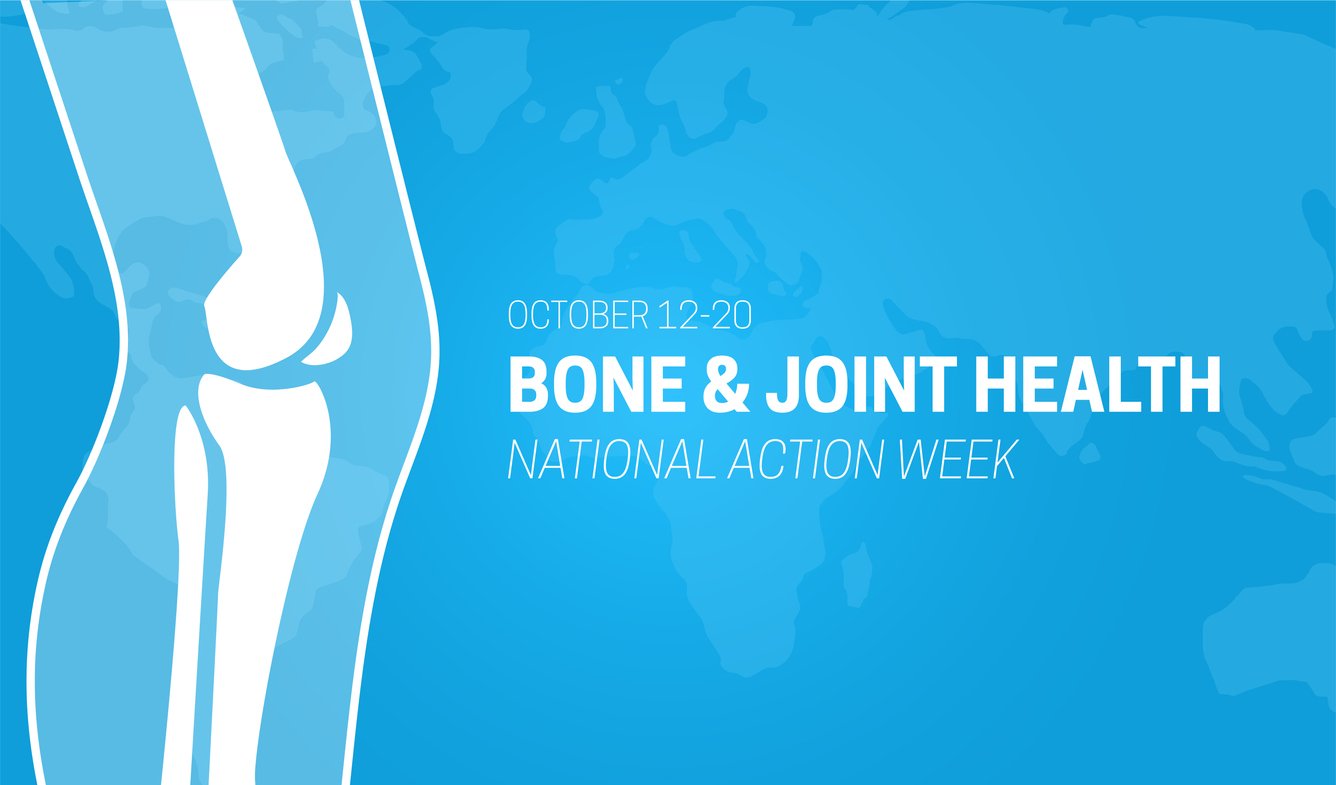
    October 12-20 is the annual Bone and Joint Action Week; bone and joint issues can be painful, stressful, and debilitating for many older people. Taking charge of bone and joint health and understanding ways to cope with bone and joint issues can make a huge difference in the quality of life for a person at risk or suffering from problems with these parts of the body. Here are some considerations.

    Some Facts About Bone and Joint Health

    According to the United States Bone and Joint Initiative, “Bone and joint conditions are the most common cause of severe long-term pain and physical disability worldwide, affecting hundreds of millions of people.” Bone and joint conditions include back pain, arthritis, traumatic injuries, osteoporosis, spinal deformity, and childhood conditions, which are predicted to become more common as life expectancy and other risk factors change. Many musculoskeletal conditions can only be treated, not cured, and often, they become progressively worse over time. It is critical to consult with medical professionals if bone or joint pain becomes an issue to diagnose and seek early intervention.

    Taking Action to Deal with Bone and Joint Health

    Aside from medication, there are many ways to cope with bone and joint conditions, including:

    • Stay Active: Regular exercise is crucial for maintaining healthy bones and joints. Consult with a healthcare provider before starting any new exercise program.
    • Balanced Diet: A well-balanced diet rich in calcium and vitamin D should include dairy products, leafy greens, fortified foods, and supplements if necessary
    • Maintain a Healthy Weight: Excess weight puts added stress on the joints, particularly the knees and hips. Maintaining a healthy weight can reduce the risk of developing joint problems or exacerbating existing ones.
    • Proper Posture and Body Mechanics: Practicing good posture and using proper body mechanics when lifting or performing daily activities can reduce the risk of strain or injury to the bones and joints.
    • Regular Check-Ups: Older individuals need regular check-ups with healthcare providers. They can monitor bone density and joint health and provide recommendations or treatments as required.
    • Medications and Supplements: If prescribed by a healthcare provider, medications or supplements like glucosamine and chondroitin may help manage joint pain and inflammation. Always follow your healthcare provider’s advice regarding these.
    • Fall Prevention: Falls can be especially harmful to older individuals with fragile bones. Make necessary modifications to your home environment to reduce the risk of falls, such as installing handrails and using non-slip mats.
    • Pain Management: If you’re experiencing joint pain or discomfort, consult with a healthcare provider for appropriate pain management strategies. This may include physical therapy, over-the-counter pain relievers, or prescription medications.
    • Emotional Well-being: Coping with bone and joint issues can be mentally challenging. Seek emotional support from friends, family, or support groups to help manage stress and improve overall well-being.
    • Assistive Devices: If mobility is limited, consider using assistive devices like canes, walkers, or wheelchairs to maintain independence and reduce the risk of falls.
    • Stay Informed: Stay informed about the latest research and treatment options for bone and joint health. Knowledge is a powerful tool in managing these conditions.

    Be Strategic and Proactive About Getting Help

    When bone and joint conditions begin to impact ordinary activities of daily living, it is essential to work on ways to minimize the impact on your quality of life. In addition to fall prevention for older adults living at home, many issues can interfere with safety and comfort. From something as simple as opening a child-proof medication bottle to lifting heavier cookware in the kitchen, bone and joint pain can interfere with ordinary activities. If this is the case, it is a good idea to consider getting in-home assistance designed to alleviate these challenges. It can be as simple as assistance with cooking, shipping, and medications or more comprehensive full-time care if mobility and capacity are significantly diminished.

    CarePlus has been delivering various services to the Montgomery County area for people who want enough help to manage their challenges due to aging or medical conditions without sacrificing their independence and comfort. Our Flex Care program and other Home Care services offer a critical measure of safety, attention, and peace of mind to older people living with bone and joint issues. Contact us to learn more about how we can help.

  • 3 Qualities to Achieve Excellence in Home Health Care

    3 Qualities to Achieve Excellence in Home Health Care

    More and more adults are choosing to stay in their homes, so they can age in place without the disruption of relocation. Health and safety challenges make this course of action impossible without help, and many people prefer to work with seasoned, trustworthy professionals to make sure their care is appropriate. When selecting home health care, an important balance of factors needs to be considered to make sure the experience is truly supportive. At CarePlus, we believe that quality home health care is made up of multiple factors, and we believe these three are essential.

    Expertise

    In the area of home health care, two types of experience are critical: health and hospitality. Geriatric health is a particular concentration in the medical field, and you want to make sure your caretakers know this area well. It also takes an extra level of compassion, care, and quality to go into a home and seamlessly become a part of daily living for an aging adult. Understanding how to make a home hospitable for an aging homeowner is a key to a successful relationship in home health care. Based on his years of experience in the hospitality industry, CarePlus Founder, Tom Najjar, recognizes the importance of a high level of quality care combined with customer service.

    Dignity

    As people age, their health may gradually decline, or in some instances, experience rapid changes in their health. Adapting to these changes with the help of home health care allows adults to maintain a sense of independence within their limits. With the ability to continue to make lifestyle choices and flexibility with support, as needs increase, adults can feel empowered to live their best lives. CarePlus recognizes these situations and is respectful and fully prepared to provide needed support.

    Comfort

    Whether it’s medication, groceries, a doctor visit or another service, a key to quality home health care is the comfort of the client as well as family and friends, who are concerned about the client’s well-being. Comfort comes in many forms. It can be a knowledgeable, experienced caretaker’s ability to help with medication and the activities of daily living. In addition, it may be the compassionate attitude of a caretaker who truly cares. Being a resource to the family, may also add peace of mind.

    At CarePlus Home Health we stand by our mission to deliver better care for a better life. We understand the trust being placed in our hands when our clients allow us to help them with their needs as they age. We look forward to the opportunity to bring Expertise, Dignity and Comfort to your home or the home of a loved one. For more information about our services, please contact us today.

  • Six Ways to Practice Fall Prevention During Home Falls Prevention Awareness Week (9/21-25, 2020)

    Six Ways to Practice Fall Prevention During Home Falls Prevention Awareness Week (9/21-25, 2020)

    We have all fallen and, perhaps, scratched a knee or dislocated a shoulder. It wasn’t a serious problem and we recovered. 

    However, for a senior, a fall can be serious, even fatal. Falls can diminish functions, cause loss of mobility, limit activities, fracture the hip, humerus, pelvis, and forearm. Based on CDC 2018 data, falls are the leading cause of injury-related death among adults 65 and older. The age-adjusted fall death rate is 64 deaths per 100,000 older adults, which is an almost 30% increase since 2009. The fastest-growing rate was among adults 85 and older.

    Falls Prevention Awareness Week is September 21-25, 2020. This is the perfect time to decrease the risk of falls by seniors by taking preventative measures that reduce risk factors. Here are several steps you can take during this week:

    1. Home safety measures: Install a stairlift, add more lighting, add motion-activated night light, clap on overhead lights, and motion-activated lamps. Make a risk zone list of places in the home where they may fall then commit these to memory. Stay away from these areas or take fall prevention measures to reduce the risk. 
    2. Install bed rails: Getting in and out of bed can be risky for some seniors. Bed rails reduce the chances of falling and also a way of anchoring them when they are ready to get out of bed. 
    3. Install bathroom safety accessories: The bathroom is the most dangerous place for seniors, especially due to wet floors. The addition of support bars next to the toilet and sink, non-slip rubber mats in the tub and front of the tub will make bathing much safer. 
    4. Walk-in tub: These types of tubs are much safer by allowing seniors to walk in and out without lifting their feet up and over the siding of a traditional tub. They can sit inside the tub and bathe as usual. 
    5. Wear practical shoes: Shoes that are at an angle or sit high can put them at a greater risk of falling. They can be difficult to walk in and are a fall risk. Instead, purchase slip-on shoes with arch support, and can be slipped on while standing or sitting.
    6. Speak openly with family and friends: There needs to be an open and honest conversation with the senior, their family, and caretakers. By setting up a communication system, everyone can work together to prevent falls. Have the grandchildren keep high-traffic areas clean and give the senior a cell phone they can use to contact them quickly. Lastly, the family should stop by as often as possible to check in on them. 

    Fall prevention is a team effort with family, caretakers, neighbors, and the seniors working together so they are safe. Use common sense and consult their physician on all safety measures that can be taken. All it takes are a few equipment installations and creating an efficient communication system to provide a safer home for your aging loved one. 

    CarePlus Home Health is one of Montgomery County, Maryland’s, most experienced home care agencies, providing assisted daily living, skilled nursing, 24-hour care, and stroke, dementia, and Alzheimer’s care. Our mission is to give professional and compassionate care to individuals, while helping them maintain their independence and quality of life, either in their home or in community settings. Please feel welcome to call us at 301-740-8870 or use our contact form to discuss your home care needs or those of an older loved one.

  • Reliable Caregivers To Help Support You…

    Reliable Caregivers To Help Support You…

    There is no doubt about it, when you think of the coldest month of the year, February comes to mind.  But along with the bitter cold comes a blast of warmth and support.

    February is, after all, a month filed with care and focus on many health and wellness topics including American Heart Health Month, World Cancer Day, Random Acts of Kindness Day and National Caregivers Day.  Not to mention, for chocolate lovers and sweethearts infused in the middle, the celebration of Valentine’s Day.

    How extraordinary that all of these holidays are celebrated in the same month! There is a good reason– these holidays share a common thread—they all focus on individuals, groups and people caring for others– whether through awareness, education, outreach and/or research.

    The American Heart association and World Cancer Day remind us of the need to raise awareness for those struggling with cardiac conditions and/or battling cancer. Just around the corner is Random Acts of Kindness Day which will certainly remind us to look for opportunities to reach out and help others, just because.  Then on the 3rd Friday of the month, National Caregivers’ Day, we recognize and understand the importance of professional caregivers and honor their dedication.  

    And, if you need assistance, we are here to help you by providing fall prevention assistance, personal care, skilled nursing, as well as caregivers for dementia care and other elder care needs.

    National Caregivers Day reminds us of the importance of serving the community.

    Services Include:

    caregiver

    dementia care

    elder care

    fall prevention

    skilled nursing

    Let’s kick off February, Go Eagles, with some love and care, sorry Patriot fans!