
Thank you to our guest blogger, Health Coach Kailee, for sharing some Nutrition Tips for National Nutrition Month.
Did you know that 68% of all diseases in the United States are diet related? This famous phrase “You are what you eat” has caught the attention of many people and made us start taking a look at what we eat on a daily basis. Giving your body the right nutrients every day and maintaining a healthy weight can help you lead a healthier and happier life.
Here are my top 4 tips for maintaining a healthy lifestyle:
- Eat a protein-packed breakfast within 30 minutes to 1 hour of waking up. By doing this it will help to wake up your metabolism first thing in the morning. Also by making sure there is a mixture of protein and healthy carbs in your breakfast you will start of your day by balancing your blood sugars, which keeps you from overeating later in the day.
- Eat often throughout the day! It is recommended to eat 5-6 mini meals about every 3 hours throughout the day instead of 3 large meals. By doing this it will help balance your blood sugars, which will reduce cravings. This method of eating also helps because you are not as hungry at the next meal so you tend to eat less.
- Make sure all of your meals and snacks have protein in them! It is important for all of our meals to have the proper amount of macronutrients (protein, carbs, fats); however, protein is one of the most important! When protein is absorbed into the body it sends a signal to your brain to decrease your hunger.
- Stay hydrated!! You should be drinking half of your body weight in ounces of water every day. And beware of the fruit juices and sodas…they are loaded with calories and sugar that we do not need. Drinking water on a daily basis will not only flush out toxins but it will also aid with digestion and constipation, improve your mood and increase your energy!
CarePlus promotes healthy lifestyles for the aging population. Again, thank you to Health Coach Kailee for being our guest blogger for March, National Nutrition Month. If you are interested in more information regarding nutrition and coaching services please contact Health Coach Kailee at 301-821-3116 or KaileeCMcClure@gmail.com.

 value every one of our veteran clients and work hard to provide the level of home care that makes their lives and their loved one’s lives easier. With our customized home and nursing care, along with senior and independent living, we can assist veterans and purple heart recipients with top level home care that takes place in the comfort of their own home.
 series of discomforts affecting the eyes, skin, muscles, joints, the musculoskeletal system and even the gastrointestinal tract. Juvenile arthritis is known as a pediatric rheumatic disease that describes various types of autoimmune and inflammatory conditions that can affect children under 16 years of age.
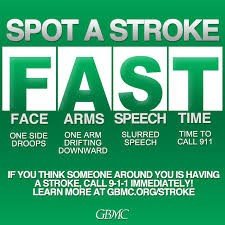 the No. 5 cause of death and a leading cause of disability in the United States.” [1] The sad thing about this statistic is that up to 80 percent of strokes can easily be prevented. How can you prevent this from happening to you or a loved one? Let us first take a look at what a stroke is.
 and progressive brain disorder that destroys memory and thinking skills which often leads to the inability to carry out daily tasks. Alzheimer’s disease can range from mild to severe and generally tends to worsen over time. To this day there is no known cure, but you can reduce your risk of cognitive decline by engaging in healthy lifestyle habits.
 predisposition. The majority of patients diagnosed with this disease are women and aged 20-50 years old. Common symptoms include fatigue, tingling and numbness, vertigo and dizziness, muscle weakness, and problems with balance.
 images to the brain. To catch this condition early, it is important to have yearly eye exams that include a glaucoma test. If straight lines appear distorted or wavy or there appears to be a blind spot or empty area in the center of your vision, you may have the signs of age-related macular degeneration (AMD). The disease affects the macula, the part of your retina that is responsible for central vision where the eye’s acuity is sharpest. The disease causes a blind spot that is right in the middle of your field of vision. If not treated early, consistently and aggressively, it can lead to blindness.
 of Heart Disease. If you are experiencing chest, neck, jaw or arm pain, frequent indigestion, or palpitations, you could have a heart condition.
 concerns are and we hope these tips will help.