Author: Julie Schumacher

  • Aging with Chronic Disease: In-Home Care in Bethesda & Montgomery County, Maryland

    Aging with Chronic Disease: In-Home Care in Bethesda & Montgomery County, Maryland

    Managing a chronic condition can feel overwhelming especially when it involves ongoing monitoring, medications, and lifestyle adjustments. For aging adults and their families in Bethesda, Montgomery County, and throughout Maryland, the right support can make all the difference.

    In-home care in Bethesda, MD offers an effective way to manage chronic disease providing clinical expertise and daily support all within the comfort of home.

    A Comprehensive Approach: Skilled Nursing & Home Care in Montgomery County, MD

    Chronic disease management as you age can be challenging.  Skilled nursing services can help provide additional support to aging adults and their families.

    Skilled Nursing Care at Home in Bethesda, MD

    Skilled nursing services can include:

    • Medication management
    • Wound care and injections
    • Monitoring of chronic conditions
    • Ongoing clinical assessments
    • Coordination with physicians and specialists

    As a client’s condition changes, the level of care adjusts ensuring the right support at the right time.

    In-Home Care Services in Bethesda, Maryland

    Home care services in Bethesda and surrounding areas support Activities of Daily Living (ADLs), including:

    • Bathing and grooming
    • Dressing
    • Mobility and fall prevention

    This support allows individuals to maintain independence while receiving the help they need.

    A Dedicated Clinical Care Team in Bethesda, Maryland

    For individuals living with chronic conditions such as diabetes, heart disease, COPD, and neurological disorders, continuity of care is an important component of care.

    Having a clinical team which includes Registered Nurses (RNs) and Licensed Practical Nurses (LPNs) provides:

    • Ongoing health assessments
    • Early detection of changes
    • Proactive interventions
    • Responsiveness to needs

    A clinical team to help support your family to assess and provide a care plan for your loved one, might avoid ongoing hospitalizations and readmittance.

    Aging in Place In The Comfort of Home

    For many seniors in Bethesda and Montgomery County, aging in place allows for greater comfort, stability, and emotional well-being.

    Receiving in-home senior care in Maryland helps individuals stay connected to their routines, their families, and their community while still receiving the medical support they need.

    Reducing Hospital Visits with Home Health Care in Montgomery County

    Living with a chronic condition often means frequent doctor visits, specialist appointments, and/or ER visits.

    A trusted home health care provider in Bethesda, MD can help reduce the stress by providing:

    • Transportation and appointment coordination
    • Post-hospitalization care and discharge plans
    • Medication oversight and adherence
    • Ongoing monitoring to prevent complications

    By focusing on continuity of care and being proactive with concomitant illnesses, you may be able to avoid unnecessary hospital visits and readmissions.

    Coordinated Care, Better Care

    Care teams work closely with physicians, specialists, clients, and families to ensure everyone is “in the know” and part of the process. This coordinated approach leads to:

    • More accurate care plans
    • Faster response to health changes and medication modifications
    • Stronger reassurance for family members

    Personalized Care Plans in Bethesda, Maryland

    Chronic disease management is most effective when individuals and families feel informed.

    In-home care services in Bethesda, MD may also include:

    • Physical therapy to improve strength and mobility
    • Occupational therapy to support daily function
    • Speech therapy for communication, swallowing and/or eating concerns

    Education is key to helping clients and families understand their condition, recognize early warning signs and be proactive in managing their condition.

    Each care plan is personalized and designed around medical needs, lifestyle, and goals, which takes into consideration recovery, underlying conditions and/or quality of life.

    In-Home Care in Bethesda, Maryland and throughout Montgomery County

    Living with a chronic condition can be challenging, with the right support, aging adults can continue to live safely, comfortably, and confidently at home.

    CarePlus provides comprehensive in-home care in Bethesda, MD and throughout Montgomery County offering skilled nursing, in-home care, and a dedicated clinical team to support every stage of chronic disease management.

    Call 301-740-8870 or contact us here.

  • Springtime: Let’s Declutter, Reset & Take a Healthy Step

    Springtime: Let’s Declutter, Reset & Take a Healthy Step


    Declutter

    Slipping on a rug, navigating a cluttered hallway, or missing a step are common ways independent older adults experience falls, often becoming the moment that shifts someone from independence to needing support.

    Most families don’t notice the risks until something happens. Being proactive can make a big difference. Spring is a smart time for a simple safety reset.

    A safer, calmer home does not require a major overhaul. A few focused changes can reduce fall risks, make daily routines easier, and help older adults feel more confident moving around at home. Small adjustments can help keep Mom or Dad safer.

    Start with the “high-traffic” areas — the paths your parent uses every day. Falls are not a normal part of aging, and CDC guidance includes removing trip hazards such as throw rugs and keeping floors clutter-free.

    If you only have an hour, focus on clearing walkways, moving cords out of the way and creating a simple “drop spot” for mail and packages so they don’t end up on the floor.

    When the basics are handled, the home feels safer, more comfortable, and less worrisome.

    If this has been sitting on your “to-do” list for months and you simply don’t have the time, consider bringing in help. Sometimes a little support goes a long way.


    Reset

    Take a moment to consider other areas that may be creating stress including transportation to medical appointments, housekeeping, meal preparation, or medication reminders.

    Companionship is another important consideration when aging in place, especially after the loss of a spouse. Isolation can quietly impact both physical and emotional health.

    CarePlus supports families with a variety of care levels designed to adapt as needs change. Having a caregiver provides hands-on, consistent support, often exactly what busy families need. A reliable presence can help manage daily tasks that keep both the home and your loved one safer.


    Healthy Steps

    Next, look at routines that build strength and confidence.

    A short walk outside , especially with a caregiver or family member, can be a simple way to add movement without feeling overwhelming. The CDC notes that regular physical activity helps prevent many chronic diseases, lowers the risk of heart disease and stroke, and supports independent living longer. “Moving Matters for Aging Adults”.

    Nutrition is also important, MyPlate has Unique Needs of People Ages 60+ and recommends:

    • Eating a variety of fruits, vegetables, grains, protein foods, and dairy (or fortified soy alternatives)
    • Choosing options lower in added sugars, saturated fat, and sodium

    Maintaining good nutrition and a healthy weight becomes increasingly important as we age.

    If you or a family member is aging in place and could benefit from support in maintaining a safe home, balanced meals, and healthy movement, CarePlus is here to help.

    Call 301-740-8870 or visit CarePlusInc.com.

  • Talking to Your Loved One About Getting Help at Home

    Talking to Your Loved One About Getting Help at Home

    The beginning of the year is a good time to reset and refresh. For our older adults aging in place, it is a good time to reassess their safety and their own ability to live independently in their current home. During the holidays, you may have noticed that a loved one was having difficulties with housekeeping, daily chores and/or every day activities. If life seems a bit overwhelming for an aging relative it may be time to consider support in the home.

    Approaching the Support Subject

    Your older loved one may be among the 75% of older adults who would prefer to stay in their home and continue to age in place. However, after a lifetime of managing for themselves, it can be hard for your loved one to admit that they need additional help. The emotional aspect of losing their independence along with the physical ability to manage a home, prepare meals, take out the trash, shower every day can be stressful. It is important to start the conversation — remember to meet your loved one where they are and begin the conversation by exploring your feelings and theirs. Approach the topic with care, concern, and curiosity. Listen to their responses and validate them before sharing your own feelings. Express a willingness to work with them on a list of priorities to support them so that they feel comfortable discussing. It starts with a conversation.

    Conversation & Consideration

    When observing an aging adult, what key considerations can help determine whether additional support at home is appropriate?

    • Health: Review your loved one’s medical needs, and assess whether they need help with medication, getting to doctor’s appointments, and other additional support
    • Safety: Do a 360 degree review of the home and identify specific ways that safety can be improved by installing grab bars, moving frequently used items to more accessible shelves, decluttering, or other changes that can make a real difference
    • Isolation: Considering the danger of isolation, discuss how much socializing your loved one is doing, and consider ways to prevent the mental and emotional drain of isolation
    • Daily activities: As we age, everything from bathing and dressing to cooking and cleaning can become more difficult. Assess whether immediate help is needed or talk about some eventual options when the time comes

    What’s next?

    Begin by creating a list of current concerns and prioritizing what feels most urgent. Focus first on the issues that affect safety, health, and overall well-being. Once priorities are identified, develop thoughtful solutions for the top concerns and introduce small changes gradually. Making too many adjustments at once can feel overwhelming, especially for an older loved one, so it’s important to move slowly.

    As changes are introduced, schedule regular check-ins to evaluate how things are going. Some ideas may seem right in theory but prove less effective in practice, making it necessary to adjust the approach. At the same time, new concerns may surface as routines shift. This ongoing evaluation allows you to modify the plan in a way that remains responsive and supportive.

    While rolling out changes over time can feel challenging, stability is essential for older adults, and sudden disruptions can increase stress or resistance. If your location or personal commitments make it difficult to be consistently present during implementation, working with a home care organization can help ensure the plan is carried out smoothly. Professional support can provide consistency, reassurance, and an extra layer of care—helping your loved one adjust while giving you reassurance.

    For more than 30 years, CarePlus has been providing home health care services including skilled nursing care, chronic disease management, post-acute and transitional care, daily activities, companionship and ongoing support, as needed.

    Contact us today to learn more.

  • CarePlus – A Best of Bethesda 2026 Finalist for In Home Health Care

    CarePlus – A Best of Bethesda 2026 Finalist for In Home Health Care

    We are honored and grateful to be recognized as a 2026 Best in Bethesda finalist adding to our 2024 and 2022 acknowledgements in the Bethesda Magazine Readers’ Pick, Finalist category for Best In Home Health Care. We are proud to provide quality, reliable, and compassionate care to aging adults and their families in Bethesda and the surrounding region. For over 30 years, CarePlus has been a trusted partner in delivering exceptional in-home and clinical care, and we are dedicated to continuing to care for the aging adults in our community.

    A Better In-Home Care Experience

    Aging adults deserve to live with dignity, independence, and the highest quality of life possible. ​ At CarePlus, our care is designed to help achieve this goal. We are a licensed Level 3 RSA (Residential Services Agency) whose team balances compassionate care, personal interests, and overall wellness to help support aging in place.  In times of need, CarePlus priorities care to ​ support recovery, manage transitions, or prevent hospital readmissions.

    Our team includes highly trained Registered Nurses (RNs), Licensed Practical Nurses (LPNs), and Certified Nursing Assistants (CNAs) that work closely with our leadership team.​ From catheter, ostomy, and wound care to medication management, IV therapy, and ventilator support, we provide both home care and skilled nursing services, adapting to meet health needs as they change.

    A Better Clinical Care Team

    Led by our Chief Clinical Officer, Dr. Heather Najjar, our clinical care team has the experience necessary to support the needs of aging adults with a range of complexities. ​ Our coordinated care model functions across environments from senior living communities, hospitals, and rehabilitation centers to adults aging in place. ​ Whether it’s short- or long-term services, discharge and transitional care, post-surgical care, or respite care, we can support families throughout Montgomery County and Prince Georges County.

    Expertise You Can Trust

    Our clinical expertise spans a wide range of medical conditions, including neurological disorders such as ALS, MS, Parkinson’s, and Alzheimer’s, as well as stroke, cardiac conditions, COPD, respiratory care, and diabetes management. ​ Our dedicated professionals have experience and ongoing training that allows them to address and manage these conditions and meet the needs of our clients.

    Partnering for Better Outcomes

    By partnering with families and providing in-home care, we focus on reducing fall risk, supporting proper nutrition through meal preparation, encouraging safe exercise routines, offering medication reminders, and—when needed—providing transportation to medical appointments. Our goal is to promote health, safety, and overall wellness as aging adults grow older.

    We partner closely with senior living communities as a trusted, preferred provider, offering timely and dependable supplemental care for residents who need additional support. Our one-on-one services promote recovery, reduce readmissions, minimize fall risk, especially during evening hours, and support additional care needs.

    CarePlus Best of Bethesda

    Thank you for all your support. Together, let’s continue to support aging adults with care, respect, and compassion.

     Contact CarePlus, we’re here to help.

  • Tips for Older Adults Preparing for the Winter Months

    Tips for Older Adults Preparing for the Winter Months

    The weather this Fall has not done much to signal the coming winter, but as the days grow shorter, it is time to start thinking about the coming months. Older adults living at home need to consider significant risks to their safety and well-being. With Winter comes challenges to health and well-being, but with a little planning and some practical steps, it’s possible to get ready for winter asap.

    Line Up Your Outdoor Safety Measures

    Clear Leaves

    The transition from Summer to Fall means a switch of yard equipment from a mower to a rake. Today’s fallen leaves can become a slip and fall hazard with the Autumn rains and into the Winter months, especially when they are hidden under the snow. If you have mobility issues or other health concerns, consider hiring a landscaping or home care service to do the job in time for leaf collection. Montgomery County generally has two leaf collection dates in early November and December.

    Hire a Snow Removal Service

    Even the lightest snowfall can be overwhelming for older adults who have trouble with the intense physical labor of shoveling and clearing. Many companies offer snow and ice removal services, but their schedules fill up and their prices rise once the Winter snows have begun. It is worth confirming that you have this service in place in the Fall so that you can rest easy in the Winter.

    Install Bannisters and Grab Bars for Outdoor Safety

    Walkways and steps become dangerous with rain, ice, and snow. Take some time to review your outdoor areas for good places to install or repair banisters and grab bars. If you’re unsure how or where to install them, a handyman or home care provider can assist with the process.

    Don’t Wait to Pick Up Safety Supplies

    Frosts can catch you by surprise, so before Fall starts heading towards Winter, make sure that you have plenty of de-icing materials. Rock salt, sand, kitty litter, or other alternatives can be scattered on steps and sidewalks to make them safe to use. While stocking up, consider adding some additional essentials, such as warm blankets, flashlights, extra batteries, and a well-stocked medicine cabinet, to avoid last-minute runs in bad weather. Additionally, stock your pantry with basic, non-perishable supplies, such as bottled water, paper products, and cleaning supplies, in case you get snowed in.

    Strategize to Avoid Isolation

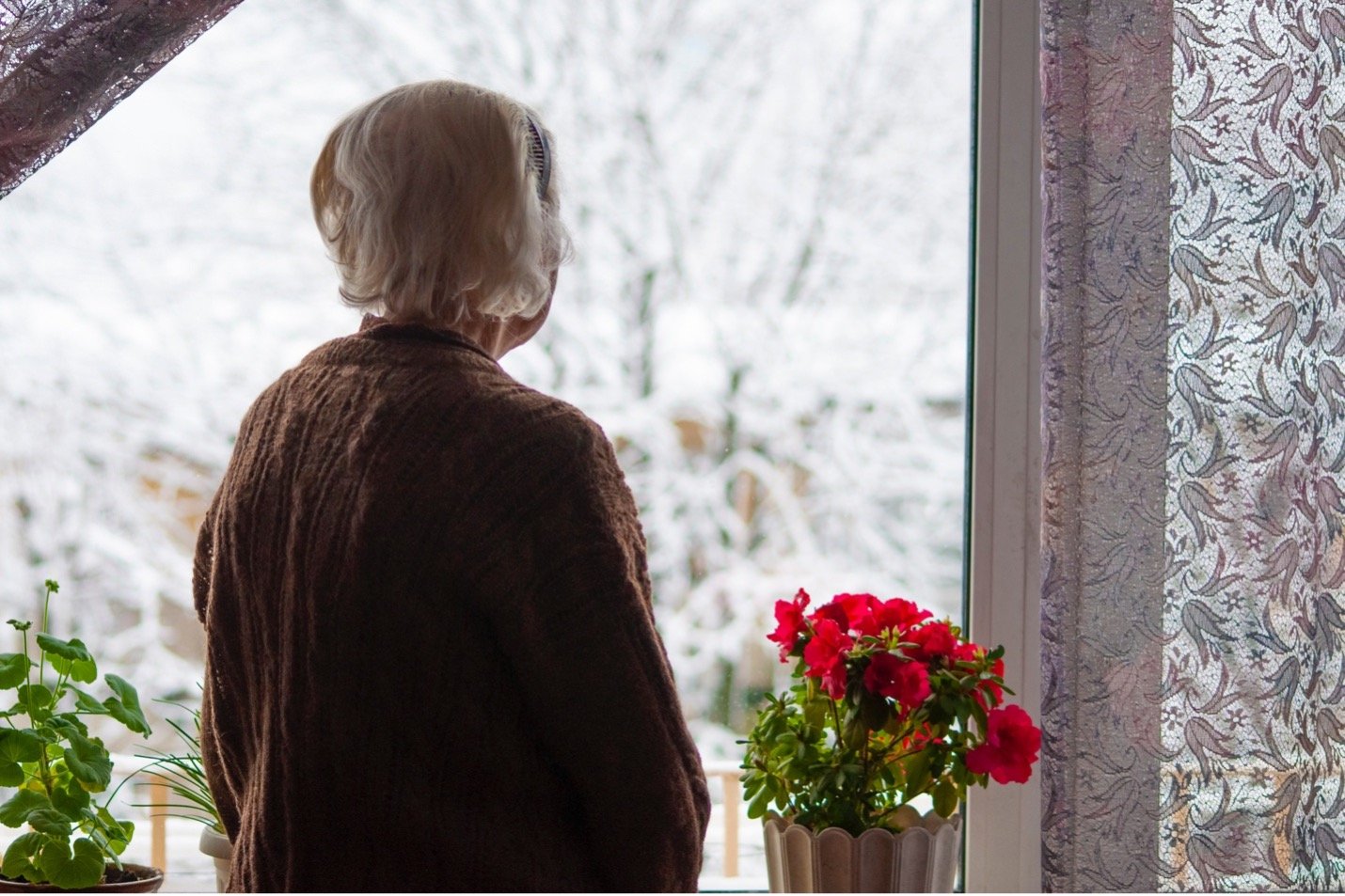
    The reduced daylight and worsening weather can lead to isolation, which can be particularly challenging for older adults living at home. Studies have shown that isolation can lead to depression and additional negative health outcomes. Plan to stay connected to friends, family, and your community through regular phone calls, video chats, or in-person visits if possible.

    Homecare Companionship: A Supportive Option

    If you find yourself spending more time alone or struggling with daily tasks, home care companionship is a wonderful option. Professional caregivers can provide everything from friendly conversation to assistance with chores, errands, and personal care. Not only do they help with practical needs, but they also offer meaningful social interaction, making the winter months more enjoyable and less lonely.

    Now is the perfect time to get ready for winter’s challenges. With a little planning and preparation, you can make it through the winter season in comfort, safety, and companionship.

    For over 30 years, CarePlus Inc. has been offering homecare services and advice to residents of Montgomery County and the surrounding area.

    To learn more, please call 301-740-8870 or visit CarePlusInc.com.

  • The Holidays Offer A Chance to Ensure Your Loved One’s Well-Being

    The Holidays Offer A Chance to Ensure Your Loved One’s Well-Being

    Life can get busy, and sometimes the holidays are the only certain time that families can come together, share traditions, and create lasting memories. Between busy work schedules, raising children, and daily responsibilities, the holidays may be the only time of the year to pause and prioritize time with those we care about most. For seniors who live alone or far from family, these visits can be especially meaningful. Not only do they help reduce feelings of isolation, but they also give families a chance to notice important changes that might indicate a need for extra support.

    Risks and Challenges Faced by Older Adults

    As our loved ones age, they can face a range of physical, emotional, and health-related challenges. Sometimes, these problems develop gradually and can go unnoticed without regular, close interactions. That’s why taking time during family gatherings to observe and engage with elderly relatives is so important. It can make a critical difference to catch the early signs that someone needs help before a serious problem arises.

    10 Signs an Elderly Person May Need Help

    Holiday visits are the perfect time to gently assess how your loved one is doing. Here are ten signs that may indicate an older adult could use additional support:

    1. Noticeable weight loss or gain
    2. Unsteady walking or frequent trips and falls
    3. Neglected personal hygiene or unusual odor
    4. Unpaid bills, unopened mail, or confusion with finances
    5. Expired or unused medications, missed doses
    6. Difficulty keeping up with housework or clutter piling up
    7. Changes in mood, withdrawal, or signs of depression
    8. Unexplained bruises or injuries
    9. Forgetting appointments or important dates
    10. Loss of interest in hobbies or social activities

    If you notice one or more of these signs, it may be time to have a conversation about their needs and how best to support them.

    How to Talk to Older Relatives About Their Needs

    The transition from being parented to caring for our parents can be difficult for everyone. After all, our aging relatives have a lifetime of competence to convince them that they do not need help, and they are used to being the advisors. In addition, discussing sensitive topics like health and independence can feel like an interruption of a time of celebration. Begin from a place of empathy and respect, and be prepared to listen. When you start by expressing your care and concern and use specific examples of what you’ve noticed, you can diffuse denial or defensive reactions. Offer reassurance that your goal is to support their wishes to remain safe and comfortable at home. Rather than making decisions for them, invite them to a dialogue in which they can share what kind of help they feel would be most beneficial to them.

    Many seniors prefer to age in place, and with the right resources, it’s possible to do so safely and comfortably. If your loved one could use extra support, there are many options available that allow seniors to continue living independently while getting the help they need. Home care services can provide assistance with daily tasks, medication management, transportation, and companionship, and these services can be customized the specific needs of each family.


    Contact CarePlus to learn more about how we can help.

  • CarePlus, Best of Bethesda

    CarePlus, Best of Bethesda

    It’s that time of year! Annually, Bethesda Magazine invites readers, supporters, and the local community to cast their votes in their Best of Bethesda Readers’ Poll. This year will be a single round voting process, covering a wide range of categories—from pet trainers to private schools—the poll serves as a resource for finding top services and businesses in Bethesda and the surrounding areas. Voting for the 2026 campaign opens on August 4, 2025, and closes on September 7, 2025. Winners will be announced in October, with the results featured in the January/February issue, available in both print and digital formats in December 2025.

    Vote CarePlus for Best of Bethesda

    A winner and finalist in the Health & Wellness group for In-Home Health Care Services in prior years, CarePlus Home Healthcare has been offering high-quality services to the Bethesda community for over thirty years. CarePlus prides itself on providing a better in-home experience for people who need support, including older adults and those recovering from medical issues. CarePlus provides in-home services for individuals aging in place, senior living communities and hospital or rehabilitation transitions.

    CarePlus understands that each person and family is unique and offers flexible, customized services based on a careful, thorough assessment of the client’s needs. Through listening and understanding the range of needs that might exist, CarePlus is able to offer the best possible solutions to meet clients where they are. The CarePlus team includes: Registered Nurses (RNs), Licensed Practical Nurses (LPNs), Certified Nursing Assistants (CNAs) under the supervision of Dr. Heather Najjar, Chief Clinical Officer of CarePlus. The team in trained to address complex issues like dementia, Parkinson’s disease, and strokes. Their services range from assisting with activities of daily living to skilled nursing and end-of-life care.

    As caregivers, advocates, and advisors, CarePlus offers a partnership with individuals and families to make certain that their home life is safe, comfortable, and dignified and promote independent living.  Clients share about their experience with CarePlus, referring to them as “wonderful and extremely supportive,” “kind, attentive,” and “there for me in every way that I need.”

    Thank you in advance—let’s make it happen together!

    VOTE HERE FOR CarePlus as best In-Home Care Service in Health & Wellness section of the Bethesda Magazine Readers’ Poll.

  • Protecting Seniors from Scams

    Protecting Seniors from Scams

    As people age, their skills, expertise, and experience become valuable resources for the younger generations. However, they also become targets for unscrupulous people who believe that older adults have vulnerabilities that can be exploited and accumulated wealth that is ready for the taking. It is important to understand why this occurs, how scammers operate, and what can be done to protect older individuals from scams.

    Why Are Older People Targets For Scammers?

    After a lifetime of work and savings, people in their retirement years have savings, pensions, and assets that make them a tempting target. This new phase of life involves careful management of these assets, which is a change from the regular new income source of a paycheck or an active business. Older adults have to learn to live within a budget, even though their accounts are plentiful, because the resources are finite. It can be tempting to make big expenditures, and scammers are ready to take advantage of the temptation.

    This changed financial environment is coupled with additional risk factors for being targeted by scammers. In a constantly changing world, new technologies can be harder to assimilate, making it more challenging for older adults to recognize when new technologies are being used to deceive them. Older adults often experience loneliness, so they may be more willing to engage with seemingly friendly strangers. Finally, some older adults experience cognitive decline, which can impair their judgment and decision-making.

    These factors add up to a fertile environment for scammers. Here are some examples of common scams:

    • Impersonation Scams: Scammers pose as government officials, such as IRS agents or social security administrators, to steal personal information or money. Modern AI can even impersonate voices, convincing the listener that they are being solicited by someone they know.
    • Telemarketing Scams: Fraudulent telemarketers sell fake products or services by phone or sophisticated email/web campaigns, convincing seniors to provide credit card information or make payments.
    • Healthcare Scams: Scammers offer bogus medical treatments or equipment, preying on seniors’ health concerns and extracting money for non-existent services.
    • Charity Scams: Fraudsters pose as representatives of charitable organizations, exploiting seniors’ generosity to solicit donations for fake causes.
    • Investment Scams: Seniors are targeted with promises of high returns on investments, leading them to invest in fraudulent schemes and lose their savings.

    Spotting the Scam

    Everyone should be attuned to the signs that scammer is trying to take advantage. These can make the recipient wary of whatever is being offered or sought.

    • Unsolicited Contact: When a phone call, email, or visit from a stranger offers services or requests personal information, be on your guard. (A reminder, if you do not recognize the number, you don’t need to answer. If it’s important, the caller will leave a message).
    • Pressure Tactics: Scammers often use high-pressure tactics to rush decisions. Legitimate organizations give you time to think and consult others.
    • Too Good to Be True: Offers that seem too good to be true usually are. Be skeptical of promises of easy money, guaranteed returns, or miraculous cures.
    • Request for Personal Information: Never share personal information, such as Social Security numbers, bank account details, or passwords, over the phone or online.
    • Poor Grammar and Spelling: Many scam communications contain grammatical errors and misspellings, indicating they are not from legitimate sources.

    Let’s Support Older Persons at Risk

    Forewarned is forearmed, and this applies to anyone who has loved ones in their golden years. Have a conversation with the older people in your life and share information about scams and scammers so they can be aware and on the lookout. Make yourself available to them if anything seems suspicious. Without questioning their judgment, be open to conversations, questions, and concerns so that they feel comfortable coming to you if they suspect something is suspicious. Help older people with technology safety, like using stronger passwords, maintaining a generic voicemail, and exercising caution on social media. Help your loved ones to regularly monitor their bank and credit card statements for unauthorized transactions. If you feel an older person has been the victim of a scam, report the scams to the local authorities and consumer protection agencies.

    An excellent local resource is the Montgomery County Aging and Disability Resource Unit, which can be reached at 240-777-3000. State, Federal resources for older adults are also available. If you have a loved one who you think might be at risk for exploitation by a scammer, you might also consider accessing additional private resources like home care.

  • Spring is a Great Time to Check in With Yourself

    Spring is a Great Time to Check in With Yourself

    The trees are starting to bloom, and we are getting warmer days. March is a time when nature starts bringing new energy and life. It also happens to be a month when national awareness is drawn to important issues like sleep, nutrition, and brain health. For older adults, these awareness campaigns are a great time to take a look at habits to promote overall health with a focus on these areas.

    Nutrition and Aging

    Nutrition is vitally essential to health throughout our lives, and it’s particularly crucial to help maintain and improve health as we age. Good nutrition can help with issues like chronic illnesses such as heart disease and cancer, improve physical strength, and enhance cognitive function. Here are three easy steps to incorporate better nutrition into your daily routine:

    1. Balanced Diet: Your meals should include a variety of fruits, vegetables, lean proteins, whole grains, and healthy fats.
    2. Hydration: Hydration impacts many bodily functions, including alertness and memory. Try to hydrate by drinking water or consuming water-rich fruits and vegetables.
    3. Regular Meals: Eating at regular intervals helps maintain energy, and this habit prevents both overeating and neglecting nourishment.

    Sleep and Aging

    Contrary to the myth that older adults need less sleep, the National Institute on Aging recommends that older adults get seven to nine hours of sleep each night. Sleep helps restore energy, repair tissues, and consolidate memories. Since sleep patterns can change with age, it can grow harder to fall and stay asleep. Here are three tips to improve sleep hygiene:

    1. Consistent Sleep Schedule: Establish a regular sleep schedule by going to bed and waking up at the same time every day, including weekends. This helps regulate your body’s internal clock.
    2. Sleep-Friendly Environment: Create a restful sleep environment by keeping your bedroom cool, dark, and quiet. Use comfortable bedding and eliminate distractions like electronic devices.
    3. Relaxation Techniques: Engage in calming activities before bed, such as reading, meditating, or taking a warm bath. Avoid stimulants like caffeine and nicotine in the evening.

    Brain Health and Aging

    Brain health is the key to maintaining cognitive abilities and preventing neurological disorders. A healthy brain supports memory, decision-making, and emotional well-being. Here are three straightforward steps to boost cognitive health:

    1. Mental Stimulation: Keep your brain active by engaging in activities like puzzles, reading, and learning new skills.
    2. Social Interaction: Staying connected to others can help prevent cognitive decline. Spend time with friends and family, participate in group activities, and join clubs or organizations.
    3. Physical Activity: Regular exercise increases blood flow to the brain and encourages the growth of new brain cells. Whatever your level of fitness, find routines that allow for at least 30 minutes of physical activity most days of the week.

    Reset and Refresh for Healthy Aging

    Spring is the perfect time to focus on resetting and refreshing our habits to support healthy aging. By making small but significant changes in our daily routines, we can enhance our nutrition, improve our sleep, and boost our brain health. These efforts will contribute to a more comfortable and safe aging process. If you require additional support, CarePlus offers services to help you implement these steps effectively. From meal prep assistance to sleep hygiene routines and cognitive support, CarePlus is committed to helping you achieve your health goals and embrace healthy aging.

    Contact us today to learn more.

  • Is it Time to Assess Your Living Situation and Consider In-Home Care?

    Is it Time to Assess Your Living Situation and Consider In-Home Care?

    As the summer draws to an end and the days grow shorter, it’s natural to consider what changes might be needed to prepare for the coming seasons. This change can turn into a broader reflection on more significant changes that might be necessary in our lives, which is particularly important for people who are getting older and want to continue living comfortably and safely in their homes. As we age, our needs evolve, and adjustments to support our well-being and independence are essential. One significant step in this direction is considering in-home care.

    Recognizing the Need for In-Home Care

    Staying at home while growing older, or “aging in place,” is a priority for many older adults. Moving to new housing can mean giving up on memories, a familiar community, and proximity to a lifetime of cherished friends, services, and activities. However, aging in place can be a challenge since most people do not live in homes that are adapted to the needs of older adults. It is critical to identify these needs and recognize when additional support can help maintain a high quality of life. Consider some of the following issues:

    1. Difficulty with Activities of Daily Living (ADLs). Routine tasks like cooking, cleaning, or bathing may feel overwhelming or even impossible. They bring greater risk when a person is physically frail or has memory challenges. If you or a loved one is struggling with ADLs, in-home care can provide the necessary assistance to maintain independence.
    2. Frequent Falls or Mobility Issues. Balance and coordination can deteriorate with age, increasing the risk of falls, which can have severe consequences on older bones. In-home care providers can help with mobility and be there for immediate assistance if a fall does occur. They can also help identify ways to improve the home environment to make it safer and more accessible, reducing the likelihood of accidents.
    3. Chronic Health Conditions. Managing chronic illnesses requires medication management, regular monitoring, and specialized care. In-home caregivers can provide support tailored to specific health needs and transportation to medical appointments. By following medical routines and identifying changes in symptoms and overall health, in-home caregivers can make sure that health issues are properly and promptly addressed.
    4. Social Isolation. Aging in place may be preferable to moving, but loneliness and isolation are common challenges for older adults, especially those living alone. In-home care can offer companionship and social interaction, vital for mental and emotional well-being.
    5. Caregiver Burnout. If family members or friends provide care, they may eventually feel overwhelmed. Hiring a professional caregiver can alleviate some of this pressure, allowing loved ones to focus on spending quality time together rather than solely on caregiving duties.

    The Benefits of In-Home Care

    Choosing in-home care can bring numerous benefits, not only for the individual receiving care but also for their families. A trained caregiver can identify and mitigate potential hazards in the home, such as loose rugs or inadequate lighting, and assist with mobility, reducing the risk of falls and injuries. In-home care providers can help manage chronic conditions, see to it that medications are taken correctly, and provide assistance with daily activities, which can lead to better overall health outcomes. Regular visits from a caregiver can reduce feelings of loneliness and provide meaningful companionship, improving mental health and emotional well-being. Finally, knowing that a loved one is receiving professional care in the comfort of their own home can bring significant peace of mind to family members, especially if they live far away or have other responsibilities.

    Preparing for the Future

    As the seasons change, take this opportunity to assess your living situation or that of a loved one. Consider whether in-home care might be a beneficial addition to your current routine. By making proactive adjustments and embracing the support of professional caregivers, you can continue to enjoy the comfort of your home while addressing the evolving needs that come with aging. Whether it’s arranging for minor home modifications, enhancing social connections, or hiring in-home care, the steps you take now can make a significant difference in your ability to age in place safely and happily.


    For additional information call 301- 740-8870.